⏳ Reading Time: 7 minutesOn 21 September 2021, when Chinese President Xi Jinping chose to address the 76th United Nations General Assembly only through a pre-recorded speech, expectations were modest. Yet when the leader of a global power speaks, as today’s headlines dramatically remind us, even an apparently minor remark can conceal ambitions capable of reshaping politics and influencing the lives of millions.
Within what appeared to be a largely ceremonial address, Xi announced that China would stop building new coal-fired power plants abroad and instead increase support for green and low-carbon energy projects in developing countries. The statement passed almost unnoticed amid the noise of international politics, but it confirmed the direction of a profound transformation that had already been quietly underway for some time. China had turned the energy transition from an industrial policy into a strategic diplomatic positioning tool.
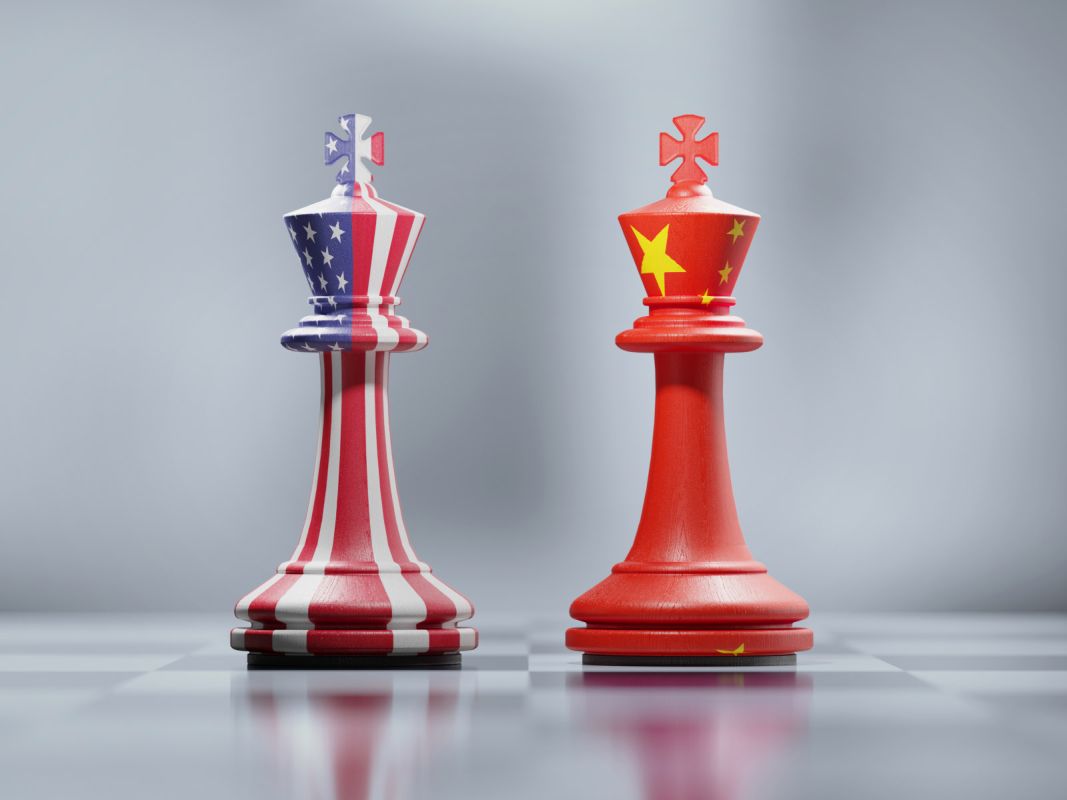
Four and a half years later, the closure of the Strait of Hormuz during the Middle East conflict has pushed that transformation into a new phase. The conflict involving the United States, Israel and Iran has disrupted roughly 20% of global oil and gas trade, triggering a major energy shock. Within this environment, two opposing models are emerging. On one side stands Donald Trump’s America, attempting to reinforce its position as a global oil superpower. On the other stands China which, despite remaining the world’s largest CO2 emitter, is seeking to transform its dependence on Gulf oil into an opportunity to cement its position as the global leader of the green transition. From an ESG (Environmental, Social and Governance) investment perspective, the Hormuz crisis has accelerated a dynamic that deserves close attention.