ByWesley Alexander Hill
ByWesley Alexander Hill,
Contributor.
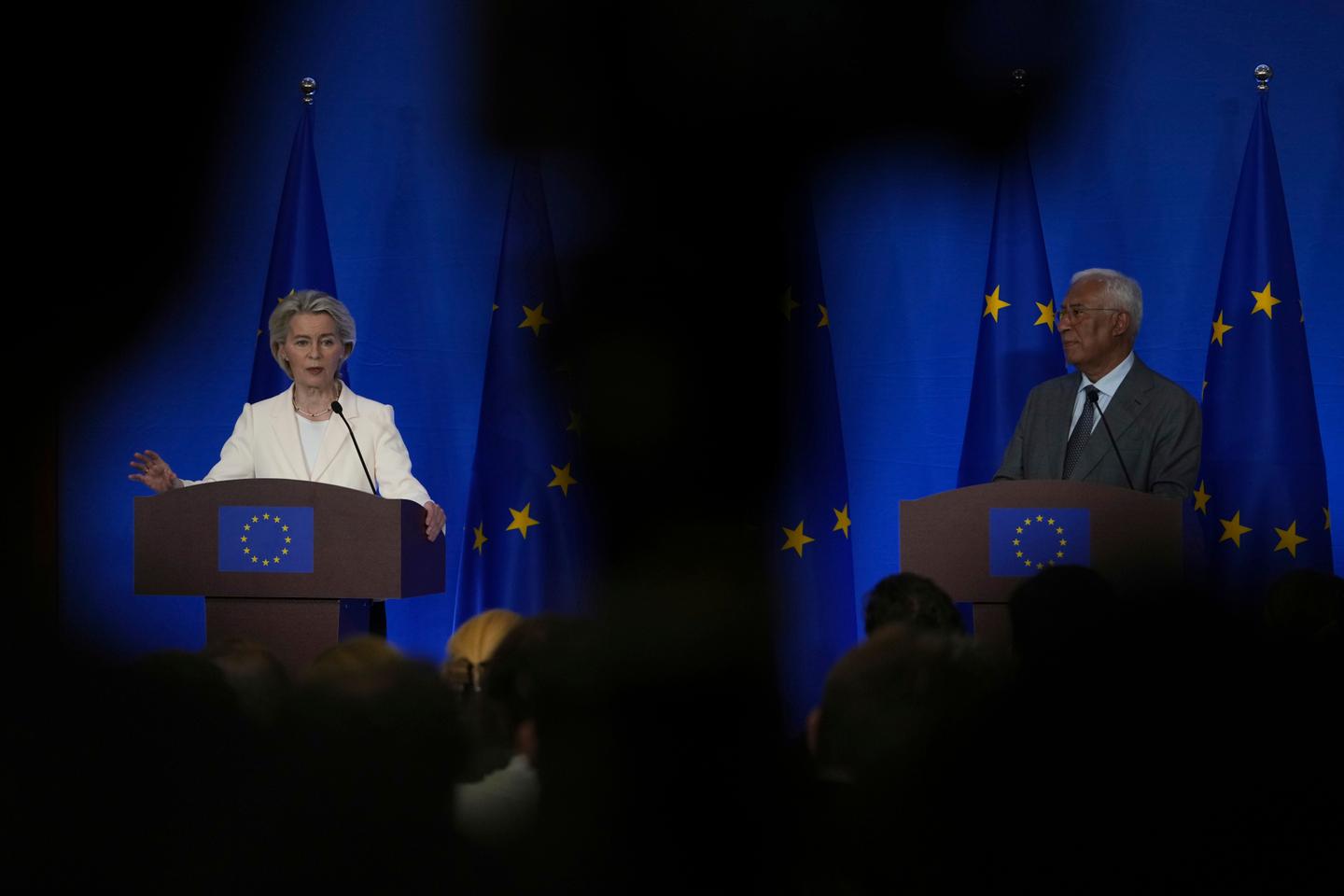
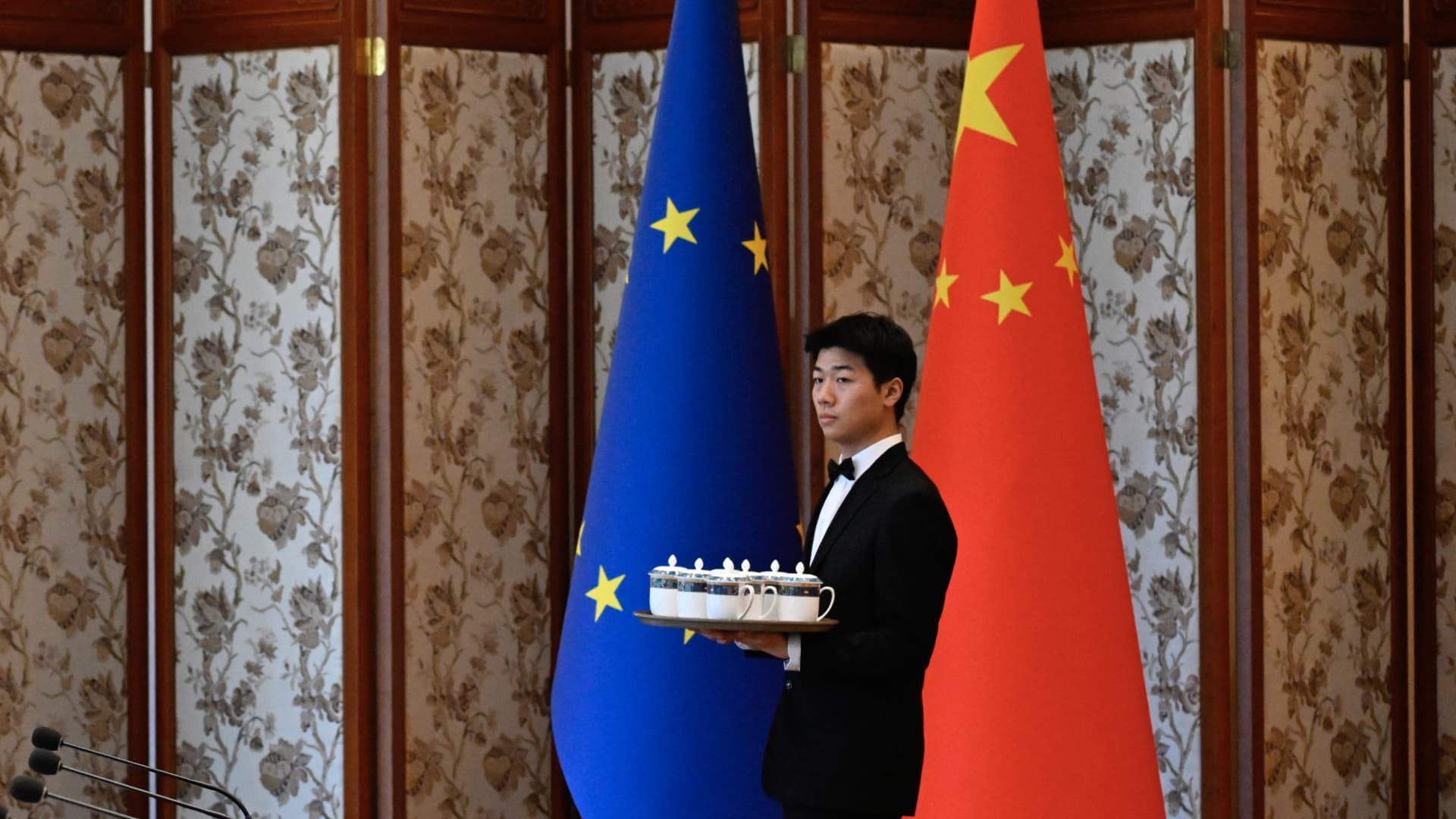
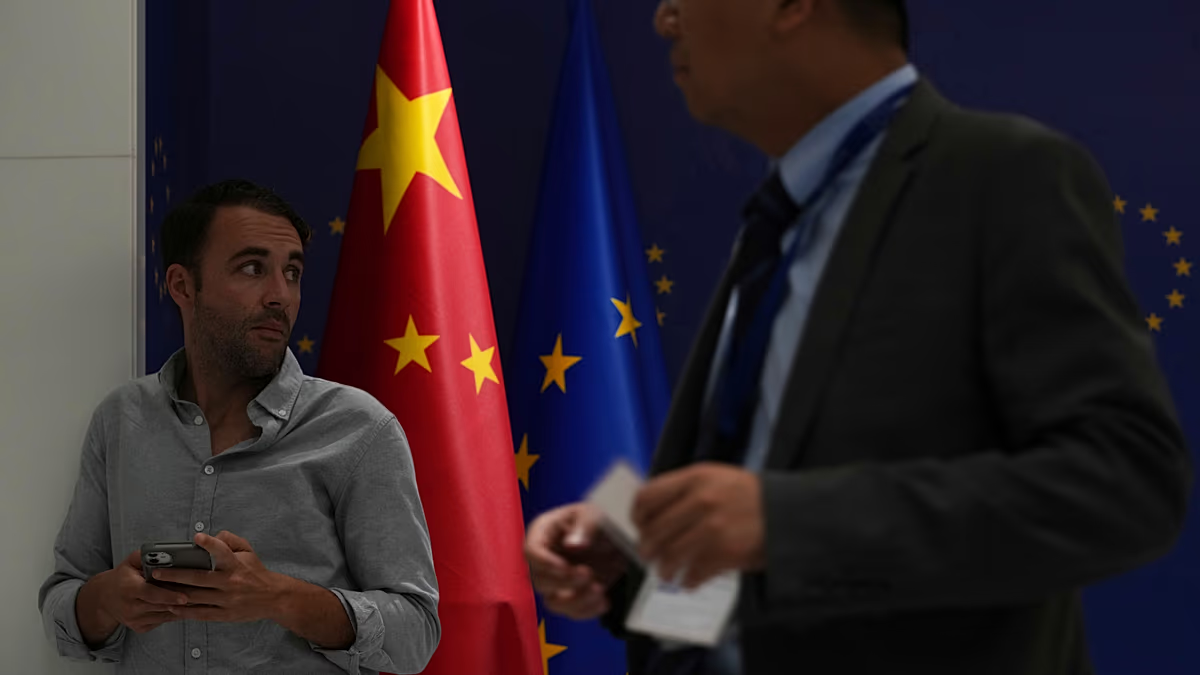
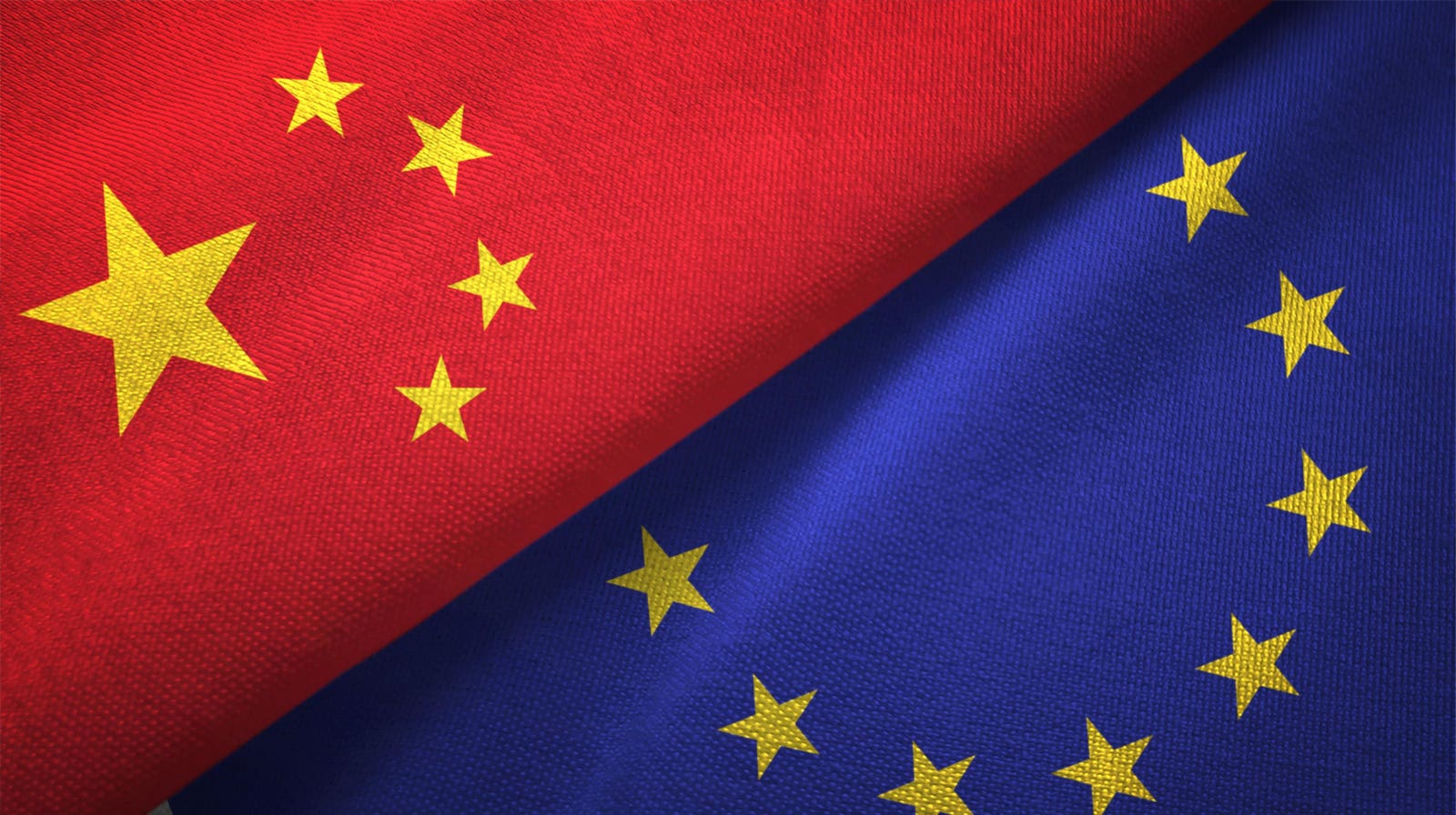
A highly anticipated summit between China and the European Union took place in late July in Beijing, and the resulting tension was even more intense than political analysts anticipated. Chinese President Xi Jinping, European Commission President Ursula von der Leyen, and European Council President Antonio Costa all struggled to find common ground. Chinese leaders were unable to secure new trade conduits to bypass U.S. tariffs while splitting the Western alliance, in part because European leaders insisted on the condition that China stop supporting Russia first. To make matters worse, CNN reported that European leaders were unwilling to accommodate China on critical minerals initiatives and trade imbalance remediation. Despite this strategic stalemate, there was one area of notable cooperation: green energy.
The two sides issued a joint statement agreeing to accelerate the development and deployment of green energy technologies and reaffirmed their support for the Paris Climate Agreement, which the Trump administration has withdrawn from. For both Brussels and Beijing, the cooperation represents a shared opportunity to make an imprint on the international system while the current U.S. policies abdicate the North American nation’s previous role as a global innovation leader.