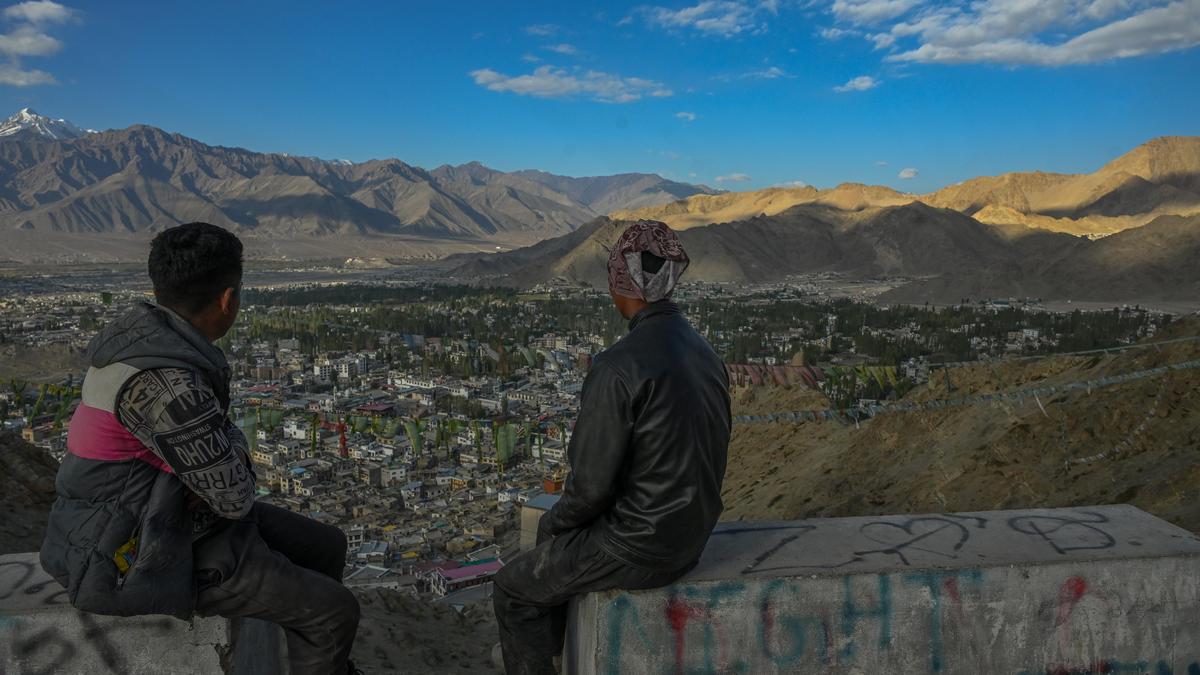
India’s latest internal rearrangement of its northern border territory of Ladakh – the creation of five new districts in addition to its existing two, which reduces the plurality of Muslims into a virtual minority in terms of representation – has sparked a cynical perception that it might be intended to polarize its Buddhist and Muslim populations.
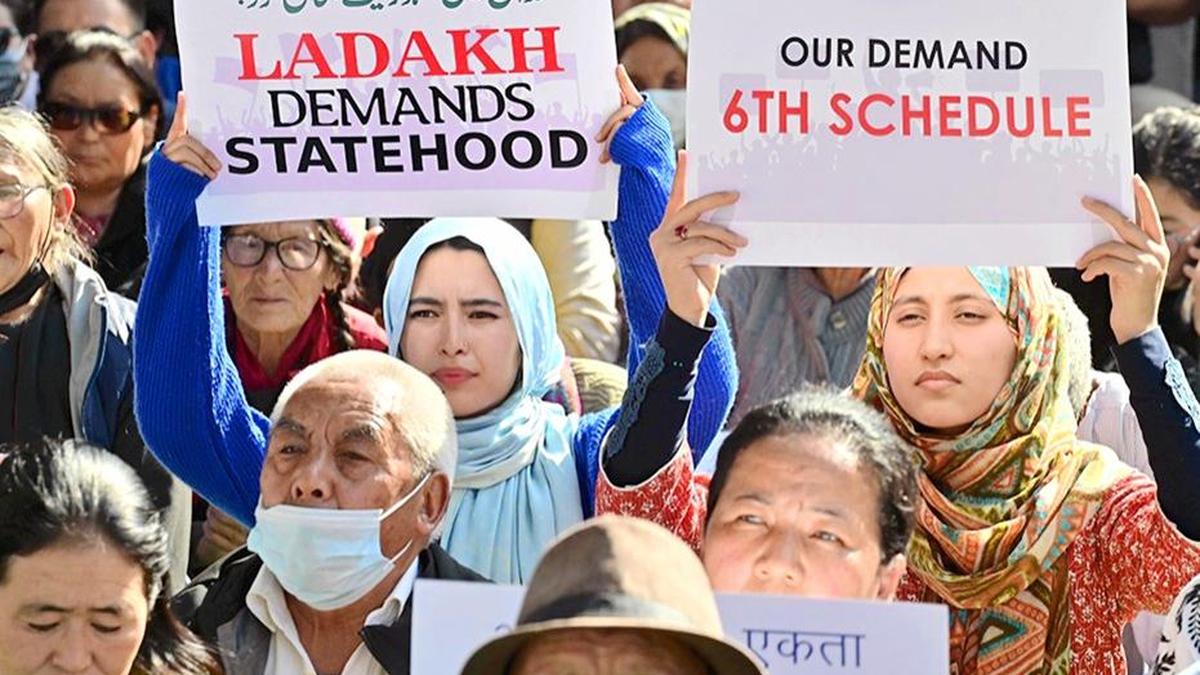
Both Buddhist and Muslim Ladakhis have, since their region’s amputation from the erstwhile state of Jammu and Kashmir, overcome past skepticisms and pioneered a consensus-based, effective political struggle. Their litany of demands include statehood and guarantees under the sixth schedule of India’s Constitution that would protect land and job exclusivity for Ladakh’s 274,000 people (as per census 2011), 97 percent of whom are tribal.
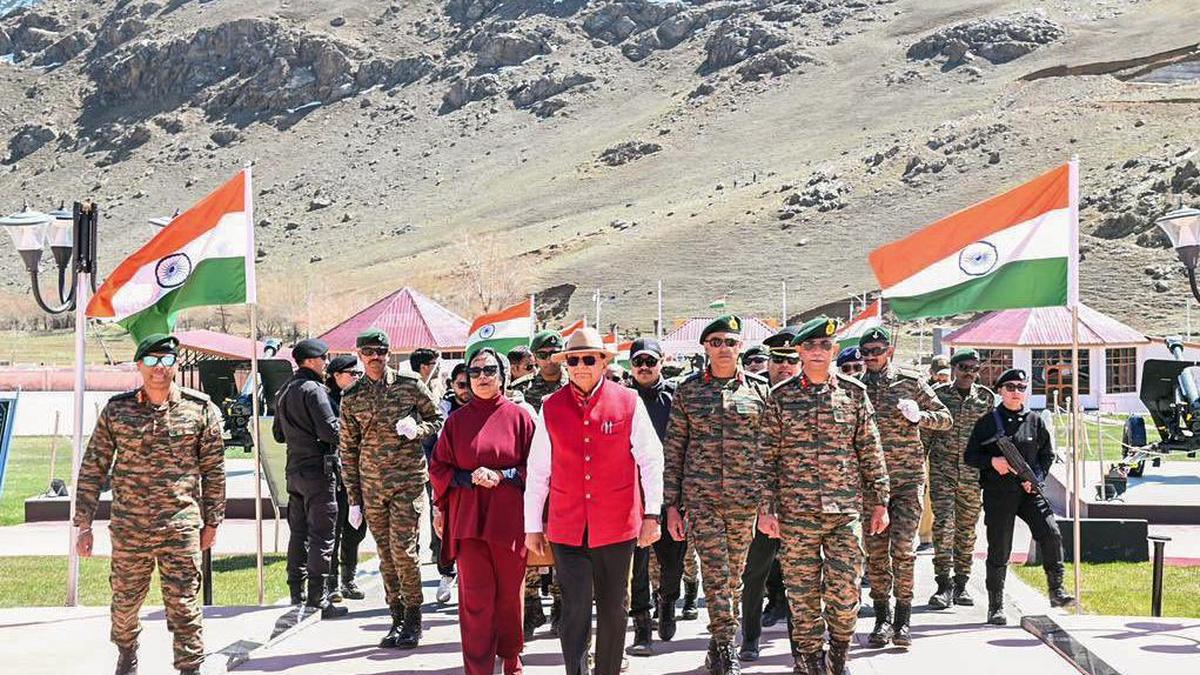
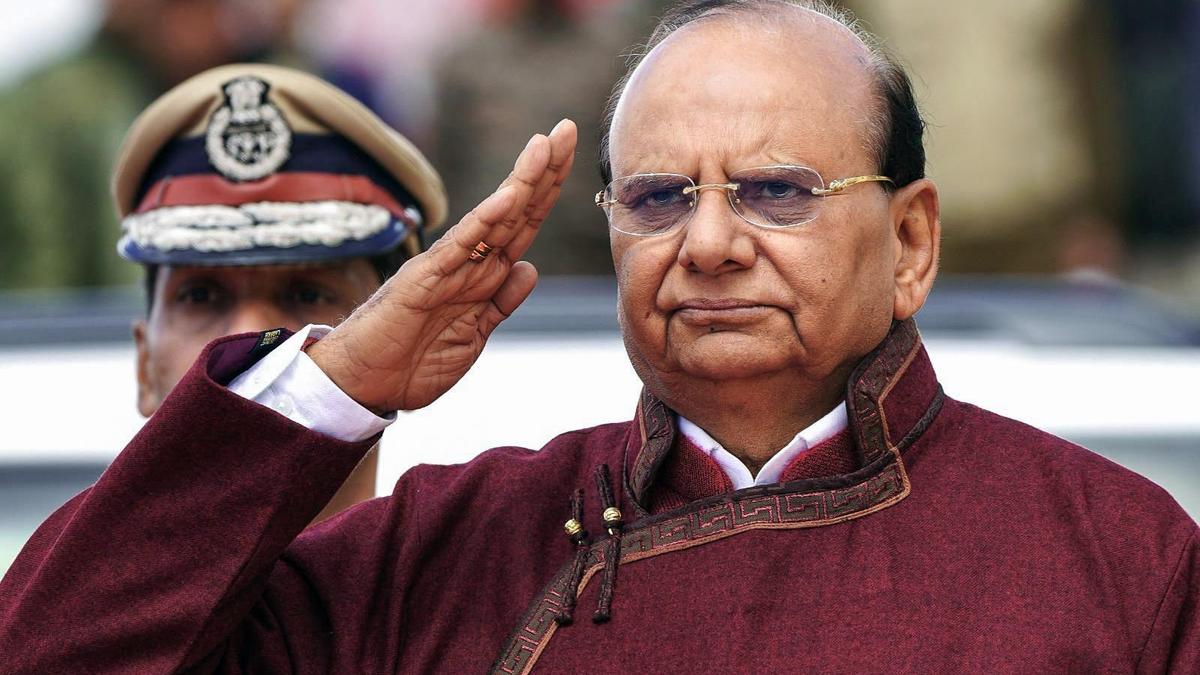
In 2019, the government of India stripped Jammu and Kashmir of its semi-autonomous status, and divided it into two union territories: the UT of Jammu and Kashmir, and the UT of Ladakh. Since then, Ladakh has witnessed a bolstering of its bureaucratic apparatus, comprising administrative servants parachuted in from various parts of the country. The bureaucrats report to a New Delhi-appointed lieutenant governor, are largely walled off from grassroots sentiment, and have shown little aptitude for political inclusion, largely keeping the elected hill councils in Kargil and Leh out of decision-making.