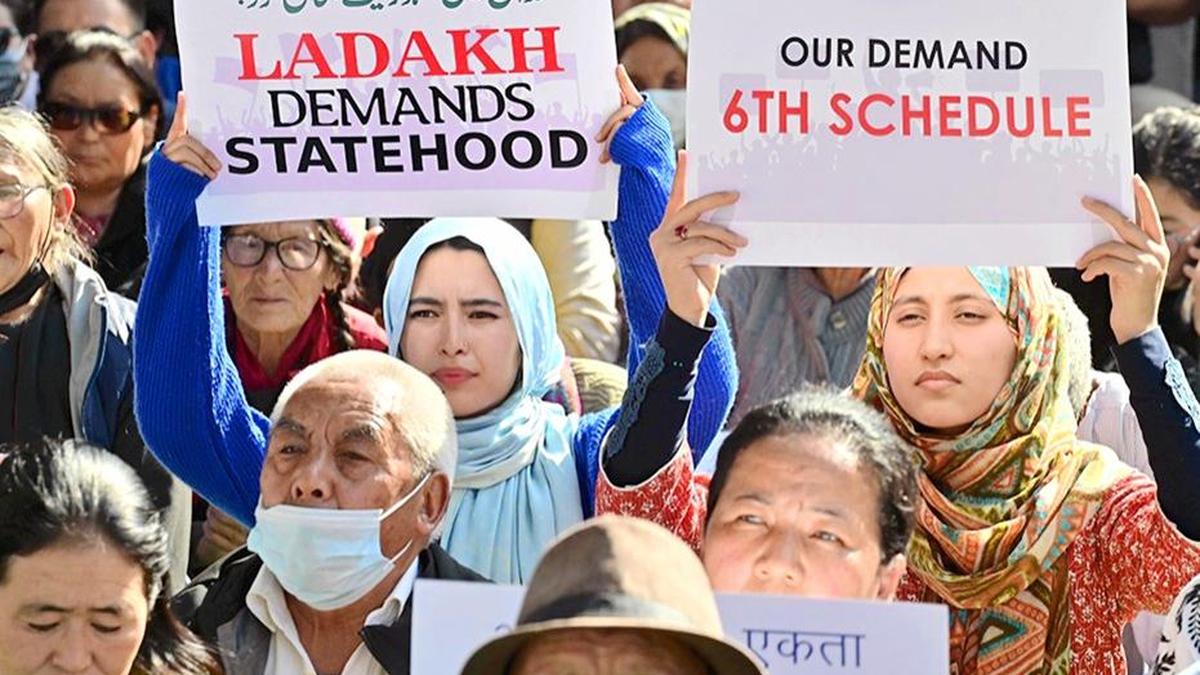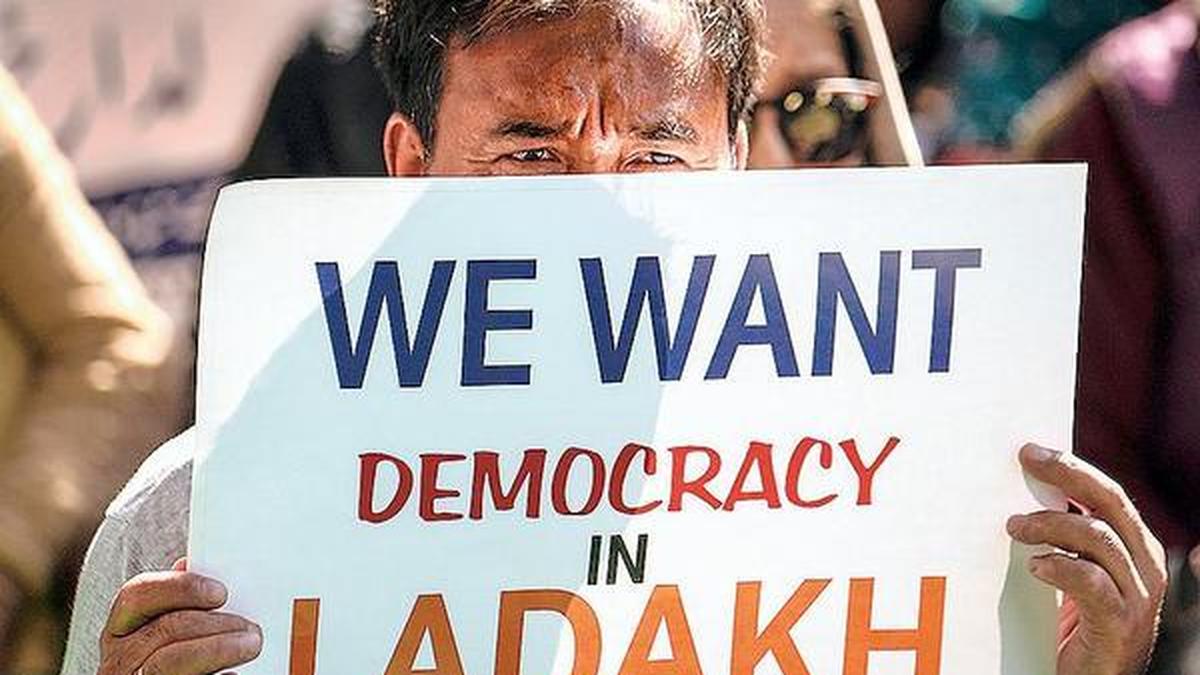
It is both sad and ironic that the Union Ministry of Home Affairs, Government of India argues that Ladakh needs more districts rather than a legislature or stronger constitutional safeguards under the Sixth Schedule. It contends that Ladakh’s sparse population, strategic sensitivity and financial dependence on the Centre make a legislature unnecessary, and instead offers administrative decentralisation through additional districts as a practical alternative.This argument is fundamentally flawed and reflects an impoverished understanding of democracy. Not long ago, the British Empire claimed that Indians lacked the maturity and institutional capacity for self-rule — that Indians were too poor, illiterate and divided to govern themselves. It was against such paternalism that Sri Aurobindo championed the idea of Purna Swaraj, or absolute self-governance, as a matter of dignity and national selfhood. History proved the British wrong.Yet, close to 80 years after Independence, the argument that Ladakh should be content with districts instead of a legislature echoes the same colonial logic in the language of nationalism. Must Ladakhis still prove they are sufficiently populous, profitable and capable enough to deserve political representation? Does being geographically vast, sparsely populated and strategically sensitive disqualify a region from having a legislature?
Ladakh seeks belonging through representation
It is sad and ironic that the Union Ministry of Home Affairs argues that Ladakh needs more districts rather than a legislature or stronger constitutional safeguards under the Sixth Schedule
1,261 words~6 min read