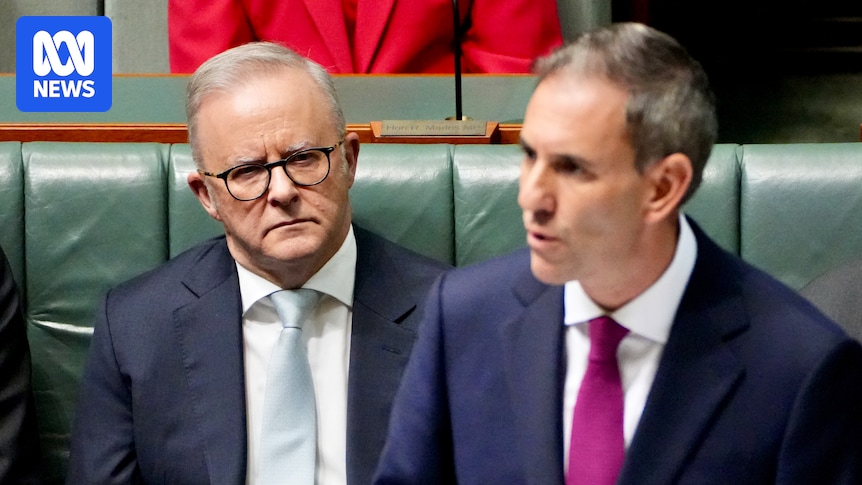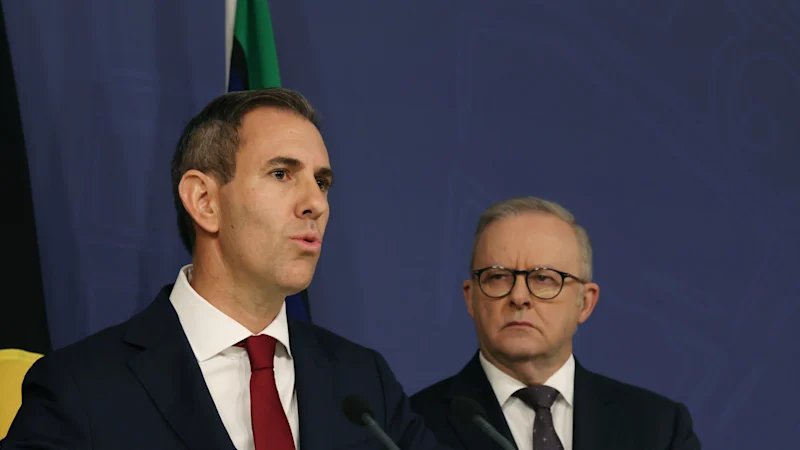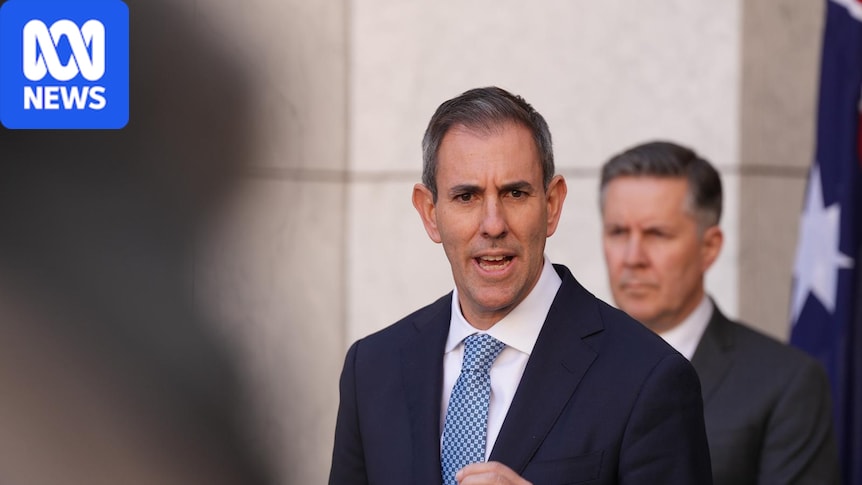
IN BRIEFAustralia currently has no formal death duties, but taxes can still apply through super and family trusts.Under the government's reforms, some new discretionary trusts would face a minimum 30 per cent tax rate from 2028.The phrase "death tax" has returned to Australian politics, but whether the government's latest tax changes actually fit that description depends largely on who you ask.Treasurer Jim Chalmers has repeatedly insisted there are no inheritance taxes or death duties in the federal budget, which was handed down earlier this month.Chalmers has rejected the Opposition's claim that the proposed reforms to trusts amount to a "death tax", insisting the federal budget will not introduce inheritance taxes or death duties.Chalmers says deceased estates, fixed trusts and existing testamentary discretionary trusts would all remain exempt under the proposed changes, arguing the government is targeting tax minimisation rather than inherited wealth itself.The treasurer has also stressed families would still be able to establish fixed testamentary trusts through wills if they want to avoid the proposed minimum 30 per cent tax rate on some discretionary trust structures.As political backlash intensified following the budget, Chalmers accused opponents of running a "scare campaign" over the reforms, maintaining the government had been transparent about the measures from the outset.But Opposition leader Angus Taylor disagrees, accusing the government of introducing a "death tax by stealth" through changes to discretionary trusts.The clash has reignited a politically potent debate Australia has not seriously grappled with in decades: what should happen, tax-wise, when wealth passes from one generation to the next?Stephen Bartos, economics professor at the University of Canberra, said the reforms cannot be considered an inheritance tax because the proposed changes would only apply to a particular trust tax structure."What the changes mean in essence is that in the future, people will not be able to set up a trust in a fashion that allows income splitting and, therefore, allows taxes to be avoided," he said."So it doesn't apply retrospectively, it is a change that will apply for the future, and it is to essentially close that loophole," he said.The trust loophole at the centre of the debateAt the centre of the argument are Labor’s proposed changes to trust taxation.Under the reforms, some new discretionary trusts would face a minimum 30 per cent tax rate from 2028, reducing the ability for families to distribute trust income to beneficiaries on lower marginal tax rates.Labor argues the policy is designed to close tax minimisation loopholes disproportionately used by wealthy Australians. The government has stressed the changes do not impose a direct tax on estates or inheritances, and that existing testamentary trusts, deceased estates and fixed trusts would remain exempt.But the Opposition has focused on a different argument: that some families inheriting wealth through these structures could ultimately end up paying more tax due to a death.That distinction has become arguably the most contentious point.Technically, Australia still does not have a formal inheritance tax or estate duty. Beneficiaries are not taxed simply for receiving money or assets from a deceased estate, and death duties were abolished nationwide by the end of the 1970s.Yet tax experts say the reality is more complicated than the political slogans suggest.Several taxes can already arise after death, particularly through superannuation, capital gains and trust structures. While inherited assets are usually transferred tax-free initially, beneficiaries may later face tax on income generated from those assets, or capital gains tax if assets are sold.Taxes on superannuation death benefits are thought to not be well understood.Super paid to a spouse or financial dependent is generally tax-free, but adult children inheriting super balances can face tax on parts of those payments depending on how the account is structured.Matthew Burgess, founder of specialist law firm View Legal, told SBS News that most Australians are generally unaware that taxes can still arise after death through things like superannuation, capital gains or trust structures.Bartos said discretionary testamentary trusts are used by only a small number of Australians, and families are not required to use them when planning inheritances.He argued that if people decide to use different estate structures because of the proposed changes, the reforms may end up raising little or no additional revenue at all.Concerns driving political backlashMounting political pressure has already forced the government to slow the rollout of the controversial trust reforms, with Prime Minister Anthony Albanese signalling the legislation will take longer to develop than other budget measures.The government maintains the policy is aimed at limiting the use of discretionary trusts as tax minimisation vehicles, where high-income earners distribute income to lower-income family members to reduce overall tax liabilities.But opponents say the reforms risk sweeping up families using testamentary trusts for legitimate succession planning purposes, including protecting assets for children or vulnerable beneficiaries."If people want to do that, they can do so through a fixed trust where the person who is leaving the money designates in advance where they want it to go," Bartos said.The political sensitivity surrounding the proposal reflects how quickly the debate has expanded beyond technical tax law into broader anxieties about inheritance, family wealth and financial security.For the latest from SBS News, download our app and subscribe to our newsletter.
The 'death tax' debate is back. So what do Australians really pay when they die?
Labor says their trust taxation reforms close trust loopholes. The Opposition says they tax inherited wealth by stealth.
857 words~4 min read