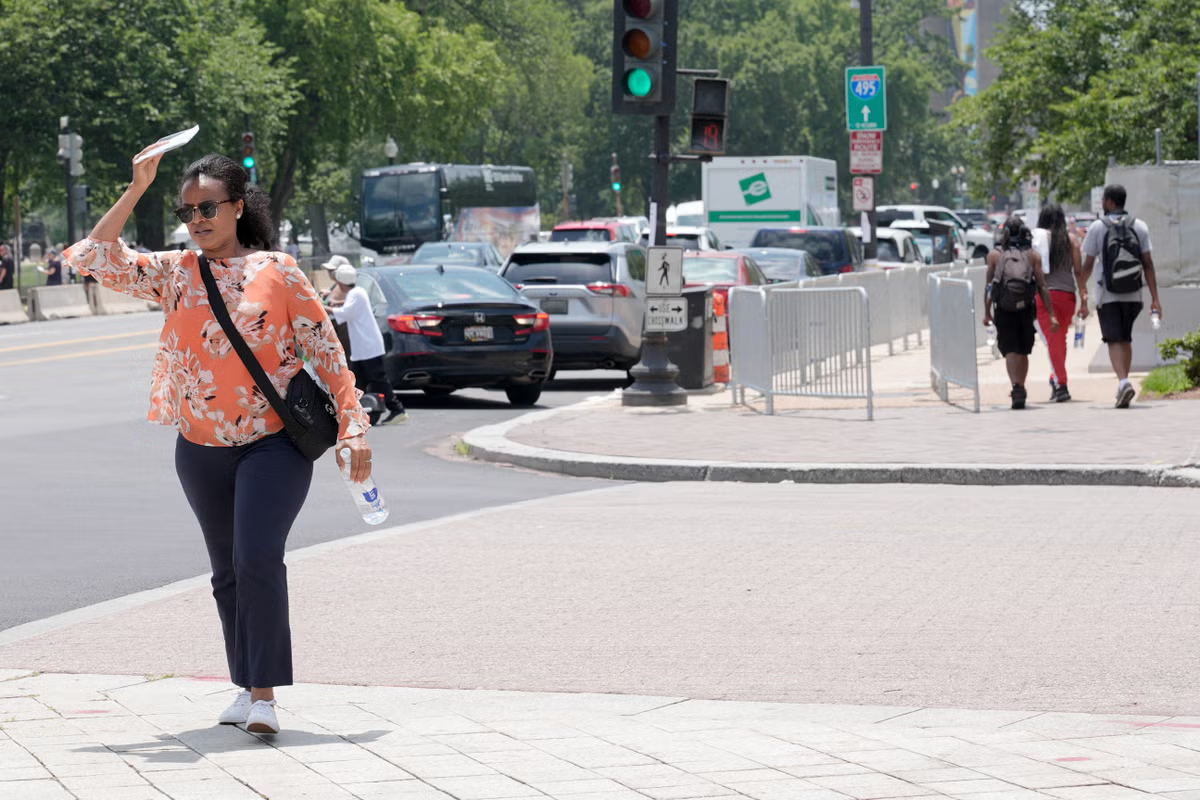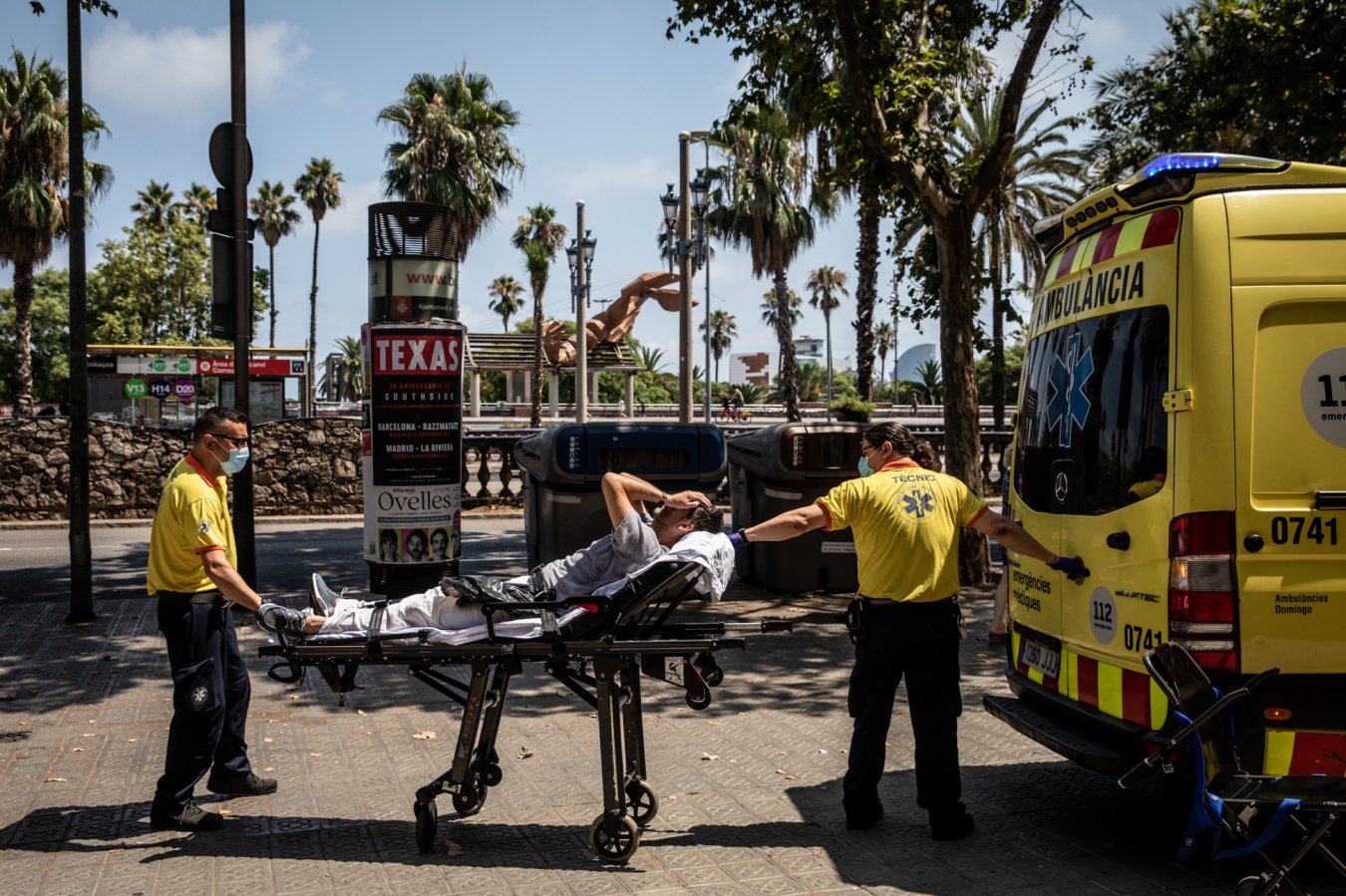
In cities across the US, heat waves are becoming longer, more frequent, and more intense over time. Heat-related deaths are by far the most common weather-related fatality in the country, making extreme heat the most dangerous of the extreme weather events on the rise due to climate change.
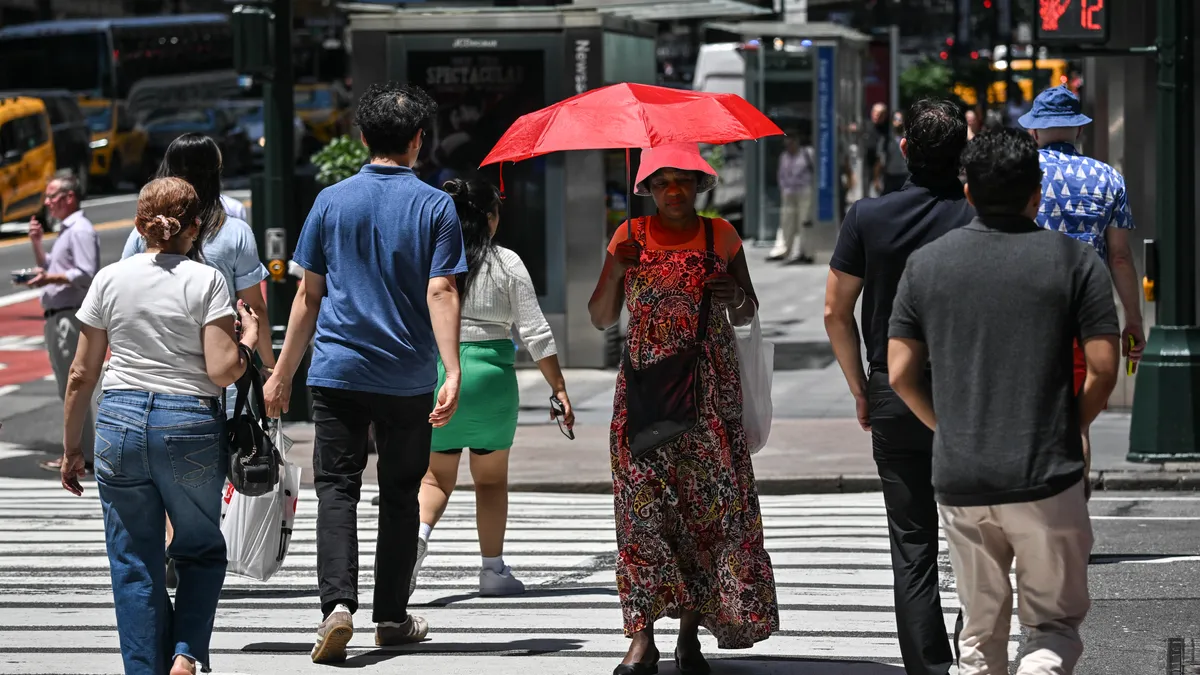
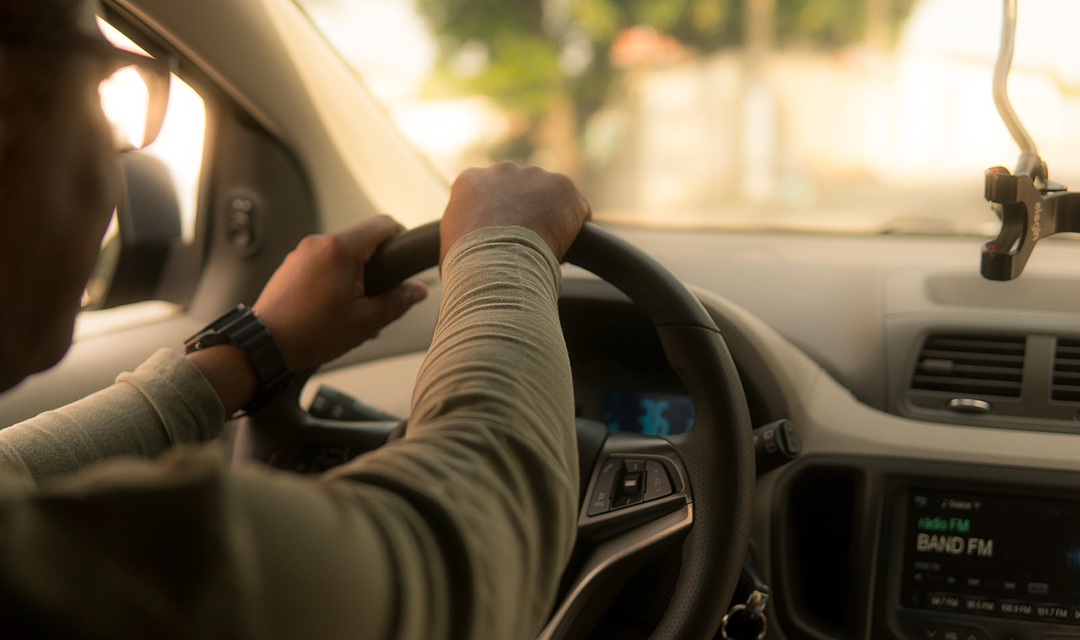
Transportation methods vary greatly in how long they leave travelers exposed to the outdoors. Pedestrians and bikers bear the brunt of precipitation, extreme temperatures, and humidity; bus riders face these factors, too, while waiting at bus stops. Drivers or subway riders, on the other hand, are more insulated from weather conditions.
Yet little research has been done to understand how extreme weather, like intense heat, changes how people choose to travel, noticed Carnegie Mellon engineering faculty Jeremy Michalek, Destenie Nock, and Corey Harper. Having such information would empower transportation planning and policymaking that is more responsive to the predicted effects of climate change.
Source: Transportation Research Part D: Transport and Environment
The researchers divided New York City into zones with higher (dark green) or lower (light green) per capita income.