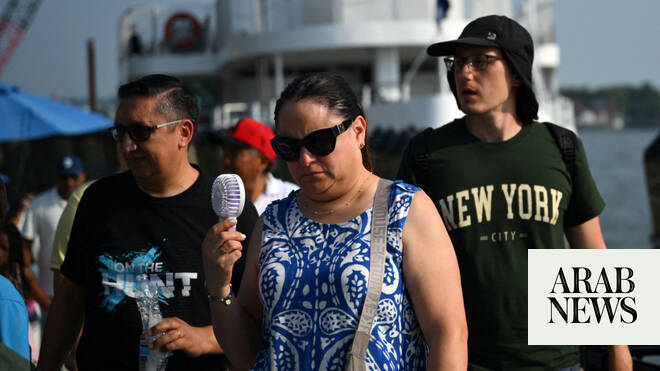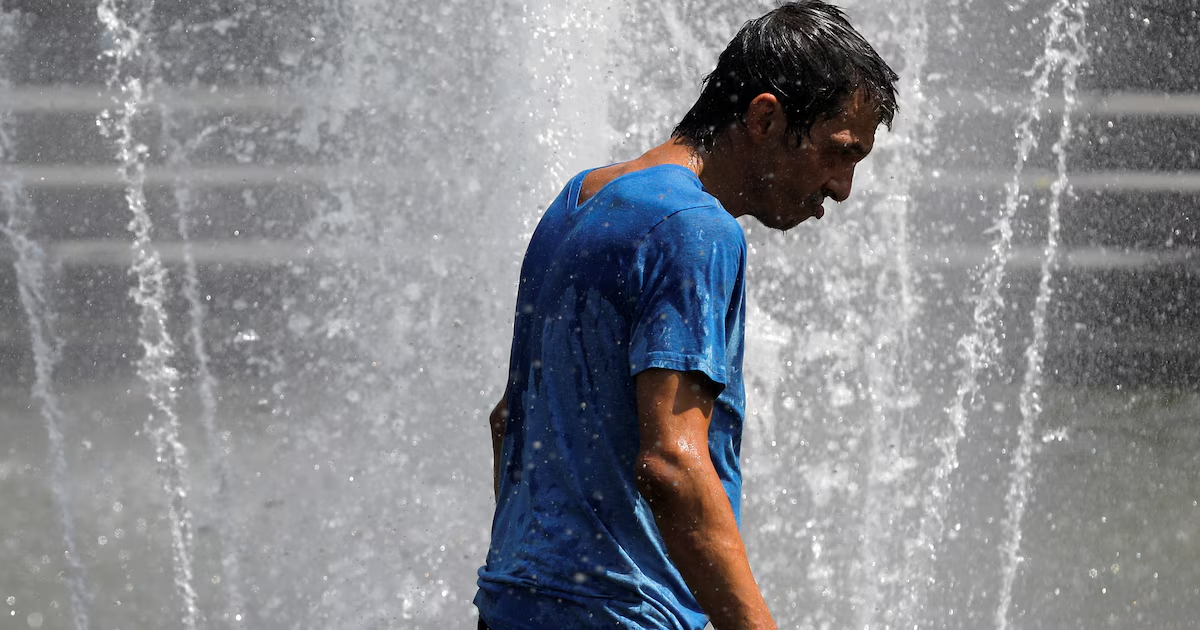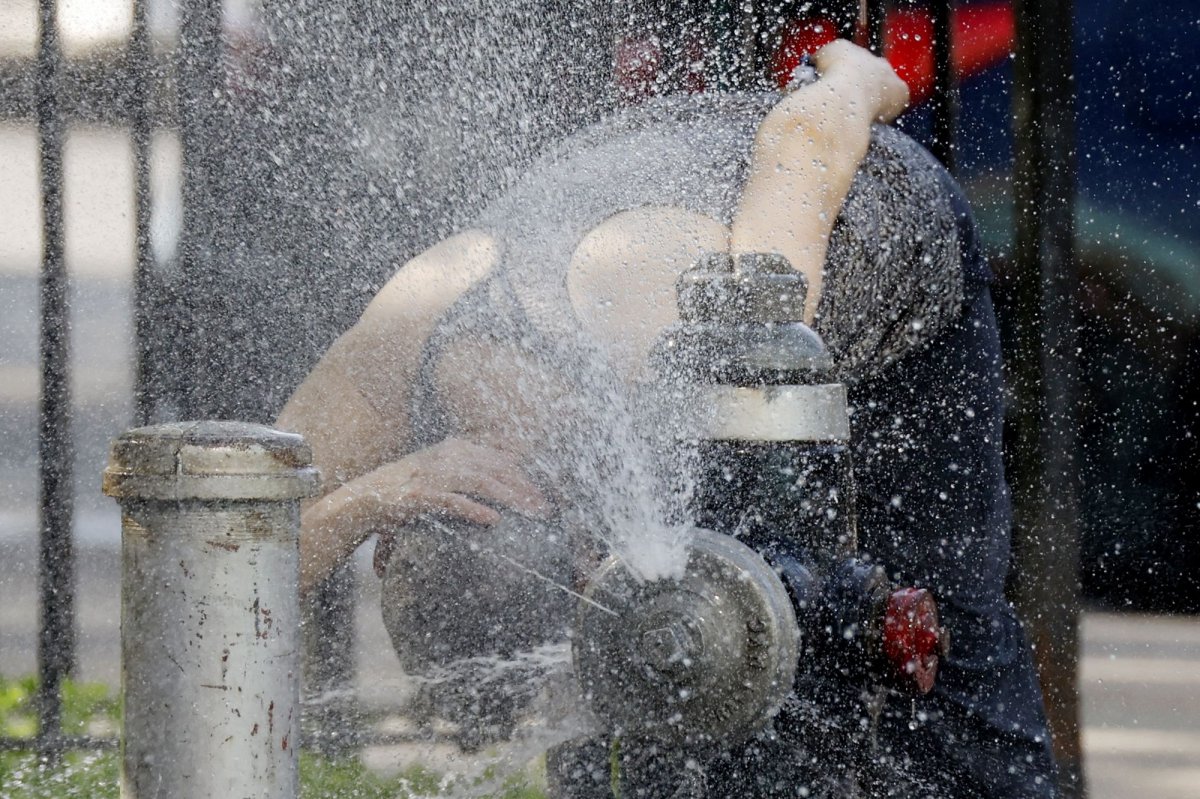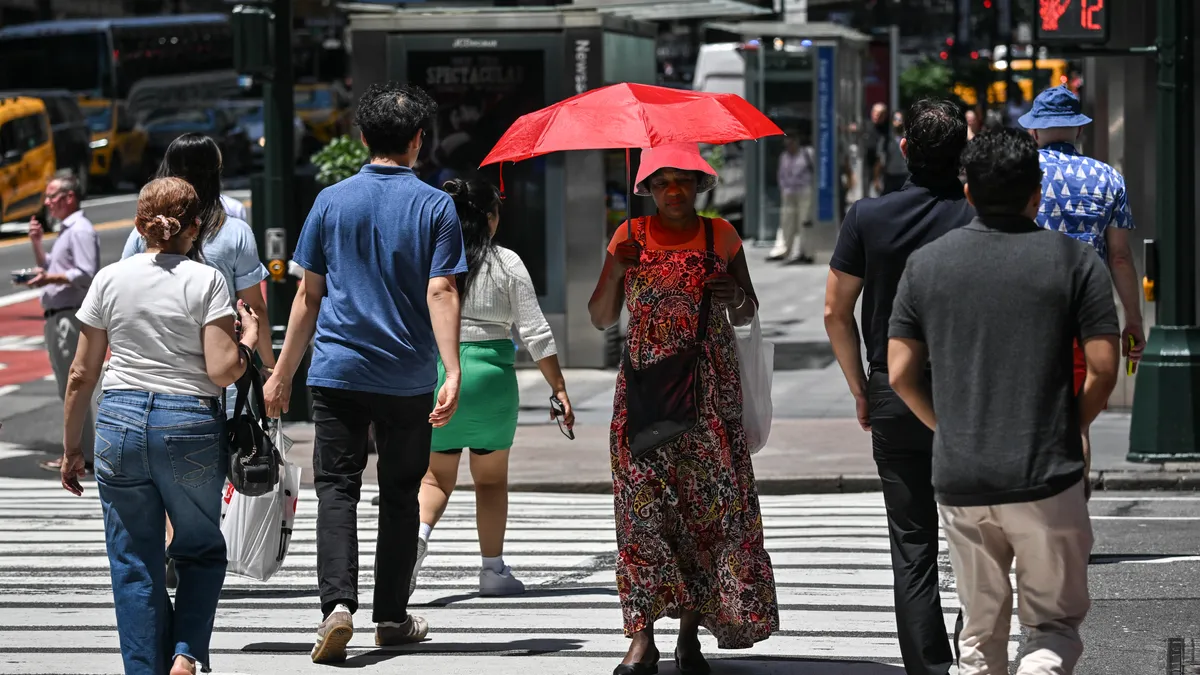
Nearly 500 New Yorkers die prematurely due to higher temperatures each year, according to a city heat mortality report.Show Caption
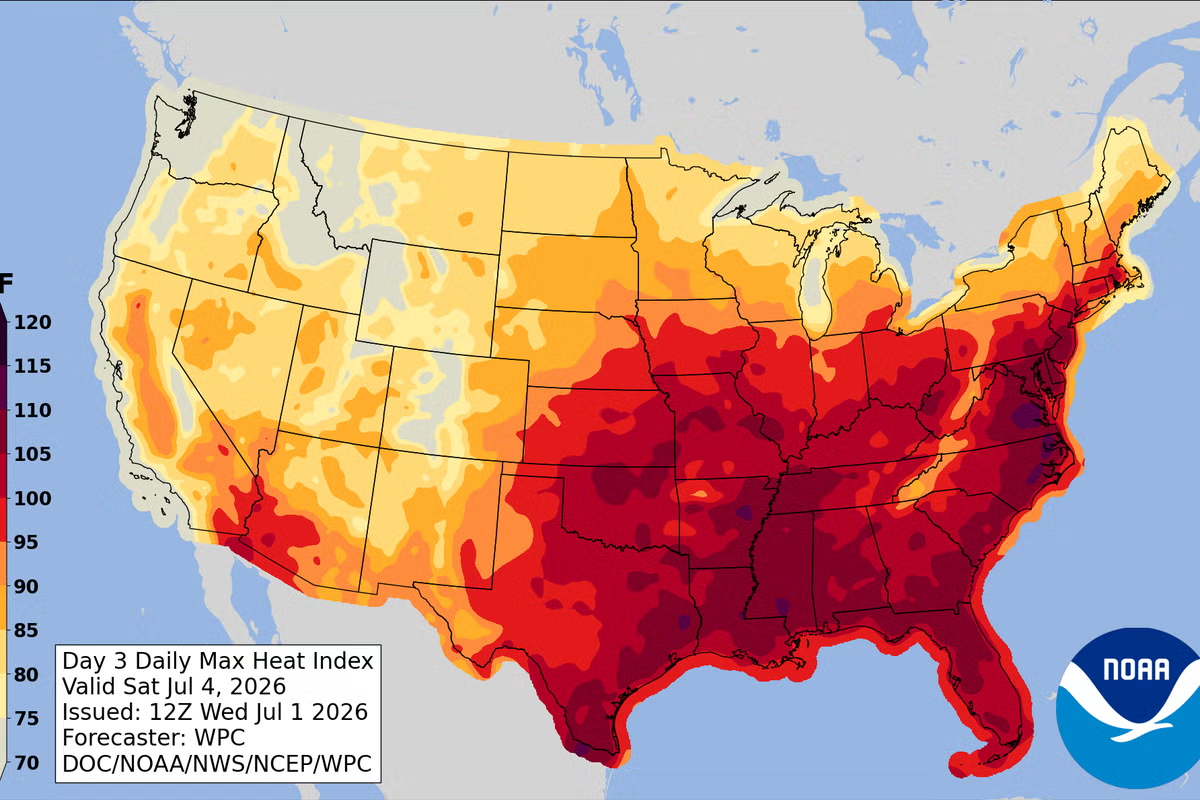
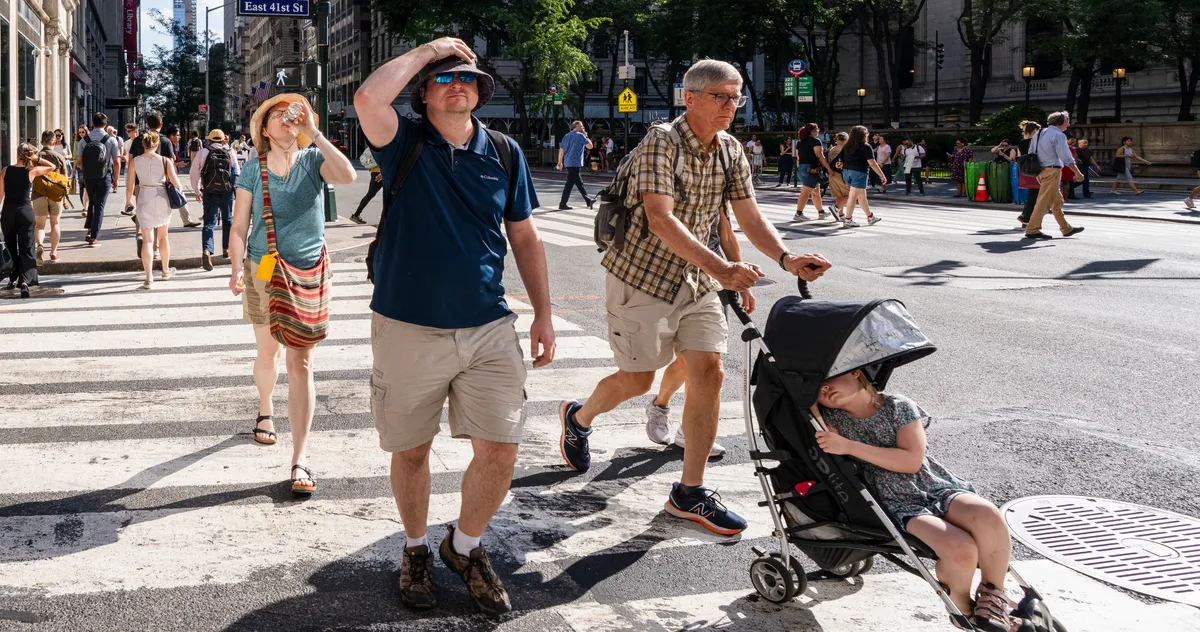
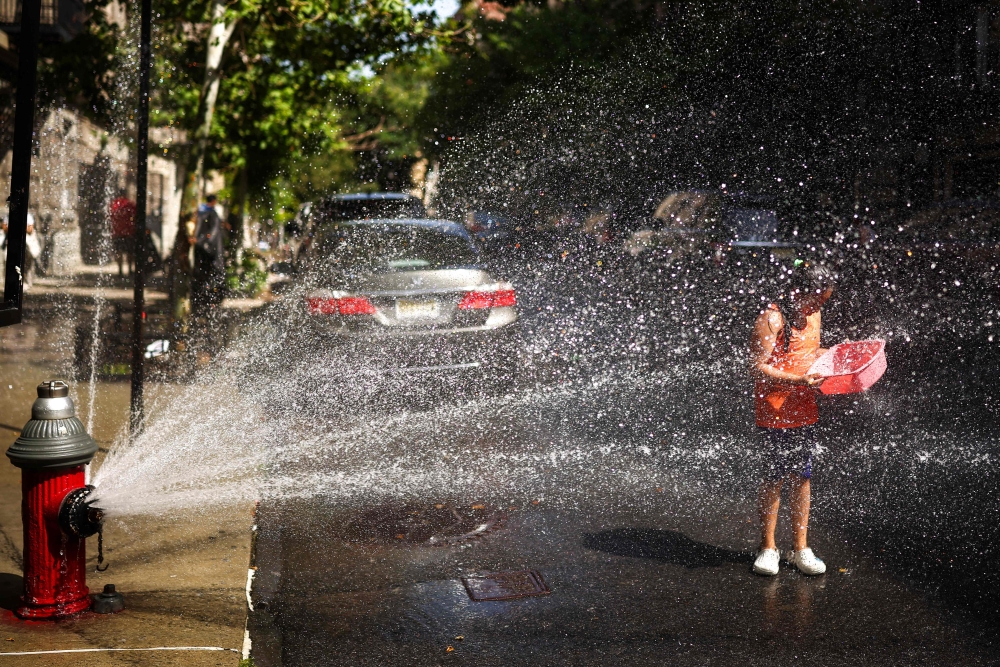
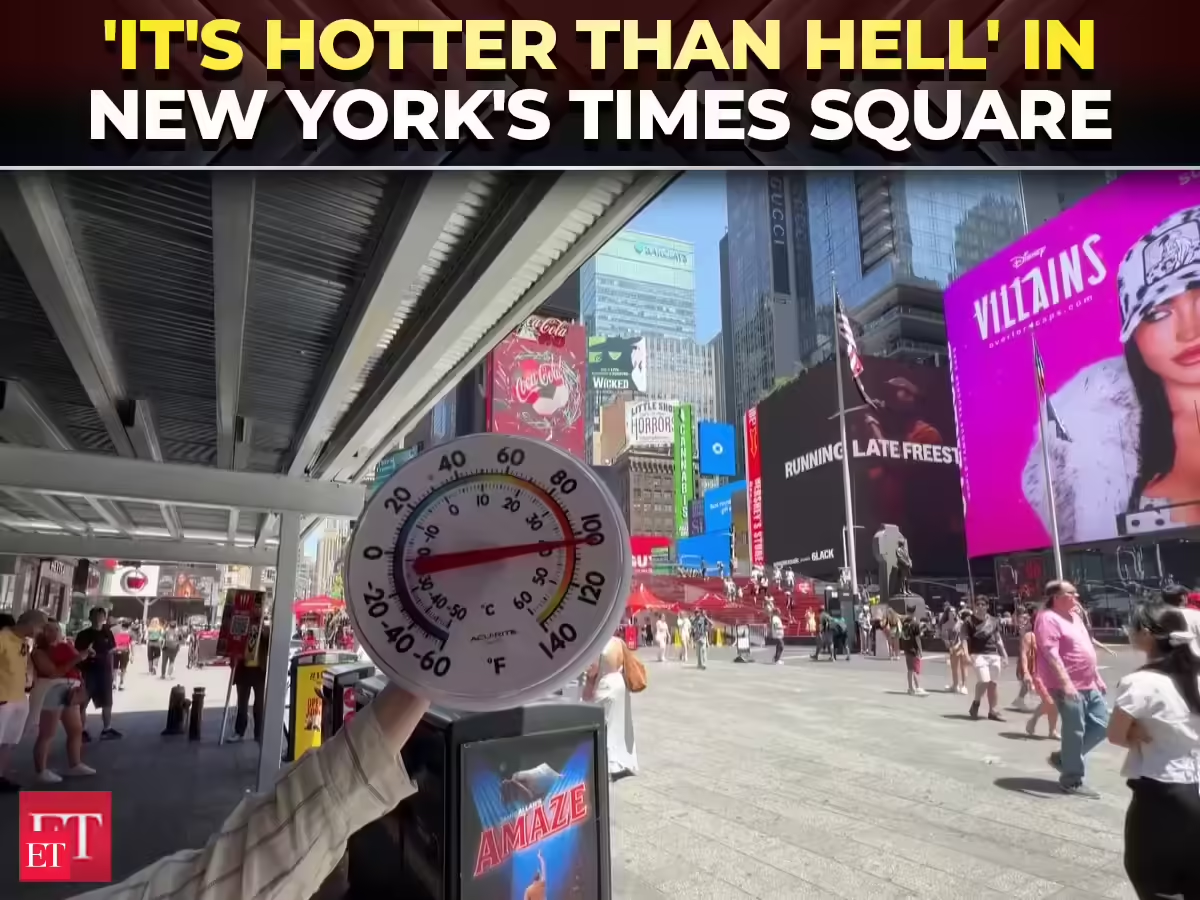
NEW YORK − The eastern United States is set to experience days of dangerously hot temperatures during a summer heat wave, and the days’ lows are particularly worrisome. In New York City, residents are under an extreme heat warning effective at noon July 1 and lasting until the evening of July 3. July 1 temperatures are set to surpass the 90s, but the heat index – how it feels accounting for high humidity – is expected to reach over 100 degrees for several days, according to the National Weather Service New York. Over July 2-3, expected record-breaking hazardous overnight low temperatures of 84 degrees will make it harder for people to cool down.City officials are urging residents to stay indoors with cool air and to check on neighbors who may be at risk.“These are extremely dangerous conditions,” Mayor Zohran Mamdani said in a June 30 news briefing. “They will affect every part of our city.”Nearly 500 New Yorkers die prematurely due to hotter temperatures each year, according to a city heat mortality report. Deaths are increasing annually as temperatures continue to rise, and they tend to affect lower-income neighborhoods and communities of color.Nationally, extreme heat is the top weather-related killer in the country.While it’s difficult to attribute a singular weather event to climate change, data show consistent increases in temperatures that are also longer-lasting and more frequent, said Radley Horton, a professor at Columbia University’s Climate School. The combined heat and humidity the Northeast will experience is set to make conditions more like the southeastern United States and much of the tropics.“We're starting to run up against sort of the limits of what we can manage,” Horton told USA TODAY.Prolonged periods of extreme heat strain societal infrastructure, from the days-long demand on energy grids because of AC units on full blast, to crop yields and even public transit, Horton said. The recent deadly heat wave that engulfed Europe is a result of dire climatic changes, he said, and other parts of the world, such as the Indian subcontinent, have also dealt with life-threatening warming temperatures.Many in traditionally warmer regions, like the Sun Belt or the Caribbean, have adapted to summertime conditions. But in a heavily urbanized East Coast, especially New York City, temperatures could also feel hotter through the urban heat island effect. Buildings and streets trap heat and raise temperatures, particularly in neighborhoods with little tree canopy or green spaces.Affected communities also have higher rates of chronic health conditions such as diabetes that make it harder for people to regulate body temperature. To make it worse, people may not have access to air conditioning, which can be deadly.New York City officials have begun street canvassing to get unhoused people into cooling centers, Mamdani said. Officials are also expanding pool hours and adding buses as cooling centers, and they recommend people have a “heat plan” to protect themselves and their families. The city also warned employers about giving mandated breaks and taking steps to prevent heat illness among workers.City Emergency Services Commissioner Christina Farrell urged residents to check on neighbors – especially older people, younger people, those living alone or those without AC. City mortality data show these groups tend to be most at risk of death from heat, and it tends to happen indoors.While heat illness is preventable, Angela Hillman, an associate professor of exercise physiology at Ohio University’s College of Health Sciences and Professions, said dangers arise when the body can’t cool itself. The body wants to send blood flow to the skin as it heats. But with prolonged heat exposure, the body begins diverting blood away from vital organs, causing organ failure and eventually death.“It’s like a domino effect,” Hillman said.To keep cool, Hillman recommends that people drink plenty of fluids, while avoiding sugary or caffeinated drinks. Try to stay indoors with AC and fans. People should wear breathable, light-colored clothing. People also must be being vigilant about identifying signs of heat illness, including headache, cramps and dizziness, and they should check on others.Eduardo Cuevas is based in New York City. Reach him by email at emcuevas1@usatoday.com or on Signal at emcuevas.01.