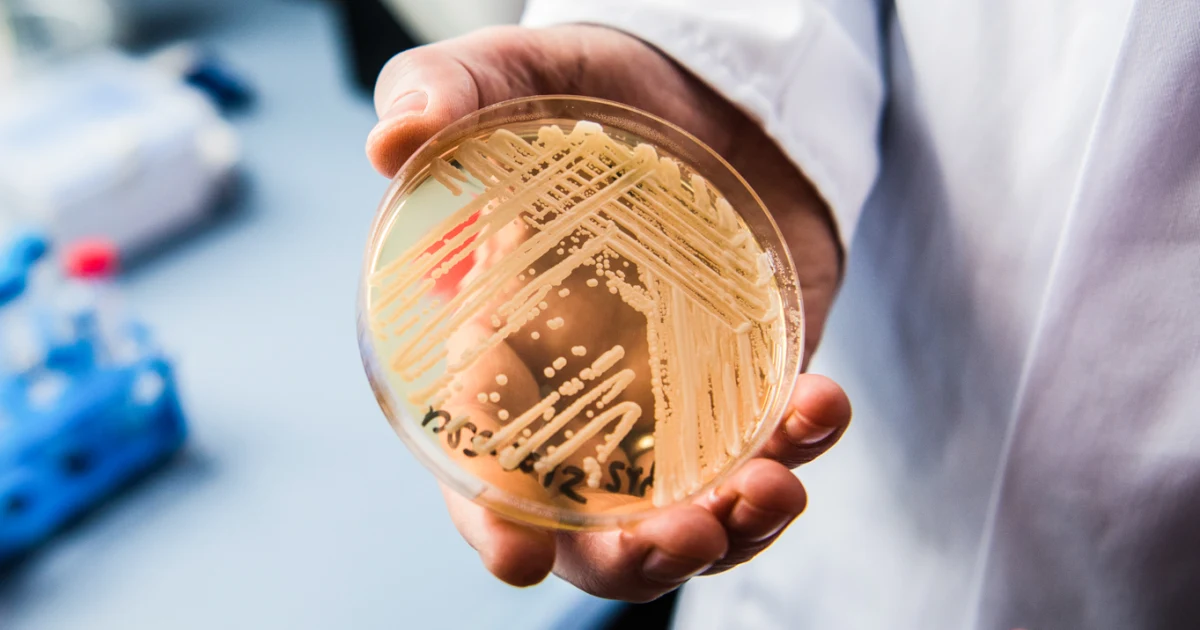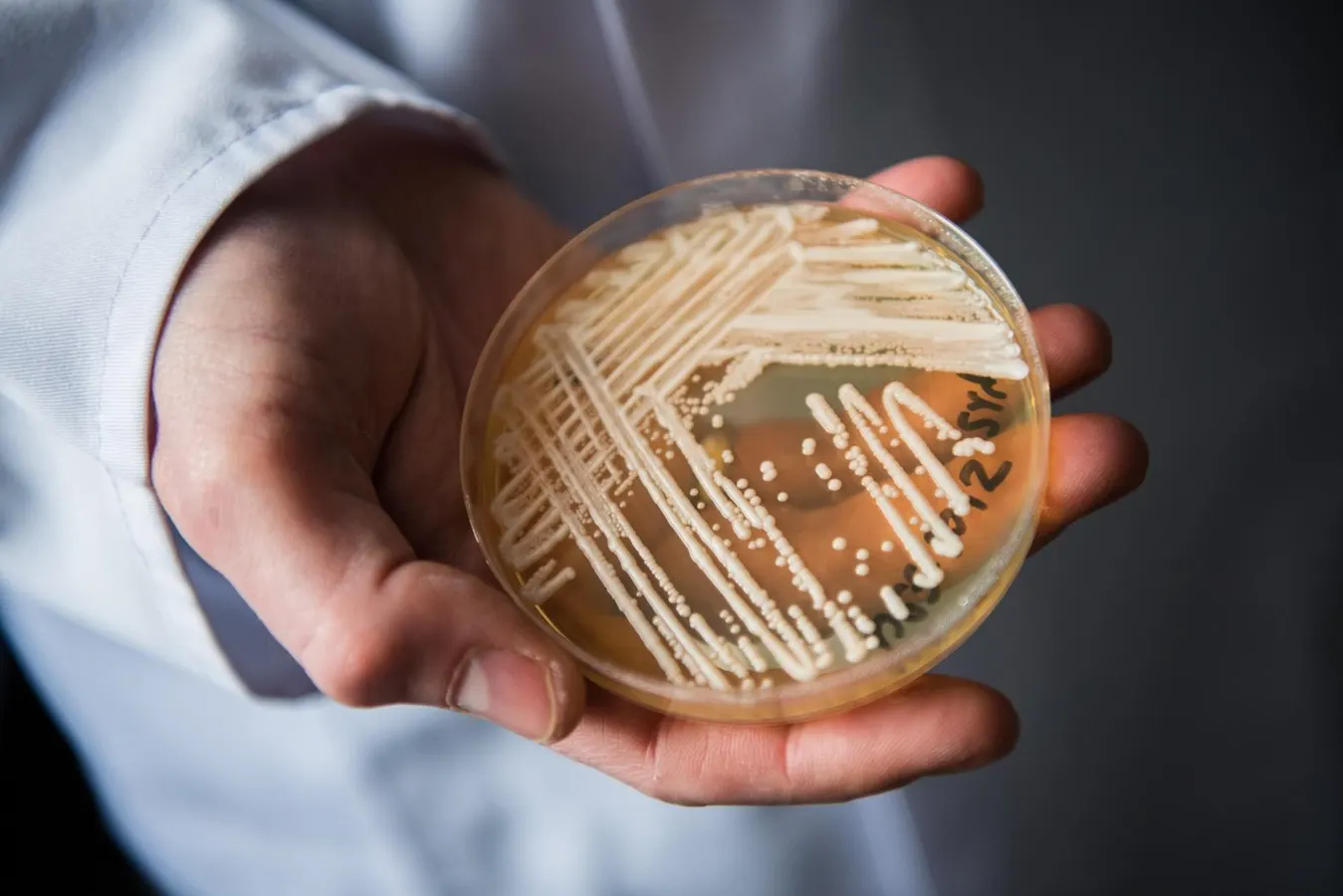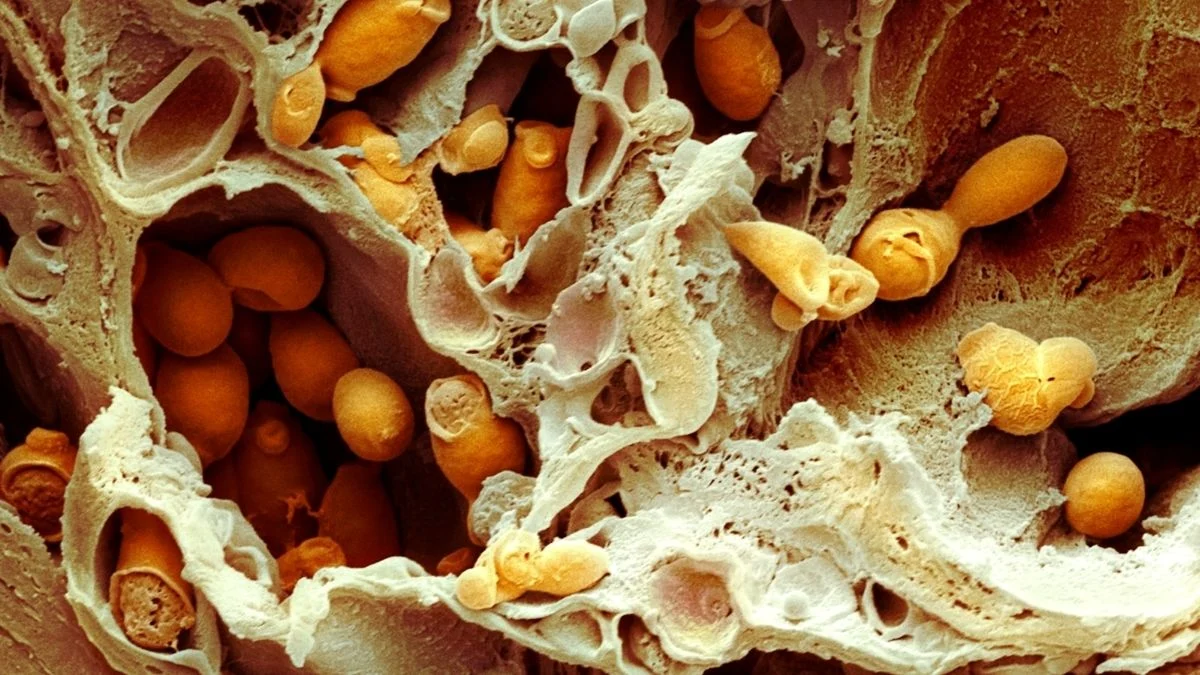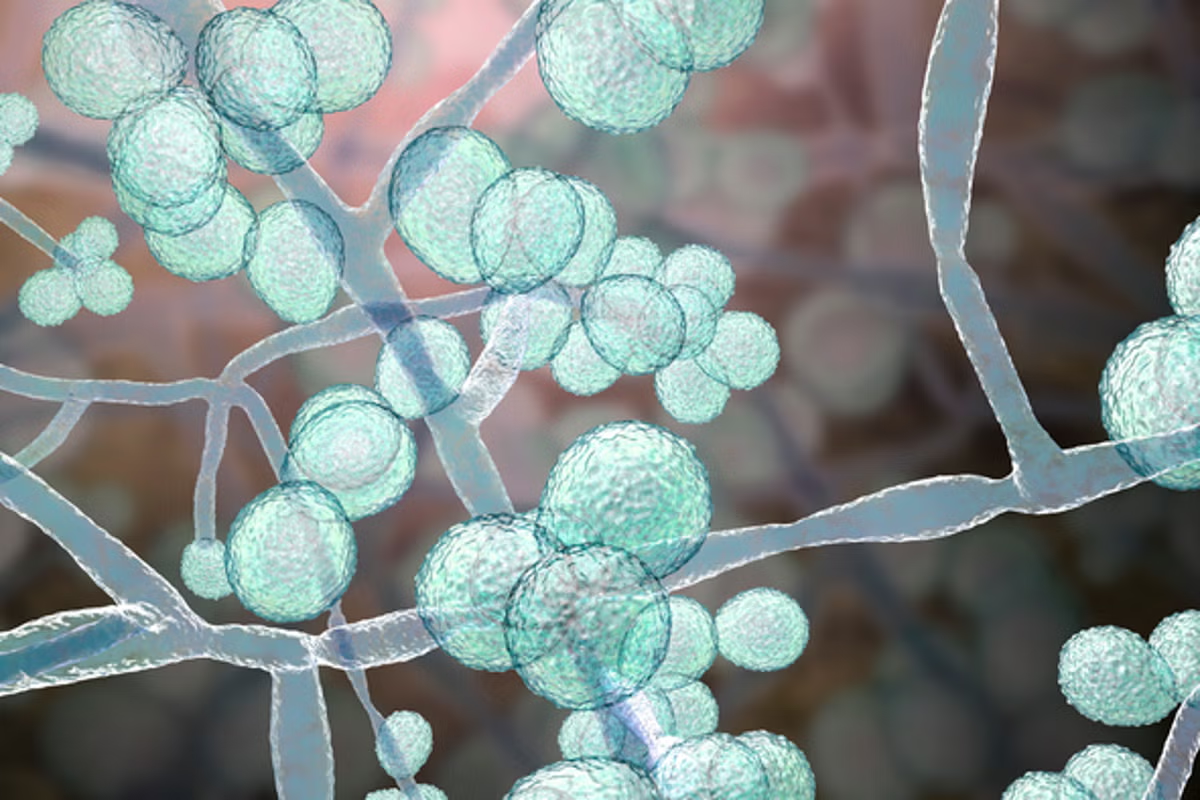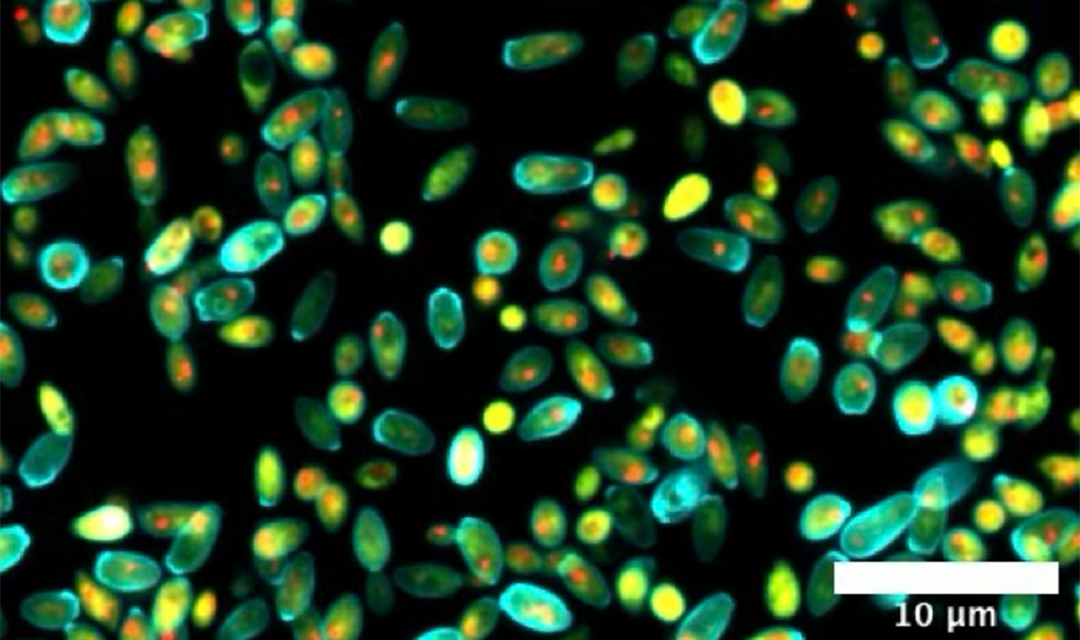
Resistant to most antifungal drugs, the yeast Candidozyma auris is spreading globally and has caused recent outbreaks in US hospitals. The US Centers for Disease Control and Prevention (CDC) classifies it as an urgent threat. To meet the need for better treatments, researchers at Carnegie Mellon University are developing a novel way to combat drug resistance.
There are currently few methods to control C. auris infections, which spread through contact. Most infections start on the skin and can enter the bloodstream if unchecked. The mortality rate is high for immunocompromised individuals.
In Chemical Engineering Journal, Tagbo Niepa, Camila Cué Royo, and collaborators demonstrate the potential of electrochemical therapy to treat C. auris, both alone and in combination with currently available antifungal drugs. “We’re trying to maximize the effects of drugs that are already available but are not working,” says Cué Royo, a Ph.D. student in chemical engineering.
Electrochemical therapy delivers a low dose of electrical current. “The current is below our perception level, so we wouldn’t even feel it on the skin,” says Niepa, associate professor of chemical engineering and biomedical engineering. The technology has shown promise eradicating bacteria and other species of yeast. Niepa and Cué Royo’s study is the first to describe its effect on C. auris.