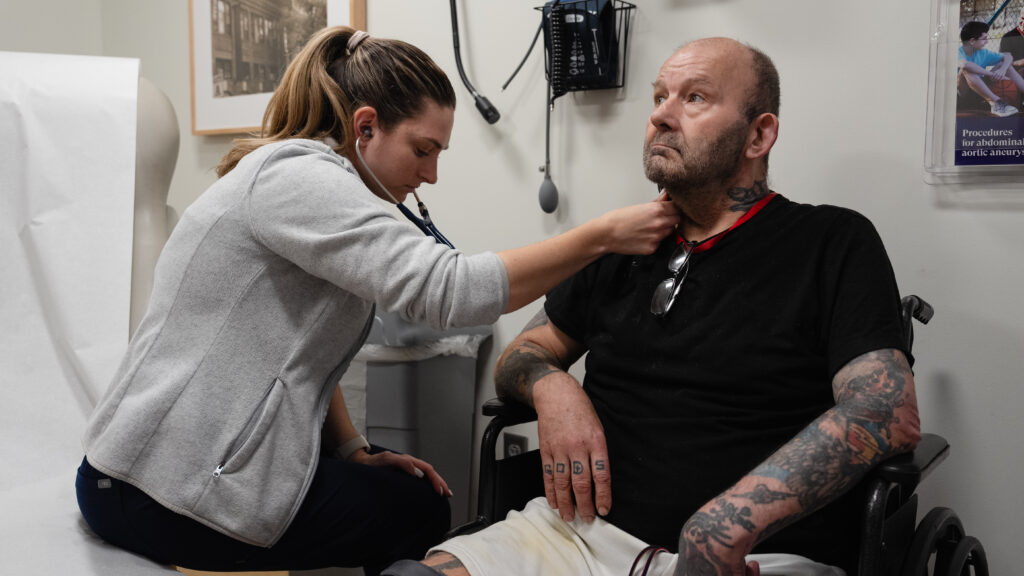
For the estimated 1.2 million Americans living with limb loss, transplants offer a renewed opportunity for function, independence, and quality of life. Why then are fewer than four VCA transplants performed across the U.S. annually?
Vascularized Composite Allograft (VCA) transplantation is a complex procedure that requires highly specialized surgical teams to preserve and reconnect multiple types of tissue including skin, muscle, bone, blood vessels, and nerves. Similar to other types of transplants, recipients must take lifelong immunosuppressant medication to prevent their body from rejecting the transplant. However, the complexity of this multi–tissue procedure makes it more difficult for surgeons to preserve and accurately assess the viability of the tissue to predict acceptance.
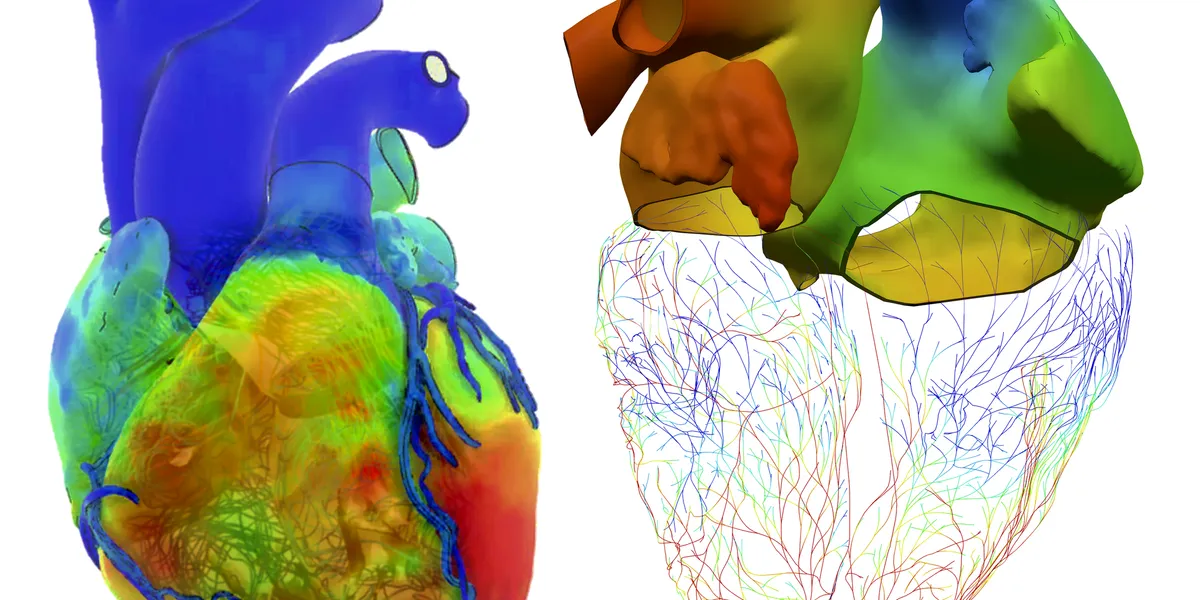
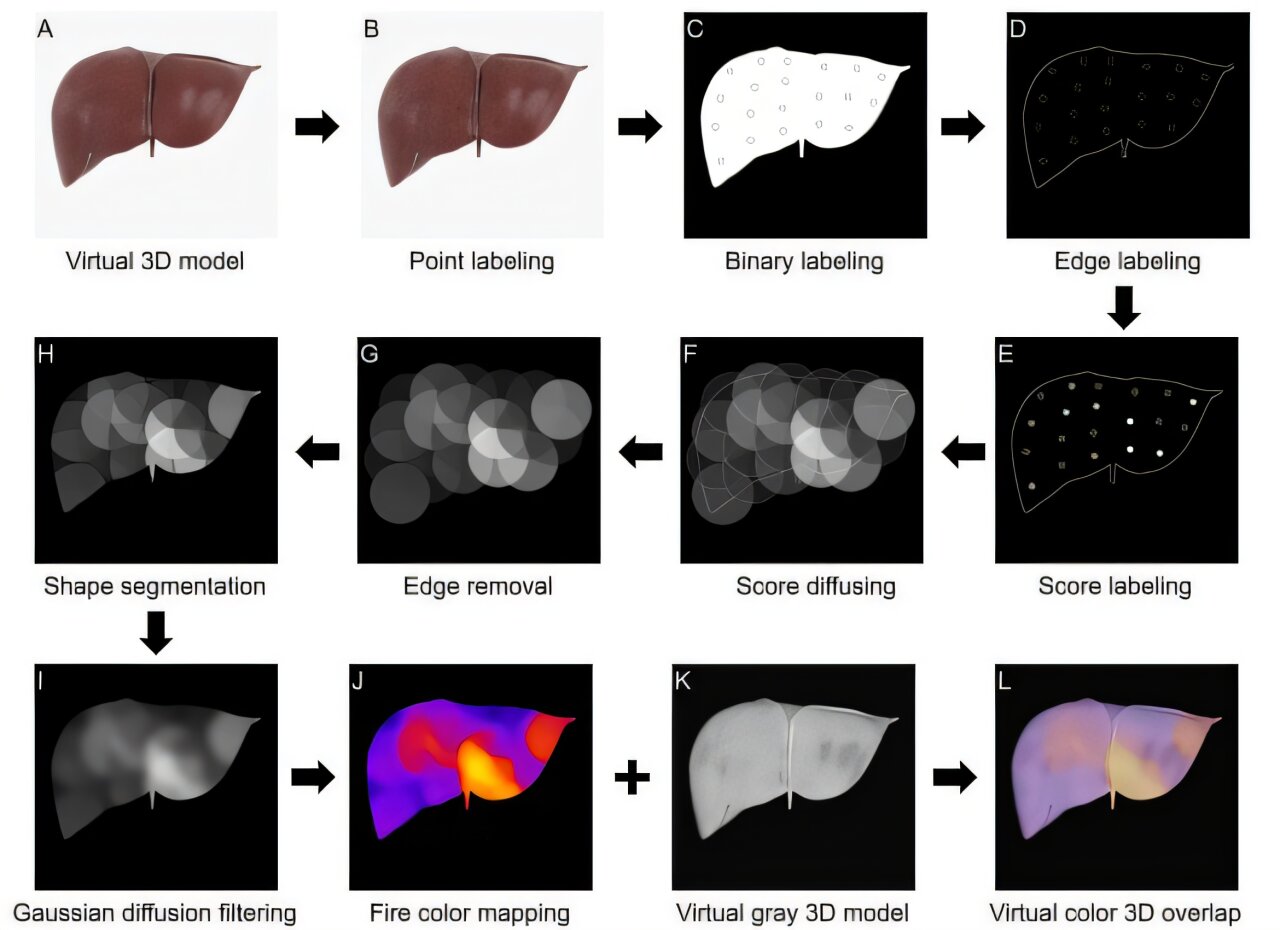
With the goal of making transplants more accessible and better matched, Jessica Zhang, professor of mechanical engineering at is leveraging AI to assist autonomous monitoring and keep donor limbs alive outside of the body.
In collaboration with the originating PI John Brassil at Functional Circulation LLC, Dr. Byoung Chol Oh at Johns Hopkins School of Medicine and Dr. Xiangliang Zhang at University of Notre Dame, Zhang’s team will use normothermic machine perfusion (NMP), a process that pumps donor limbs with warm, blood-like fluid to keep them alive by simulating conditions inside the body. Unlike cold storage, which can only preserve an organ for four to six hours, NMP has the potential to extend that timeline. However, NMP alone cannot capture the complexity of real, physiologic life.