During labor and delivery, clinicians rely largely on a single signal, the fetal heart rate, to assess whether a baby is in distress. While changes in heart rate can indicate potential problems, they do not directly reveal whether a fetus is receiving enough oxygen, a critical factor in healthy development. Despite decades of medical innovation, this limitation has remained largely unchanged since fetal heart rate monitoring became standard practice in the 1970s.
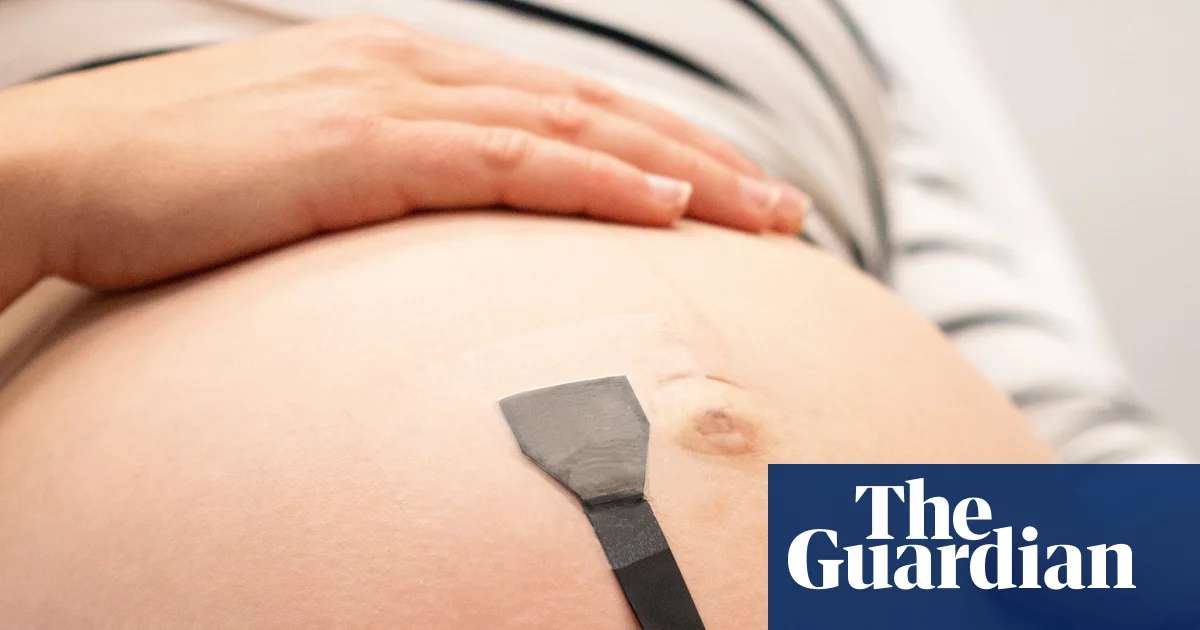
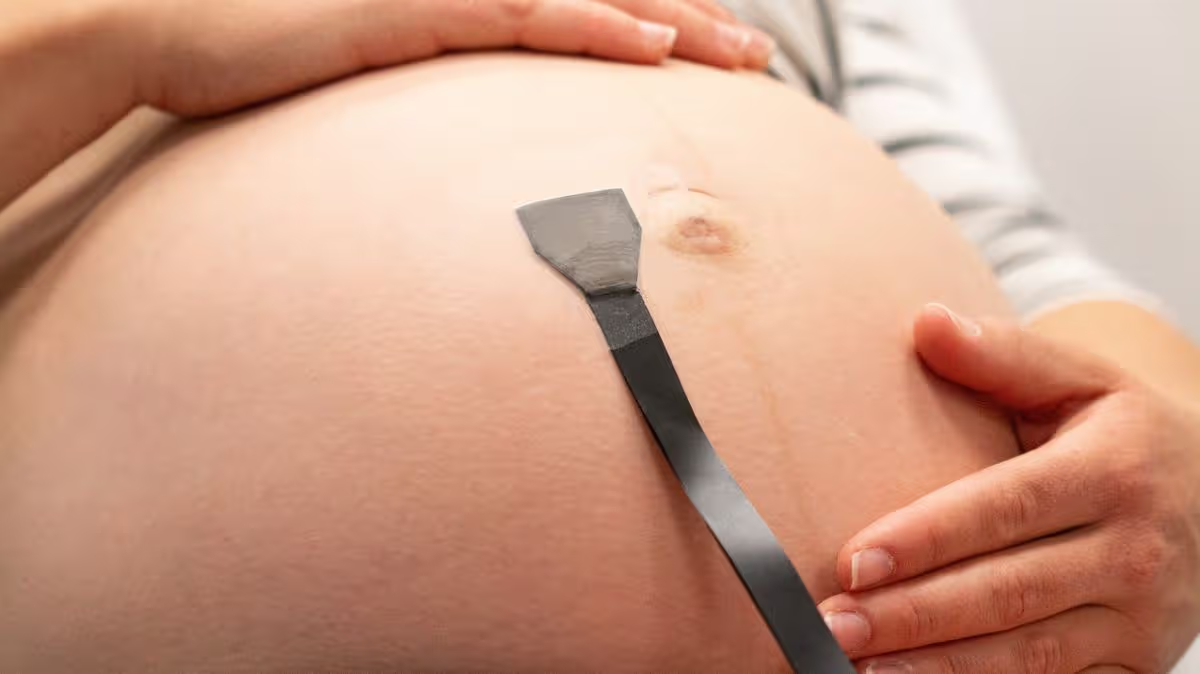
Biomedical engineers at Carnegie Mellon University are working to address this gap. In a paper recently published in Journal of Physics: Photonics, CMU researchers, in collaboration with Raydiant Oximetry, outline a foundational optical framework designed to noninvasively estimate fetal oxygen saturation through the mother’s abdomen. This advance could eventually provide clinicians with a more complete picture of fetal well-being during labor.
“This work is a meaningful first step toward giving clinicians a more direct window into fetal oxygenation during labor, but further validation and development are still needed,” shared Jingyi Wu, former biomedical engineering Ph.D. student and the study’s first author.
\
Measuring oxygen in the blood is routine in modern medicine. Pulse oximeters, small devices that clip onto a finger, use light to estimate how much oxygen the blood is carrying, and billions of such measurements are taken every day. But applying this technology to a fetus is far more complex.