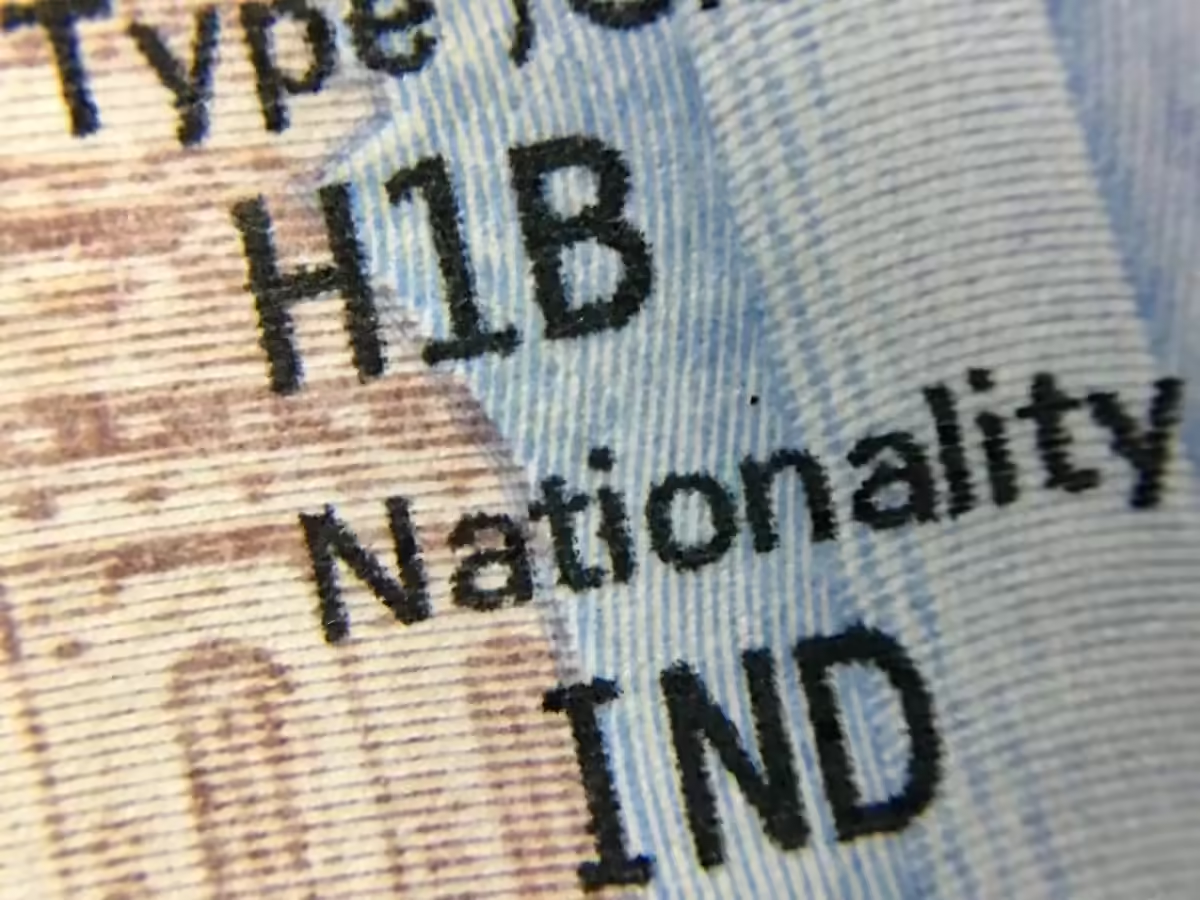
SynopsisUSCIS H-1B visa selections reveal a shift towards applicants with advanced degrees and higher salaries. This follows recent policy changes to the selection process. The agency reports a significant increase in selected applicants holding US master's degrees or higher. Low-wage filings have decreased substantially. The new system prioritizes higher-skilled workers and higher wage levels.AgenciesThe US Citizenship and Immigration Services (USCIS) said this year’s H-1B visa season has seen a higher share of selected applicants with advanced degrees and higher salaries, following changes introduced to the selection process. In a statement, USCIS said 71.5% of selected applicants hold a US master’s degree or higher, up from 57% last year. The agency also said only 17.7% of selected registrations fell in the lowest wage category. USCIS said the number of properly submitted registrations dropped 38.5%, from 343,981 in fiscal year 2026 to 211,600 in fiscal year 2027. The agency linked the changes to new policies aimed at reducing low-wage filings and giving preference to higher-skilled applicants.Also Read| A missing signature may cost H-1B, US visa applicants their filing window Earlier this year, USCIS introduced a wage-based weighted selection system for the H-1B programme, replacing the earlier random lottery method. Under the new process, applicants with higher wage levels receive greater weight during selections. USCIS had also announced that the initial FY2027 H-1B cap selection process was completed before opening petition filings from April 1, 2026, for selected beneficiaries. “This data is a clear sign that the days of abusing the program with mass, low-wage registrations are over,” USCIS said in the statement.Changes introduced in the H-1B programme Over the past year, USCIS introduced several changes to the H-1B visa process. The agency replaced the earlier random lottery system with a wage-based weighted selection process. Under the revised system, applications linked to higher wage levels receive greater preference during selection. USCIS also continued the beneficiary-centric registration model introduced earlier to prevent multiple registrations for the same applicant. Under this system, each beneficiary is entered into the selection process only once, even if multiple employers submit registrations. The registration fee for H-1B cap filings was also increased. USCIS raised the electronic registration fee from $10 to $215 per beneficiary as part of efforts to reduce non-serious or bulk filings. The agency also tightened scrutiny of low-wage applications and said the programme should prioritise highly skilled foreign workers while protecting wages and job opportunities for US workers. USCIS had earlier announced that the initial FY2027 H-1B cap selection process was completed before opening petition filings from April 1, 2026, for selected beneficiaries. (Join our ETNRI WhatsApp channel for all the latest updates)...moreElevate your knowledge and leadership skills at a cost cheaper than your daily tea.Subscribe Now
H-1B selections for FY27 show higher share of US master’s degree holders - The Economic Times
USCIS H-1B visa selections reveal a shift towards applicants with advanced degrees and higher salaries. This follows recent policy changes to the selection process. The agency reports a significant increase in selected applicants holding US master's degrees or higher. Low-wage filings have decreased substantially. The new system prioritizes higher-skilled workers and higher wage levels.
451 words~2 min read