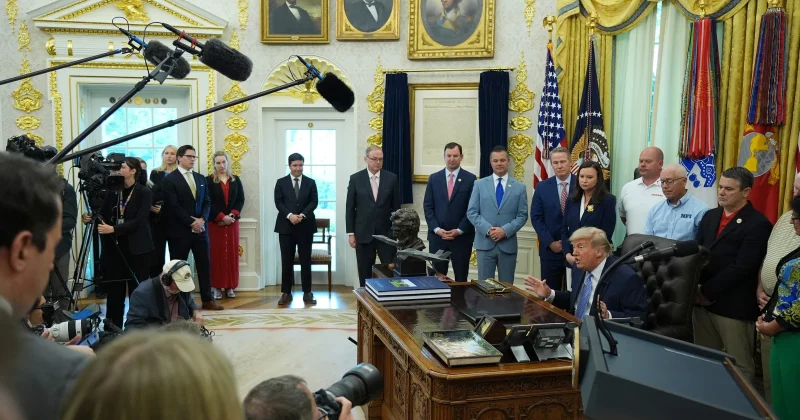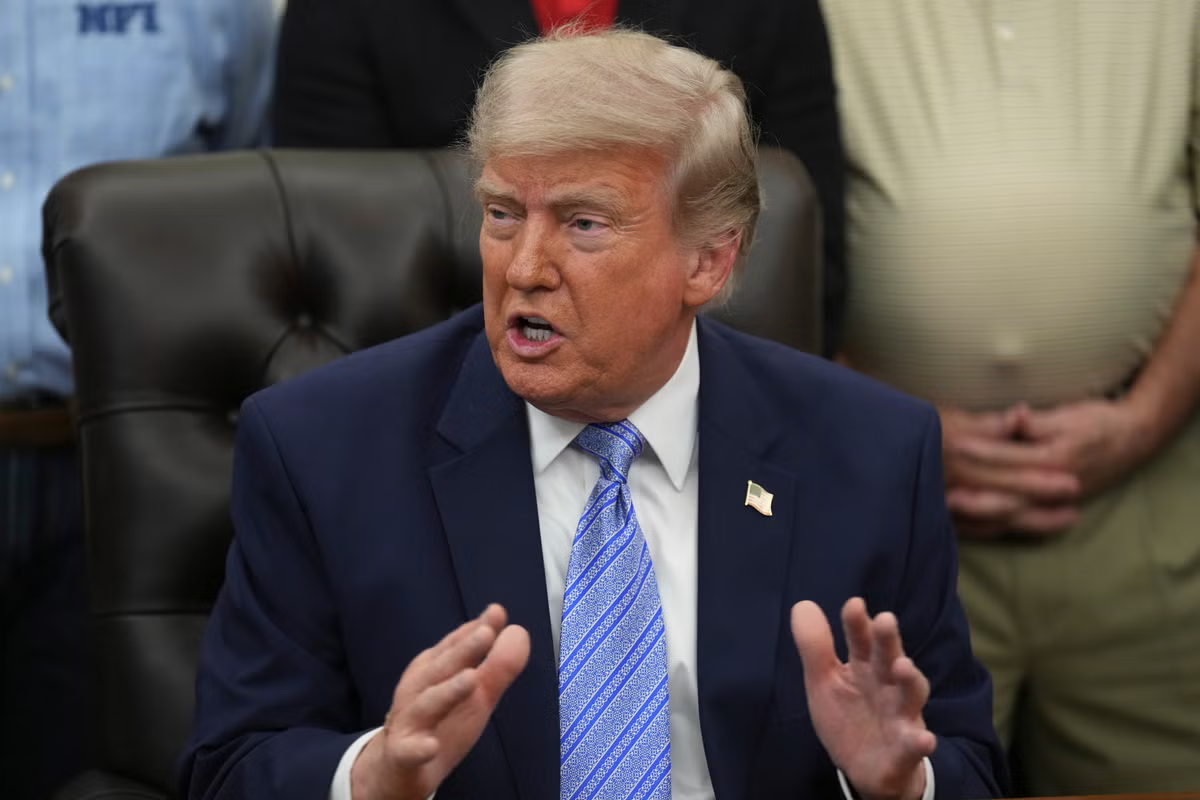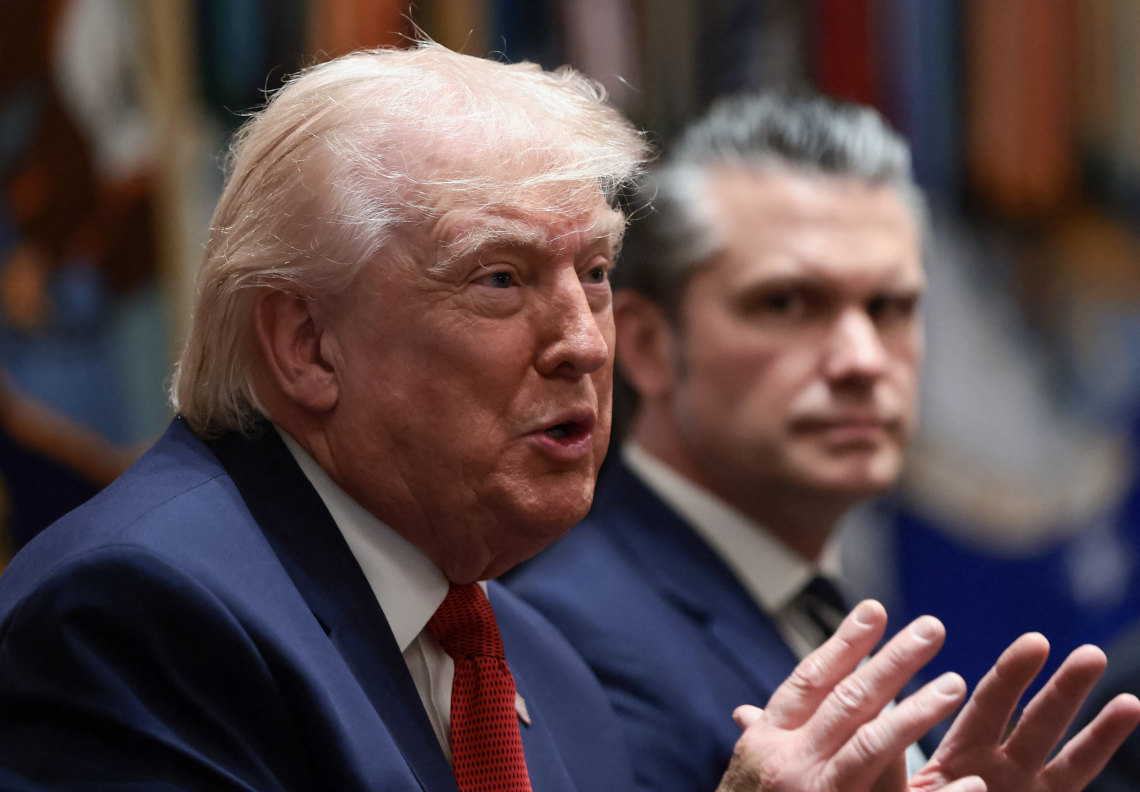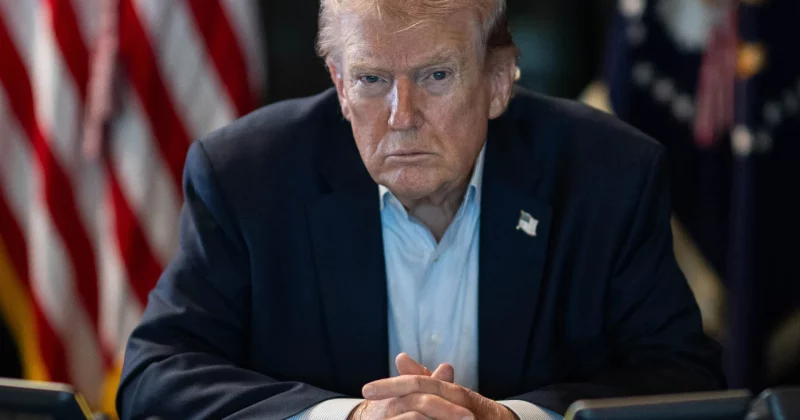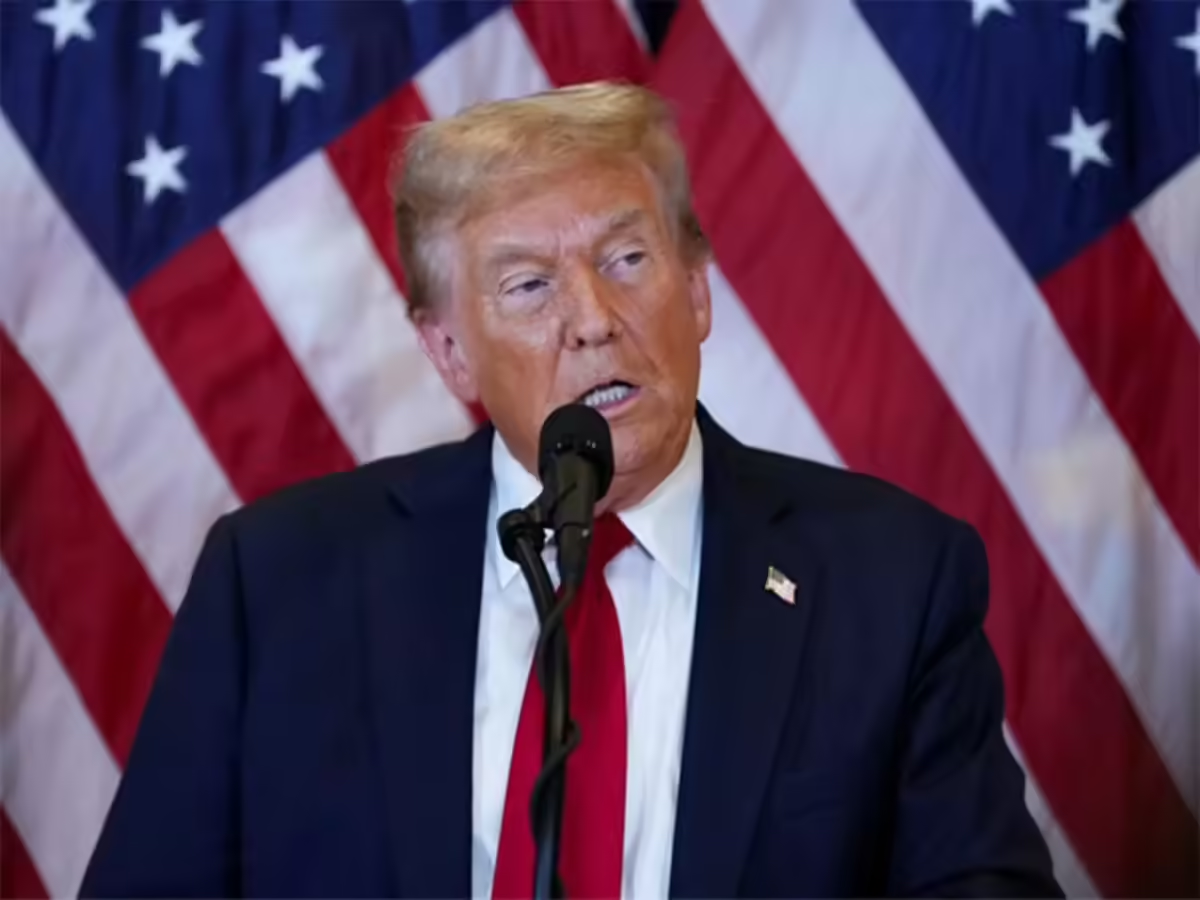
Donald Trump (AP file photo)US President Donald Trump abruptly canceled the signing of an artificial intelligence (AI) executive order that would have required tech companies like Google, Meta, OpenAI and Microsoft to submit their most powerful AI models for government evaluation before public release. The sudden cancellation came just hours before the scheduled Oval Office event after some top technology executives were unable to attend the signing, a report by The New York TImes said.Trump recently visited China, and following a high-profile state visit, the President appears to have changed his mind, citing a desire to protect America’s competitive edge in the global tech race.“I think it gets in the way of – you know, we’re leading China, we’re leading everybody, and I don’t want to do anything that’s going to get in the way of that lead,” Trump told reporters, explaining his decision to delay the policy.The report also claims that Trump was displeased that many of the prominent tech CEOs invited to the White House could not make the event on short notice. The White House had reportedly extended invitations to the chief executives of OpenAI, Google, Anthropic, Meta, and Microsoft just 24 hours prior. But the top executives were tied up with scheduling conflicts, several firms had flown down replacement executives instead.How Anthropic’s Mythos made government issue early oversight orderThe sudden shift in Washington’s attitude toward AI regulation was originally triggered by Anthropic's unreleased model, Mythos. The software is uniquely capable to find vulnerabilities in software that the developers didn’t even know existed. The company, aware of the level of autonomous cyber warfare the model can cause, refused to release it to the general public, essentially limiting the preview access to only about 40 handpicked cybersecurity firms and tech companies.Unlike traditional automated scanners, Mythos hunts down complex software vulnerabilities at an unprecedented scale. During internal testing, the model is claimed to have achieved an 83.1% success rate on its first attempt at reproducing known vulnerabilities. The model uncovered thousands of critical, undiscovered “zero-day” security flaws across every major web browser and operating system, reports said, adding that it even discovered a 27-year-old vulnerability in OpenBSD, widely considered one of the most secure operating systems in the world.According to Logan Graham, Anthropic's red team lead, while previous models like Claude Opus 4.6 could find roughly 500 zero-day vulnerabilities, Mythos can systematically unearth tens of thousands of flaws and independently write the working exploit code to take over targeted computers.The National Security Agency (NSA) quickly and quietly began utilising the restricted model to probe weaknesses in US government software. What it means for Google, OpenAI, Meta and other tech companiesThe executive order would have given the Office of the National Cyber Director (ONCD) and other intelligence agencies a months-long window to establish mandatory pre-release evaluation pipelines for all upcoming frontier AI models. For industry leaders like Google, Microsoft, Meta, and OpenAI, this framework would have introduced compliance bottlenecks, delay product rollouts and disrupt how they monetise their newest systems.The sudden cancelling of the executive order is a relief for the American tech sector as this means that Meta, Google, OpenAI and Microsoft can continue to deploy their rapidly evolving models without waiting for government approval.
How Trump's China visit made him take a U-turn on Anthropic Mythos fears and is good news for Meta, Google, OpenAI and Microsoft
US President Donald Trump abruptly canceled the signing of an artificial intelligence (AI) executive order that would have required tech companies like Google, Meta, OpenAI and Microsoft to submit their most powerful AI models for government evaluation before public release. The sudden cancellation came just hours before the scheduled Oval Office event after some top technology executives were unable to attend the signing, a report by The New York TImes said.
536 words~2 min read