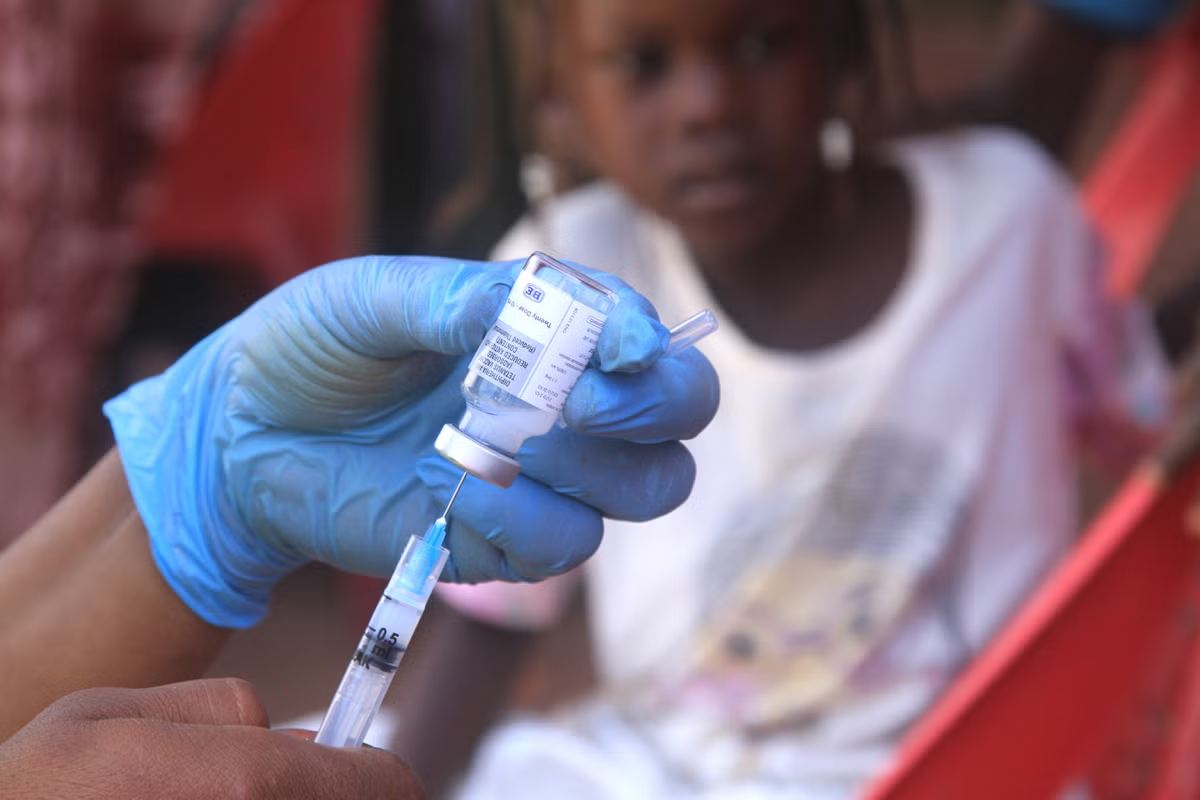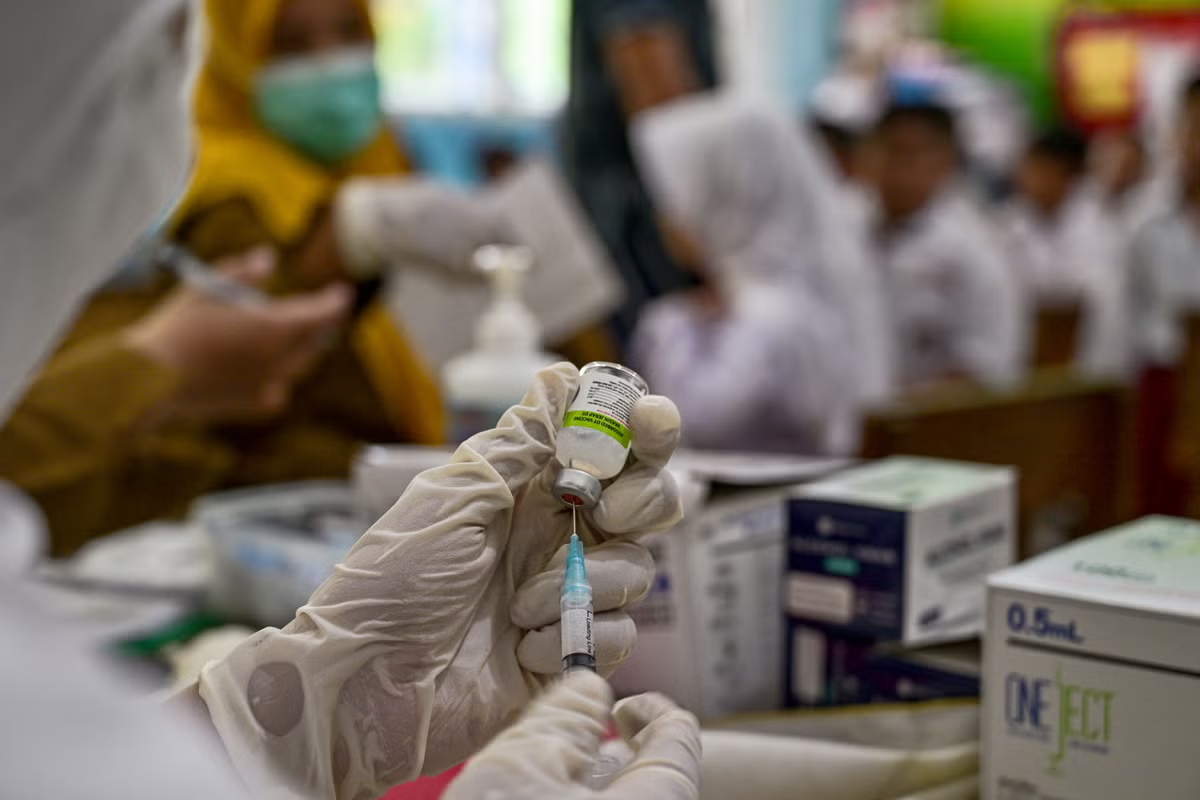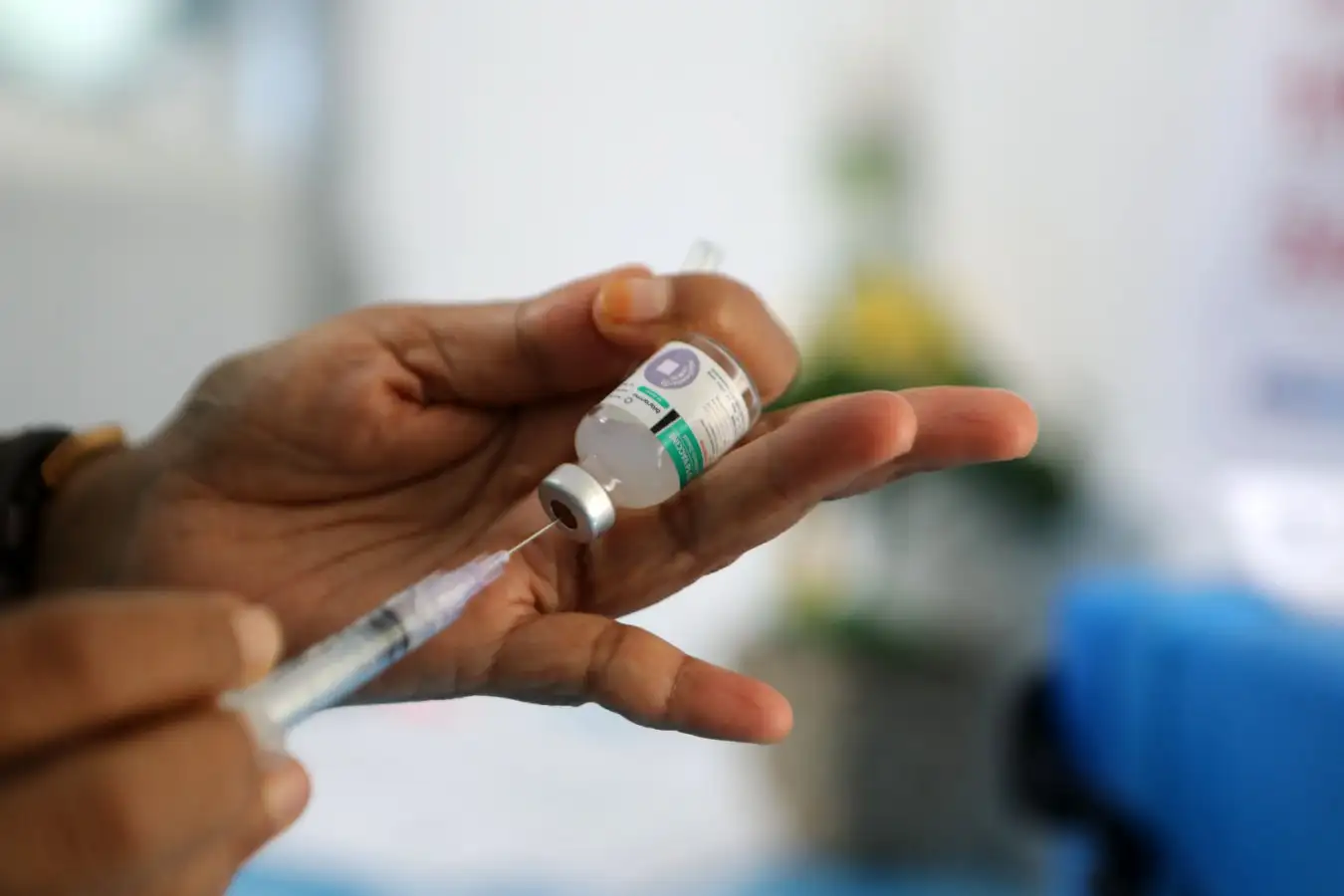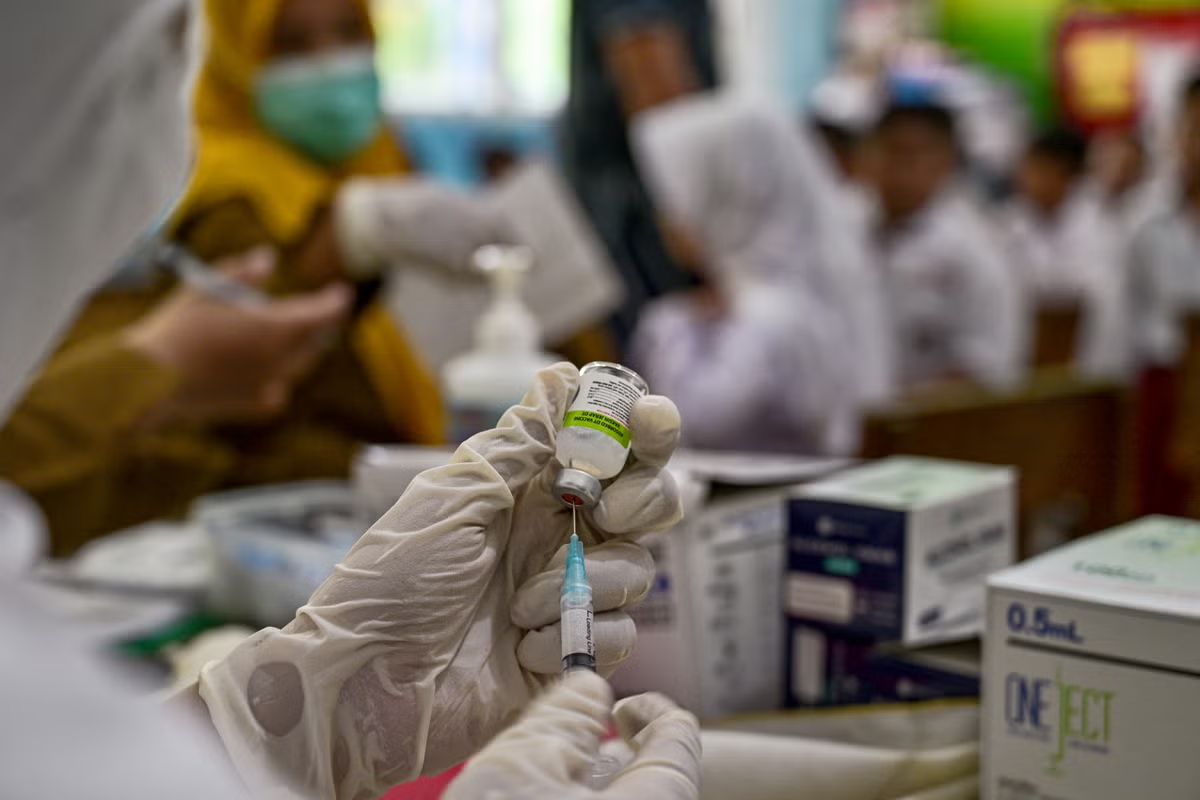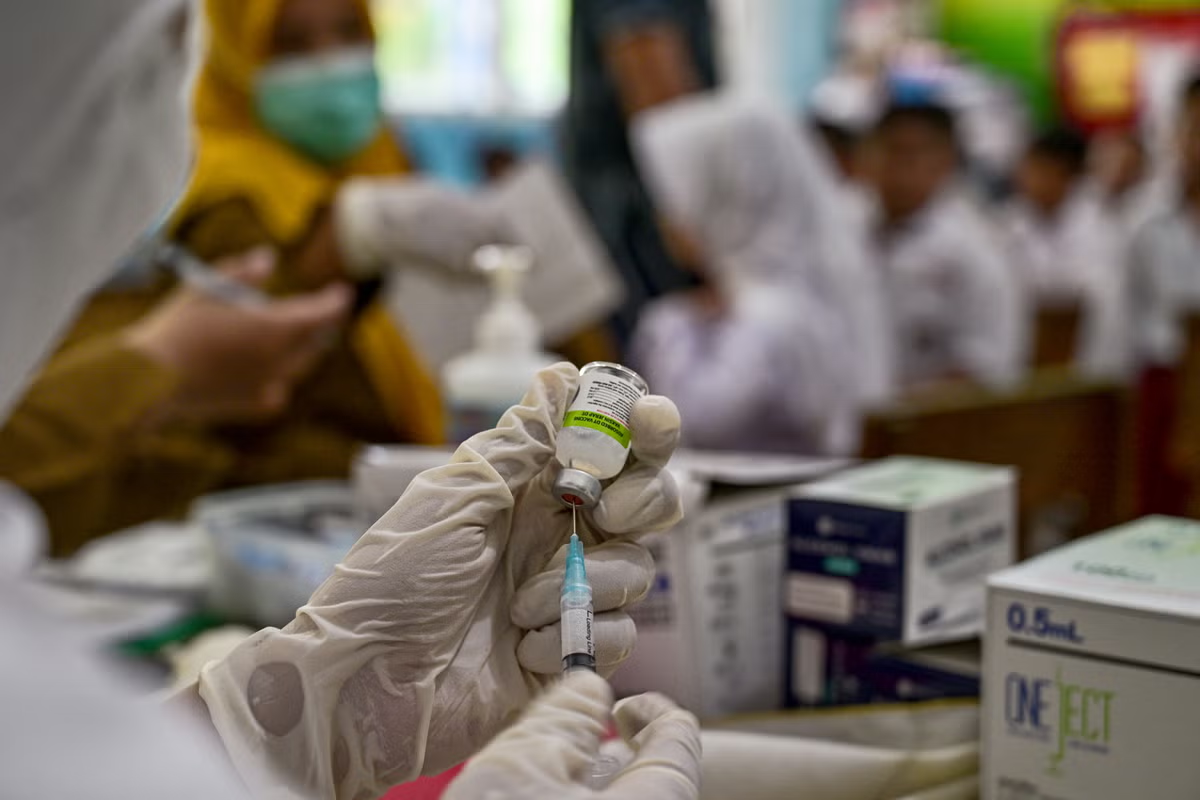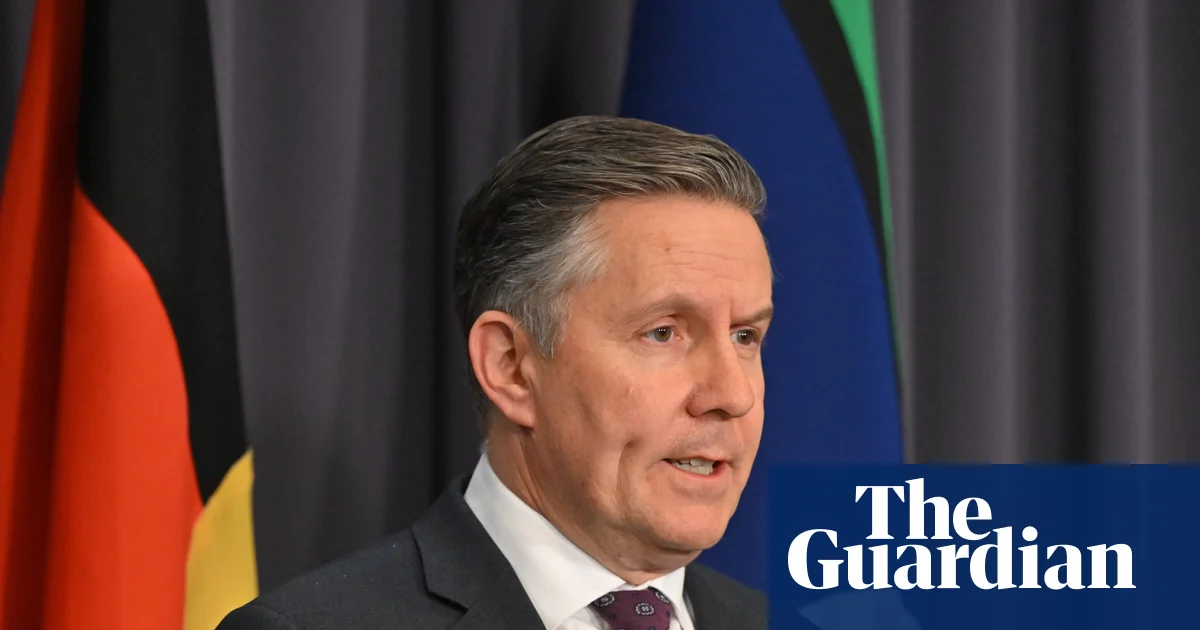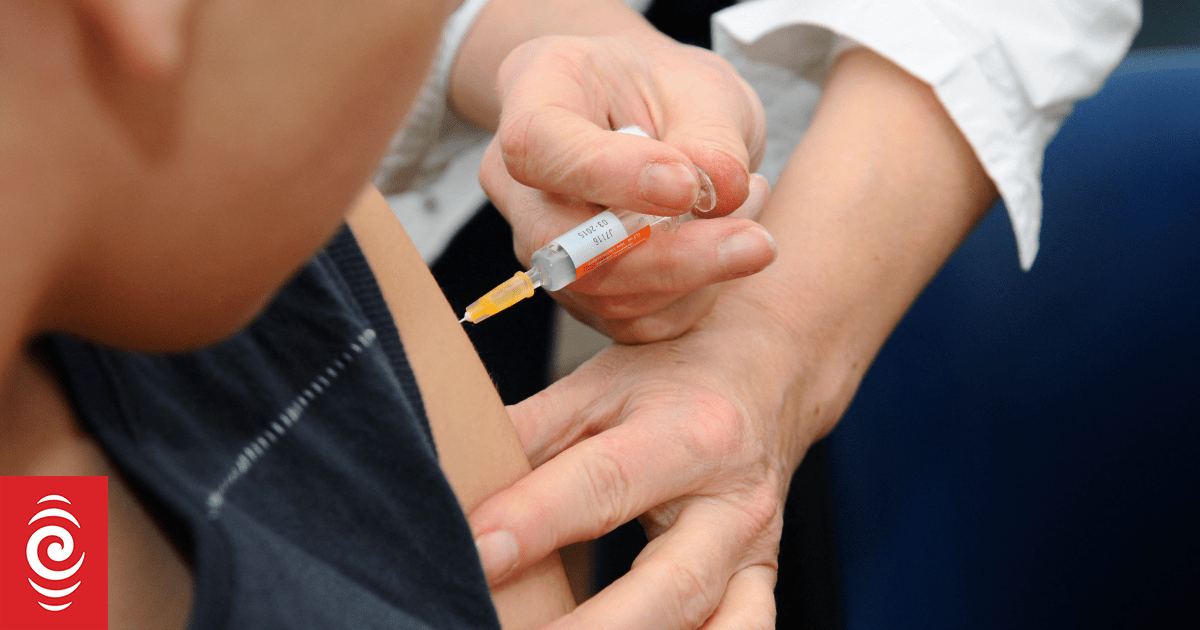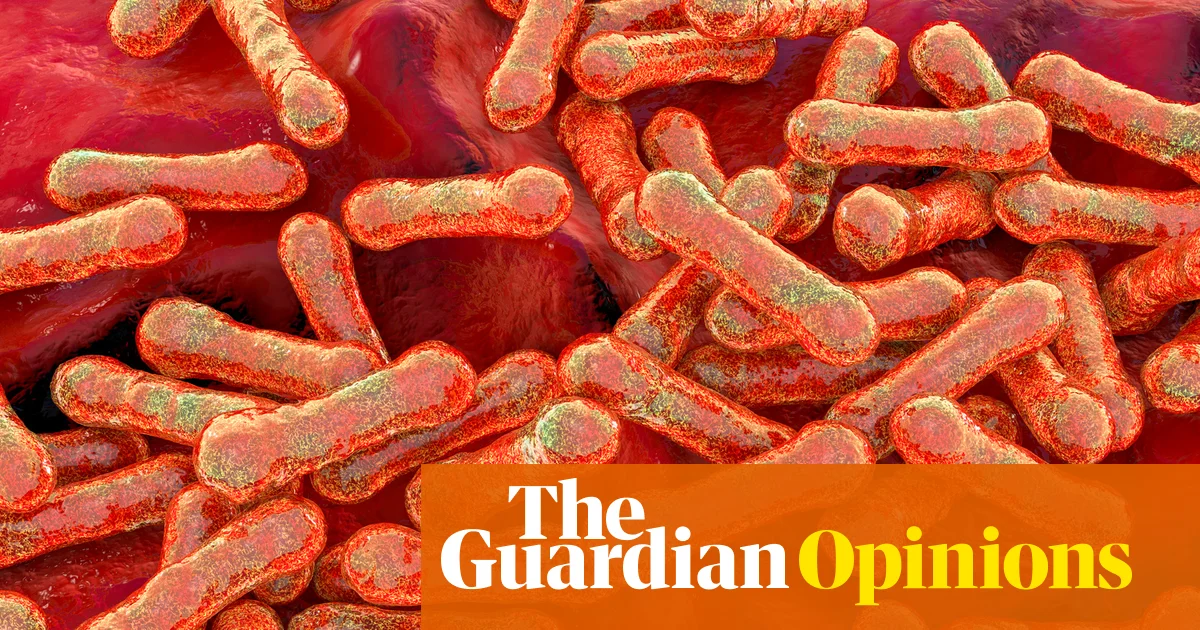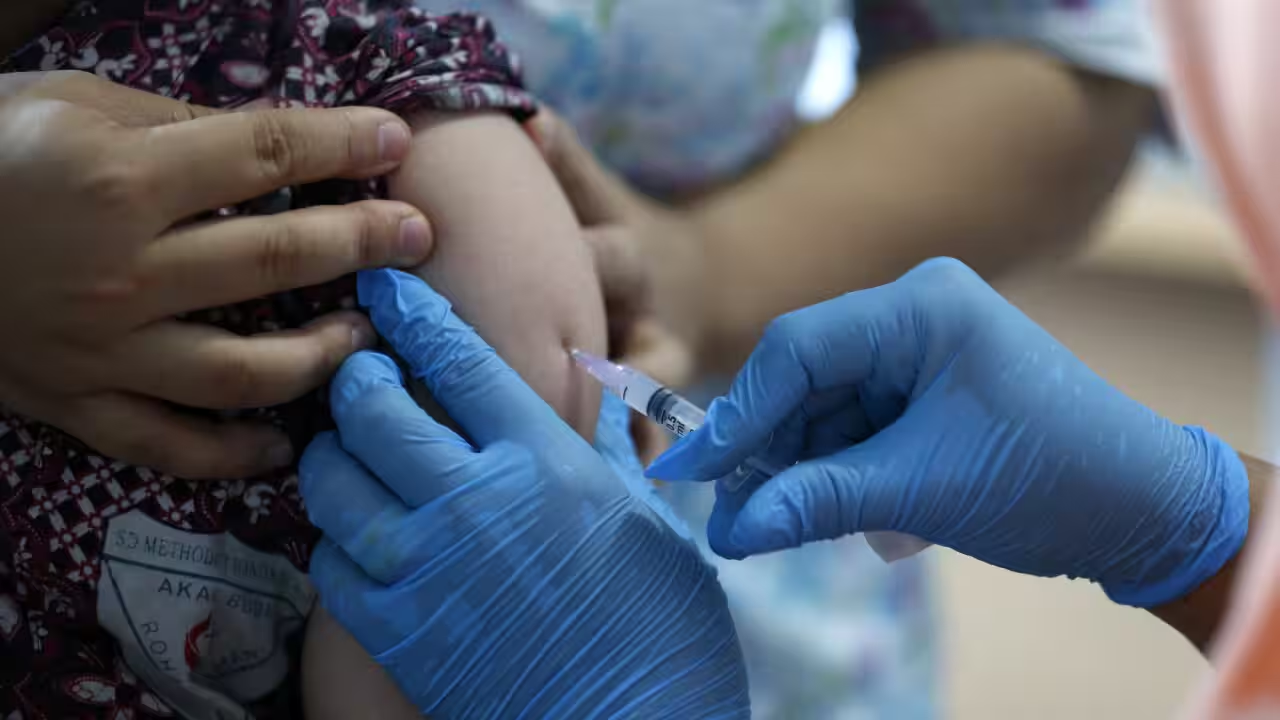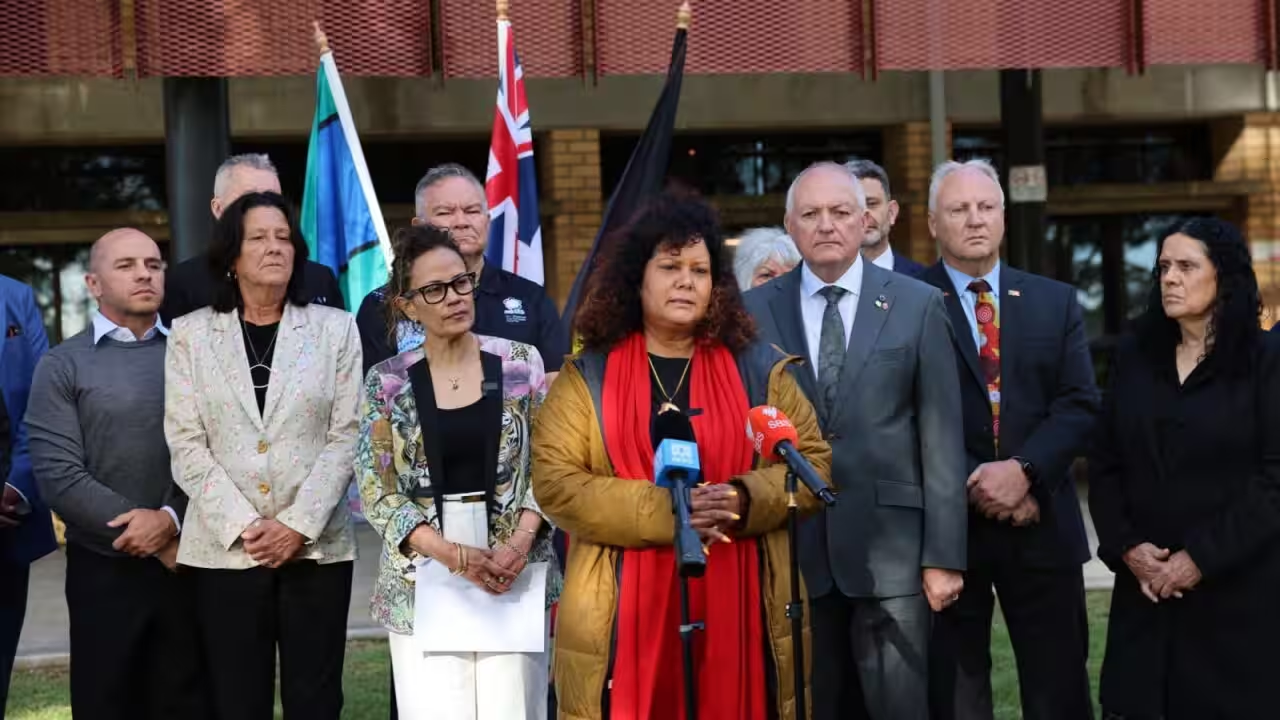
Australia's worst diphtheria outbreak in decades has been key to discussions at a meeting of Indigenous affairs ministers and leading First Nations organisations in Sydney.Once considered virtually eradicated, Australia is currently experiencing its worst-ever recorded outbreak of diphtheria. Meeting with the Joint Council on Closing the Gap, which brings together Indigenous affairs ministers from all jurisdictions and the Coalition of Peaks, Minister for Indigenous Australians Malarndirri McCarthy stressed the seriousness of the outbreak."This is about our whole country being aware that this is of national concern," Minister McCarthy said. 'Please get vaccinated'Around 230 cases have been reported this year, and investigations are underway into a possible diphtheria-related death. 60 per cent of cases are in remote parts of the Northern Territory but the outbreak is also spreading across Western Australia, South Australia and Queensland. Minister McCarthy, a senator for the Northern Territory, has urged people to get their vaccination or booster shot. "I just urge Australians everywhere, please get vaccinated," she said. "This is important that Australians take note and the more that we can get vaccinated the better."It follows a $7.2 million funding injection from the Federal Government for the Northern Territory Government and Aboriginal-controlled health organisations, to help curb outbreak. 'Important step' in supporting frontline services$5.2 million will go to the National Critical Care and Trauma Response Centre to provide a surge workforce to administer booster vaccinations and treatments, and to procure additional vaccines and antibiotics.The remaining $2 million will be spent on culturally safe communications through Aboriginal Community Controlled Health Organisations and the Aboriginal Medical Services Alliance Northern Territory (AMSANT). AMSANT CEO Donna Ah Chee welcomed the funding and said the package is an important step in supporting frontline health services. “This additional support will help services continue vaccination, contact tracing and community outreach efforts at a time when many clinics, particularly those in remote areas, are already under significant pressure,” Ms Ah Chee said. Access to services and overcrowded housing, key drivers of spreadMs Ah Chee said while improving immunisation rates is key, limited access to services and overcrowded housing in remote communities poses additional challenges in containing the infection. “Vaccination works, but access can be much more complicated in remote communities,” she said.“We know overcrowded housing and limited access to services can increase the spread of infectious diseases in remote communities and affect how quickly vaccines can reach people."That’s why long-term investment in housing, a strong workforce and community-controlled primary healthcare remains so important.”What is diphtheria and how can you get vaccinated?Diphtheria is a serious bacterial infection that spreads through respiratory droplets or direct contact with infected skin sores. While it can be severe, early treatment is effective, and vaccination remains the best protection against serious illness.Vaccination is free under the National Immunisation Program for people under 20 years of age, and children are routinely vaccinated against diphtheria at 6 weeks, 4 months, 6 months, 18 months, 4 years and 12 years.Parents should check their child’s vaccination status with their health care provider to make sure they are up to date. Adults should get a booster dose every 10 years with First Nations people and frontline workers every 5 years.The vaccine is available at local GP clinics, Aboriginal health clinics, remote community clinics, community care centres, and participating pharmacies.In the Northern Territory, pop up clinics have also been established in Alice Springs, Darwin, Palmerston and Katherine.
'Please get vaccinated': Indigenous leaders' urgent plea amid worst-ever recorded diphtheria outbreak
The ongoing spread of diphtheria in remote parts of Australia is a key priority at this year's first meeting of the Joint Council on Closing the Gap.
561 words~3 min read