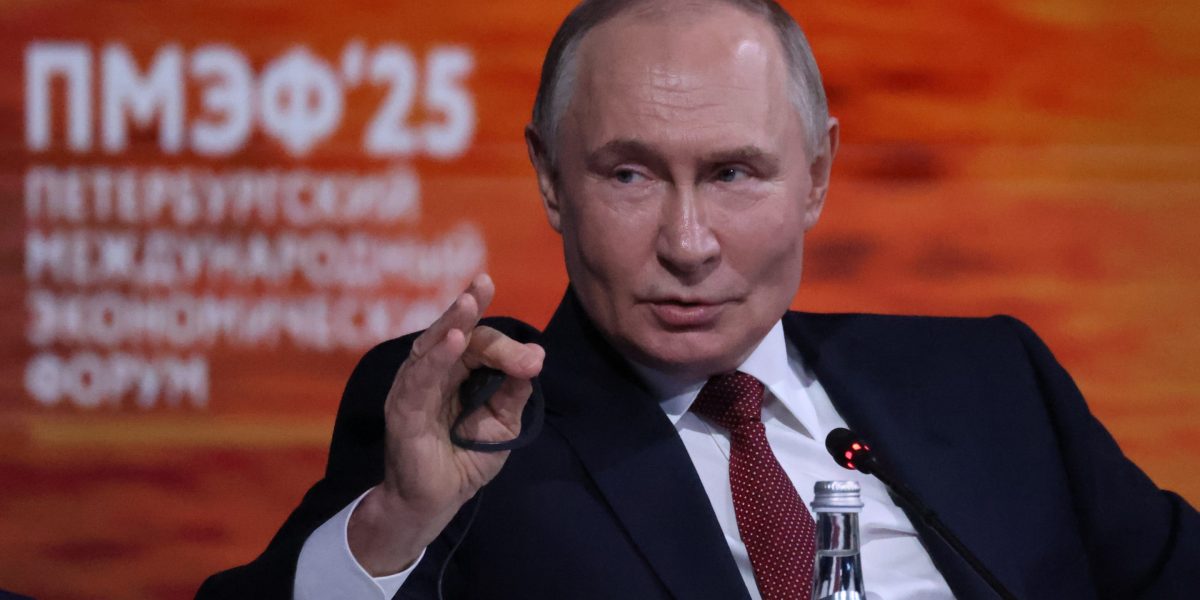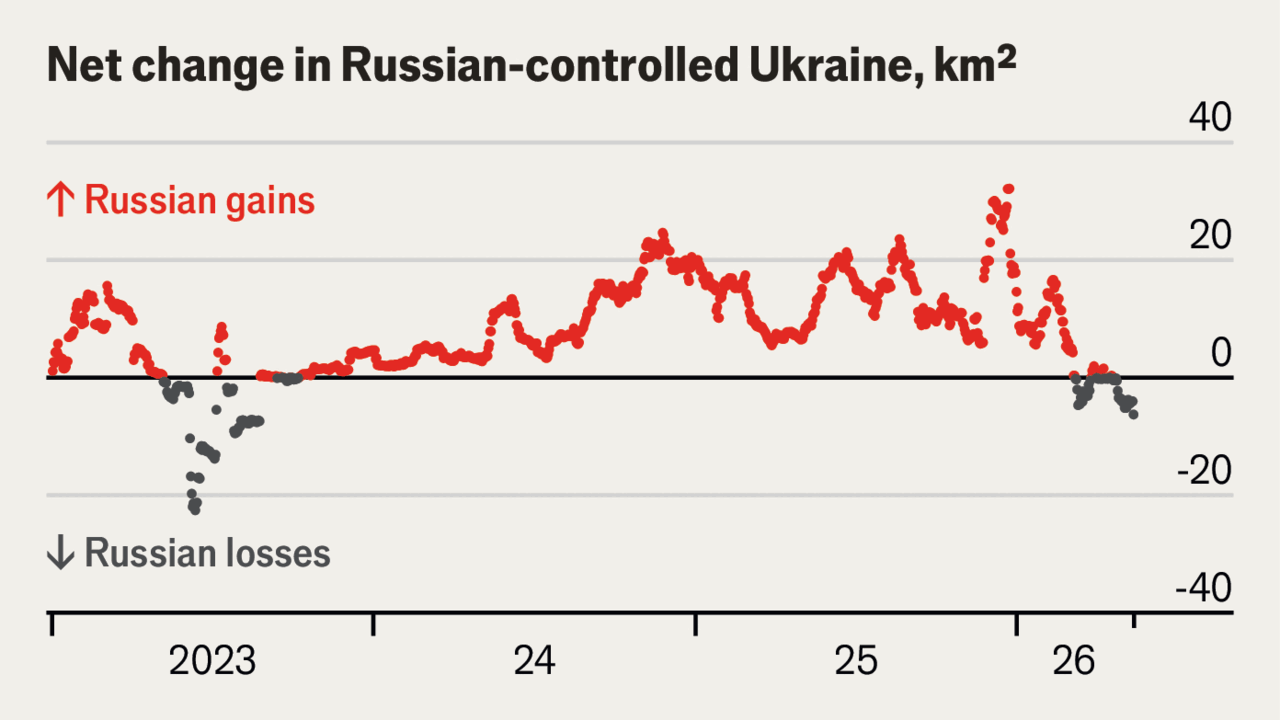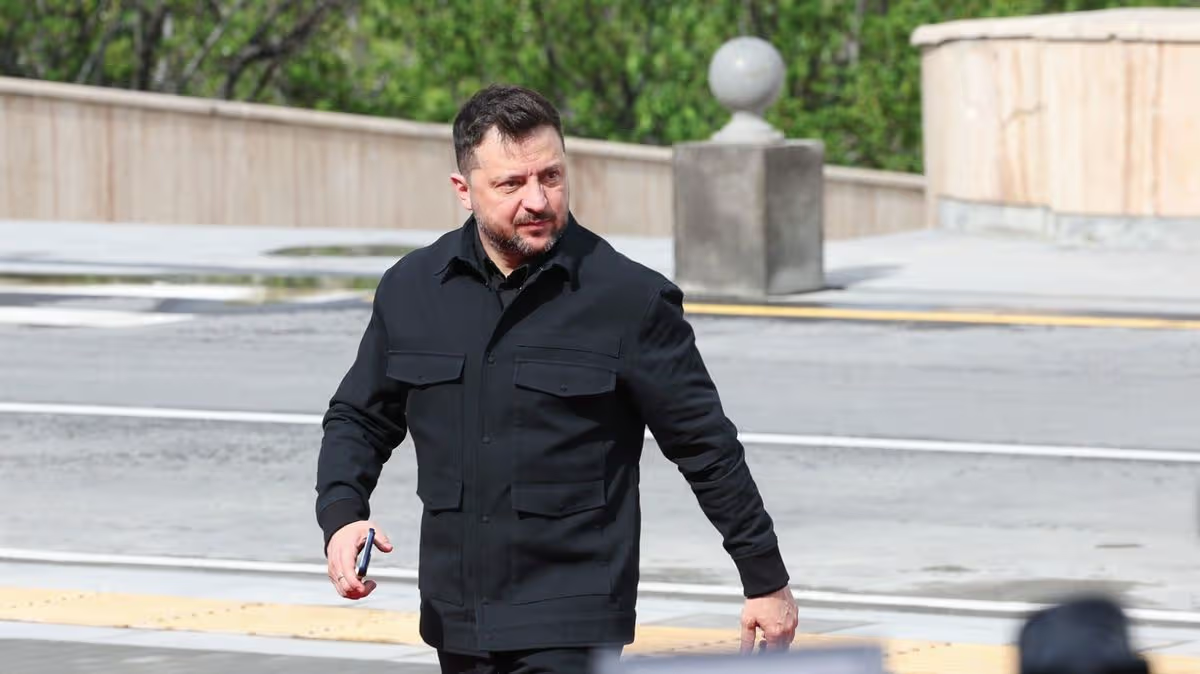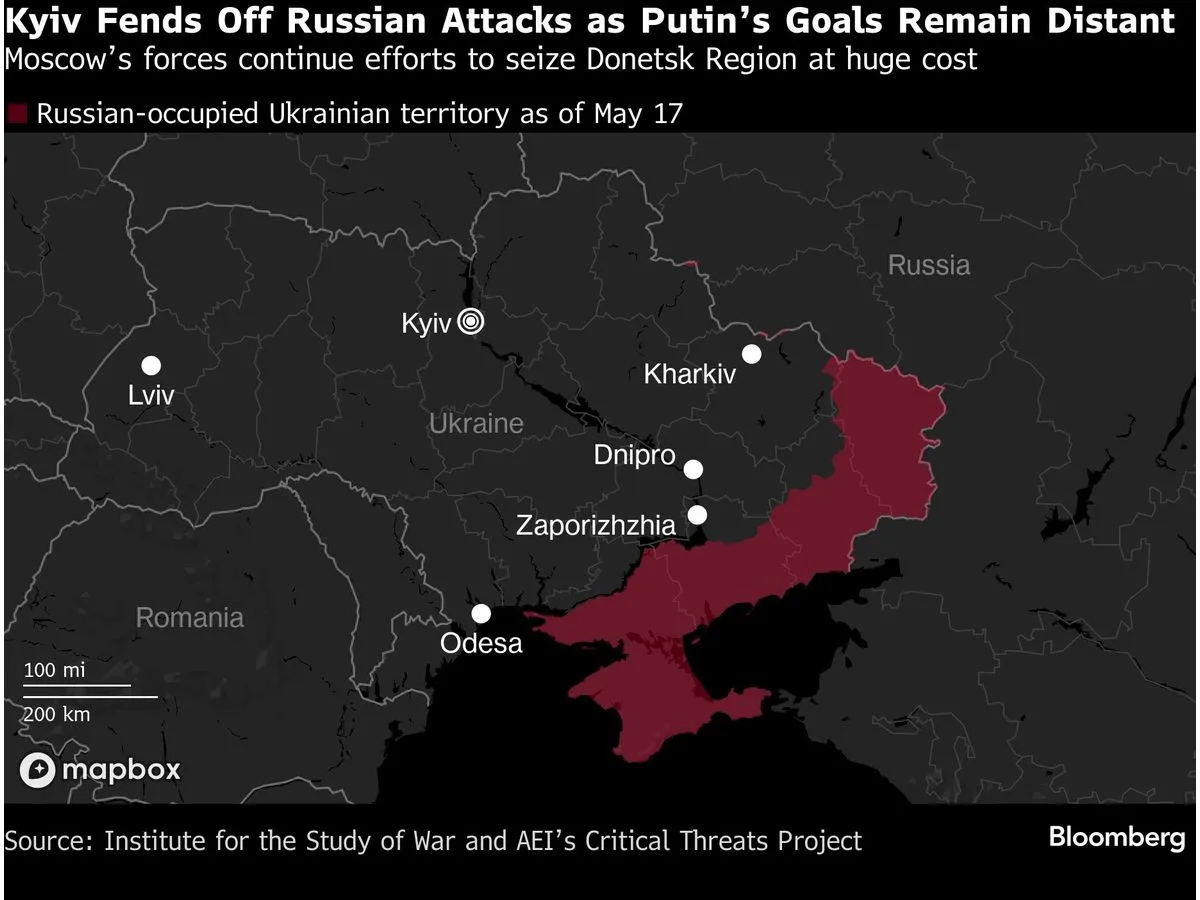
Skip to Content News Archives Economy Energy Oil & Gas Renewables Electric Vehicles Mining Commodities Agriculture Real Estate Mortgages Mortgage Rates Finance Banking Insurance Fintech Cryptocurrency Work Wealth Smart Money Wealth Management Investor Personal Finance Family Finance Retirement Taxes High Net Worth FP Comment Executive Women Puzzmo Newsletters Financial Times Business Essentials More Innovation Information Technology FP500 Podcasts Small Business Lives Told Tails Told Shopping Financial Post Store Obituaries Place a Notice Advertising Advertising With Us Advertising Solutions Postmedia Ad Manager Sponsorship Requests Classifieds Place a Classifieds ad Working Profile Settings My Subscriptions Saved Articles My Offers Newsletters Customer Service FAQ News Economy Energy Mining Real Estate Finance Work Wealth Investor FP Comment Executive Women Puzzmo Newsletters Financial Times Business Essentials HomePMN BusinessUkraine and Allies Grow Confident Russia's Invasion Losing SteamUkraine and its allies are increasingly confident that Russia’s invasion is running out of steam as Kyiv stabilizes the front line and stalls a spring offensive by Moscow.Author of the article: You can save this article by registering for free here. Or sign-in if you have an account.rgjyiqa)caqodo99mi6sbg]h_media_dl_1.png Institute for the Study of War a(Bloomberg) — Ukraine and its allies are increasingly confident that Russia’s invasion is running out of steam as Kyiv stabilizes the front line and stalls a spring offensive by Moscow.Subscribe now to read the latest news in your city and across Canada.Exclusive articles from Barbara Shecter, Joe O'Connor, Gabriel Friedman, and others.Daily content from Financial Times, the world's leading global business publication.Unlimited online access to read articles from Financial Post, National Post and 15 news sites across Canada with one account.National Post ePaper, an electronic replica of the print edition to view on any device, share and comment on.Daily puzzles, including the New York Times Crossword.Subscribe now to read the latest news in your city and across Canada.Exclusive articles from Barbara Shecter, Joe O'Connor, Gabriel Friedman and others.Daily content from Financial Times, the world's leading global business publication.Unlimited online access to read articles from Financial Post, National Post and 15 news sites across Canada with one account.National Post ePaper, an electronic replica of the print edition to view on any device, share and comment on.Daily puzzles, including the New York Times Crossword.Create an account or sign in to continue with your reading experience.Access articles from across Canada with one account.Share your thoughts and join the conversation in the comments.Enjoy additional articles per month.Get email updates from your favourite authors.Create an account or sign in to continue with your reading experience.Access articles from across Canada with one accountShare your thoughts and join the conversation in the commentsEnjoy additional articles per monthGet email updates from your favourite authorsSign In or Create an AccountorUkraine’s growing effectiveness at deploying drones to inflict heavy Russian troop losses is being matched by strikes behind the front lines and deep inside Russia that are stoking increasing domestic criticism of President Vladimir Putin. Alongside an economic slowdown and restrictions on the internet, that’s leading to a deepening war fatigue among ordinary Russians.The nervous mood is shared by many in Russia’s elite, with some senior Kremlin officials believing the conflict has reached a dead end with no clear way to resolve it, people familiar with situation said.Get the latest headlines, breaking news and columns.By signing up you consent to receive the above newsletter from Postmedia Network Inc.A welcome email is on its way. If you don't see it, please check your junk folder.The next issue of Top Stories will soon be in your inbox.We encountered an issue signing you up. Please try againPutin wants to conclude the war by the end of this year, but only on what he sees as victorious terms, including full control over the eastern Ukrainian Donbas region that his forces have failed to capture for more than a decade, according to one of the people, while also seeking a broader security agreement with Europe that would effectively acknowledge Moscow’s territorial gains.Kremlin spokesman Dmitry Peskov denied that Putin had set any such deadline.Ukraine on Thursday announced a major security buildup in the north of the country after President Volodymyr Zelenskyy warned about the risk of a potential Russian offensive from Bryansk region and Belarus, mirroring a failed attempt to seize Kyiv in the first weeks of the full-scale invasion.Even as Ukraine is bracing for an additional Russian push this summer, warning that the Kremlin could resort to another unpopular conscription campaign to bolster the offensive, its forces have mostly held the line since fighting picked up after a winter lull. They stabilized much of the front by mid-May, according to data from DeepState, a conflict mapping service that cooperates with Ukraine’s Defense Ministry.Kyiv has also significantly improved its casualty ratio to roughly one Ukrainian soldier for every five Russian troops, Finnish President Alexander Stubb said last month. US Secretary of State Marco Rubio repeated that assessment in a Fox News interview May 13, saying Ukraine now had Europe’s “most powerful armed forces.”Drones deployed in growing numbers by Ukraine have become a game changer in the war, helping to offset a manpower disadvantage that’s dogged Kyiv since Russia’s full-scale invasion began more than four years ago.Still, Kyiv has also failed to achieve its strategic goals, neither reclaiming most of the territory Russia is occupying nor moving closer to an acceptable peace deal in US-led negotiations that are currently stalled.Defense Minister Mykhailo Fedorov told reporters earlier this week Ukraine has significantly “slowed the enemy’s advance and is gradually regaining the initiative.” About 35,203 Russian soldiers were killed or severely wounded in April and the goal is “to inflict at least 200 enemy losses for every square kilometer of advance,” he said. The figures couldn’t be independently verified. The minister has previously said that 50,000 Russian casualties a month would make the war unsustainable for Moscow.“Together with the President and the diplomatic team, we explain to our partners that Ukraine is doing its homework,” Fedorov told Bloomberg News. “What matters now is for our partners to do their part and help scale up what is already proving effective today.”Over the weekend, Kyiv launched one of its heaviest attacks on Moscow and the surrounding region since the start of the war, with many Russians now directly blaming Putin for bringing the conflict to their doorsteps. Russia has conducted massive recent drone and missile strikes in an attempt to break Ukrainian morale. The United Nations reported that the death toll among civilians rose last month to the highest since July 2025.Several European diplomats — speaking on condition of anonymity — said they regarded the mood in Russia as gloomy with the battlefield at a stalemate and Kyiv’s drone strikes taking the war to Moscow. Even so, Ukraine’s newfound confidence on the battlefield also faces mounting domestic challenges. The war-weary population is increasingly unwilling to join the army and broader conscription is also deeply unpopular. To address that, Fedorov is preparing reforms that will increase pay for soldiers — particularly much-needed infantry — and attract fresh recruits, as well as improve the efficiency of troop deployment and expand drone use.Though increasingly adept at intercepting drones, Ukraine’s air defenses continue to struggle against ballistic missiles that decimated its energy infrastructure during the brutally cold winter.Kyiv has repeatedly complained about growing difficulties in securing ammunition for US-made Patriot missile systems that have proved to be the only really effective weapon against ballistic missiles.“Russia is facing setbacks on the battlefield,” said Nigel Gould-Davies, senior fellow for Russia and Eurasia at the International Institute for Strategic Studies in London. “In order to sustain its war efforts in Ukraine, the Kremlin will almost certainly have to impose a second partial mobilization” within the next 12 months, he said.—With assistance from Alberto Nardelli, Chris Miller and Greg Sullivan. Join the Conversation This website uses cookies to personalize your content (including ads), and allows us to analyze our traffic. Read more about cookies here. By continuing to use our site, you agree to our Terms of Use and Privacy Policy.
Ukraine and Allies Grow Confident Russia's Invasion Losing Steam
Ukraine and its allies are increasingly confident that Russia’s invasion is running out of steam as Kyiv stabilizes the front line and stalls a spring offensive by …
1,326 words~6 min read