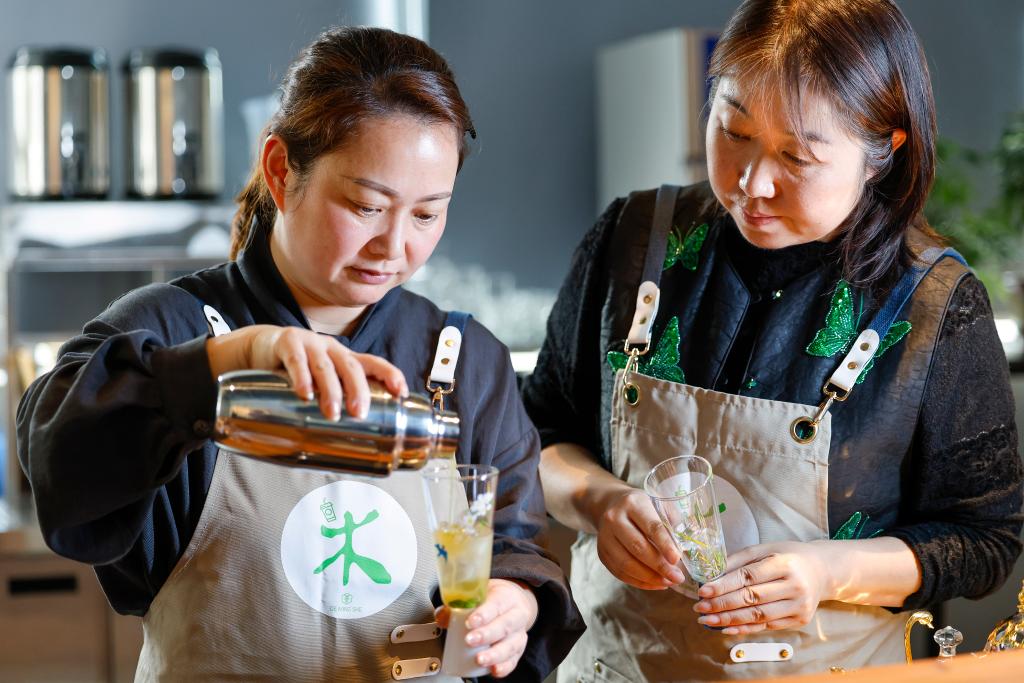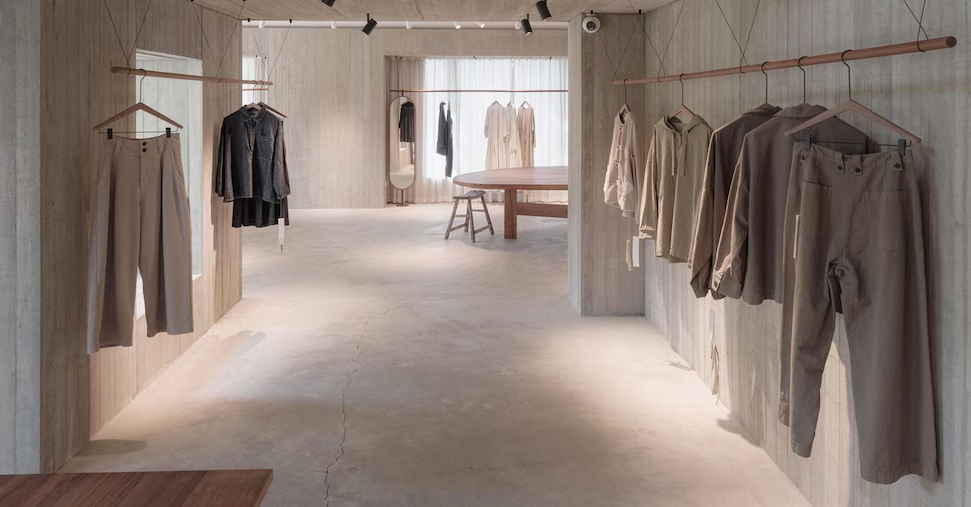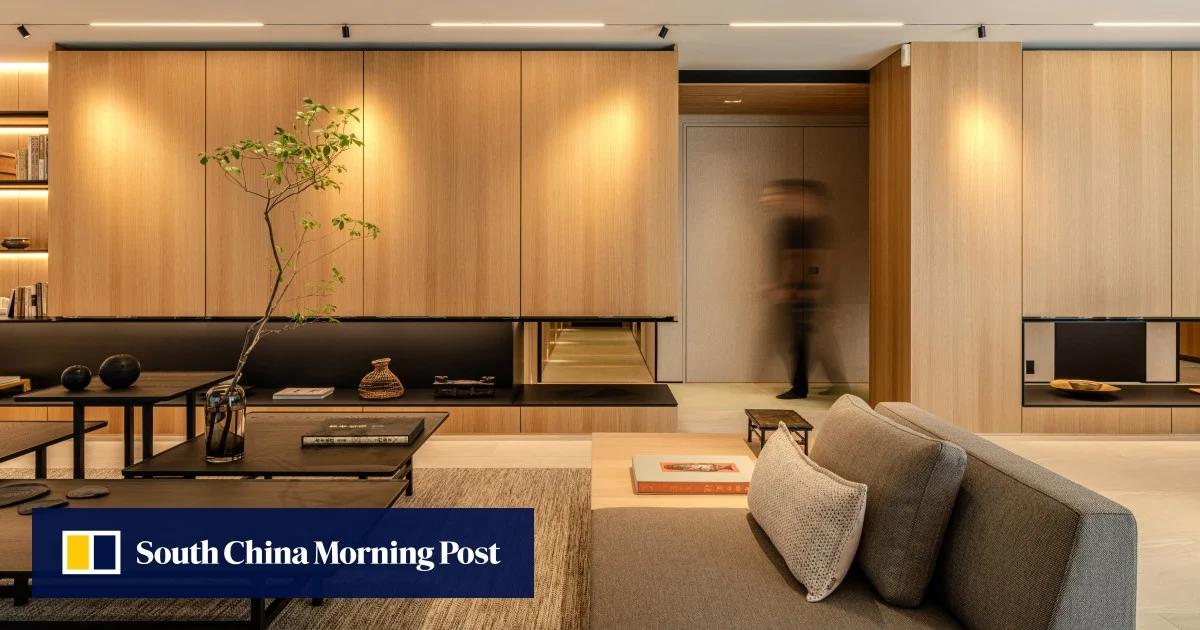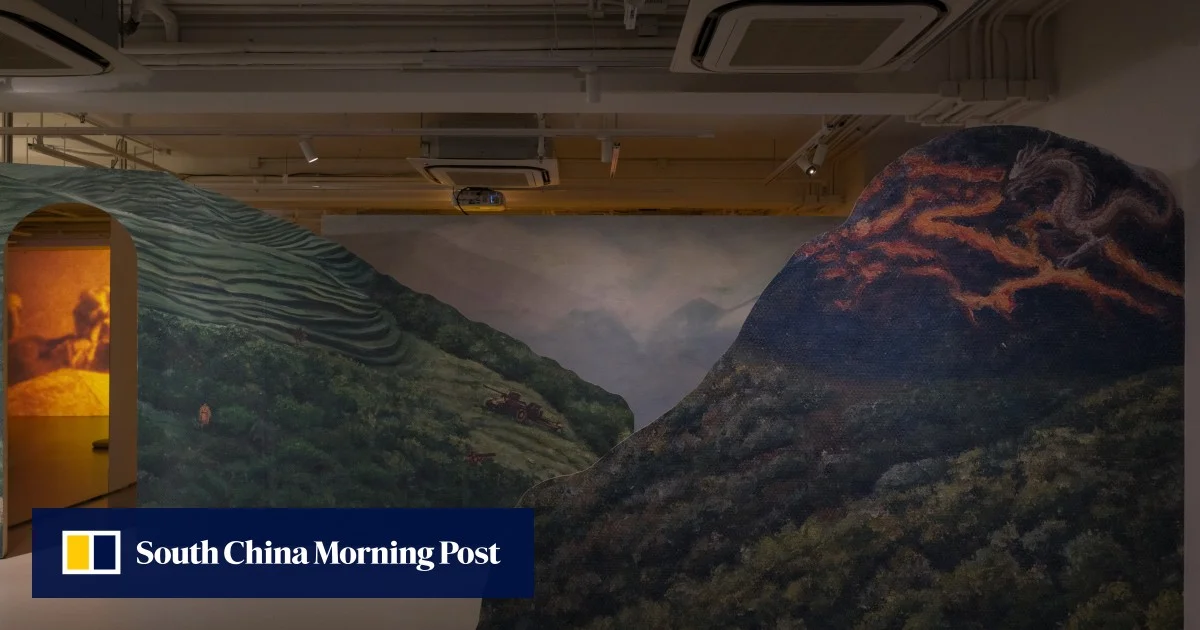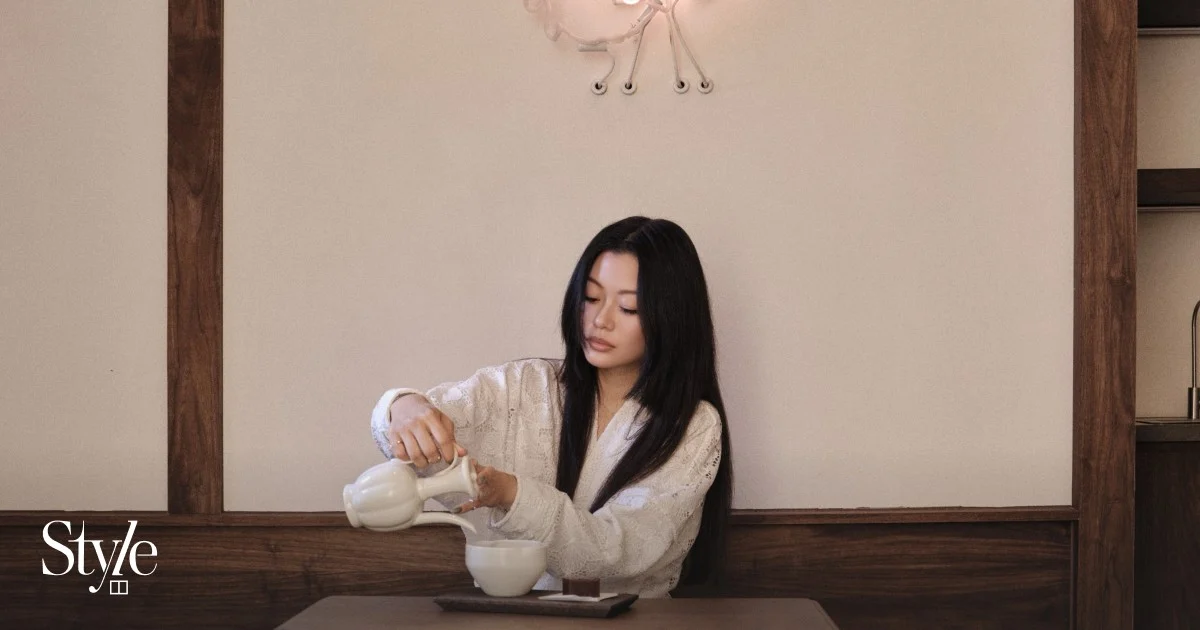
For much of human history, seasonal changes have inspired behavioural ones, altering our biological rhythms and brain chemistry, and affecting the way we eat, conserve energy and sleep. Today, in modern times, much of this happens unconsciously, fading into the background as we embrace outdoor temperature changes with our wardrobe choices and suffer from bouts of seasonal allergies or seasonal depression.Beijing-born, Brooklyn-based artist Juno Shen suffered through many seasons before a bad health scare led her to ask: how did we all get here in the first place, labouring away in our built environment day after day at the mercy of the constant stress and stimulants that come with living in big cities? Her latest project, a Chinese teahouse called Soft Hours, is an ode to slow living and a time before industrialisation and public infrastructure forced much of humanity indoors, changing our relationship with the outdoor environment and the passage of time.Soft Hours platforms Chinese culture at a time when interest in it is high. Photo: Handout“I really dug into how ancient people lived with the seasons,” Shen says of how Soft Hours came to life on a tiny corner in the Lower East Side. She was inspired by the Song dynasty in particular, a period in which Chinese arts, culture and intellectuals flourished while paying close attention to the influence of nature.“In China we have 24 solar terms which change every two weeks, and we drink seasonal ingredients. For example, you shouldn’t be drinking matcha all year long because it’s the freshest tea possible. It’s really cooling for you, so if you’re drinking it during winter or colder months, it’s going to bring even more coolness to your body, which is not good.”Soft Hours’ calm, no-fuss interior. Photo: HandoutClearly, Shen imagined Soft Hours as a “retreat” for New Yorkers. Using “wood and a lot of natural textures”, she says, the space is designed to look peaceful and refined, largely inspired by classical Chinese gardens in Suzhou and Hangzhou. “It’s built around a very specific reference point, which is a Song [dynasty] literati’s mountain retreat, like a little hideaway but translated for a New York context.” In a city starved for space where “the shop is all the way to the street”, Shen says she made a conscious choice to sacrifice extra square footage just to push the facade in, “to make it really look like ancient Chinese architecture … with exposed wood beams and a little foyer”.Shen first rose to fame with her work as a neon artist, her vivid glass sculptures earning mentions in publications like The Cut and Vogue. It was the slow, concentrated act of bending and shaping fluorescent glass to one’s will – not too far off from the considered approach to sipping and enjoying tea that Shen is advocating – which helped her overcome her struggles with seasonal affective disorder (SAD), commonly associated with the impact of sunlight, or lack thereof, on circadian rhythms. She therefore understood the role natural light would play in making Soft Hours feel like a safe haven – somewhere passers-by would inevitably be drawn to and end up staying a little while.Soft Hours’ decor features neon sculptures, the art form in which Juno Shen first made her name. Photo: Handout“There’s this design philosophy called yi bu huan jing, which means you step away and the scene changes,” Shen explains, describing how scenery shifts as the eye travels. “It’s not like Blue Bottle or Starbucks where they have floor-to-ceiling windows. You see the whole shop, what it looks like, from the outside. That’s why we have a little flower[-shaped] window, so you get to peek in. With the southern light coming in, the window will basically act like a giant lightbox to diffuse the light, to soften the whole environment inside.”
Soft Hours: artist Juno Shen’s Song dynasty teahouse for today’s New Yorkers
An ode to slow living that dovetails with ‘Chinamaxxing’ trends, the fully functional artwork/retreat serves teas that change according to the seasons in keeping with ancient Chinese beliefs.
632 words~3 min read