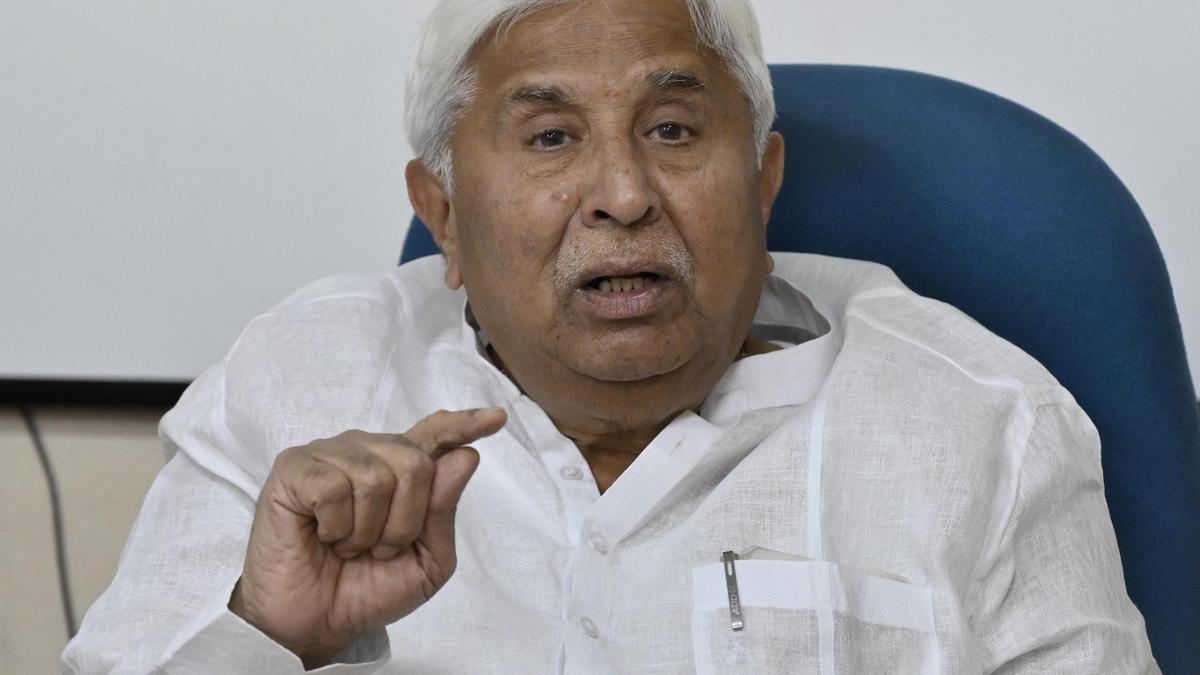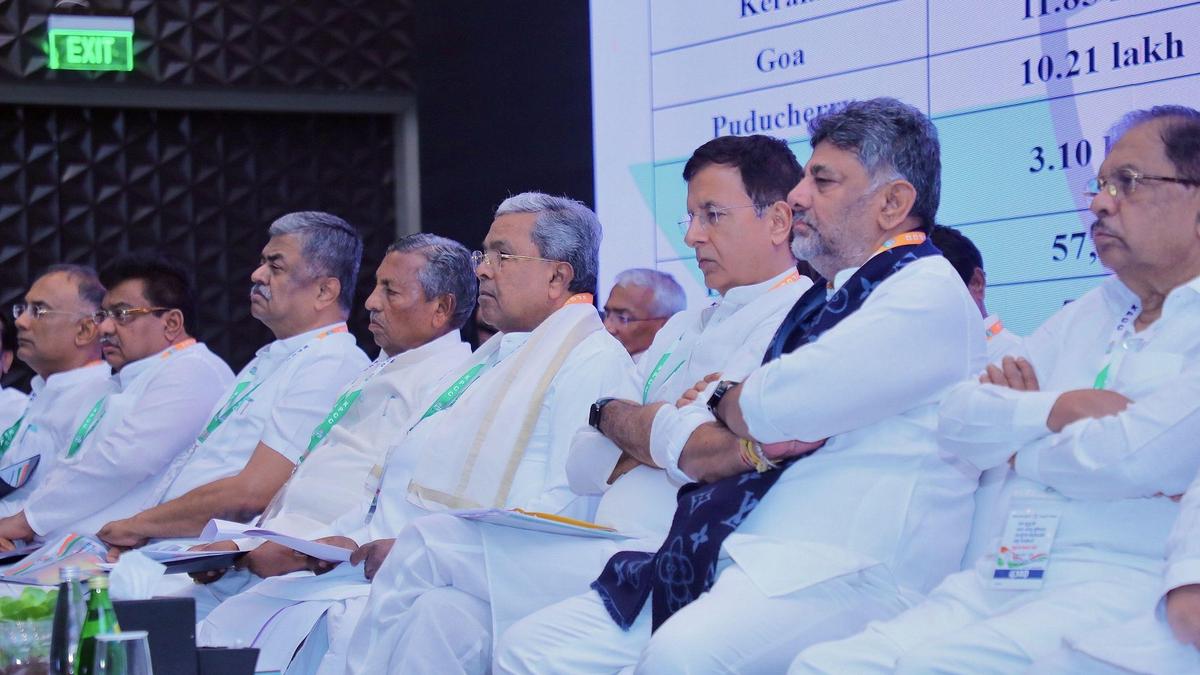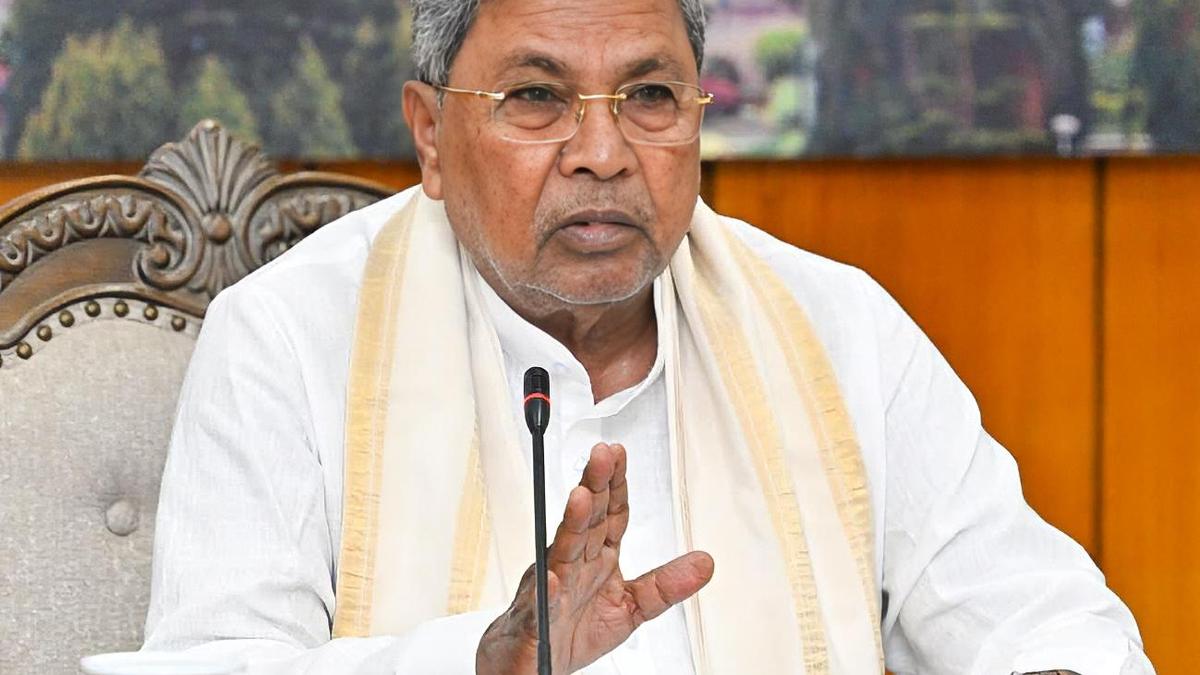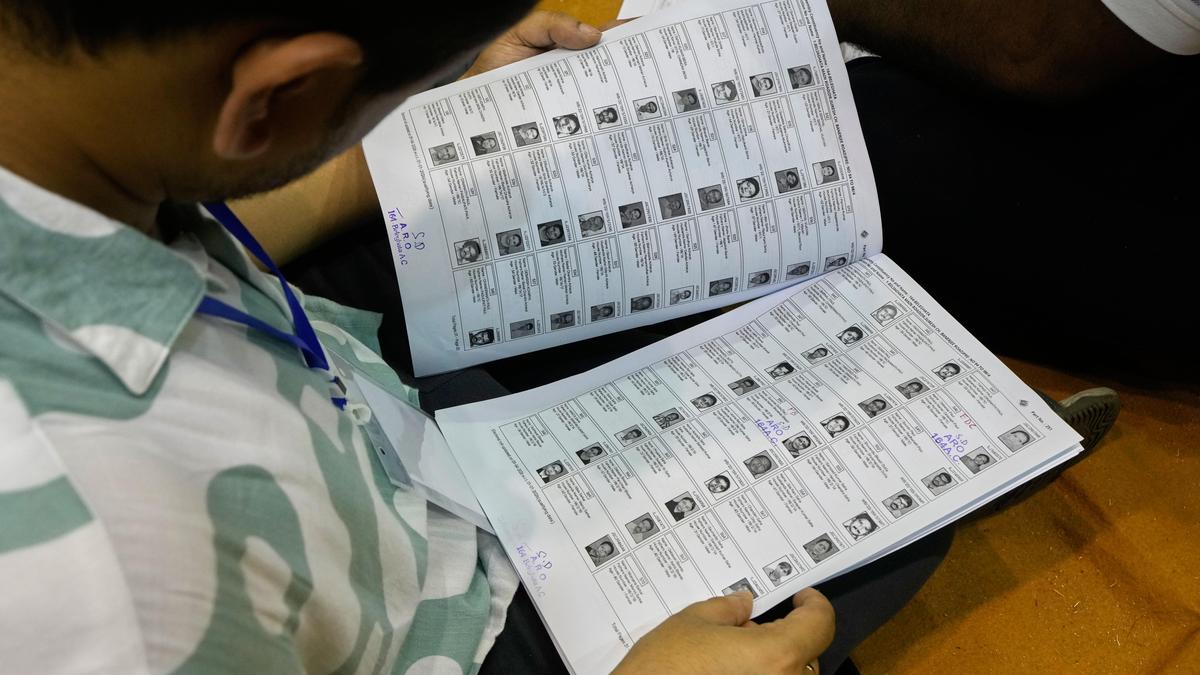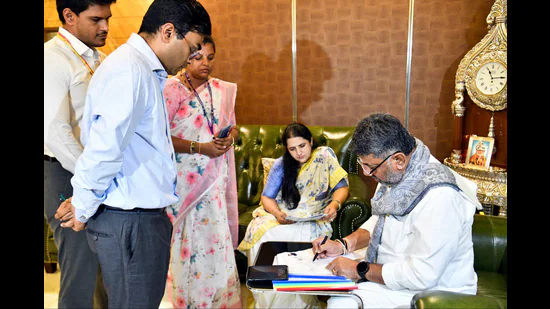
The Karnataka government is considering approaching the Supreme Court over concerns linked to the Special Intensive Revision (SIR) of electoral rolls, with the state cabinet on Thursday holding extensive discussions on the issue and its potential impact on voters.K’taka govt weighs SC move over SIR exerciseThe matter emerged as one of the key subjects discussed during the cabinet meeting chaired by chief minister Siddaramaiah.Addressing reporters after the meeting at Vidhana Soudha, minister of law, parliamentary affairs and legislation HK Patil said the cabinet discussed the implementation and consequences of the Special Intensive Revision process in different states, particularly West Bengal.“Through the SIR process in West Bengal, 2.7 million people lost their voting rights,” Patil said. “There were detailed discussions on the adverse consequences of the SIR process and the serious objections raised against it.” Patil added that the government was also examining and exploring legal options in connection with the issue.Patil said the government viewed the protection of voting rights as a priority and would act if any process unfairly deprived citizens of their franchise.“If any process unnecessarily takes away the voting rights of a citizen of this country and this state, we will consider all possible efforts to protect that citizen’s right to vote,” Patil said.“We have also discussed the possibility of approaching the Supreme Court on this issue,” he said. “Further detailed discussions are required regarding the final electoral rolls, the SIR process and issues relating to transparency. A decision will be taken soon.”The cabinet meeting also approved a range of proposals related to healthcare, education, irrigation and infrastructure.Among the major healthcare approvals was the construction of two 50-bed maternal and child health hospitals in Shahapur in Yadgir district and Devadurga in Raichur district at a combined cost of ₹38 crore.The cabinet granted administrative approval worth ₹100 crore for the construction of a 200-bed super-speciality hospital building at the Karwar Institute of Medical Sciences campus. In the education sector, the government approved a ₹15 crore programme to provide two years of residential pre-university education along with NEET, JEE and CET coaching for 500 backward class students who studied in government schools and secured the highest marks in mathematics and science in Class 10 board examinations. The cabinet additionally approved ₹802 crore worth of advance procurement under the Asian Development Bank-assisted Karnataka State Higher Education Transformation project covering government degree colleges, polytechnics, centres of excellence and project management units.Several irrigation and civic infrastructure projects also received approval. The cabinet sanctioned the ₹182.70 crore Matamari Veerabhadreshwara Lift Irrigation Project in Raichur district to provide irrigation facilities to 8,320 hectares in the Tungabhadra Left Bank Canal command area.Stormwater drain works worth ₹20 crore under the Urban Infrastructure Development Fund were approved for Kanakapura municipality limits.The government also approved proposals to establish petrol pumps and retail outlets on prison department land in Bengaluru, Dharwad, Belagavi and Ballari in collaboration with Indian Oil Corporation, Hindustan Petroleum Corporation and Bharat Petroleum Corporation.The cabinet also selected retired High Court judge PN Desai as chairperson of the Karnataka Human Rights Commission following a meeting chaired by the chief minister and attended by legislative leaders and opposition members. s
K’taka govt weighs SC move over SIR exercise
Karnataka may approach the Supreme Court over concerns about the Special Intensive Revision of electoral rolls, fearing voter rights could be compromised. | India News
522 words~2 min read