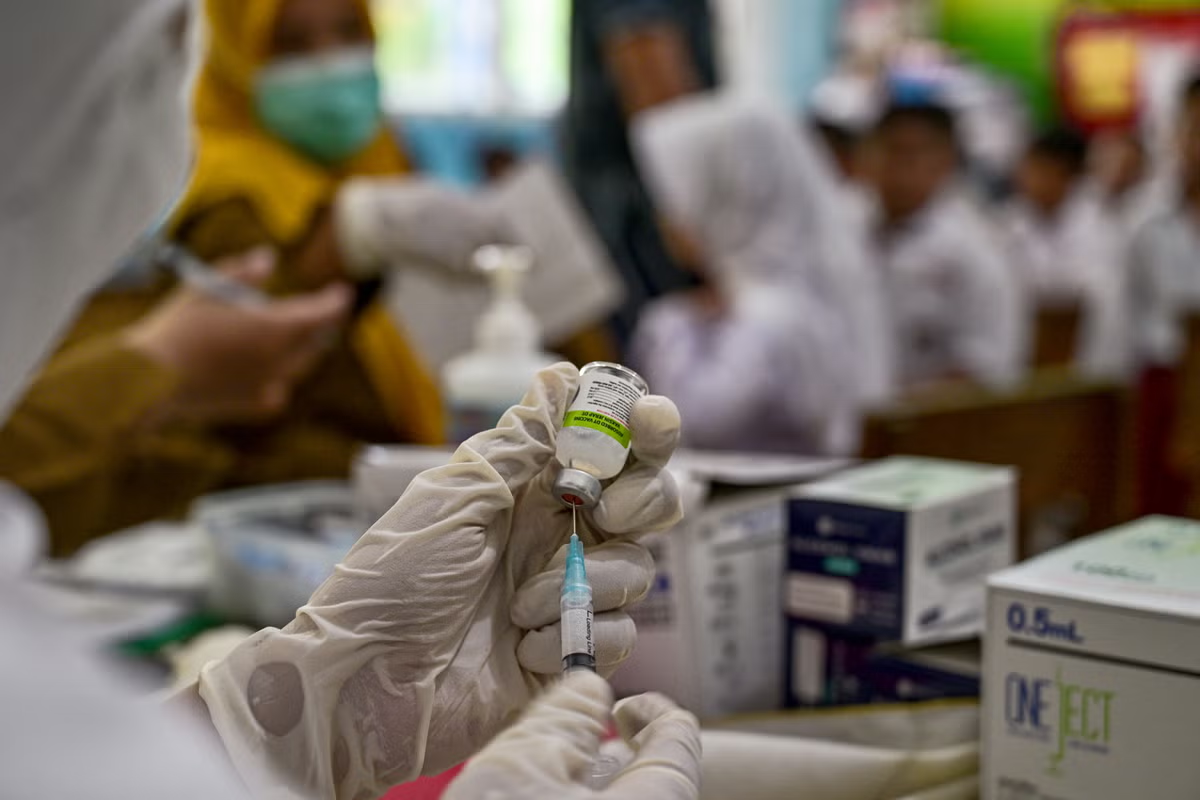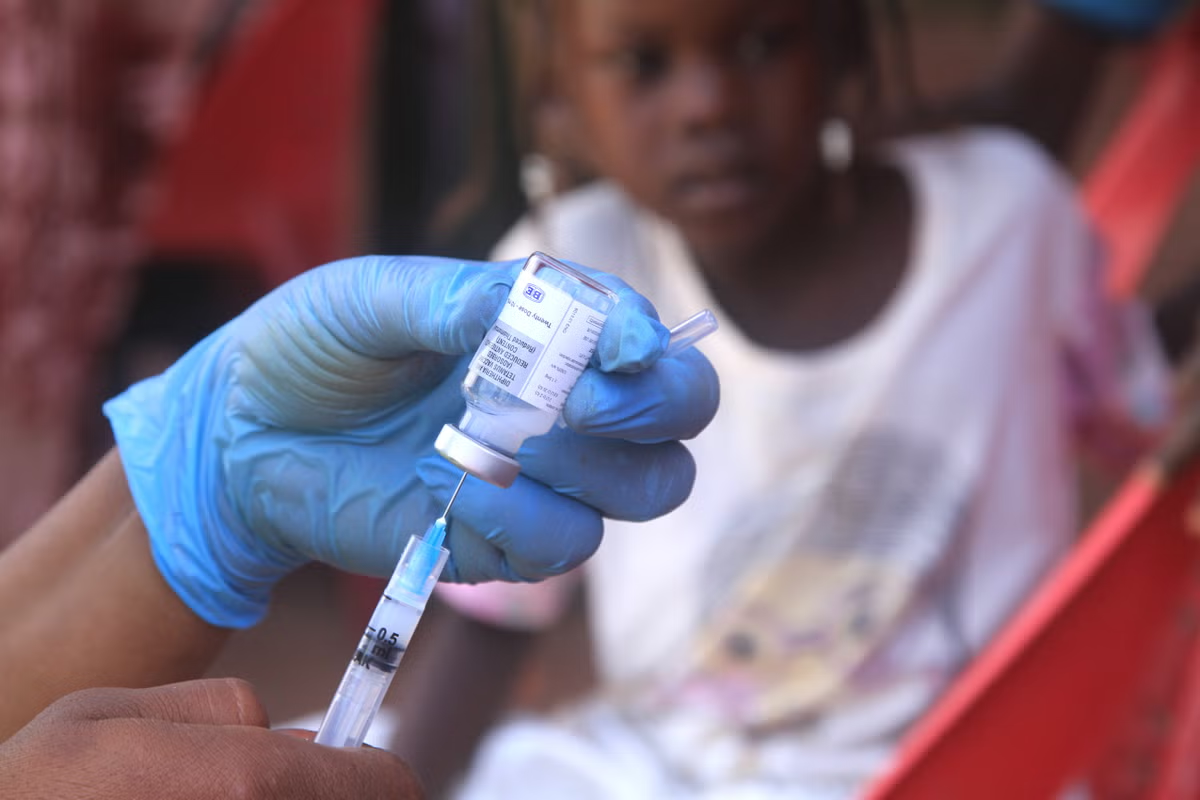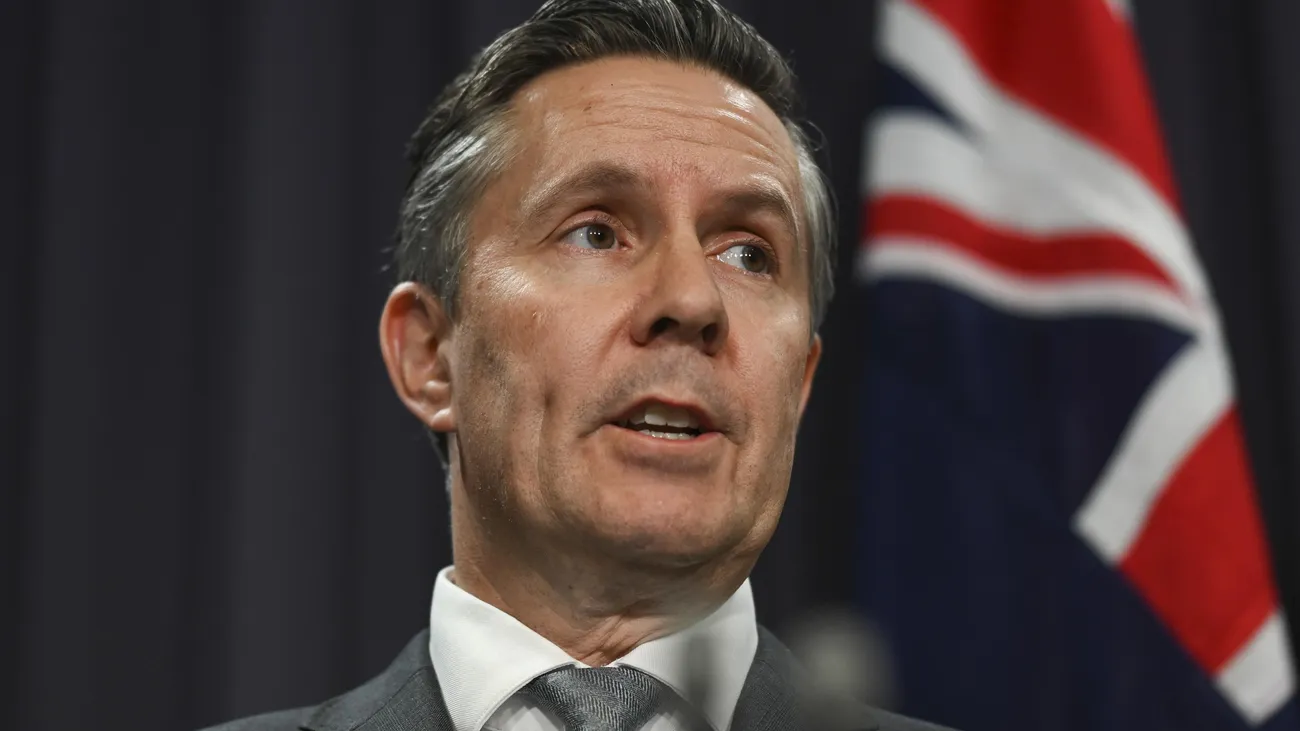
IN BRIEFAustralia is experiencing its worst diphtheria outbreak on record.Some of the misinformation circulating online about the outbreak has falsely linked it to migration.Once one of Australia's most feared childhood diseases, diphtheria killed thousands of children before vaccination programs introduced in the 1930s all but eliminated the infection for decades.The disease became so rare that many doctors never encountered a case.But Australia is now experiencing its largest outbreak since national records began, with more than 230 cases reported in 2026, with the most cases in the Northern Territory.Cases have also been detected in Queensland, Western Australia and South Australia, while one death in the Northern Territory is believed to have been caused by the disease.As authorities work to contain the outbreak, health experts say misinformation circulating online risks obscuring the factors actually driving the disease's spread.Health Minister Mark Butler says there has been a global decline in vaccination rates since the COVID-19 pandemic, alongside growing vaccine hesitancy fuelled in part by misinformation online."There is a lingering legacy of vaccine hesitancy that flows from COVID-19 and frankly also from some of the misinformation and disinformation you see online," he told reporters on Thursday.But Butler also warned it was too early to blame any single cause for the outbreak."There are a whole range of social determinants in remote communities that sometimes drive some of these infectious disease outbreaks as well, but I think we need to examine that closely in time," he said.As diphtheria spreads, misinformation followsAs the outbreak has grown, false claims about the disease have also begun circulating online.Some of the misinformation circulating online about the outbreak has falsely linked it to migration.Associate professor Paul Griffin, director of infectious diseases at the University of Queensland, told SBS News that there is no evidence migrants are responsible for the outbreak, with many cases concentrated in remote Aboriginal communities.Other posts have questioned the safety and effectiveness of vaccines.Some posts have suggested the vaccines are more dangerous than the disease itself.University of Sydney professor Julie Leask, a member of the Sydney Infectious Diseases Institute, told SBS News outbreaks like this often create fertile ground for misinformation, driven by a fear of infectious diseases and xenophobia.She said social media often allows people to share deeply held beliefs without accountability, particularly in anonymous online spaces."When these things come together, people can forensically use infectious diseases as a way of blaming people that they have prejudice against," she said."And you even see politicians using this for their political purposes to further division and drive fear around something that can readily be weaponised."Griffin described the claims as "clearly false" and said the long-term success of the vaccine in controlling diphtheria over decades may have led some people to underestimate the importance of immunisation.Experts also say misinformation surrounding COVID-19 vaccines appears to have contributed to broader distrust toward routine vaccinations.Leask warned that misinformation risks distracting attention away from the underlying causes of the outbreak and can undermine public trust in health advice during disease emergencies.Griffin said social media platforms and AI-driven algorithms can amplify misinformation, making it easier for misleading claims about infectious diseases to spread online, which he described as "concerning". A disease once thought consigned to historyDiphtheria is a highly contagious bacterial infection spread through respiratory droplets released while talking, coughing or sneezing, as well as direct contact with infected wounds or skin sores.Symptoms can include fever, sore throat, loss of appetite, difficulty swallowing, breathing difficulties and neck swelling."The sources of the outbreak include people not up to date with their boosters, lower vaccination rates for the initial vaccines that children get in their first year, more crowded living conditions in remote Aboriginal communities and less access to healthcare and immunisation services," Leask said.Griffin called diphtheria a "very serious disease" and noted that it was historically associated with very high mortality rates and severe illness, particularly in children.Vaccination programs dramatically reduced the disease in Australia over the past century, although immunity can fade over time.Adults are recommended to receive booster shots if they have not had a diphtheria vaccine within the last ten years.Experts say diphtheria remains rare in Australia but still occurs more commonly overseas, and spreads more easily in communities where vaccination rates are lower.What is actually driving the outbreak?Griffin said several factors appear to be contributing to the current outbreak.A key driver is believed to be declining vaccination coverage.National coverage of fully vaccinated children at 24 months fell below 90 per cent in 2024 for the first time since 2016.Health authorities say lower vaccination rates can make communities more vulnerable to outbreaks, particularly because diphtheria spreads easily in areas where immunity is low.While Griffin said there was 'no question' declining vaccination rates were a contributing factor, he said this alone does not explain the spread.Housing overcrowding and healthcare access have also been pinpointed as issues for authorities to examine, particularly in remote Aboriginal communities where many cases have been recorded.Skin infections such as scabies can create entry points for diphtheria bacteria through broken skin.Diphtheria spreads more easily in overcrowded housing.According to the latest available data, 54 per cent of houses in remote Aboriginal communities in the Northern Territory were considered overcrowded.On Thursday, when announcing a $7.2 million response package aimed at containing the outbreak and increasing vaccination rates, Butler said social determinants were likely playing a role in the outbreak and confirmed that authorities were focused on increasing vaccination rates in affected communities."It's important we control it, but it's also important that people get vaccines into their arms in affected areas as quickly as possible because at the end of the day, that is the most effective way to protect yourself and those around you," he said.He added that childhood vaccination programs were likely limiting the severity of infections among younger children.Health Minister Mark Butler has announced a $7.2 million response package aimed at containing the outbreak Source: AAP / Lukas Coch"The success of childhood vaccination for diphtheria is, I'm told, really the reason why this outbreak is not causing serious issues for very young members of those communities."Indigenous Australians Minister Malarndirri McCarthy said the outbreak was a serious concern and said authorities were focused on ensuring communities received clear and reliable health information.She said the government was moving quickly to respond to the outbreak, while also working to ensure communities have access to accurate information amid concerns about misinformation online.Impact of COVID-era vaccine distrustLeask and Griffin emphasised that the COVID-19 pandemic changed the way many Australians engage with vaccines and public health advice.During the pandemic, vaccine misinformation spread widely online, contributing to growing distrust toward health institutions in some parts of the community.Griffin said challenges associated with COVID vaccines made it difficult to maintain an adequate level of vaccine uptake."There are a lot of people wanting someone to blame, a lot of conspiracy theories about it being deliberately released … these are clearly not founded in any evidence but continue to circulate, and all of the background noise of misinformation gets in the way of us being able to communicate the information we need people to know to keep themselves safe," he said.Griffin said a broader decline in vaccine confidence may now be affecting routine childhood immunisations as well.Leask urged people to take information from quality sources, including Aboriginal community-controlled services, spokespeople and those who work within the impacted communities."When you see things that are trying to blame other people for our problems or boil them down to simple stereotypes, use the critical thinking that you already have," she said.For the latest from SBS News, download our app and subscribe to our newsletter.
The online threat linked to Australia's worst diphtheria outbreak in decades
Health experts are warning that misinformation around Australia's diphtheria outbreak is fuelling fear, confusion and distrust.
1,261 words~6 min read