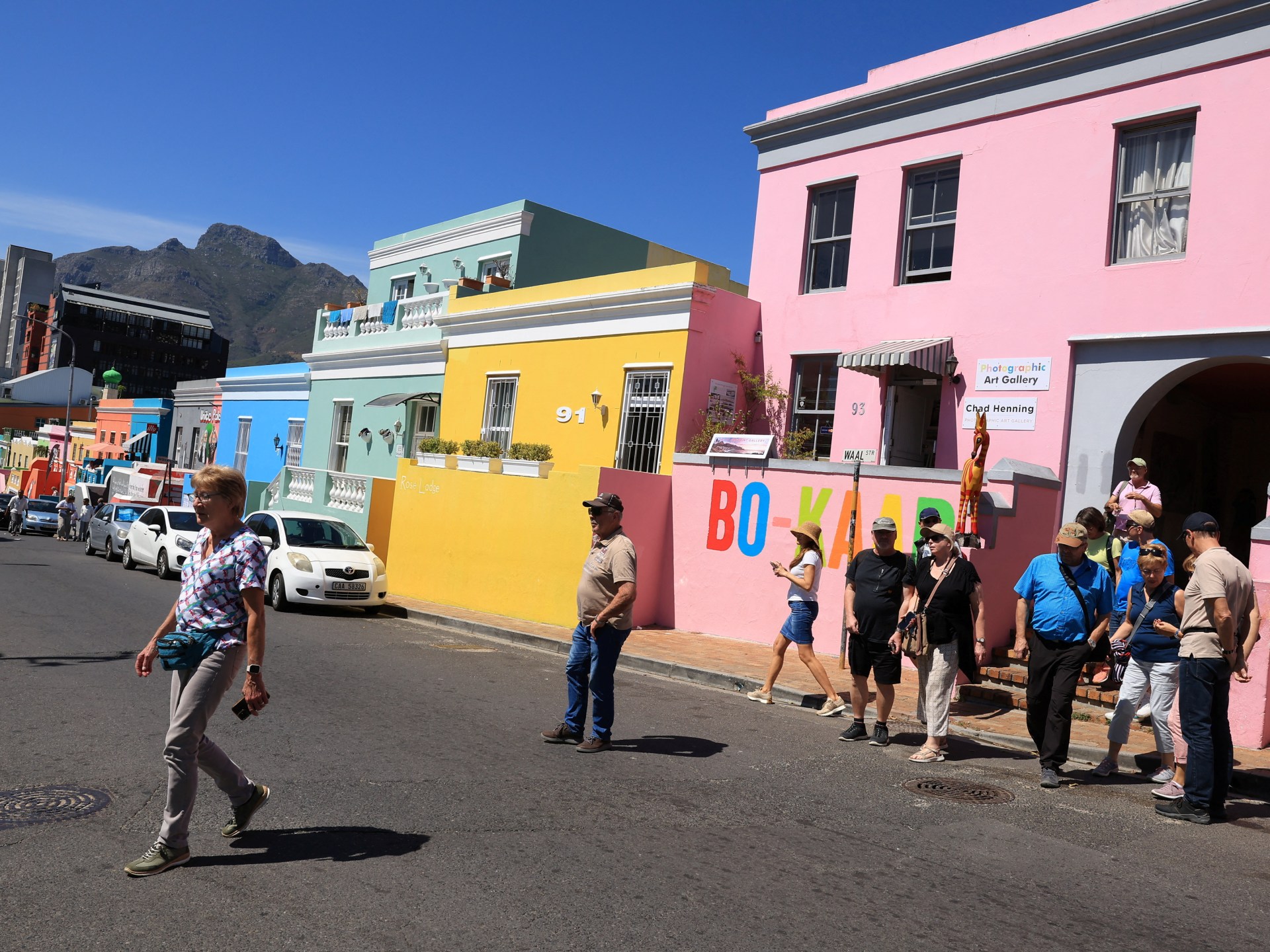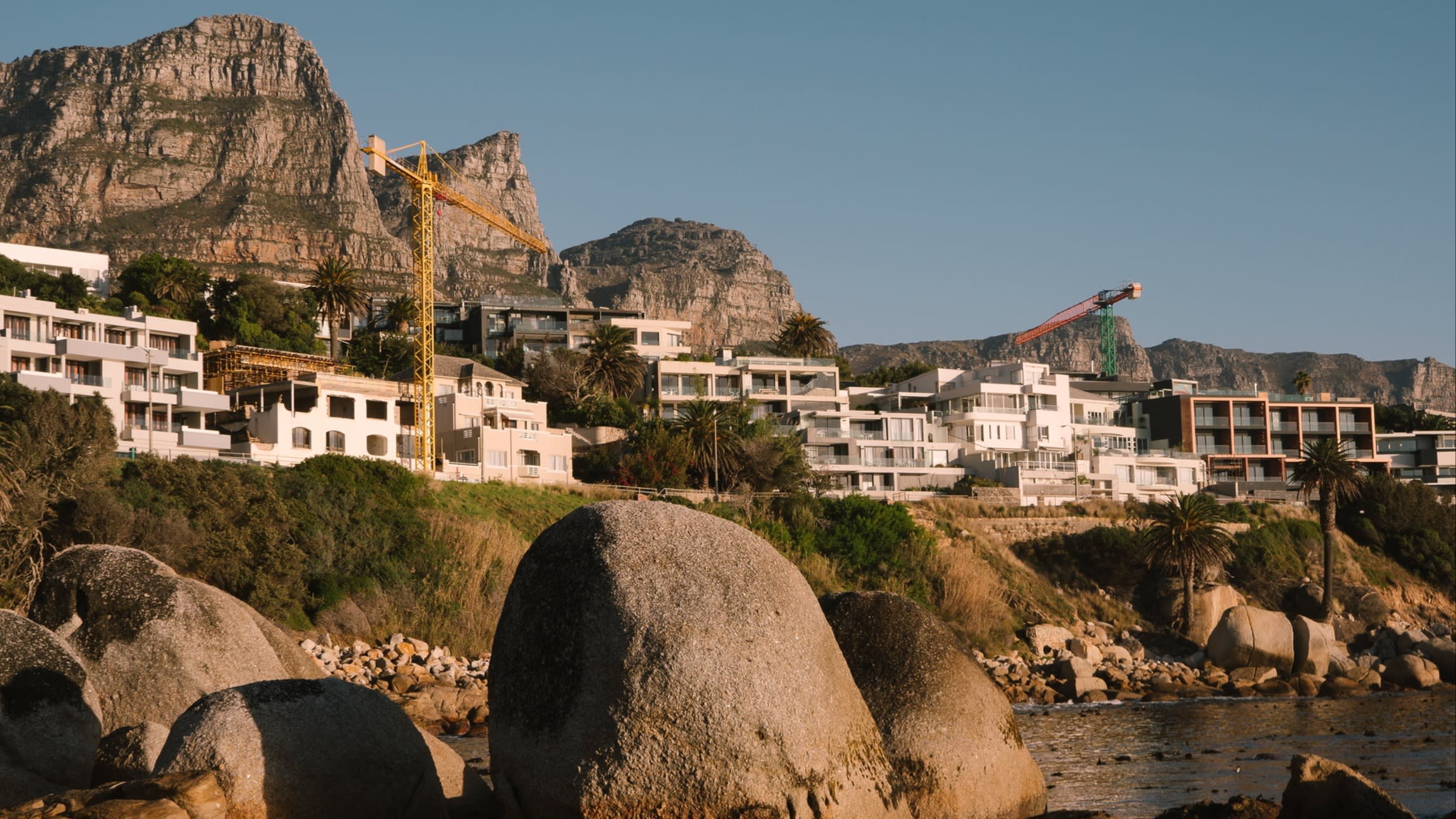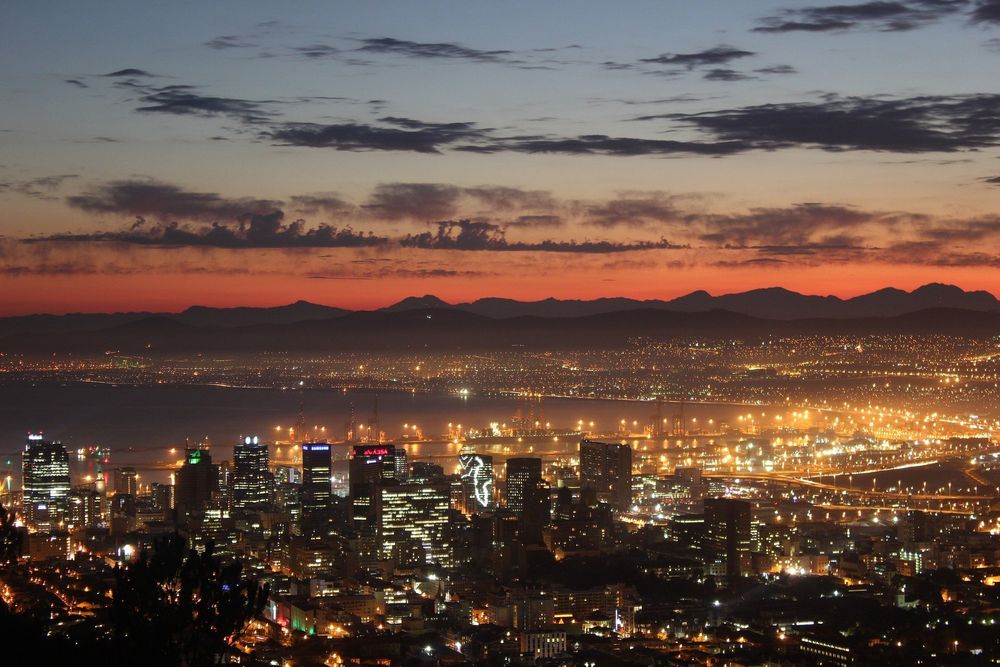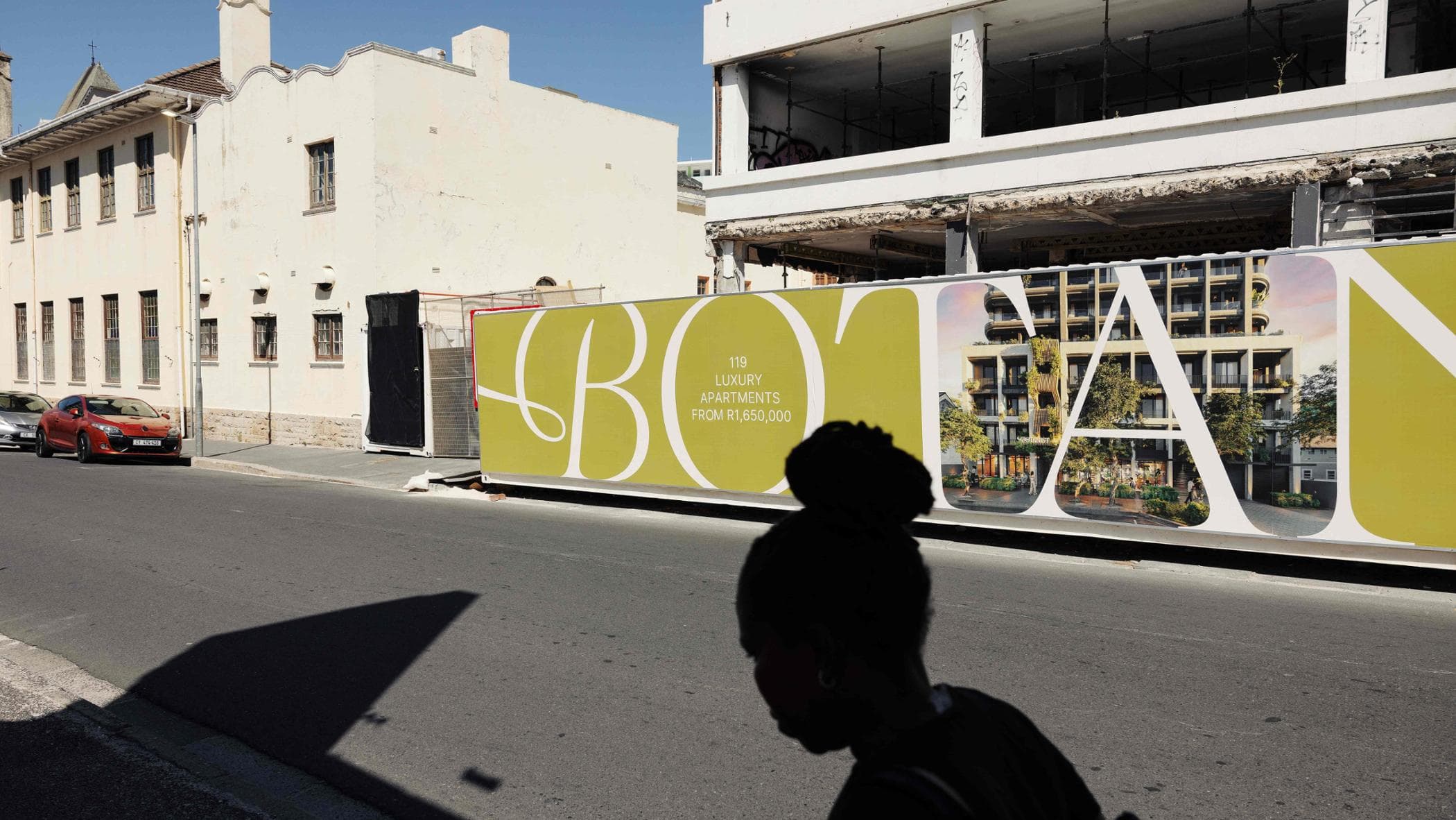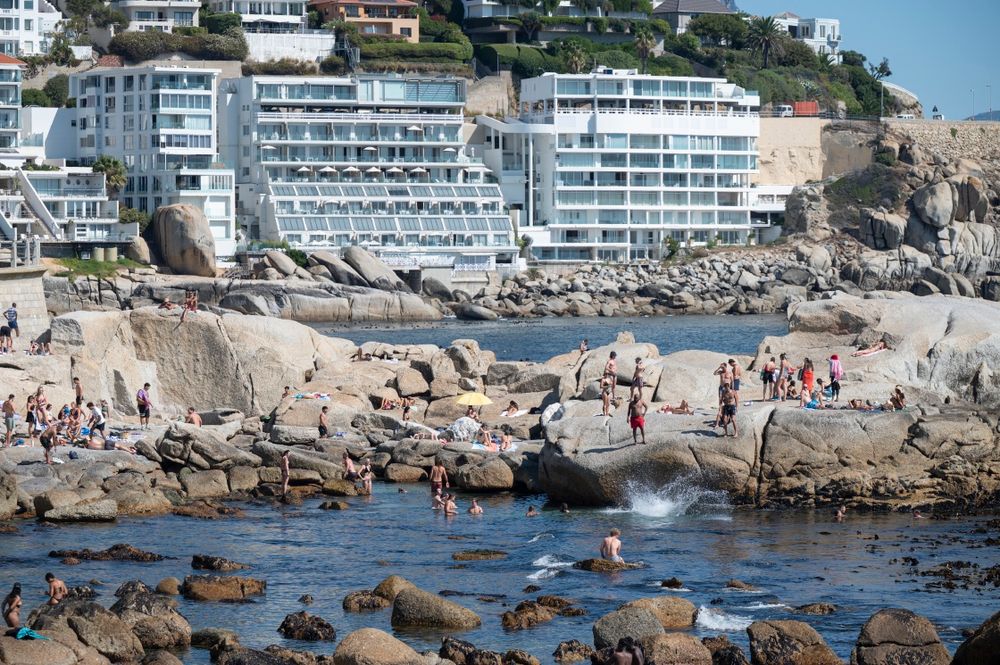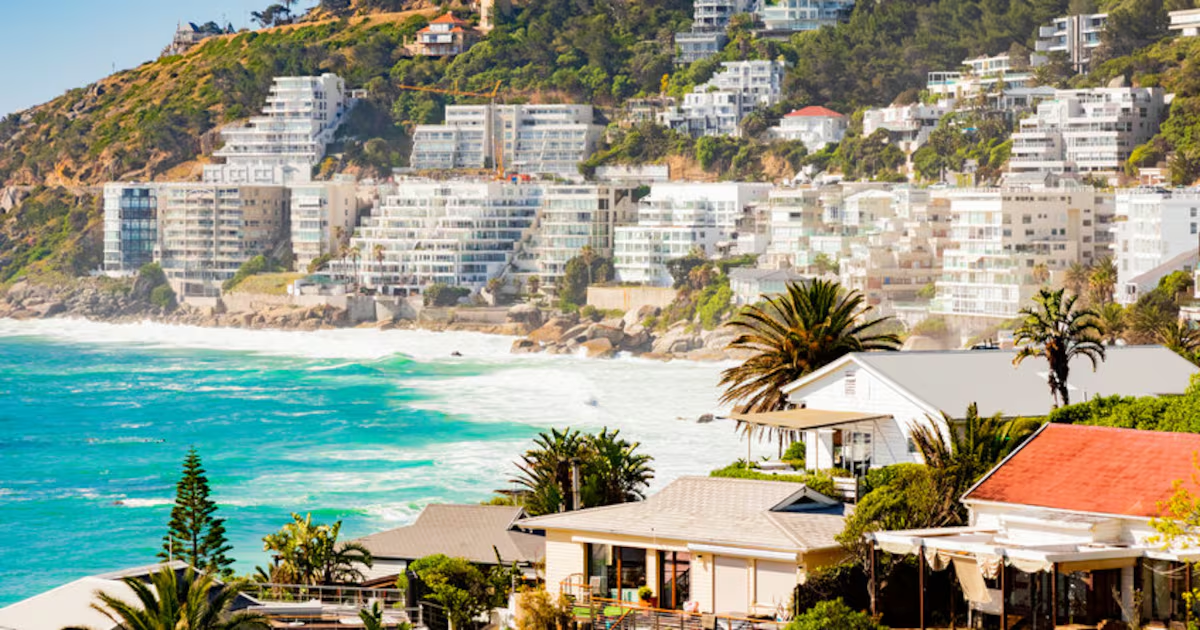
For years Cape Town sold itself as a postcard. The city has become obsessed with selling the idea of itself: mountain views, co-working cafés, wine farms, wellness culture and “European lifestyle at African prices”. Digital nomads flock with dollars, pounds and euros, and everyone nods approvingly because they “bring money into the economy”. But there is a question sitting under all of this that nobody particularly wants to answer honestly: money for who? Cape Town’s Airbnb boom has stopped looking like a side hustle and started looking like an alternative housing market. Inside Airbnb data shows 26,877 Airbnb listings in Cape Town, including 5,662 in the city centre, Foreshore, De Waterkant and parts of District Six and the Atlantic Seaboard. In the city centre, the city’s spatial framework says 70% of residential units are either hotel-managed or used for Airbnb-style letting. From Woodstock to Bakoven, Airbnb density has climbed to 160 listings per square kilometre, with 82% listed as entire homes or apartments, not spare rooms. GroundUp has reported 13.5 Airbnb apartments for every one long-term rental apartment in that area. This is not a few friendly locals renting out garden cottages. It is commercial accommodation operating inside residential neighbourhoods, often while benefiting from the residential system. Cape Town’s tourism industry does matter — no-one seriously disputes that. Restaurants, hospitality workers, Uber drivers, cleaners and countless small businesses depend on visitor spending. Airbnb itself has repeatedly argued short-term rentals spread tourism income into local communities. However, that argument begins to wobble when the economic gains become concentrated among landlords, investors and short-term rental management companies, while the costs disperse outward onto ordinary residents. Tourists do not arrive in a vacuum. They use roads, water infrastructure, electricity grids, waste removal systems, policing, beaches, public transport and public space. Those systems are funded by the city and, ultimately, by residents. If a property is generating commercial returns from tourism while continuing to sit inside the residential system, residents in effect subsidise private tourism profits through public infrastructure. That is the hidden side of the Airbnb debate, because hotels and guesthouses exist visibly inside the regulatory system. They pay commercial rates. They comply with business regulations. Their contribution to the city’s tax base is easier to track. If a property is generating commercial returns from tourism while continuing to sit inside the residential system, residents in effect subsidise private tourism profits through public infrastructure. But many short-term rentals operate in a strange grey zone, where highly profitable tourism activity can remain partially concealed inside ordinary housing stock. If a property functions commercially, should it not contribute commercially? The City of Cape Town appears to be inching towards that conclusion. Proposed amendments to the city’s rates policy would allow properties primarily used for short-term letting to be reclassified as commercial accommodation, potentially subjecting them to higher tariffs similar those paid by hotels and guest houses. The strangest part about the digital nomad conversation is how moralistic it becomes whenever locals express frustration. The second someone points out they can no longer afford to live in the neighbourhood they grew up in, they are accused of being anti-tourism or economically illiterate. It’s as though questioning this extraction automatically means you are rejecting the growth of the city. But the question is not whether digital nomads bring in money. Of course they do. The question is whether that money circulates through the broader city or whether it pools upward into property ownership, while residents absorb the consequences through rising rents, housing scarcity and spatial apartheid. A landlord earns in euros. A property investor earns in dollars. An Airbnb management company scales aggressively across the Atlantic Seaboard. Meanwhile, the barista serving that flat white commutes three hours a day because they can no longer afford to live anywhere near the café. That is the side of Cape Town no-one puts on Instagram. At some point the city has to decide whether it wants to be a place people visit, or a place people can actually live. • Roos is Business Day parliamentary reporter.
TARA ROOS | Should Cape Town be grateful for digital nomads?
Cape Town’s short-term rental boom brings foreign currency and glossy global attention
676 words~3 min read