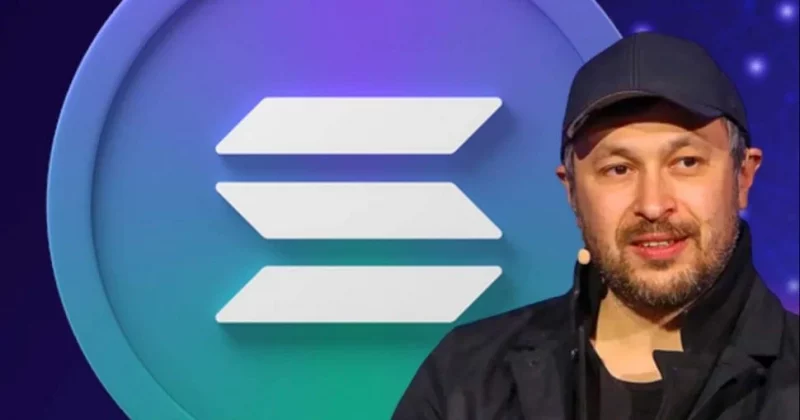
Anatoly Yakovenko, the co-founder of Solana, offered a surprisingly candid take on SOL’s utility as a medium of exchange: it doesn’t really move the needle. In his framing, SOL used as currency follows a predictable cycle. It gets bought, spent, and then sold, creating what he describes as a “generally net zero” economic impact.
The comments landed in the middle of a heated debate within the Solana community about whether pump.fun’s introduction of optional USDC liquidity pairs could be bearish for SOL demand. Yakovenko’s response was essentially: calm down, it doesn’t matter as much as you think.
The pump.fun debate and why it triggered this conversation
Pump.fun, the memecoin launchpad that became one of Solana’s most active protocols, has been rolling out optional USDC liquidity pairs. Some community members viewed this as “extremely bearish” for SOL, reasoning that if traders can pair tokens against USDC instead of SOL, demand for the native token drops.
Yakovenko pushed back on this narrative. His core point: when SOL functions as currency in these transactions, the net effect on its price is negligible anyway. Someone buys SOL to make a trade, the SOL changes hands, and then the recipient sells it. The token circulates but doesn’t accumulate.