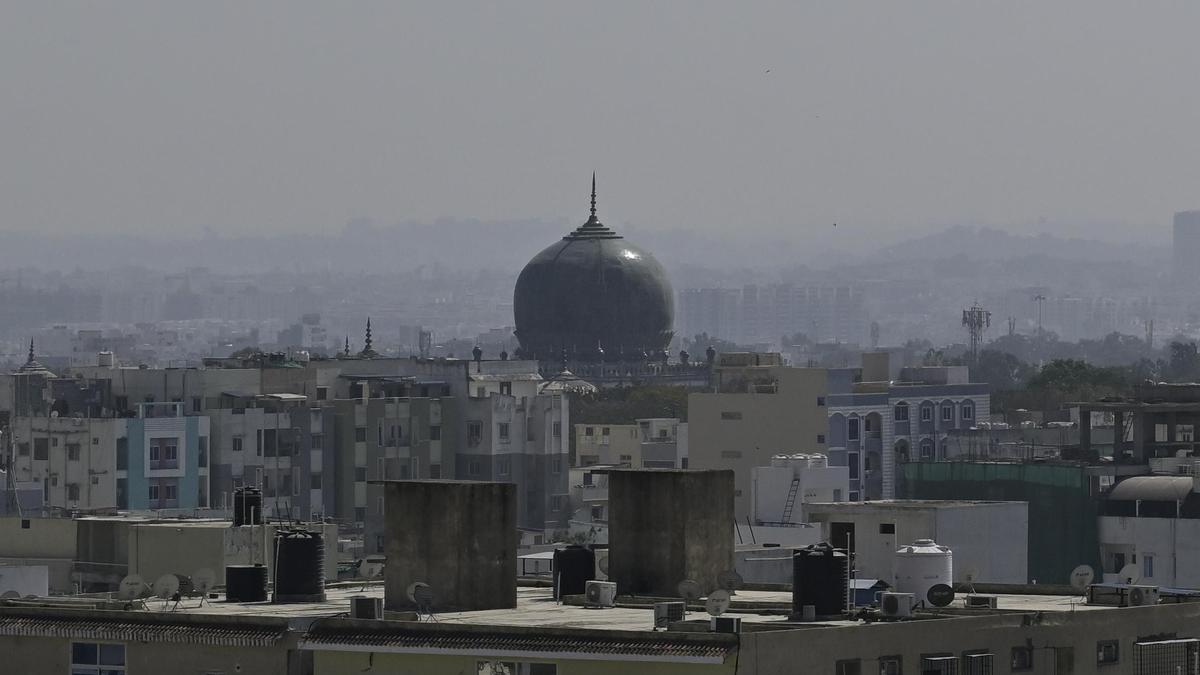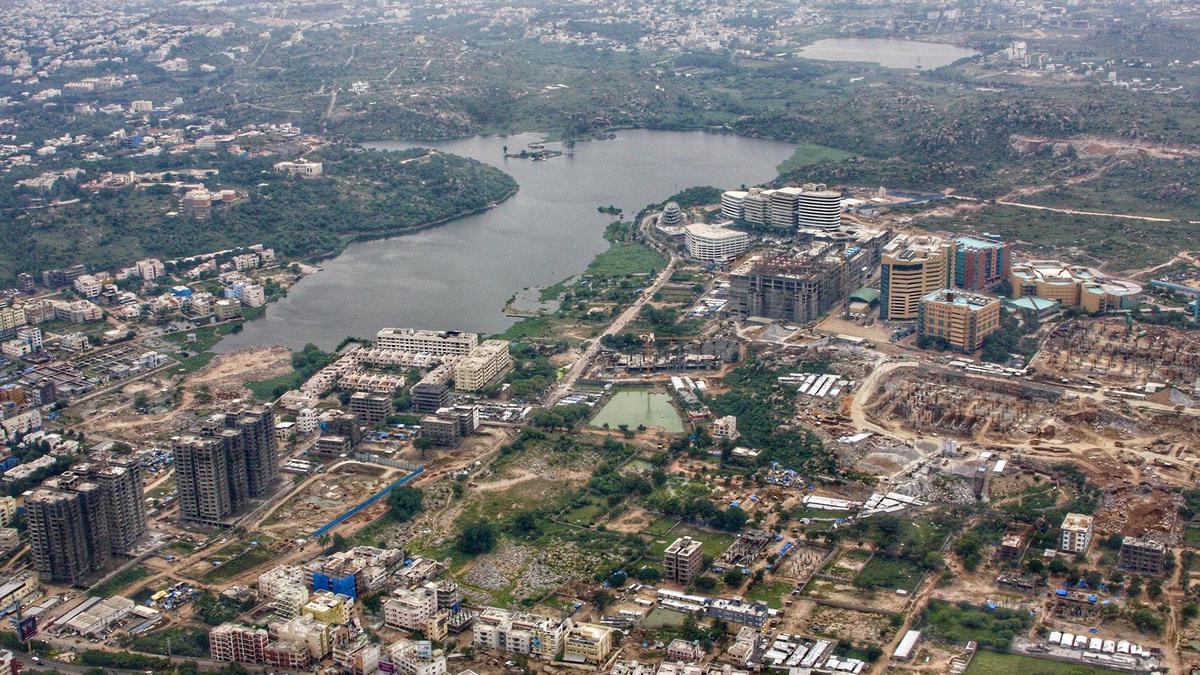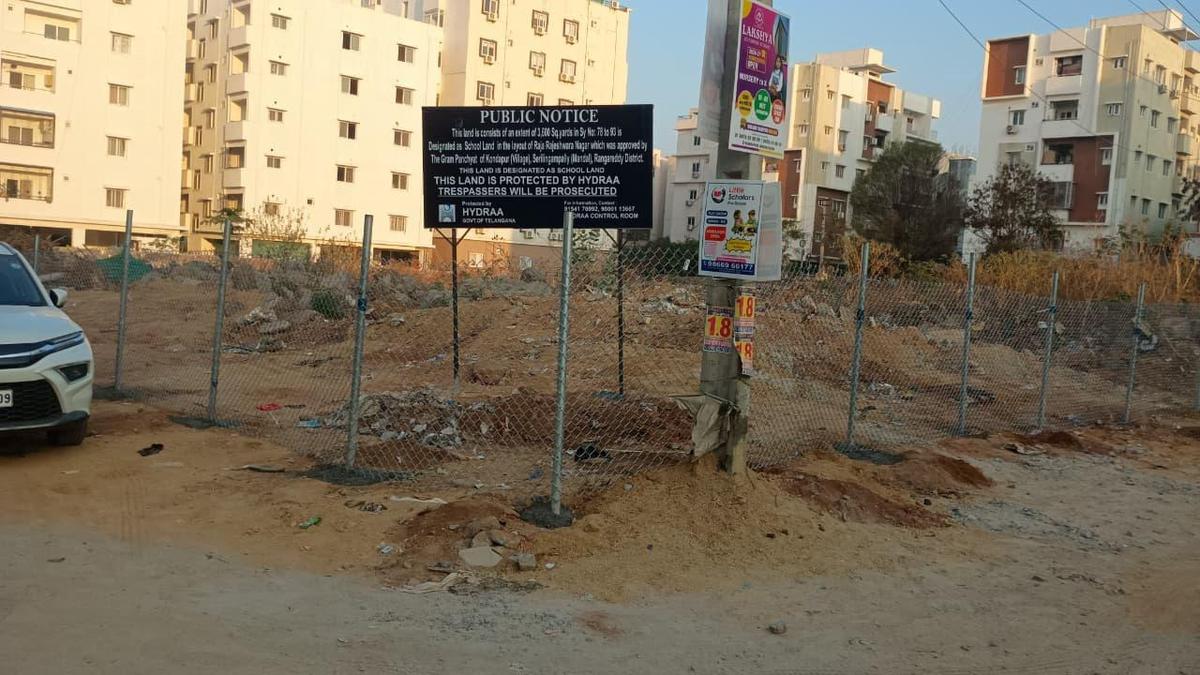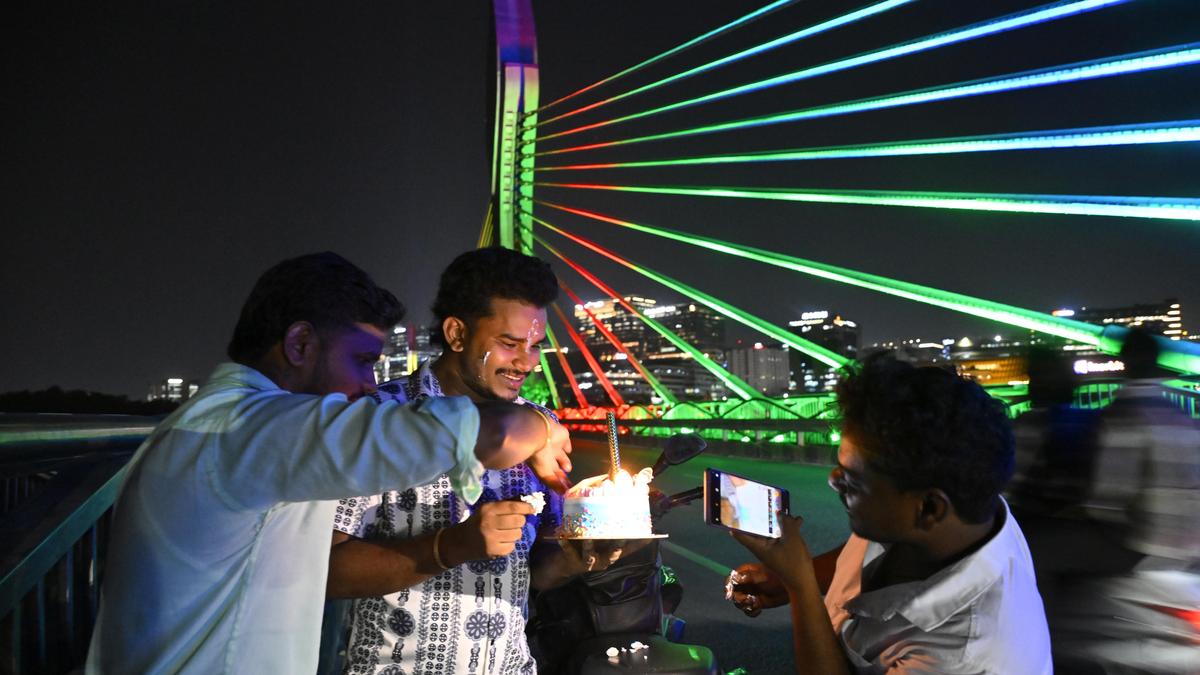
Four years ago, Halley Kalyan moved from Moti Nagar to a gated community in Manikonda for a reason that had little to do with luxury or status. In a rapidly changing Hyderabad, the 40-year-old product manager simply wanted his seven-year-old daughter to have a safe place to ride a bicycle.Back in Moti Nagar, learning to cycle was proving to be a task. Their apartment block had little space beyond a cramped parking area packed with vehicles. Outside, speeding traffic left no safe stretch for a child to wobble through her first cycling lessons.“For days, I struggled to take her out. There was no safe stretch, no open space. Something as basic as cycling became difficult,” he recalls.Today, those worries feel distant. Every evening, his daughter cycles through parks and paved tracks within the residential complex before walking to her Kuchipudi class held in the compound itself. Families gather near the clubhouse, children spill into open spaces and residents move about without stepping onto a busy road.But for Kalyan, the move also came with an unsettling realisation. “In the colonies we grew up in, we met people from everywhere. Here, everything exists within a boundary. You mostly interact with people who live in the same community, so exposure to different social groups and cultures is limited. These are not truly open spaces; they are enclosed,” he says with a sigh.That contradiction increasingly defines Hyderabad’s changing urban landscape: a city where private comfort is expanding even as shared public life is slowly but surely shrinking.Across Hyderabad, particularly in its western stretches, a new urban pattern has taken hold, one that is defined by gated communities, IT campuses and self-contained developments that function like private islands within the city.Within these spaces, parks, walking tracks, clubhouses and cultural spaces are well curated, well designed and easily accessible. But beyond those boundaries truly shared public spaces are becoming harder to find and the consequences are beginning to surface in everyday life.Families are increasingly moving in search of safer neighbourhoods and open spaces for children. Youngsters gather on flyovers, outside cafes and along arterial roads because there are few places left where they can spend time freely. Even catching up with friends often revolves around cafes, food courts and commercial spaces now.Earlier this month, one such gathering outside Gowra Palladium near Knowledge City drew attention after large groups of youngsters assembled late at night, dancing, making videos and performing bike stunts before police arrived and dispersed the crowds. Videos from the spot soon spread across social media, with many users calling it Hyderabad’s newest “hangout place” or “Reels adda”.According to urban planners, the episode reflected something bigger than a law-and-order concern. “When a city does not design spaces for the people, people start creating their own,” says architect and urban planner Shankar Narayan.Describing Hyderabad’s evolving landscape as a “city of islands”, he says, “Each development creates its own internal open spaces. But these are isolated and do not connect with each other.”Looking for space and finding noneFor 27-year-old private school teacher Chris Adams, even meeting friends has become an exercise in logistics and spending: “I stay in Sun City. Catching up with a friend from Alwal starts with scrolling through apps like Swiggy or District to pick a cafe with good discounts. But after a point, every place starts feeling the same with the same menus and the same setup. And you are always spending money just to sit and talk.”What bothers him more is the disappearance of what urban planners call the “third space”, places that are neither home nor workplace. “You begin to wonder if there is any place left where you can just exist... somewhere to sit, talk and exchange ideas without having to pay for it,” he says.For adolescents, the lack of an accessible public space shapes everyday expression. Keerthana Rao, a 15-year-old from KPHB Colony who creates dance videos for social media, says finding space to practise or record often proves a challenge.
Shrinking shared spaces in a growing cityscape
As Hyderabad rapidly develops, the availability of shared public spaces diminishes, limiting residents' opportunities for social interaction and community engagement.
1,809 words~8 min read