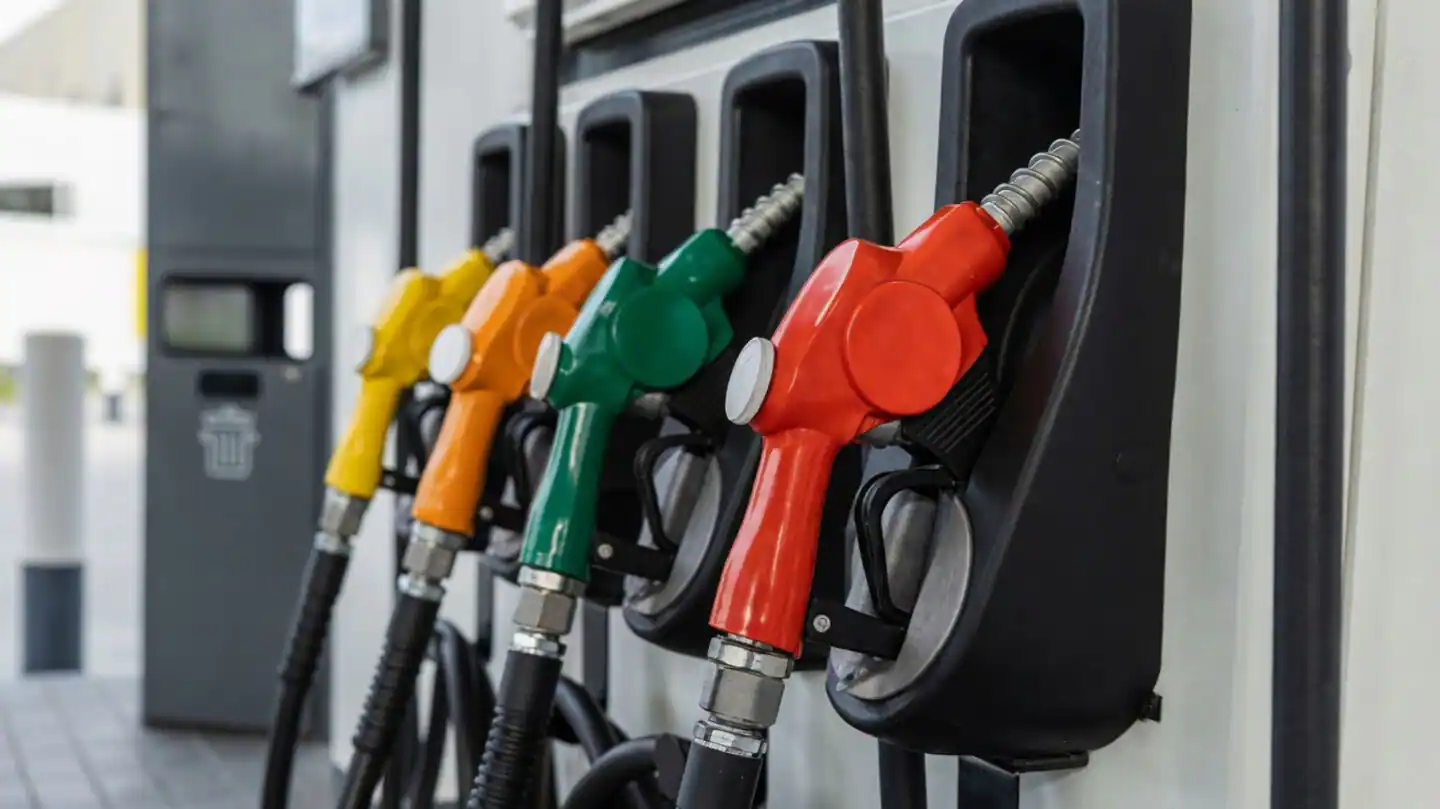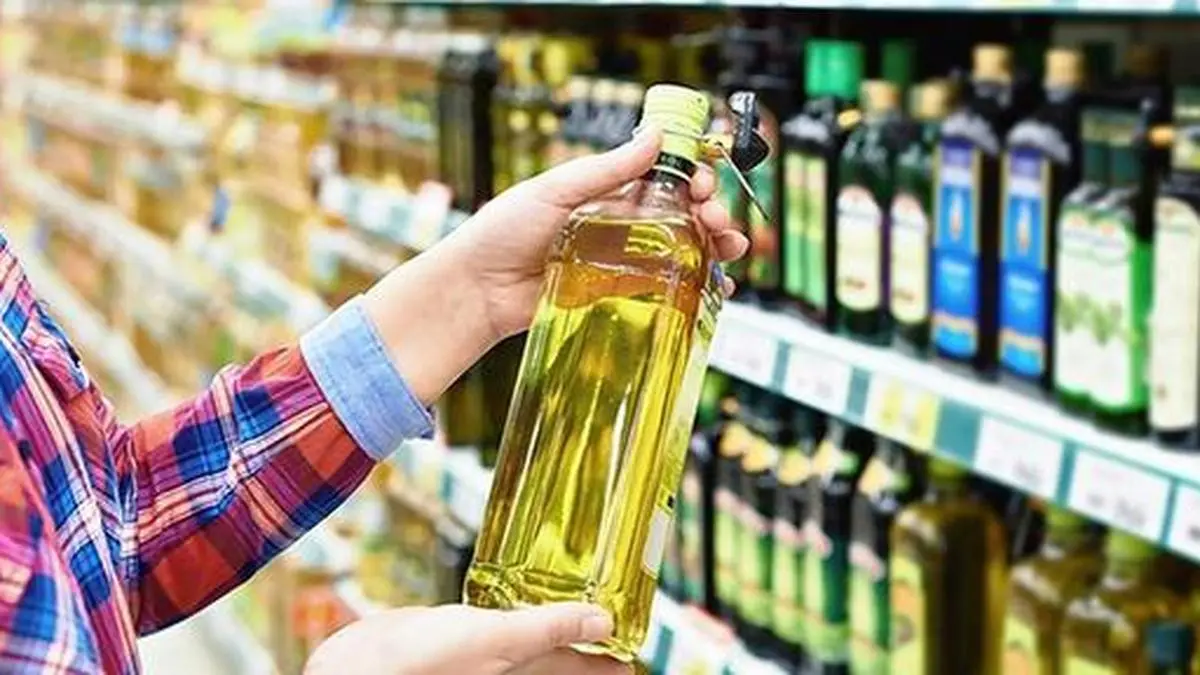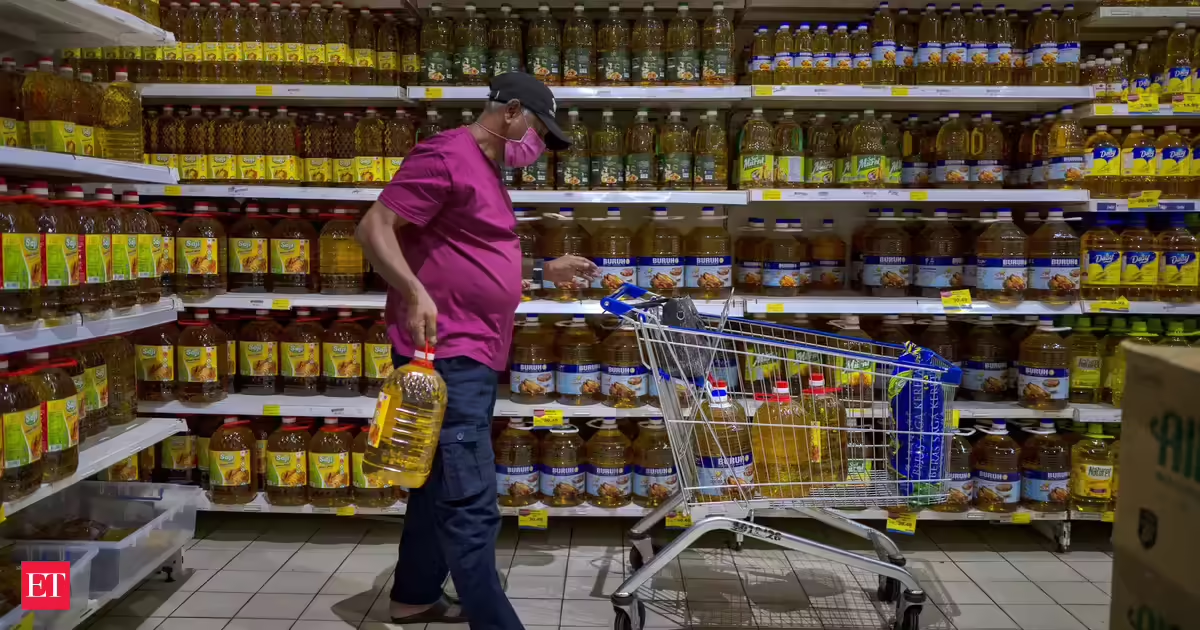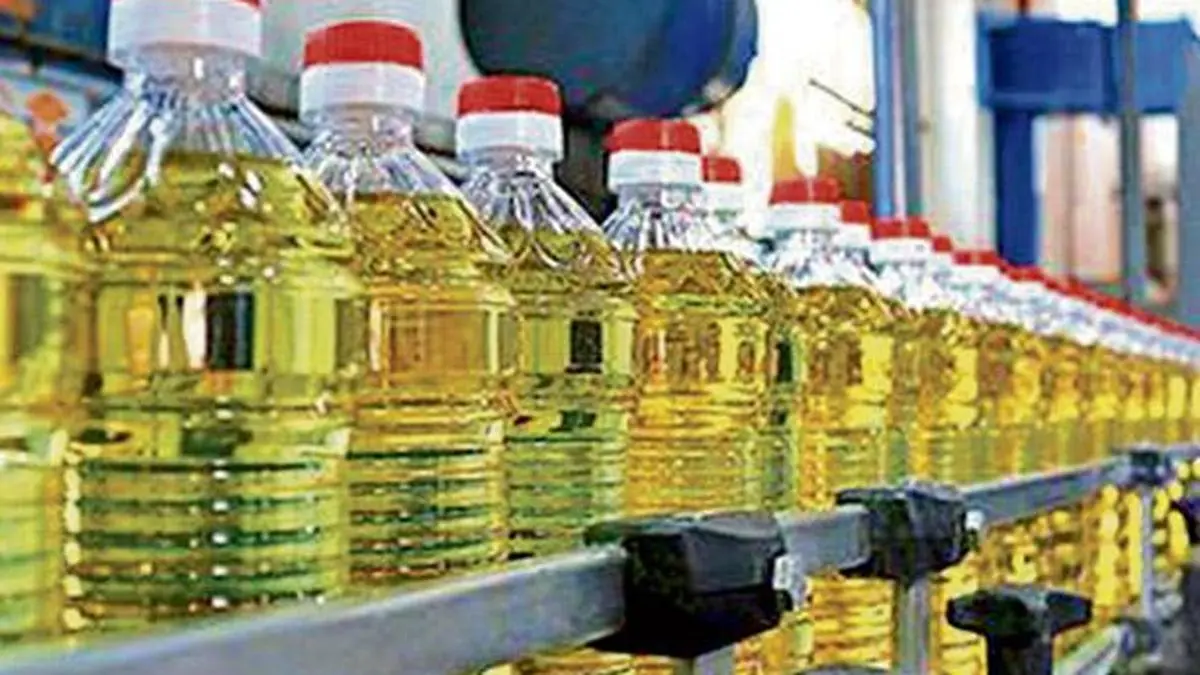
While analysts and media discuss the fuel price hike and whether it will offset war-induced losses of oil marketing companies, the real inflation story is quietly unfolding in the kitchen.Edible oil companies, facing a sharp rise in import costs of palm, soybean, and sunflower oils, have adopted a subtle and more hostile way to pass-on the impact onto consumers.Instead of visibly raising prices, they have chosen a two-pronged approach: marginal price hikes initially followed by a steady reduction in pack sizes.For example, the one-litre pouch of many branded edible oils are being replaced by ones weighing 750 gm, 800 gm, 840 gm and 870 gm. This makes it difficult for price-sensitive consumers to compare and purchase the cheaper oil. This practice is known as shrinkflation.The result? A silent escalation in the effective price per litre, taking retail prices at an all-time high. The previous record high prices prevailed during the post-Covid period — that is, from mid-2021 — when a host of factors such as lower output in Malaysia and Indonesia amid labour shortages, increase in oilseed-based biodiesel production and supply chain disruptions created shortages.Prices remained elevated for a longer period as a ban on palm oil exports by Indonesia in early 2022 further hit supplies for a reasonable period. Indonesia supplies nearly 4.5-5 million tonnes of palm oil or about 20 per cent of India’s annual edible oil demand pegged at 25 million tonnes.Unlike fuel price hikes, which ignites an immediate furore among people and the media, this calibrated shrinkflation is largely going unnoticed. Consumer activists and regulatory institutions have not yet made any noise against the gimmick.Why price hikes?While the impact of the over four-year old Russia-Ukraine war on sunflower oil prices has largely been absorbed over the period, the 10-week war between the US-Israel combine and Iran had a massive disruption in supply chains, logistics and movement of goods across the globe, leading to unprecedented spike in the cost of transportation and retail energy prices.The situation forced edible oil surplus countries like Indonesia, Argentina, Brazil and the US to divert a bigger portion of cooking oil into biodiesel to manage the fuel costs.As a result the benchmark soybean oil prices on the CME Group in the US have risen over 21 per cent to 76.50 cents a pound, while crude palm oil prices have jumped over 14 per cent to 4,665 ringgits a tonne. Even sunflower oil prices have gone up significantly.The rupee slide to a record low of below 95 to the dollar from around 90.50 during the same period has also added to the cost of imported edible oils. Additionally, increase in the cost of insurance and allied activities has forced edible oil importers to raise prices.While most of the reasons for the rise in prices are beyond the control of the government, the heavy dependence on imports — 65-70 per cent of edible oil consumption — exposes India’s vulnerability.Under regulatory lensThe edible oil sector has always been under the lens of regulators with respect to packaging norms related to blending norms, vitamin content and wider gap between MRP and actual selling price.The price and weight anomaly would certainly invite regulatory attention. However, consumers will have to pay more for a prolonged period as the hike in energy prices will have cascading impact, pushing the medium-term base higher for all food prices.As far as the economic impact is concerned, edible oil fall under the oils and fats sub-group holding a weight of 3.56 per cent in the total Consumer Price Index. Oils and fats inflation in March had increased to 7.8 per cent from 7.4 per cent a month ago, and the same is likely to rise further in the coming months.The writer is a senior journalist and columnist on commodities and agri marketsPublished on May 22, 2026
Blips in edible oils trade
Weight of branded oils being reduced on the sly
633 words~3 min read