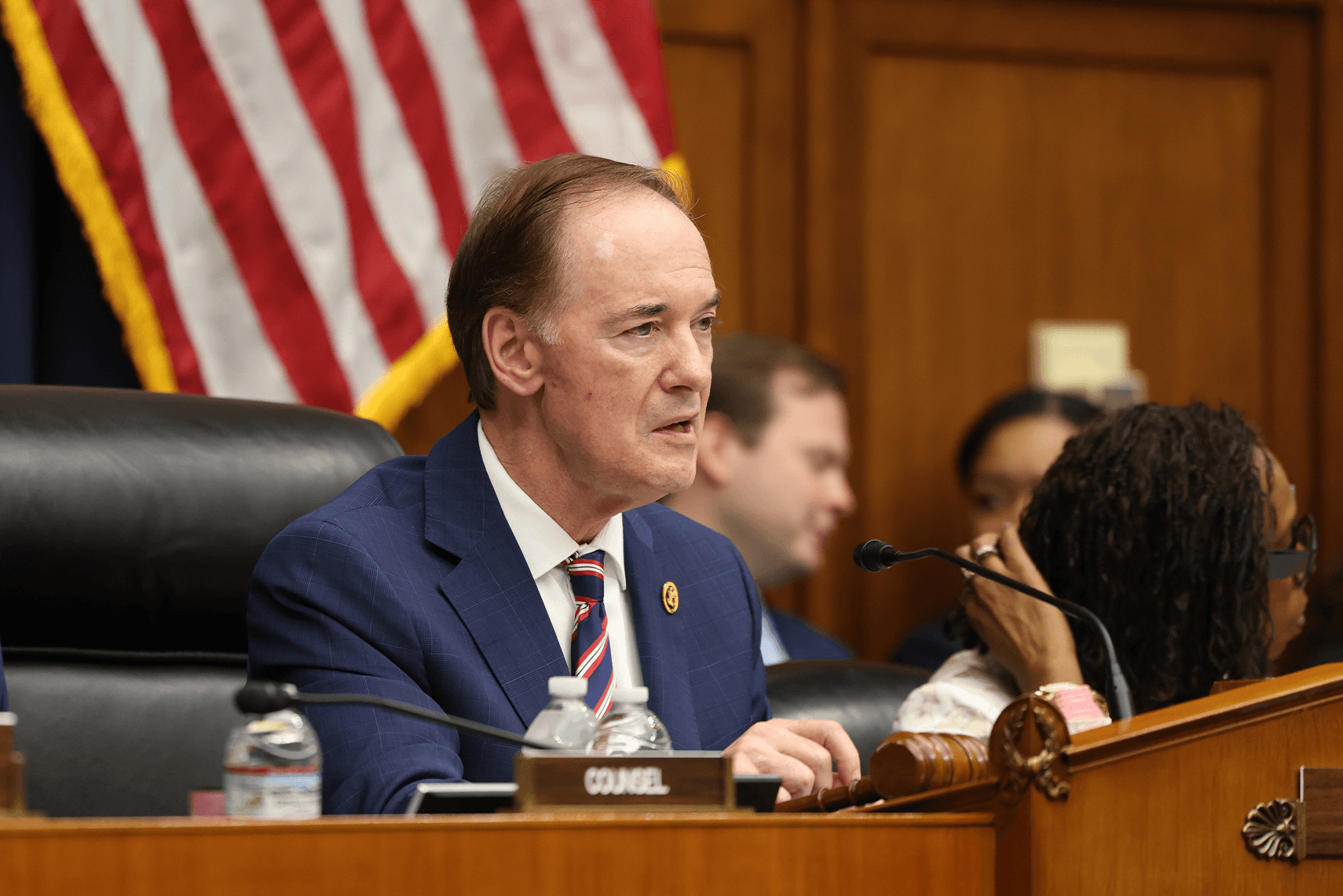
Members of a congressional subcommittee this week questioned utility leaders and state officials about their knowledge of preexisting problems with the sewage line that collapsed on Jan. 19 near the Potomac River.
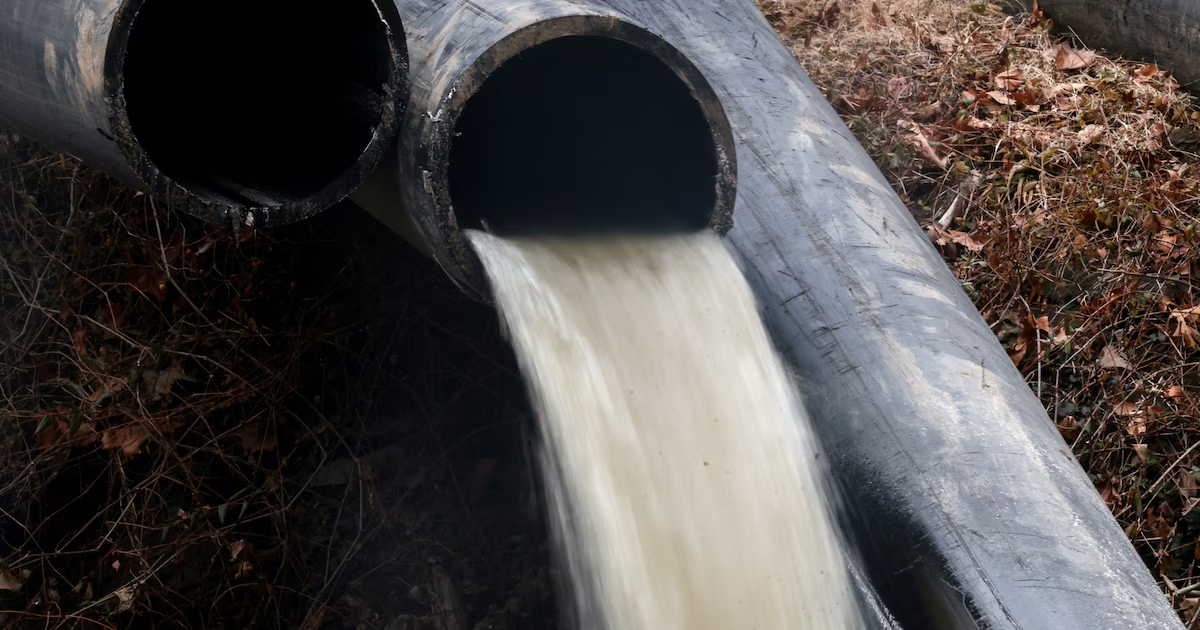
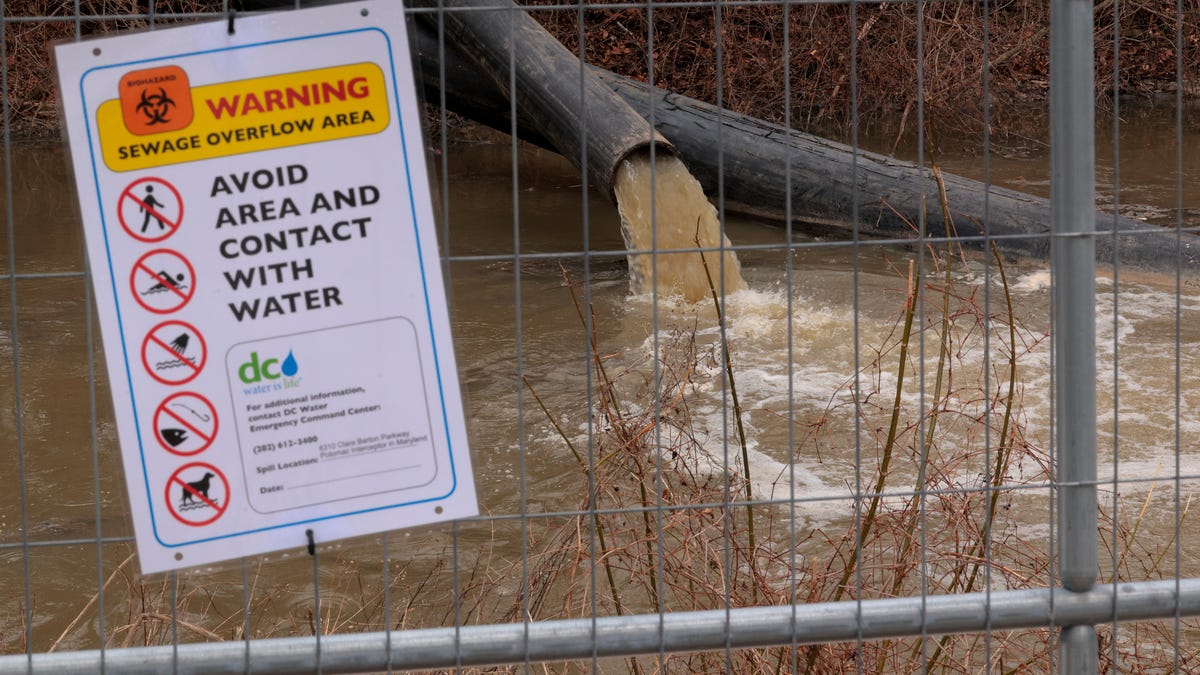
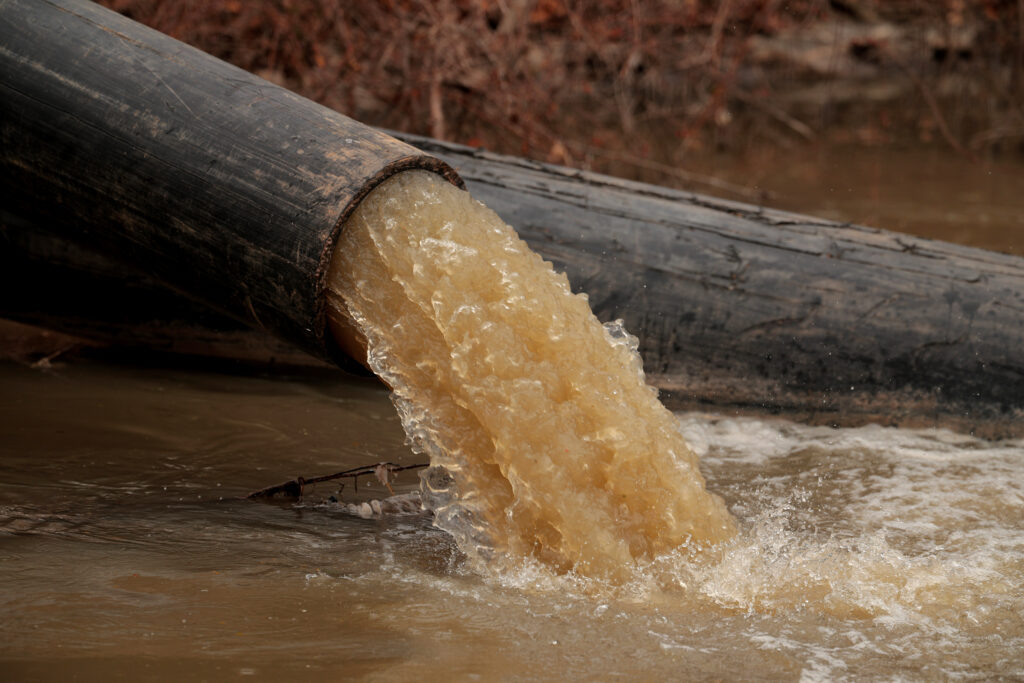
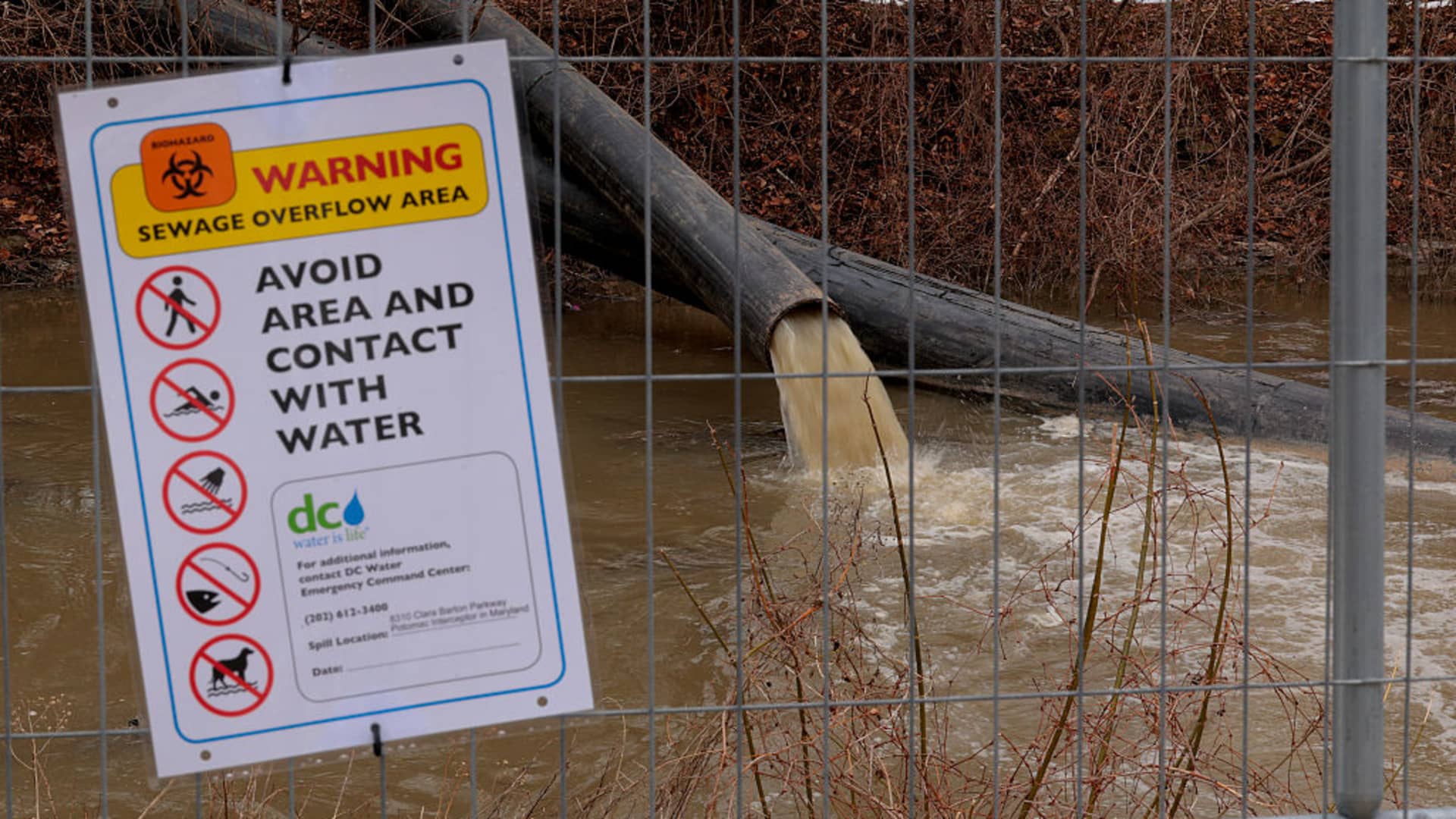
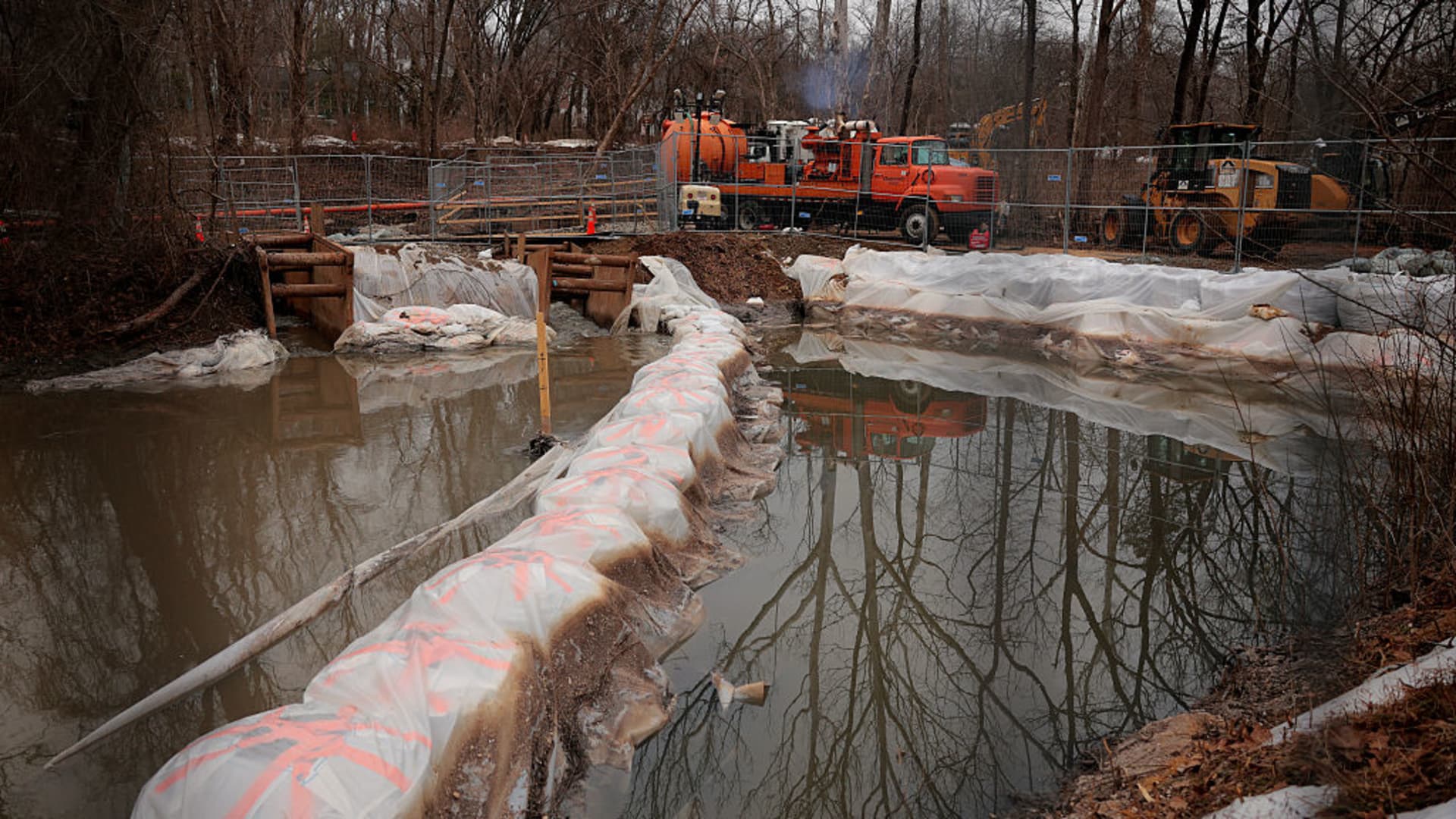
According to the University of Maryland’s School of Public Health, the incident was “one of the largest sewage spills in U.S. history.” More than 242 million gallons of untreated wastewater spilled into the Potomac River after a section of the 72-inch-diameter Potomac Interceptor sewer line collapsed.
Answering questions from Rep. John Joyce (R-Pa.), the head of the utility that oversees the Potomac Interceptor said at the House Subcommittee on Oversight and Investigations hearing Wednesday that the sewage pipe was debilitated by “boulders that fell into the pipe.” David Gadis, chief executive officer of DC Water, added that he was not aware of the dangerous potential they posed to this part of the pipeline but knew about the existence of boulders around the pipes since 2018.
“We’re hopeful that we do not have another break like this one,” Gadis said. “But there are no guarantees when dealing with aging infrastructure that’s more than 60 years old.”
Rep. Frank Pallone (D-N.J.) said the country’s water infrastructure desperately needs investments in repairs and system upgrades. He said President Donald Trump is ignoring water system infrastructure, noting that his proposed Environmental Protection Agency budget cuts the clean water and drinking water state revolving funds that would provide water systems with “resources to make necessary repairs and improvements.”