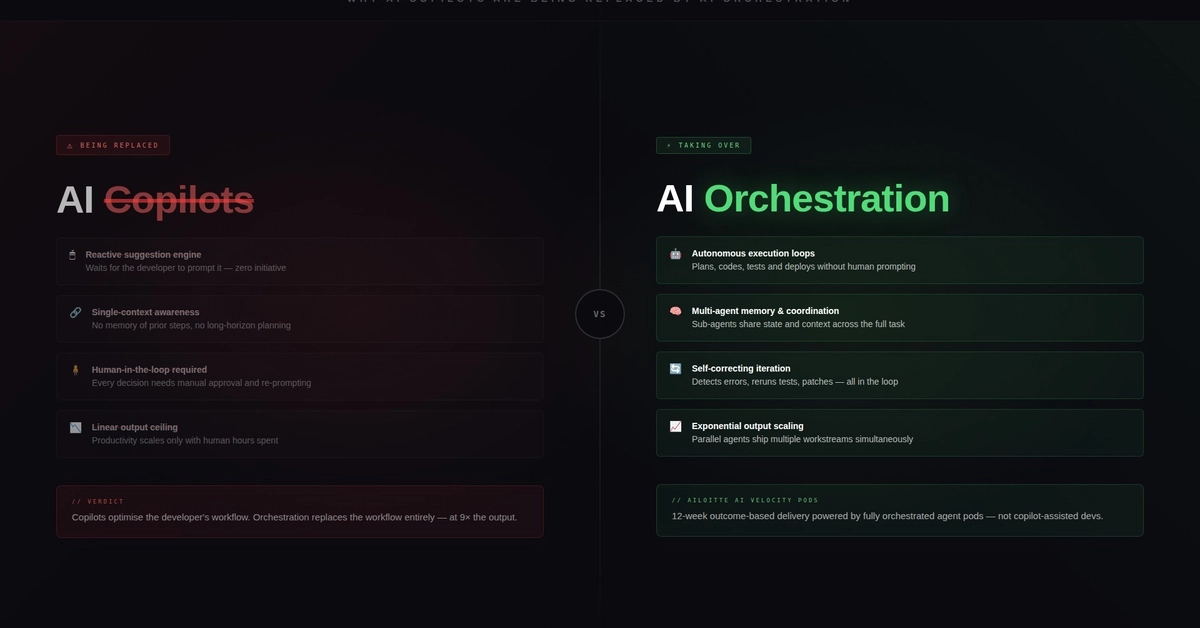
For years, AI inside software meant a chat widget bolted onto the corner of an application. You typed, the model responded with text, and you manually translated that output into whatever you actually needed it to do. It was useful the way a calculator is useful: functional, but fundamentally passive. CopilotKit, a Seattle-based startup co-founded by Atai Barkai and Uli Barkai, has spent the last two years arguing that the model is broken — and in 2026, the developer community is agreeing loudly.
Give CopilotKit a ⭐️ on GitHub
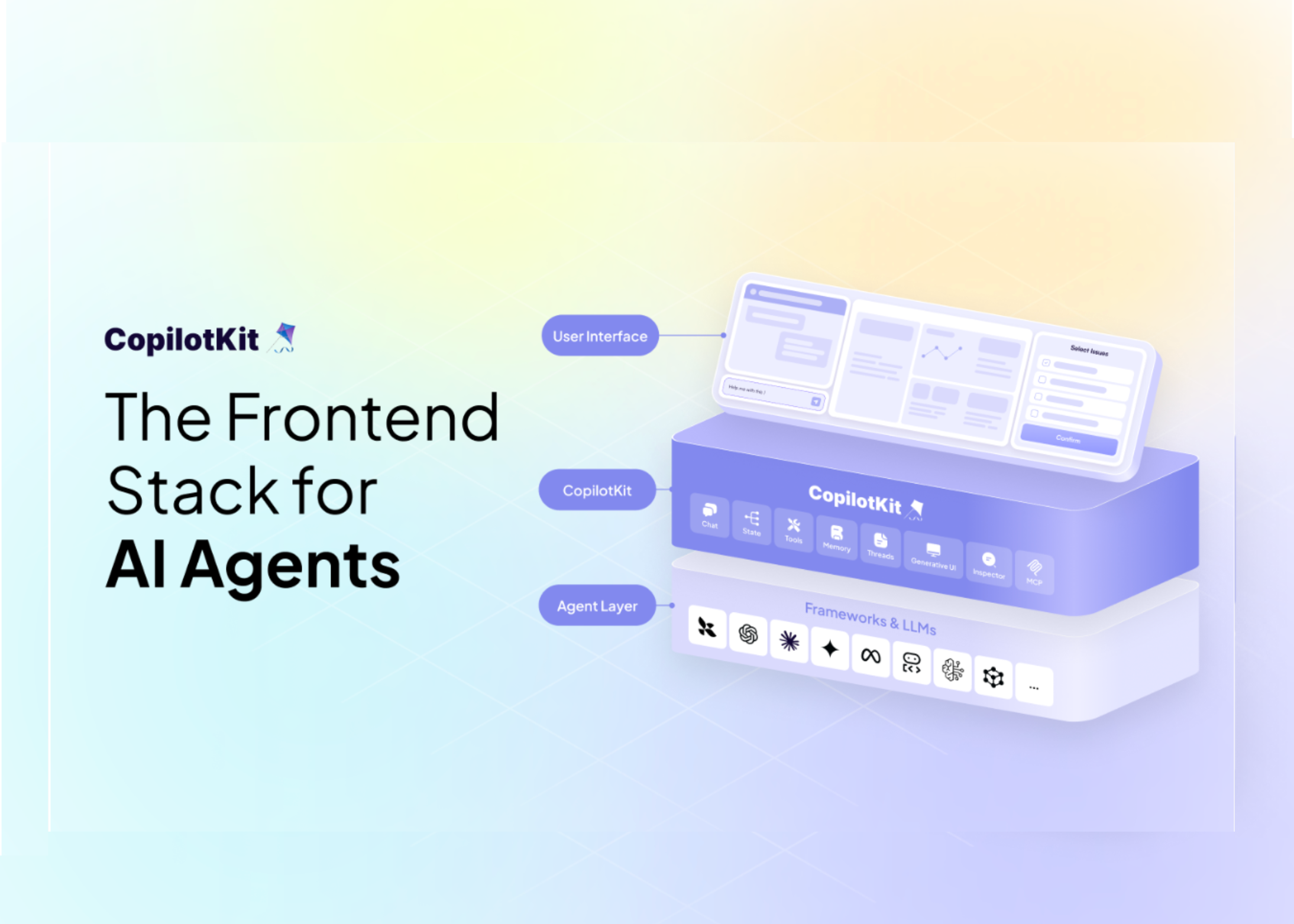
The company’s approach is straightforward: the way forward is to enable agents to live inside applications, understand what users are doing, take actions, and show useful interfaces instead of just returning long blocks of text. That approach has produced a sharp 2026 shipping cycle covering three distinct infrastructure gaps, knowledge retrieval, testing reliability, and runtime persistence with each release targeting the unglamorous, often-skipped architecture that separates agent demos from production-grade systems.
The Protocol Foundation: AG-UI Fills the Missing Slot
Before the new tooling makes sense, the protocol layer underneath it needs to. The agentic ecosystem has quietly assembled a three-layer stack. MCP standardizes how agents access external tools and databases. A2A handles coordination between agents. AG-UI, created by CopilotKit, handles the third and previously unaddressed problem: the interaction layer between agents and human users inside software applications.