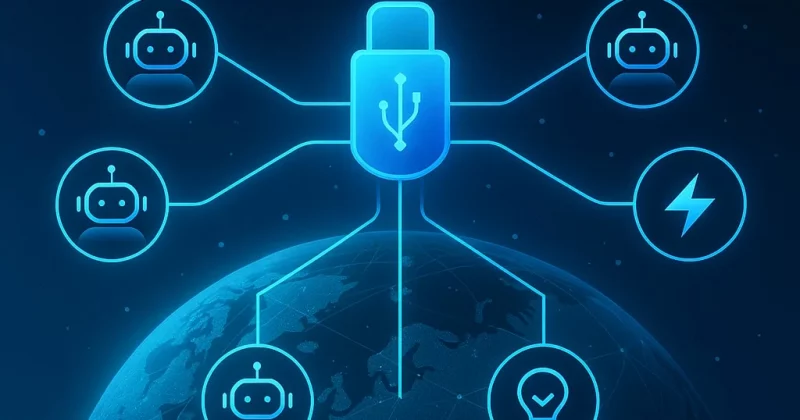
Building an AI agent on a decentralized network has traditionally felt like assembling IKEA furniture without the instructions, in the dark, while the furniture argues with you about consensus mechanisms. Fetch.ai is trying to change that by streamlining its developer toolkit into two core components: the uAgents Python framework and ASI:One, a unified AI layer designed to collapse complexity into something a developer can actually ship with.
The goal is straightforward. Combine natural language reasoning with agent-building tools so developers spend less time wrestling with infrastructure and more time creating agents that do useful things.
What the uAgents framework actually does
At its core, uAgents is a lightweight Python library. It supports Python versions 3.10 through 3.13, which means most developers won’t need to overhaul their existing environments to get started.
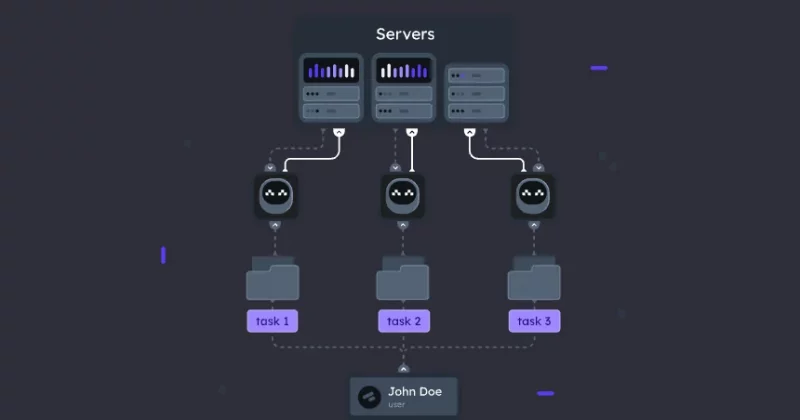
In English: if you can write Python, you can build a decentralized AI agent. The framework handles the plumbing, things like peer-to-peer communication, message handling, and integration with Fetch.ai’s broader Web3 infrastructure, so developers can focus on what their agent is supposed to accomplish rather than how it talks to other agents.