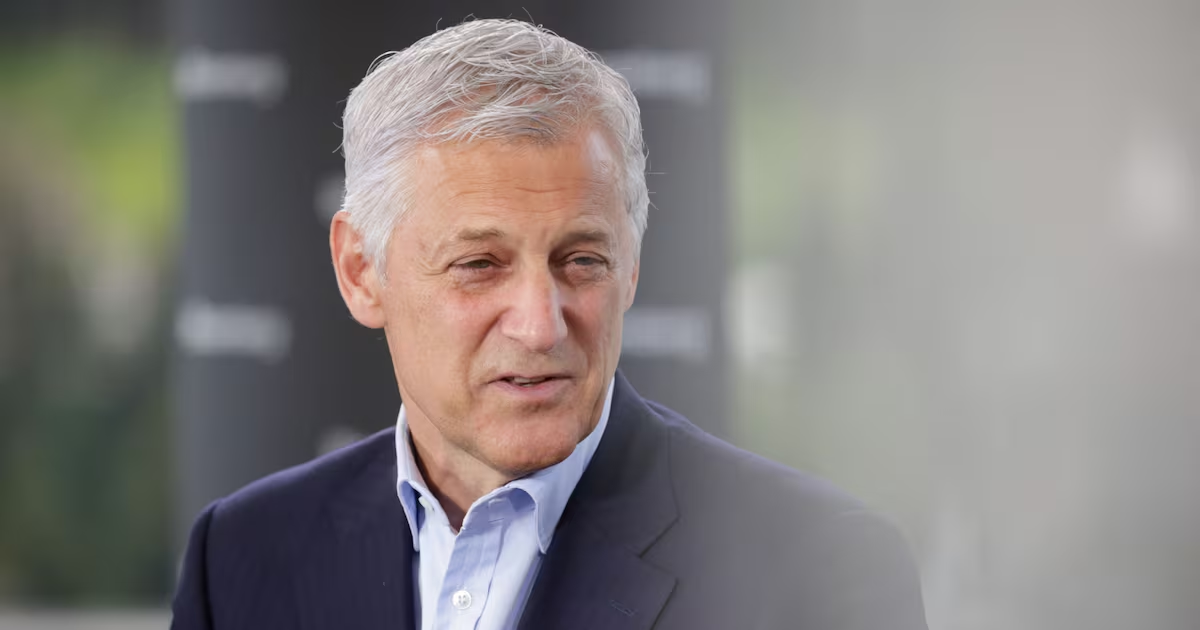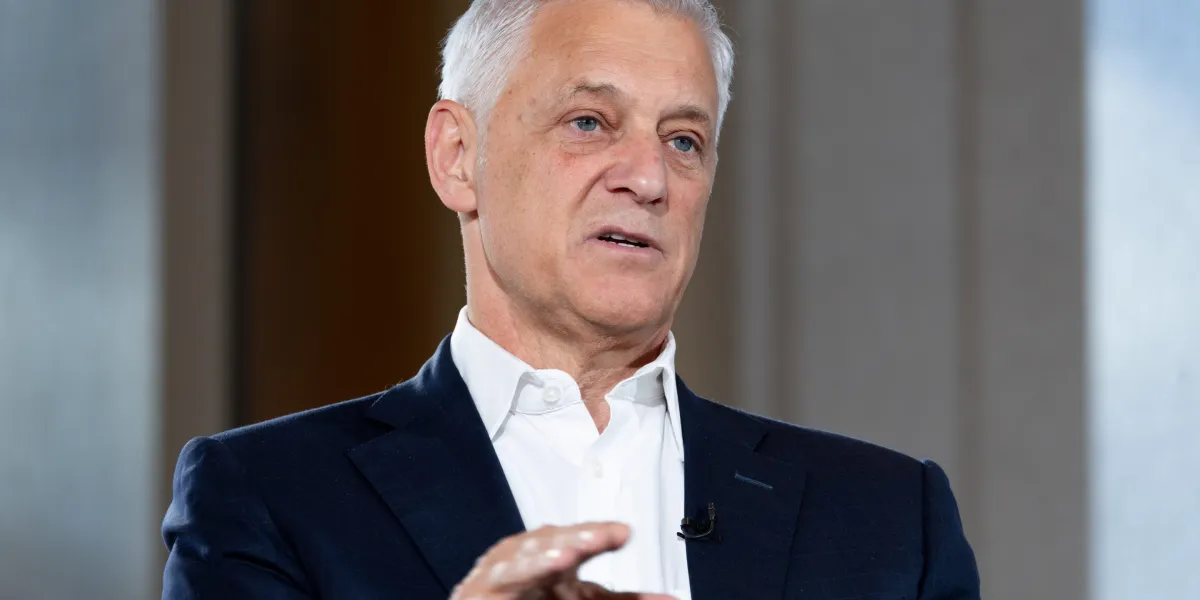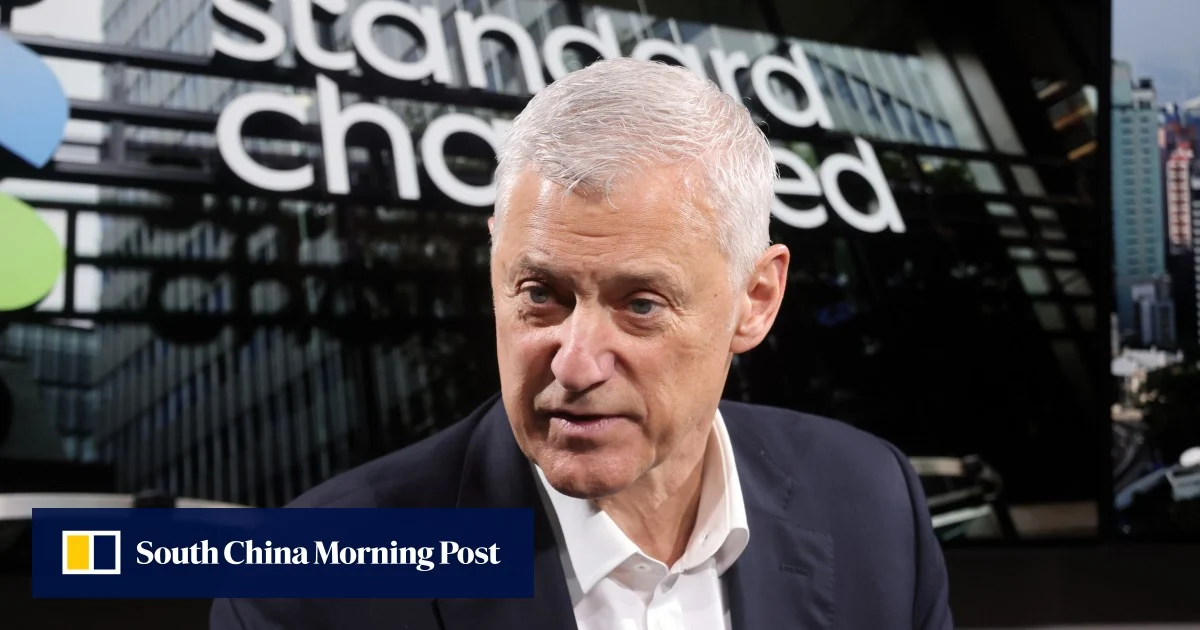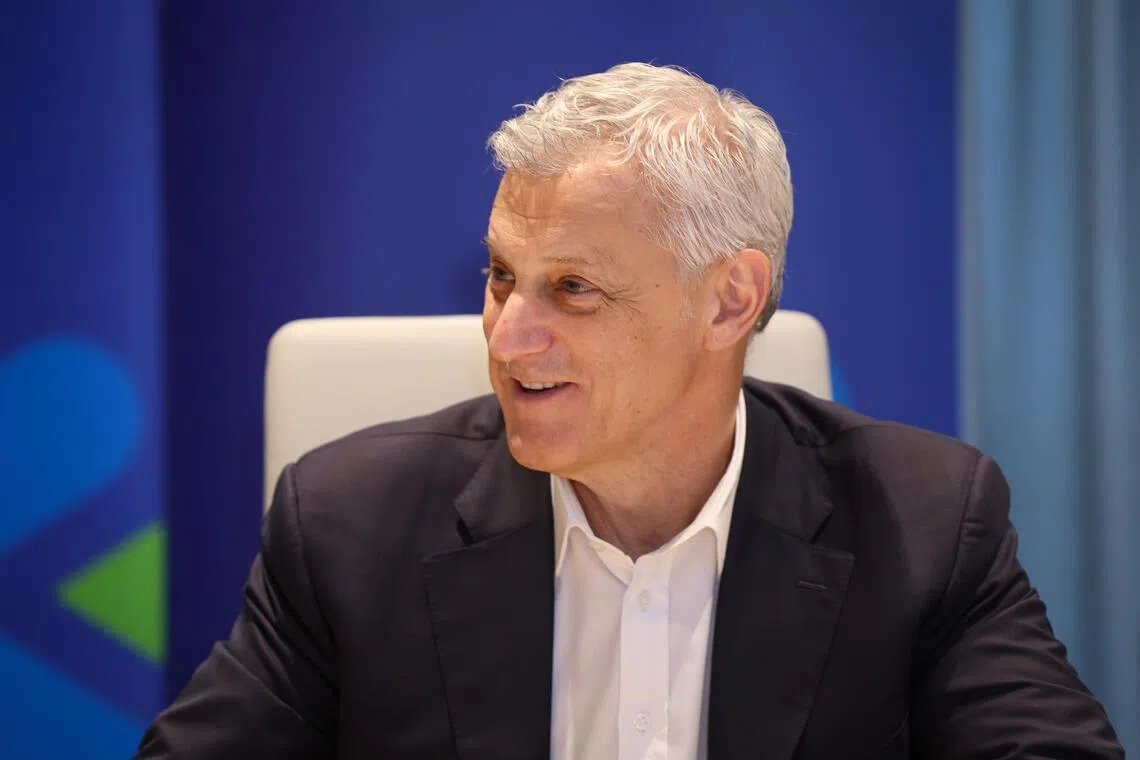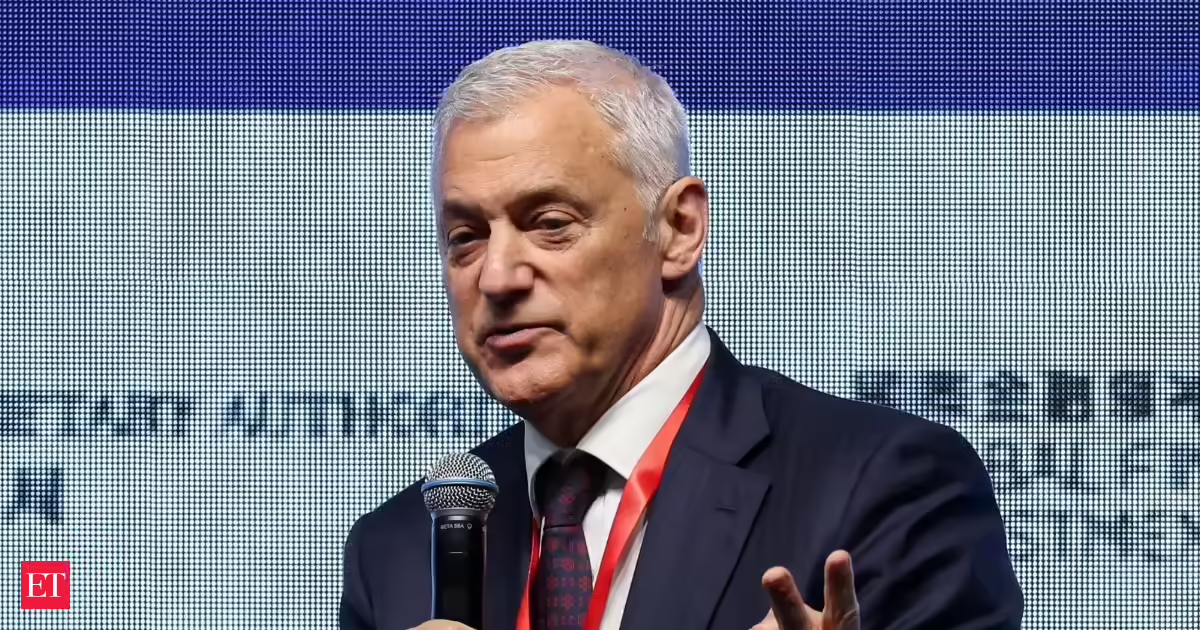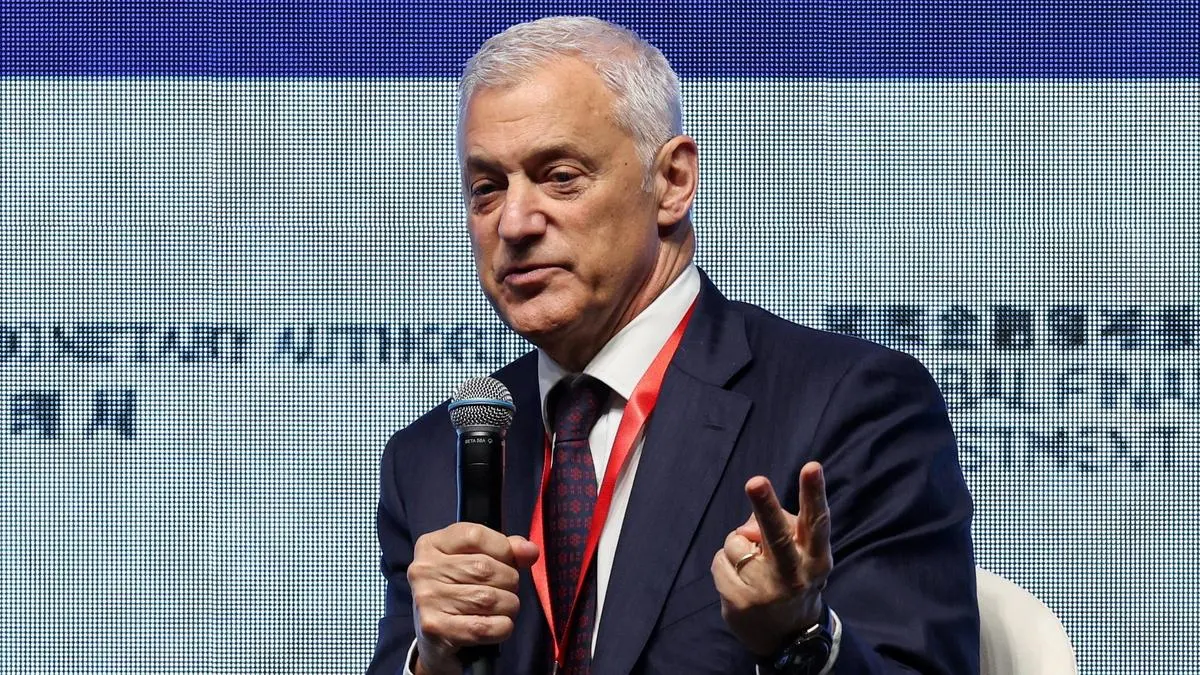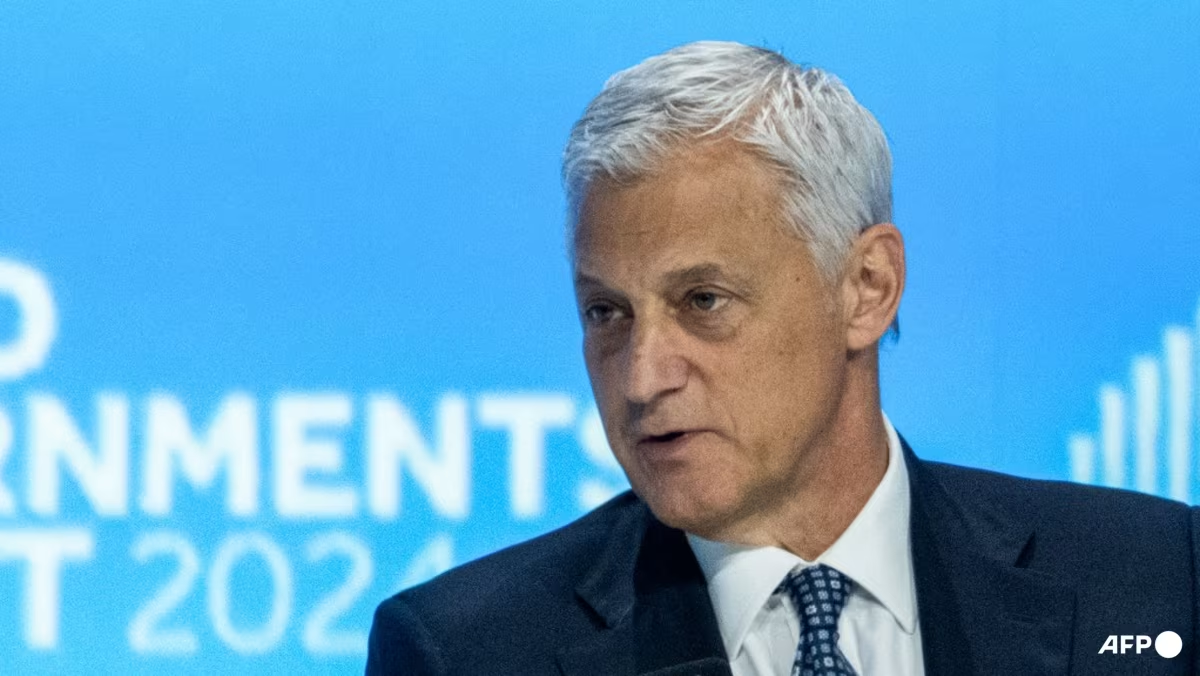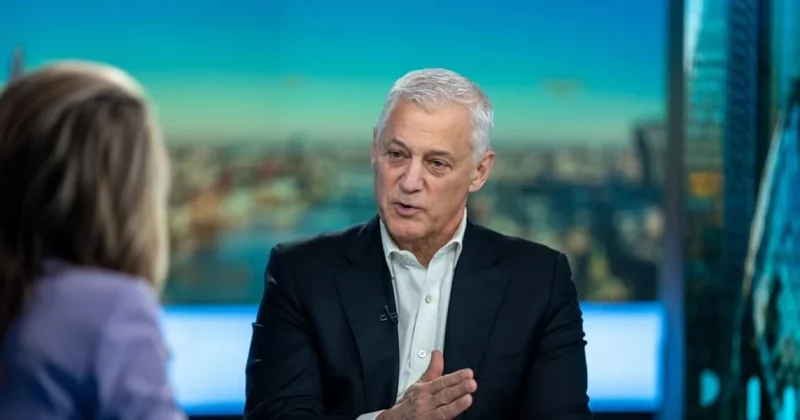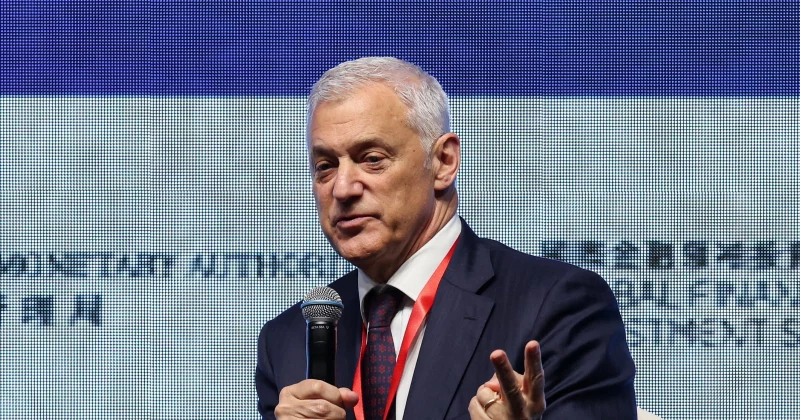
There are things you can say in a boardroom that you probably shouldn’t say into a microphone. Standard Chartered CEO Bill Winters learned that the hard way after an investor briefing where he described certain bank positions as “lower-value human capital,” prompting regulators in two of the bank’s most important markets to pick up the phone.
During a May 19 investor presentation, Winters laid out a plan to eliminate more than 7,000 jobs, roughly 15% of the bank’s back-office and support workforce, by 2030. The cuts target corporate functions including risk, compliance, and human resources, with AI and automation stepping in to fill the gaps. Standard Chartered employs around 81,000 people globally, including contractors.
Regulators want receipts
The Hong Kong Monetary Authority and the Monetary Authority of Singapore both reached out to Standard Chartered seeking clarification on what these cuts mean for local employment. Their core question: is AI actually driving these decisions, or is the technology being used as convenient cover for old-fashioned cost-cutting?
What’s different here is that Winters explicitly tied the reductions to artificial intelligence, making Standard Chartered one of the first major global banks to publicly frame workforce strategy as an AI story rather than an efficiency story.