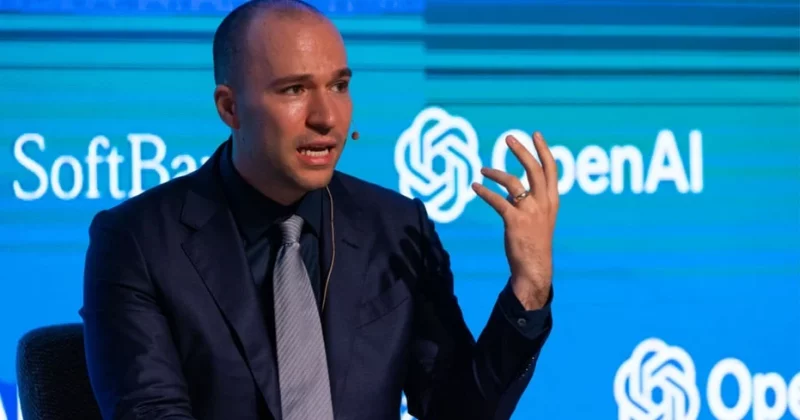
When OpenAI launched in December 2015, the pitch was simple: build artificial general intelligence safely, make it benefit humanity, and do it all as a nonprofit. A decade later, co-founder Greg Brockman sits on a personal stake worth roughly $30 billion in what is now a Delaware public benefit corporation.
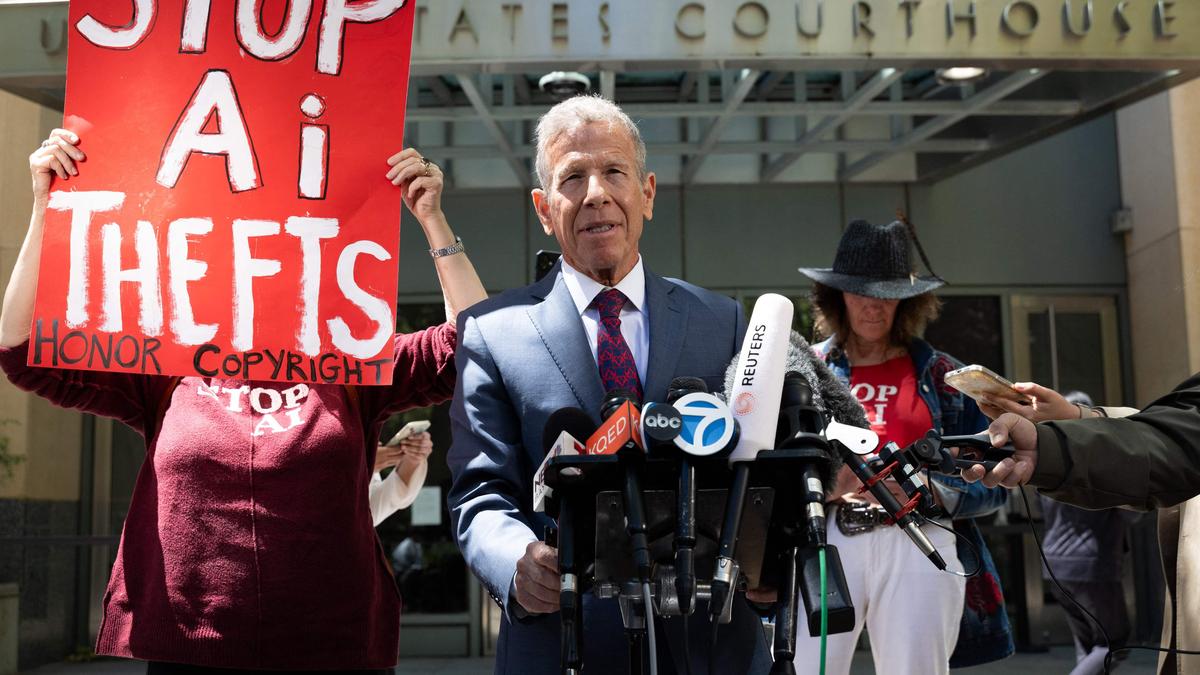
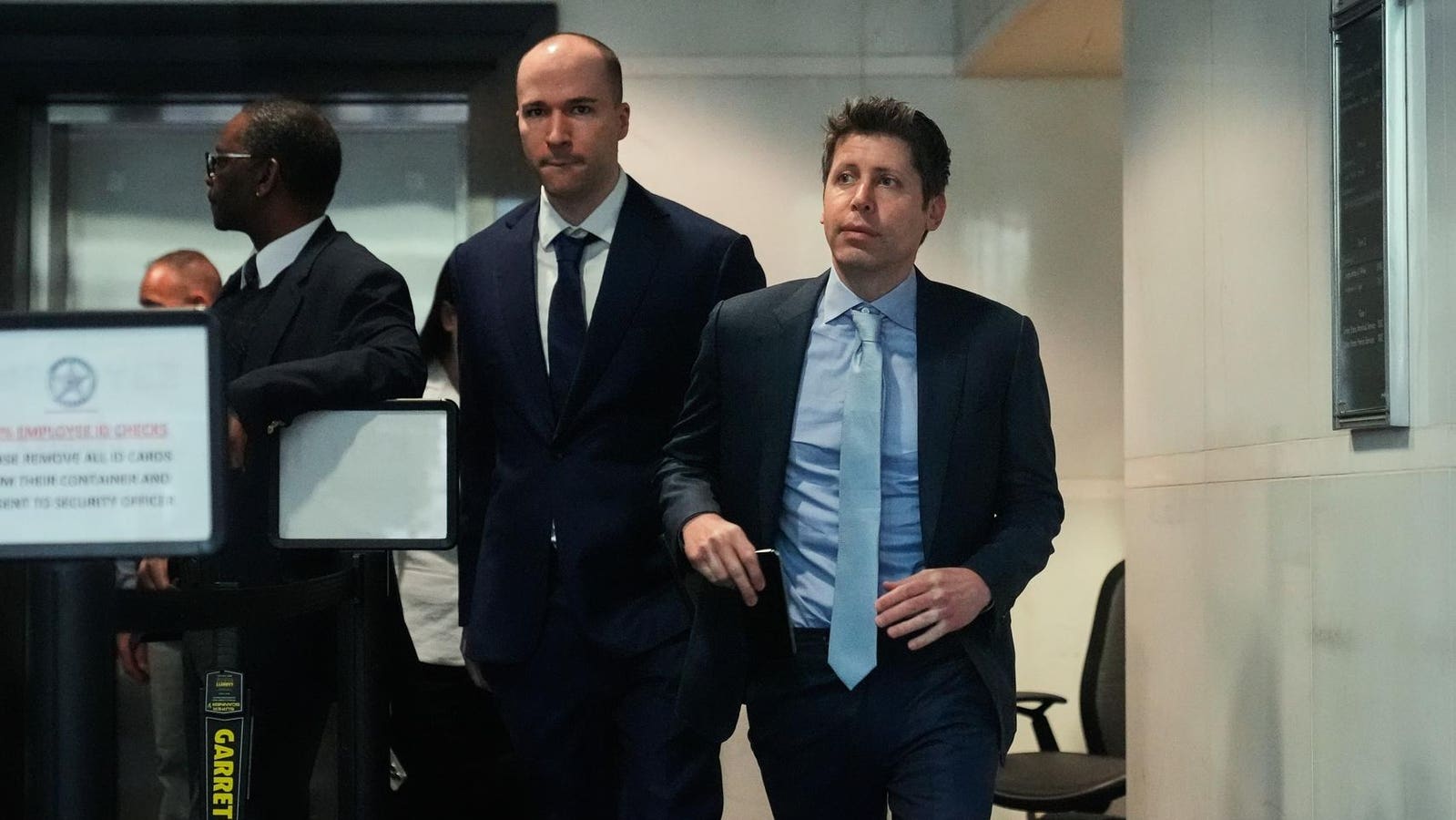
Brockman, who served as OpenAI’s president, has been offering a detailed account of that transition during court proceedings in the ongoing Elon Musk v. OpenAI federal lawsuit. His testimony, combined with personal diary entries from 2018 and 2019, paints a picture of an organization that realized its original structure simply could not survive contact with the economic realities of cutting-edge AI research.
The compute problem that changed everything
Brockman’s diary entries from March 2019 made this explicit. Compute, he wrote, was the vital resource necessary for advancing AI. Not talent, not ideas, not good intentions. Raw processing capacity.
That realization drove the creation of OpenAI LP in 2019, a capped for-profit subsidiary designed to attract the kind of capital that a pure nonprofit never could. Microsoft showed up with a $1 billion investment, and that initial billion eventually ballooned to more than $13 billion in total investment from Microsoft alone.