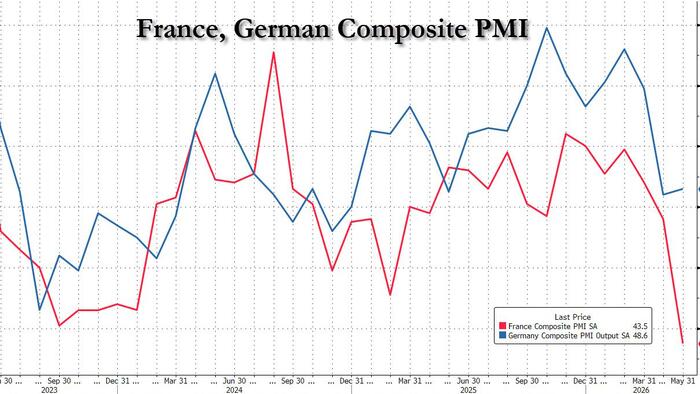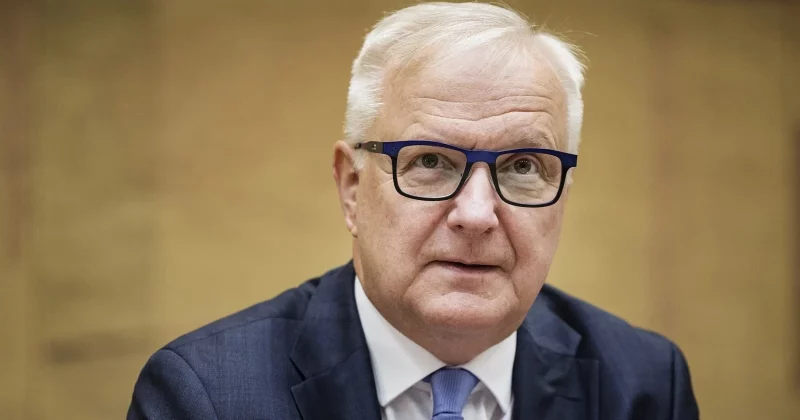
Olli Rehn, a member of the European Central Bank’s Governing Council, said he sees “few signs yet” that high inflation is becoming embedded across the eurozone. The statement lands at an interesting moment: inflation held steady at 3% in April, growth is decelerating, and the ECB is staring down what Rehn himself described as the bank’s “adverse scenario.”
What Rehn actually said
Rehn, who also serves as Governor of the Bank of Finland, framed his comments carefully. The 3% April inflation reading, he noted, was driven primarily by fuel price increases tied to ongoing geopolitical tensions rather than broad-based price pressures working their way into wages and business costs.
Rehn’s assessment is that the eurozone isn’t there yet. Fuel costs are spiking because of geopolitical instability, not because inflation expectations have become unanchored in the minds of consumers and businesses.
He also acknowledged that any future interest rate hikes from the ECB would be aimed at preserving the credibility of the bank’s policy framework. Not as a response to runaway inflation, but as a signal to markets that the ECB takes its mandate seriously.