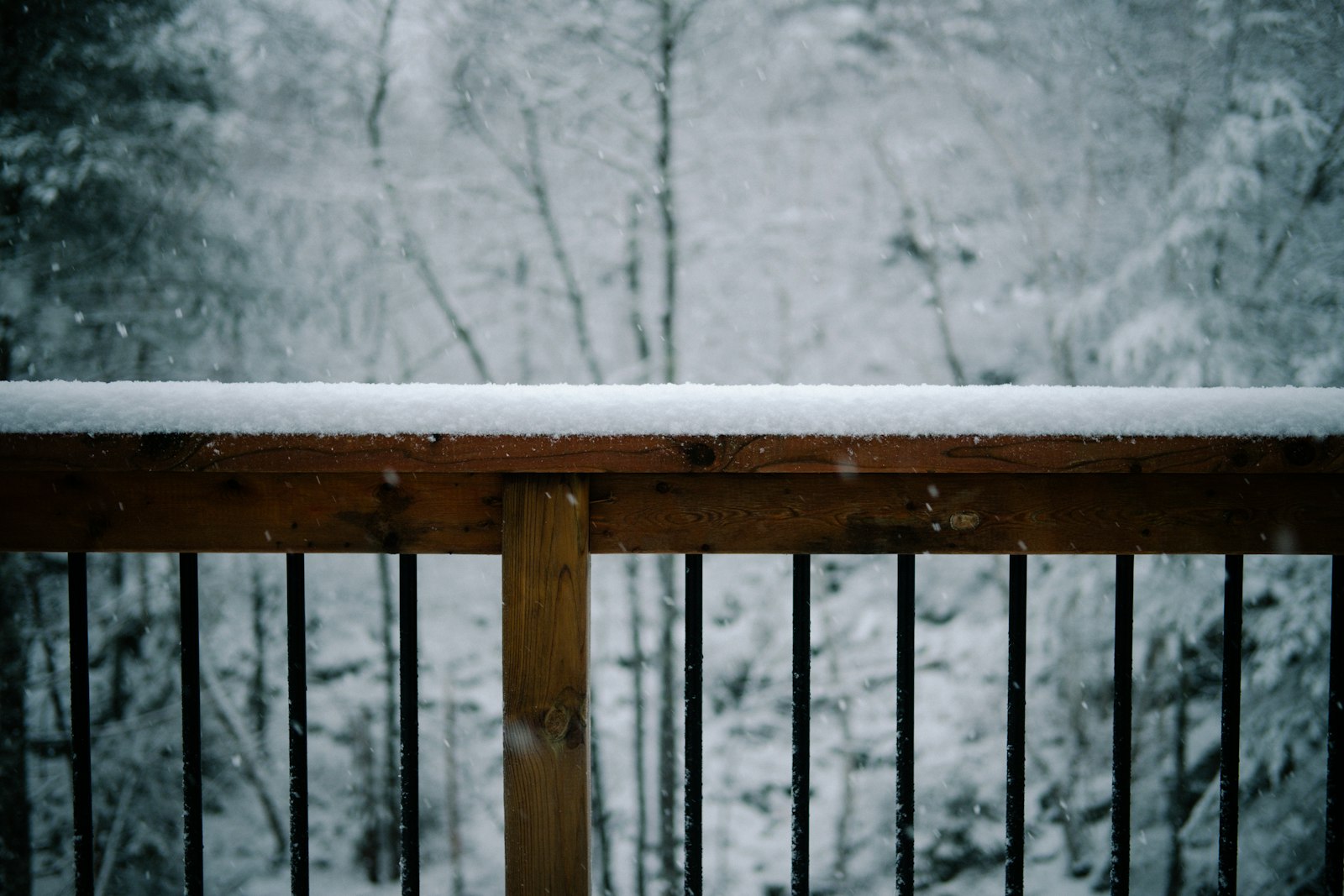
Few building materials get stress-tested as hard as an outdoor deck in the Chicago area. Between January cold snaps, late-winter freeze-thaw swings, soaking spring weeks, and high-UV summers, a deck here lives through nearly every kind of stress a material can face — often inside a single year.
For homeowners weighing wood against composite, the real question isn't which looks best on installation day. It's which one still looks and performs that way a decade later.
Why freeze-thaw is the real villain
It's tempting to blame extreme cold. The real culprit is the freeze-thaw cycle — temperatures crossing the freezing point dozens of times every shoulder season. Each crossing works like a tiny lever inside any moisture the material has absorbed: water expands ~9% in volume when it freezes, contracts when it thaws, and repeats. Over years, that lever loosens screws, splits board ends, pops fasteners, and opens surface checks that let in still more water.
A material's real-world lifespan in northern Illinois is mostly a function of one thing: how little water it lets in before the freeze cycle can act on it. Sun and humidity drive surface aging. Freeze-thaw drives structural damage.