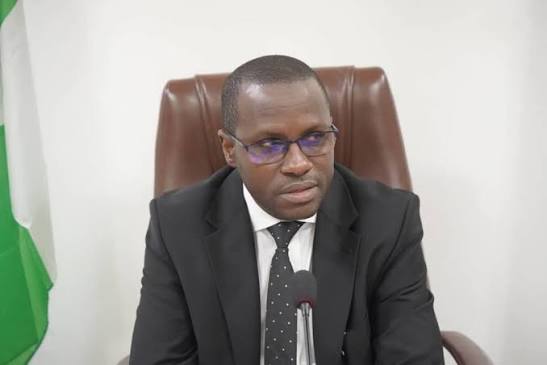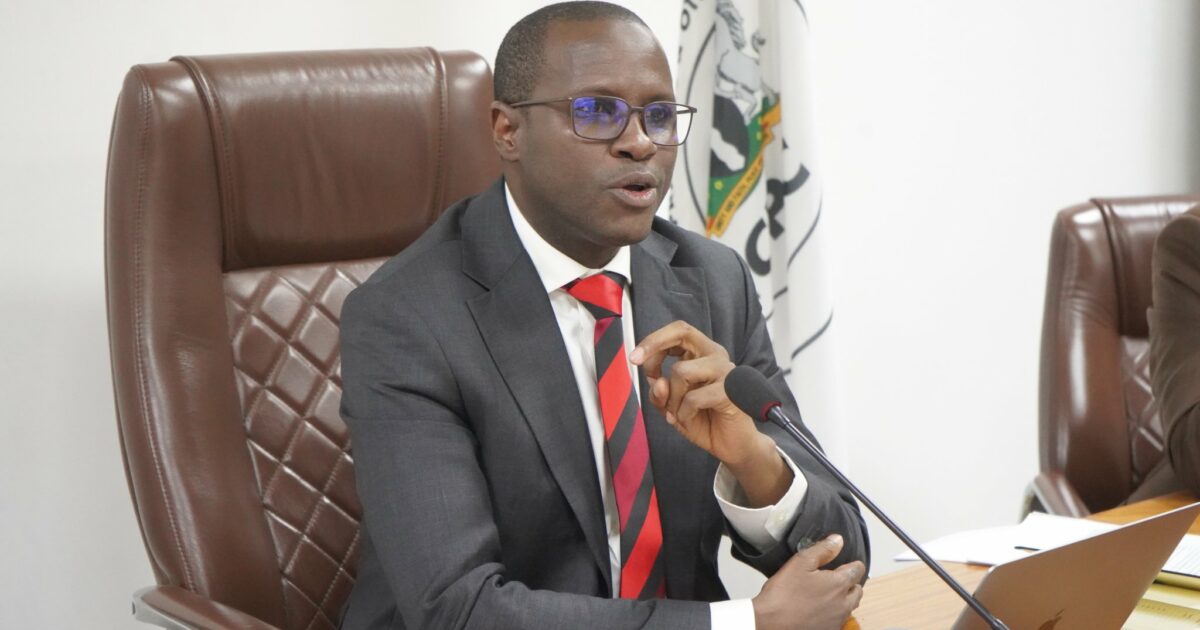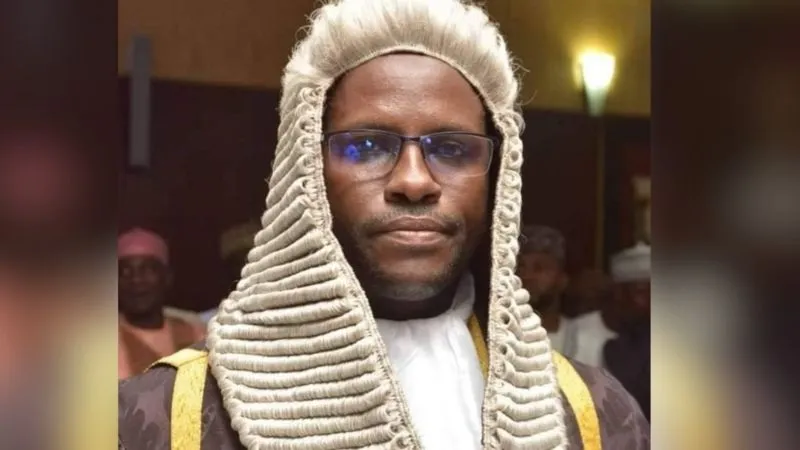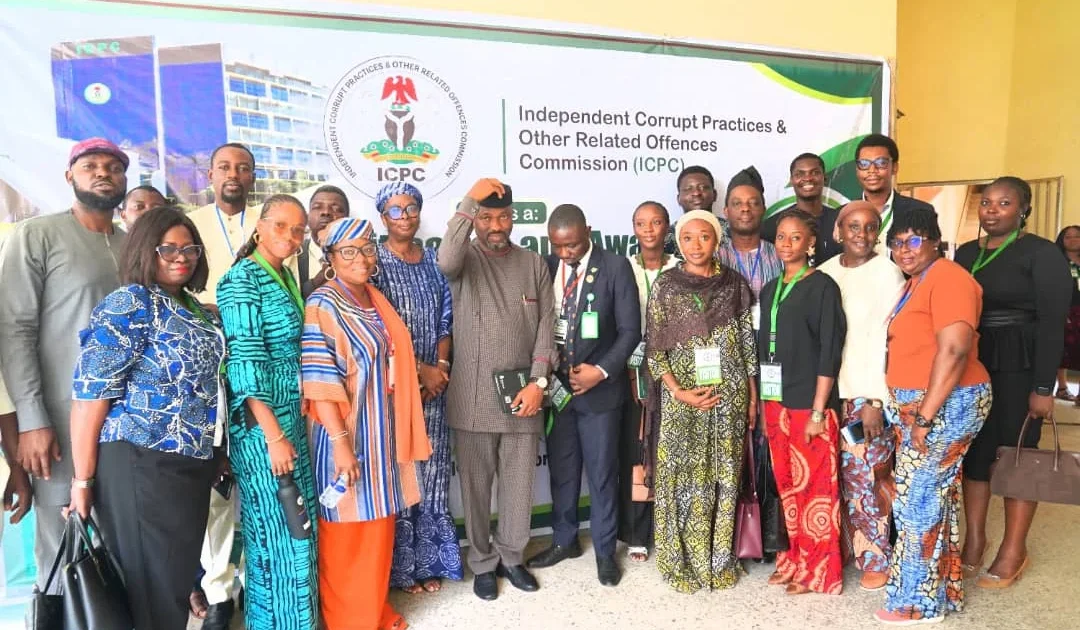
Musa Aliyu, the Chairman of ICPC
Under Musa Aliyu’s leadership, the ICPC increasingly appears to be transitioning from a reactive anti-corruption structure into a preventive, intelligence-driven, and technology-oriented institution… If sustained with professionalism, political independence, and institutional discipline, this evolving framework may gradually restore public confidence, strengthen governance standards, and move Nigeria closer to the accountable society its citizens have long demanded.
The controversy surrounding the detention of former Kaduna State Governor, Nasir El-Rufai, has once again thrust the Independent Corrupt Practices and Other Related Offences Commission (ICPC) into the centre of national debate.
While members of El-Rufai’s family accused the Commission of unlawful treatment, denial of medical access, and disregard for court directives, the response issued by the ICPC through its spokesperson, John Okor Odey, exposed a dimension of Nigeria’s anti-corruption conversation that is often overlooked: institutional professionalism, procedural accountability, and disciplined public communication.
Rather than descending into emotional exchanges or politically charged rhetoric, the Commission chose the path of institutional clarification. It explained its visitation procedures, addressed the claims regarding medical access, and defended its conduct within established operational regulations. According to the Commission, the former governor had been granted supervised medical access in line with detention protocols applicable to all detainees, regardless of social or political status.