Commentary
May 21, 2026
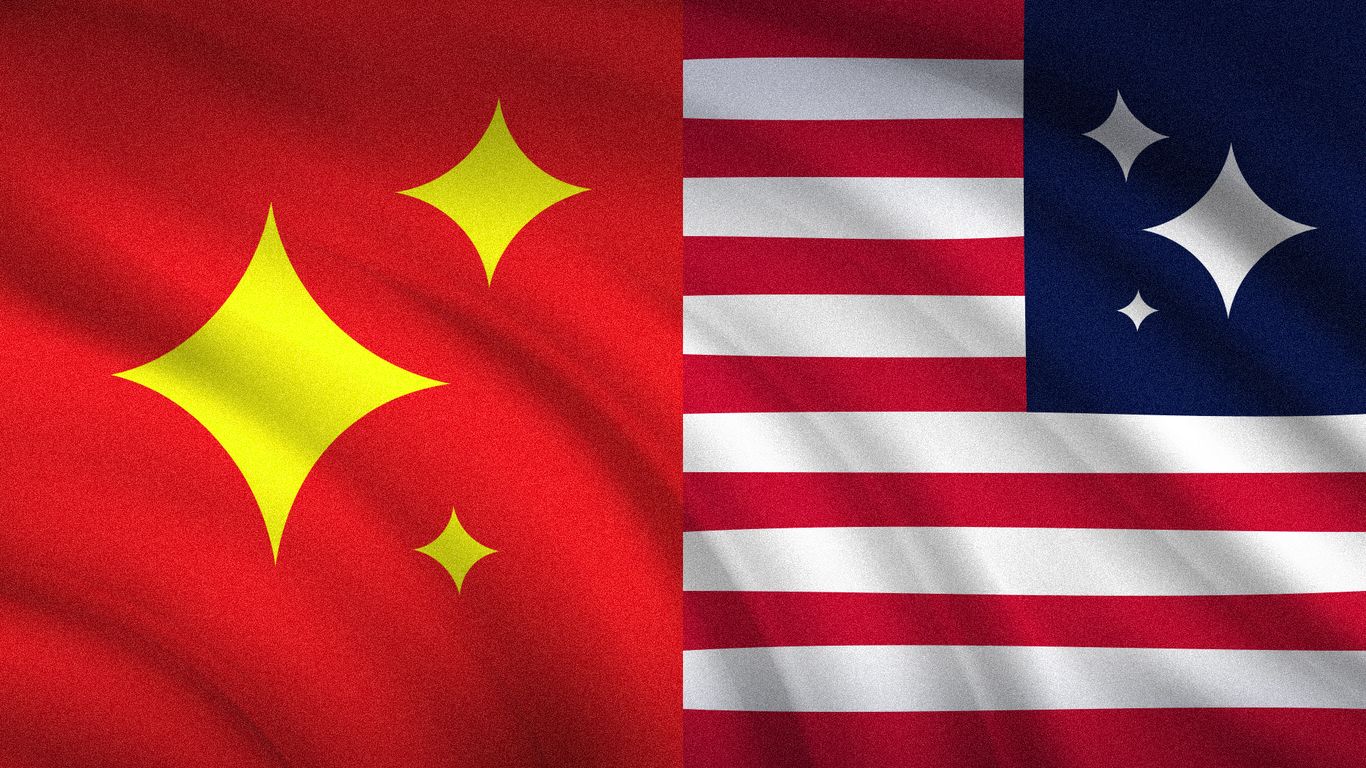
America’s China policy is stuck. We have gone too far down the path of competition with China to return to the earlier era of comity and commerce, which had always been tenuous and troubled anyway. Yet the path forward for competing with China is strewn with a thorny thicket of challenges. Most notably, future administrations will not be able to rely on the old pillars of U.S. preeminence: alliances, soft power, and a favorable balance of military and technological hard power. As the United States copes with a painful political reckoning at home and crises abroad, it risks falling behind in the competition with China—both in the Indo-Pacific and in a growing number of crucial domains.
Already, it is obsolete to call China a “rising power.” While China has not yet overtaken the United States, it has definitively arrived as a great power—a reality with which decisionmakers must already contend. And in this moment of geopolitical competition, the United States does not enjoy the preponderance of power that it did at the outset of the Cold War. At the end of World War II, the Soviet Union was a superpower but was far more bloodied and depleted than the United States, which faced only limited conflict on its territory and thus retained its formidable industrial capacity. Today, it is the U.S. military that is more bloodied and depleted after a quarter century of nearly continuous conflict. China, meanwhile, is a manufacturing powerhouse that has avoided military conflict for more than four decades. And unlike the Soviet Union, China is not spending an outsized proportion of its GDP on defense.