1. A full decoupling between the US and China is unlikely, but a clear split exists in frontier fields like AI; China now manages Trump’s volatility with strategic tools rather than emotion.[para. 1][para. 2]2. Donald Trump’s upcoming visit to Beijing marks nine years since his last, as the 45th and now 47th US president bridging global transformations; Biden was the first since Carter not to visit China.[para. 3]3. From 2017 to May 2026, US-China economic interdependency has fragmented into distinct technological and financial ecosystems due to US de-risking and industrial policies.[para. 4]4. The 2022 Ukraine war ended the post-Cold War order; with Trump’s second term wavering US European commitments, allies like Canada and Europe have warmed to Beijing since late 2025, as per PM Mark Carney’s 2026 WEF statement.[para. 5]5. Trump’s policies sparked a February 2026 Iran war after Venezuela foray, causing a Strait of Hormuz crisis, largest energy shock with 1 billion barrel crude deficit; US war disapproval exceeds 60%, consumer confidence at 2009 crisis lows.[para. 6]6. Amid US erraticism, Iran’s FM Abbas Araghchi urged China to mediate peace and post-war security after visits to Oman, Pakistan, Turkey, positioning Beijing as regional stabilizer.[para. 7]7. Iran tops Trump-Xi summit agenda, affirming US-China equality in crises; post-November 2025 call, Trump eyed the “big picture”.[para. 8]8. China’s mature US approach rests on equality, respect, mutual benefit; countered April 2025 Trump global tariffs with measured responses, forcing negotiations, using toolkit over emotion.[para. 9]9. China’s BRI trade hit 45% of its 2025 surplus (Jan-Nov), up sharply; US share fell to 24% from 90%+ in 2018, reducing reliance on US consumers and friction impacts.[para. 10]10. February 2026 Politico poll in Canada, Germany, France, UK: more see US as stability threat than China; 57% Canadians prefer China over Trump’s US (23%); half view China as top tech power.[para. 11]11. China avoids replacing US, learns from its polarization/blunders to stabilize order, supply chains; Trump era turbulence forged China’s global standing.[para. 12]12. Author: Xu Heqian, Caixin international news editor, Yale World Fellow; views not Caixin’s.[para. 13][para. 14]AI generated, for reference only
Commentary: Trump Returns to a China That Has Outgrown America’s Shadow
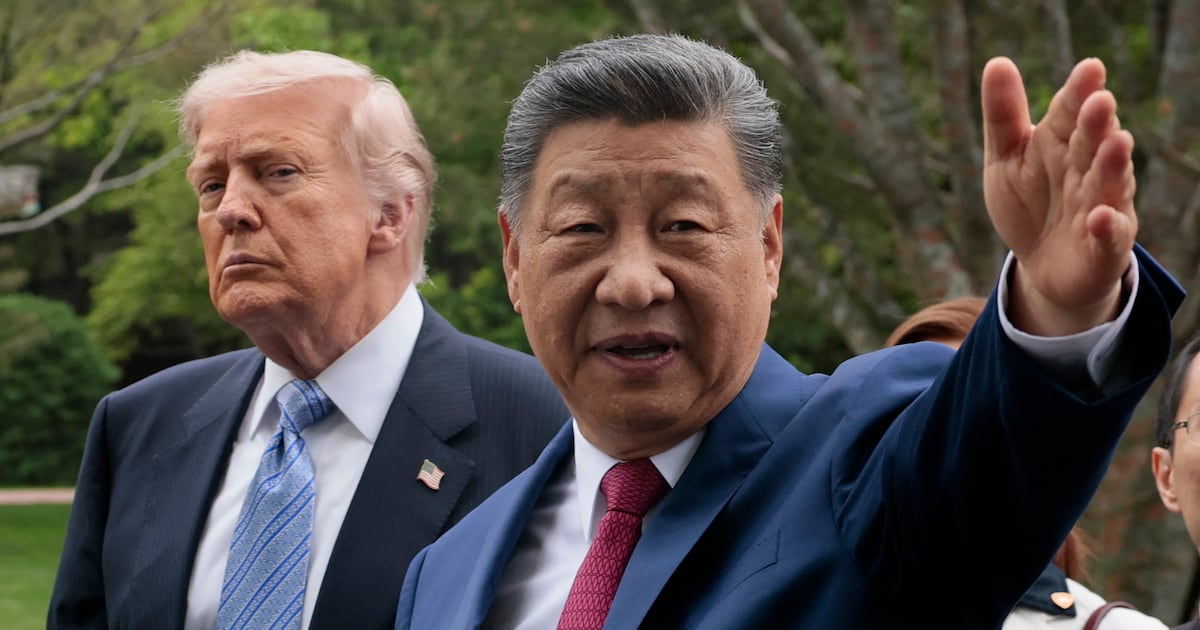
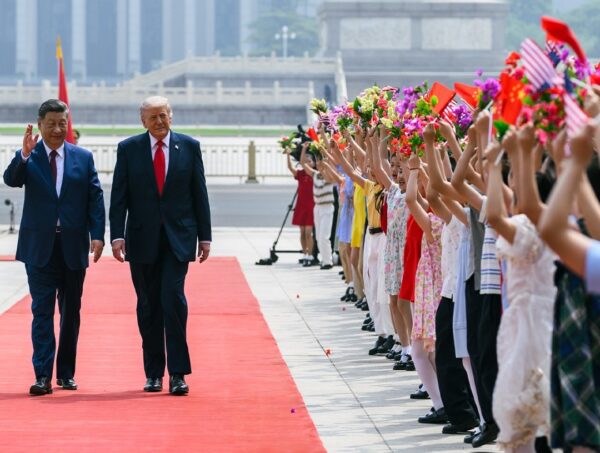
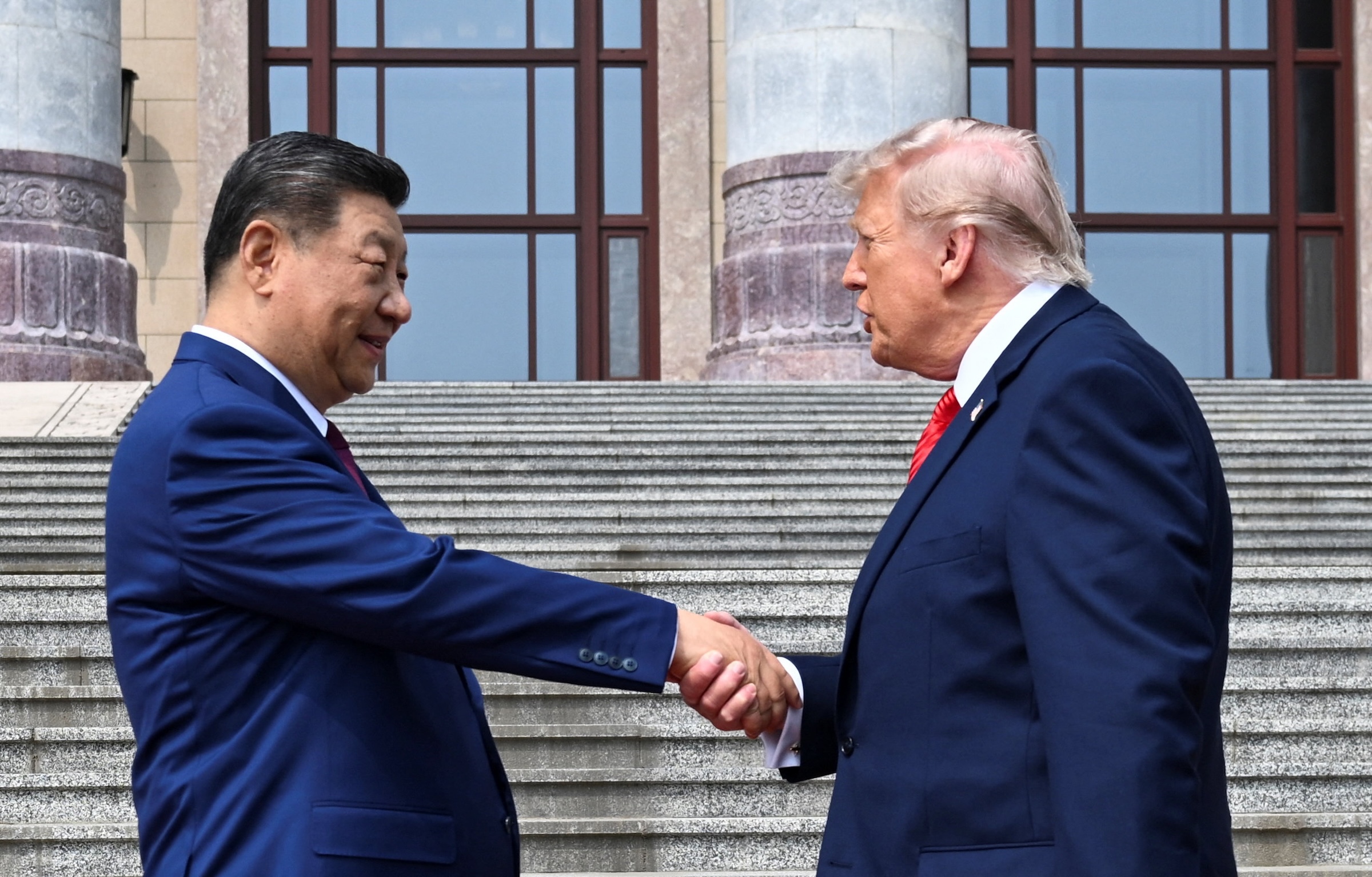
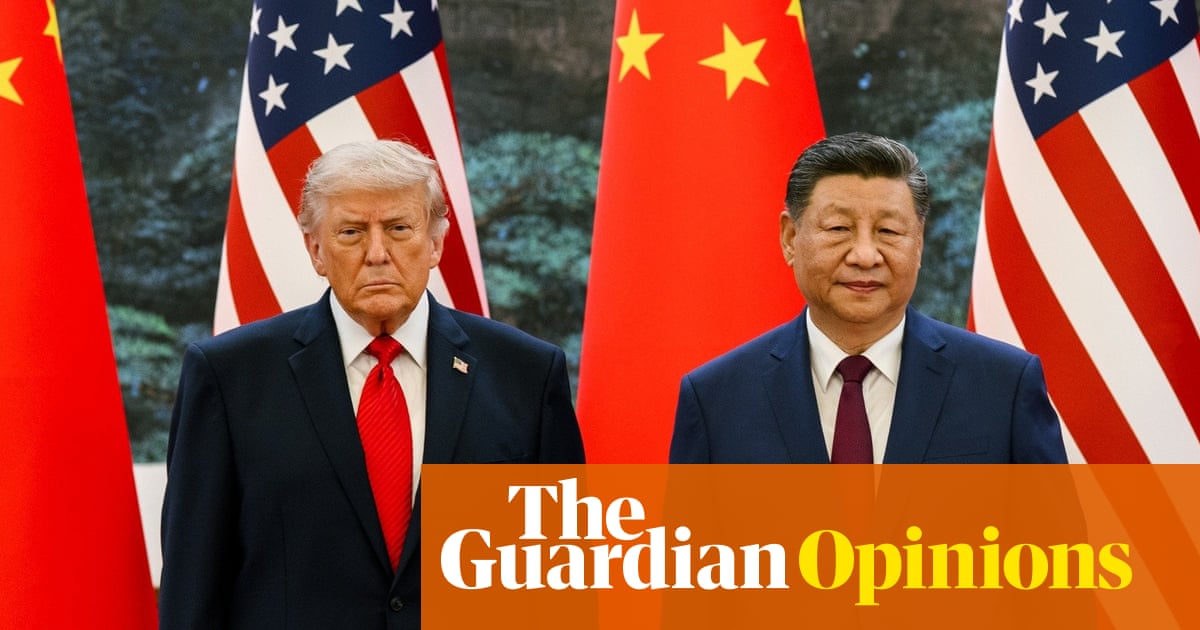
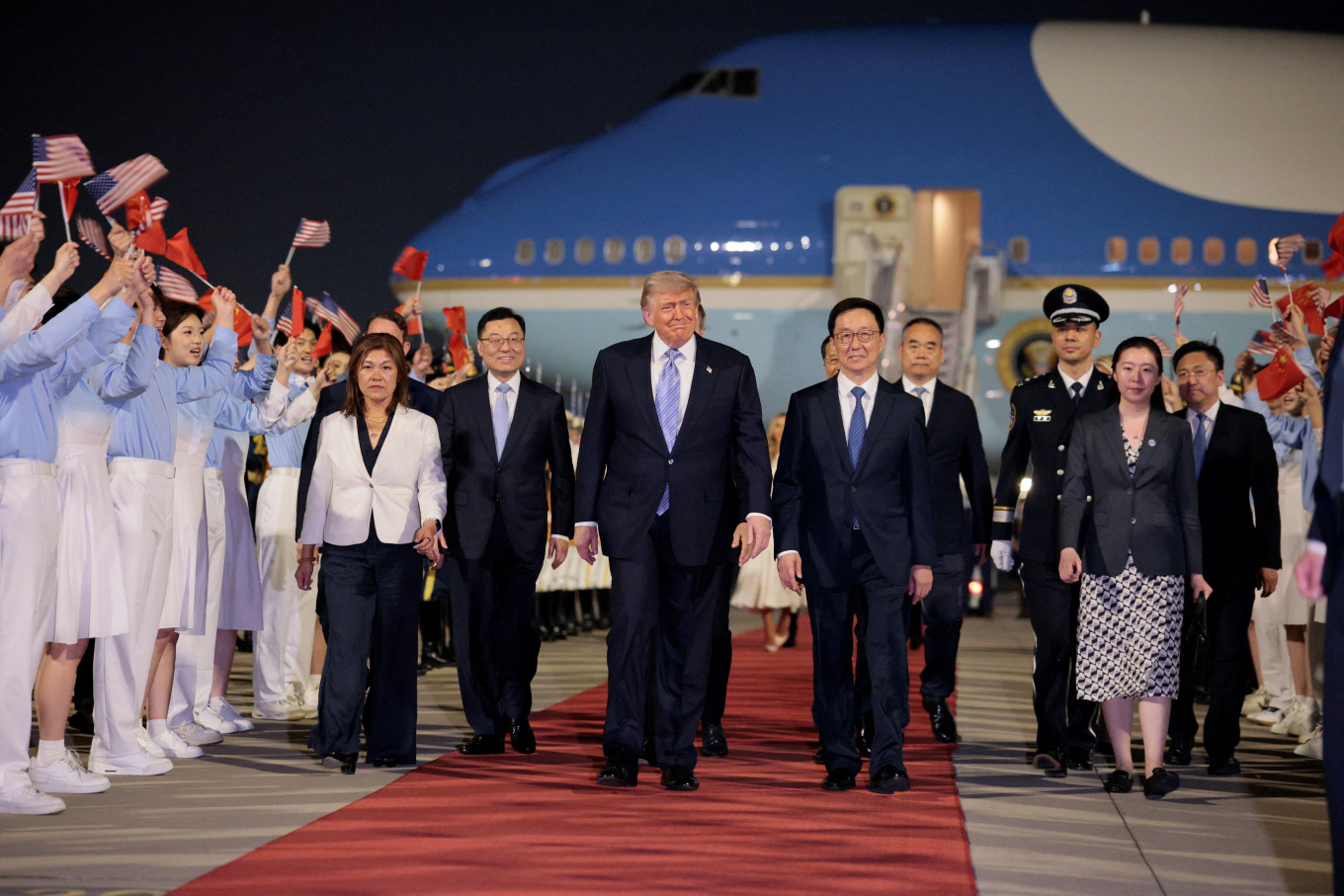
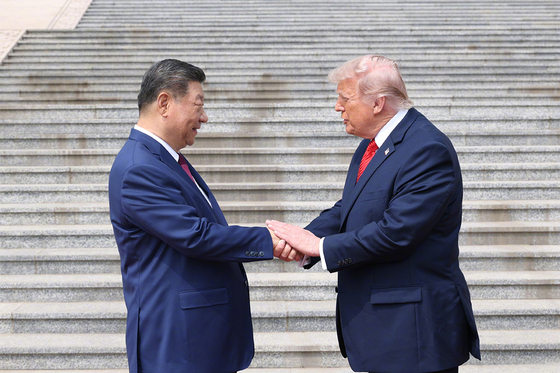
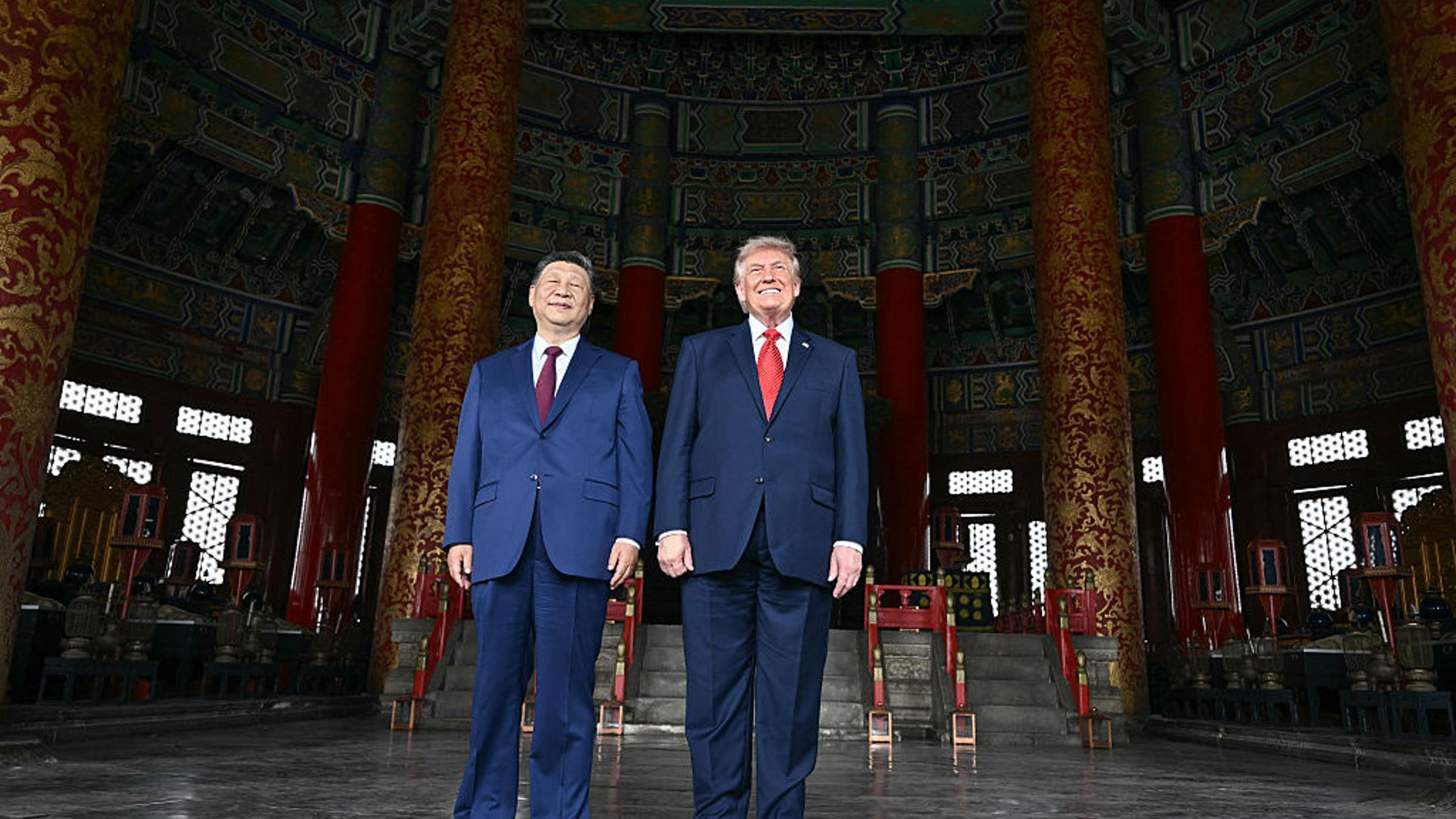
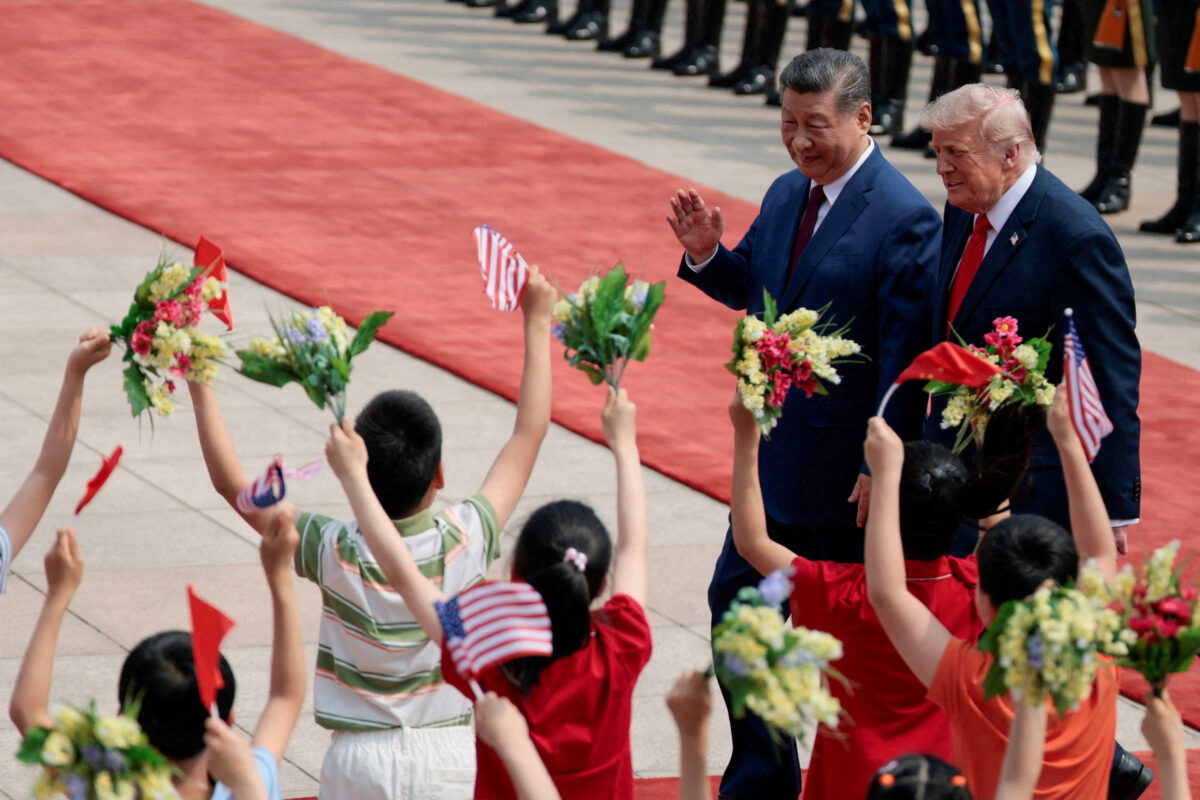
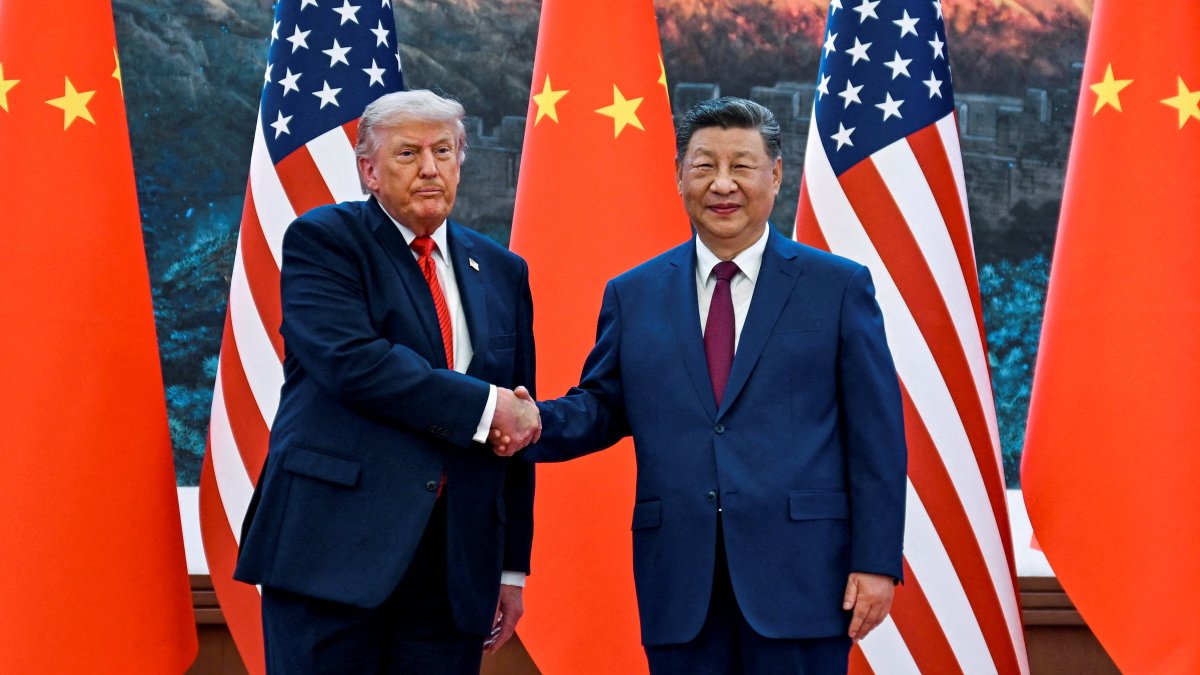
As Washington alienates allies and sparks new conflicts, Beijing has quietly positioned itself as the pragmatic stabilizing force the world needs
343 words~2 min read