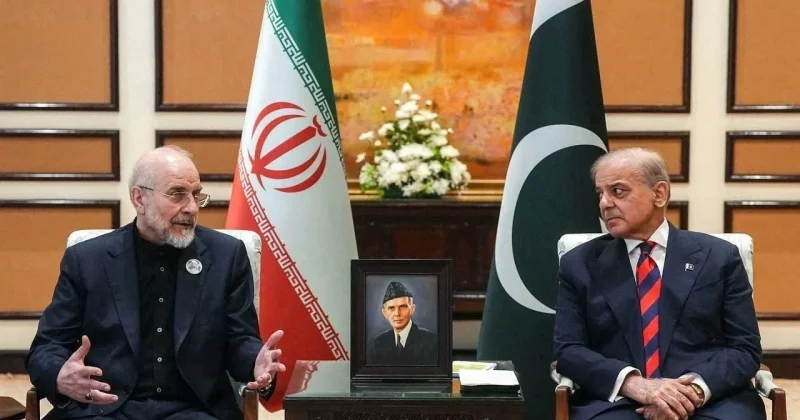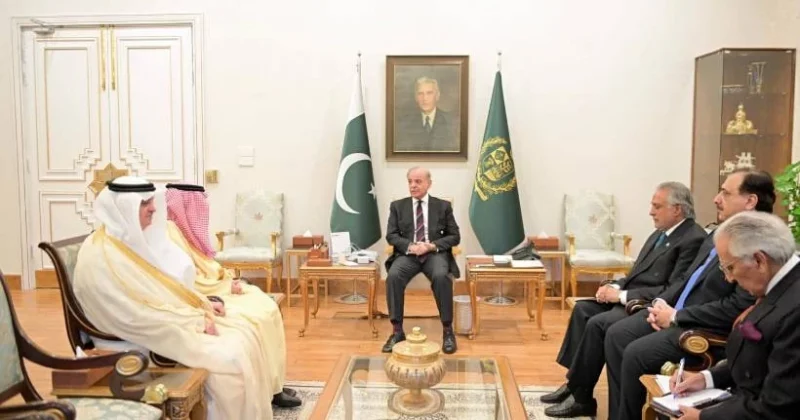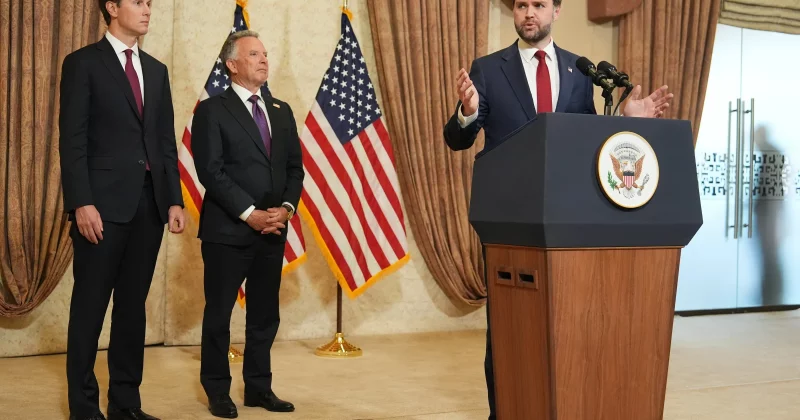
Iran has acknowledged that the latest US proposal has partially bridged the divide between the two sides, as fragile ceasefire talks inch toward something resembling a real peace deal. The negotiations, facilitated through Pakistan, represent the most substantive diplomatic engagement between Washington and Tehran in years.
Bitcoin’s geopolitical trade
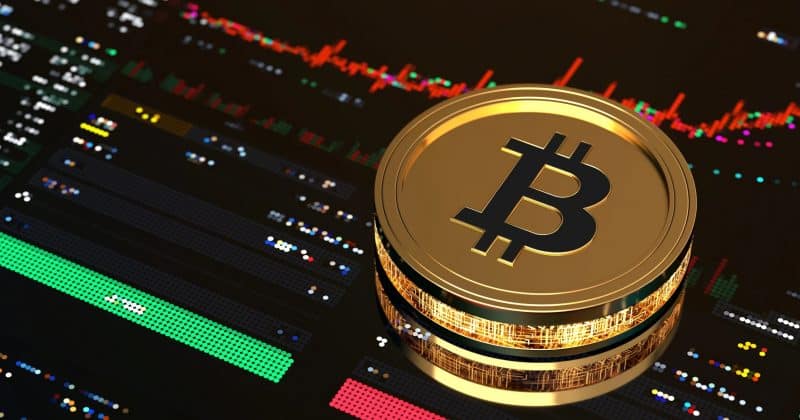
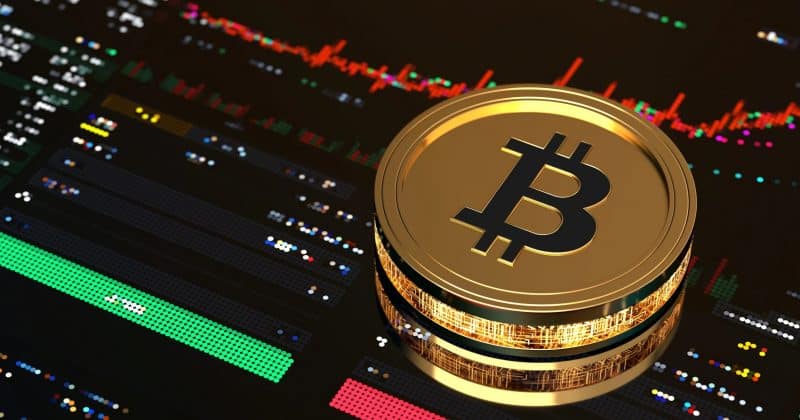
Bitcoin climbed to between $82,000 and $83,000 in early May 2026, fueled in large part by investor optimism around a potential US-Iran memorandum of understanding. The prospect of a reopened Strait of Hormuz, through which roughly a fifth of the world’s oil supply flows, sent a clear signal to risk assets: the geopolitical premium might be shrinking.
When talks appeared to stall in mid-May, Bitcoin and equity futures both declined while oil prices climbed. The pattern is straightforward. Progress in peace talks reduces the geopolitical risk premium on energy, which eases inflation fears, which makes investors more willing to park capital in risk-on assets like crypto. Stalled talks reverse the entire chain.
The May 20-21 round of negotiations now represents a critical inflection point. Iran’s public statement that gaps are narrowing is the kind of diplomatic language that, while measured, tends to correlate with genuine progress rather than performative optimism.