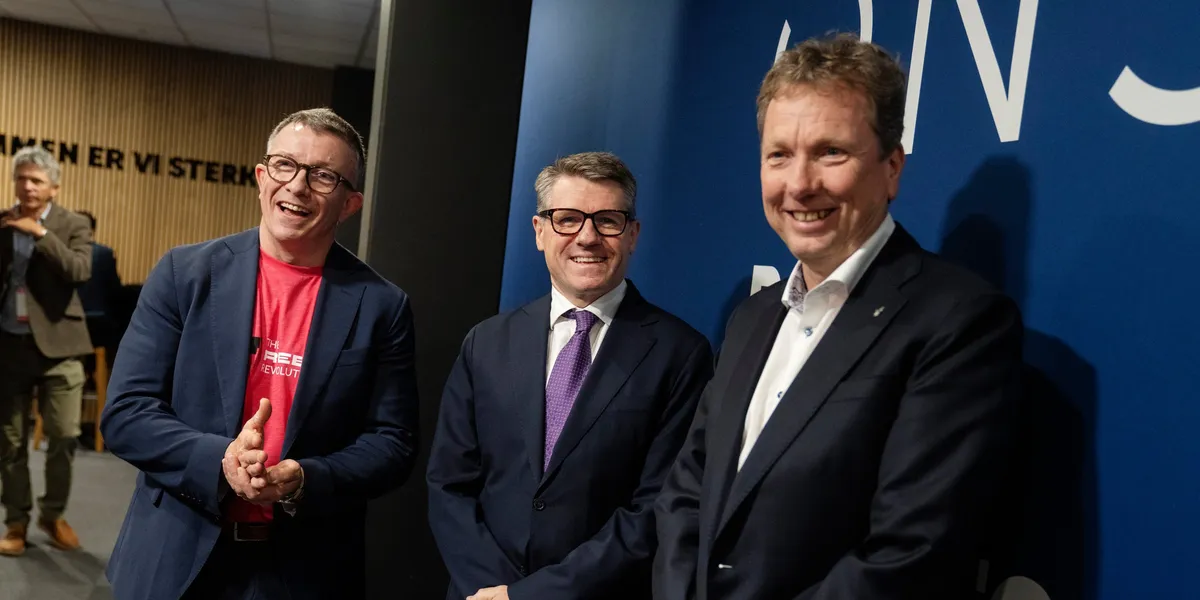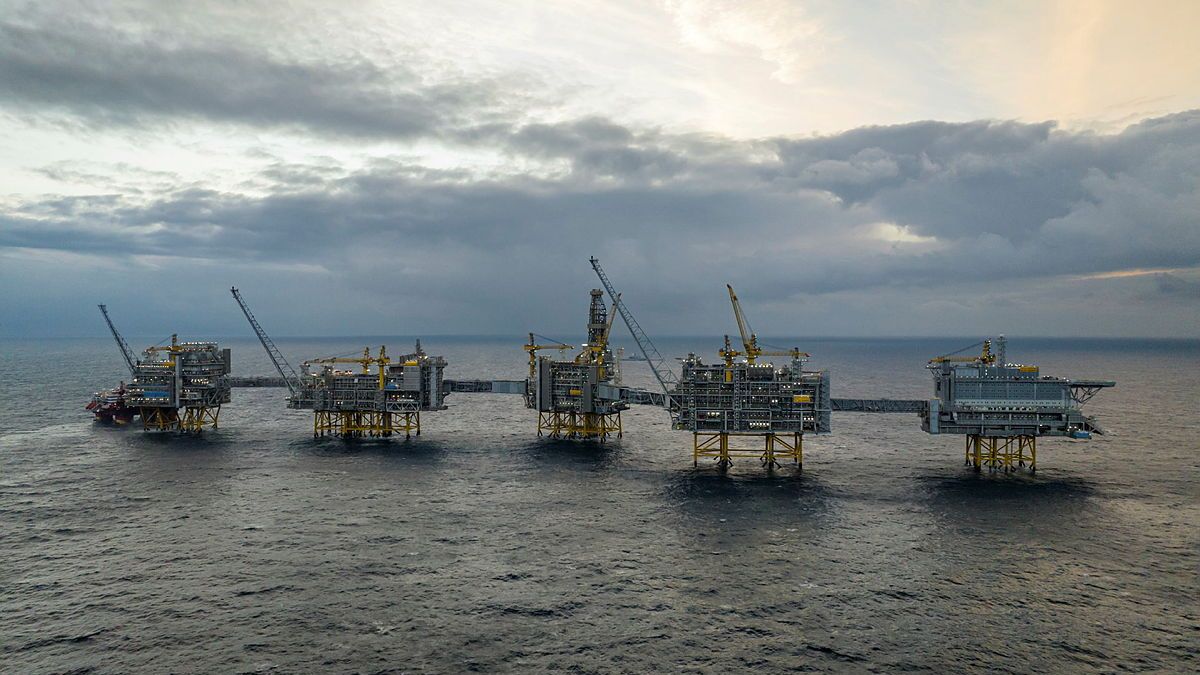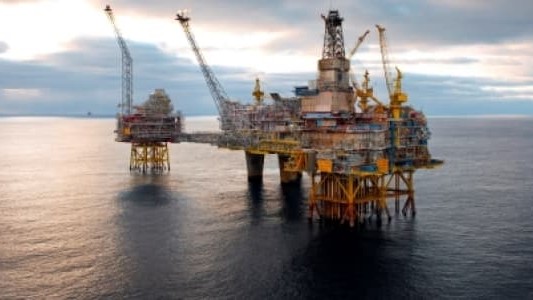
Norway’s oil industry is entering a new phase where infrastructure utilization, subsea tie-backs, and recovery rates could matter more than giant new discoveries.Equinor and Aker BP on Thursday released a new cooperation announcement aimed at deepening collaboration across parts of the Norwegian continental shelf (NCS). At first glance, the agreement looks highly technical. But the two companies said the cooperation is designed to accelerate developments, improve resource recovery, and unlock more value from existing offshore infrastructure.In reality, the announcement points toward a much bigger shift now taking place across the Norwegian continental shelf.Norway’s offshore industry is increasingly moving away from the old model centred around giant standalone discoveries and toward a more integrated system built around existing infrastructure, faster tie-backs, improved recovery rates, and lower-cost barrels.Europe may talk aggressively about transition targets, but the continent still depends heavily on stable Norwegian oil and gas supplies. That reality is steadily strengthening Norway’s position as Europe’s most important supplier of politically reliable energy.Large standalone discoveries on the NCS are becoming increasingly rare. But enormous value still remains locked inside mature reservoirs, existing offshore hubs, subsea infrastructure, and underutilized processing capacity spread across the shelf.That is where the new Equinor-Aker BP cooperation becomes strategically important.Related: Oil Could Enter Red Zone by July/August: IEAThe model is already visible across several producing areas on the NCS, where smaller discoveries are increasingly tied back to nearby facilities instead of requiring entirely new standalone platforms. The result is lower break-even prices, faster project payback, lower emissions per barrel, and stronger returns on capital already invested offshore.In many ways, this is becoming the new North Sea model: maximize recovery, extend infrastructure life, and squeeze more production out of reservoirs already connected to existing offshore systems.Infrastructure-led developments may also help shield Norwegian offshore projects from the inflationary pressures currently affecting large upstream developments globally. In an offshore market increasingly pressured by rising costs, brownfield expansions and lower-cost tie-backs are becoming far more attractive.The shift also highlights the growing importance of advanced recovery technologies and IOR/IOGR strategies on the NCS. As giant discoveries become less frequent, operators are increasingly focused on extracting more resources from existing reservoirs through improved drilling techniques, digital reservoir management, subsea optimization, and enhanced recovery methods.That trend could allow Norway to maintain a stronger and more durable offshore production profile well into the next decade—while keeping costs and emissions significantly below many competing offshore basins globally.The implications stretch far beyond the North Sea.Despite aggressive transition targets, Europe still lacks enough stable large-scale energy supply to replace Norwegian oil and gas anytime soon. Norway’s ability to quickly commercialize smaller offshore discoveries through existing infrastructure has therefore become both an economic and geopolitical advantage.The deal also highlights how the NCS is increasingly being optimized as a fully integrated offshore energy system rather than a collection of isolated projects.By Jan-Thore Bergsagel for Oilprice.comMore Top Reads From Oilprice.comIndonesia Tightens Grip on Key Commodity ExportsThree Supertankers Carrying 6 Million Barrels Exit Strait of HormuzUK Eases Some Russian Oil Sanctions as Fuel Prices Soar
Norway’s Oil Industry Is Learning How To Produce More With Less | OilPrice.com
Equinor and Aker BP are deepening cooperation across the Norwegian continental shelf to maximize recovery rates, accelerate subsea tie-backs, and unlock more value from existing offshore infrastructure.
502 words~2 min read