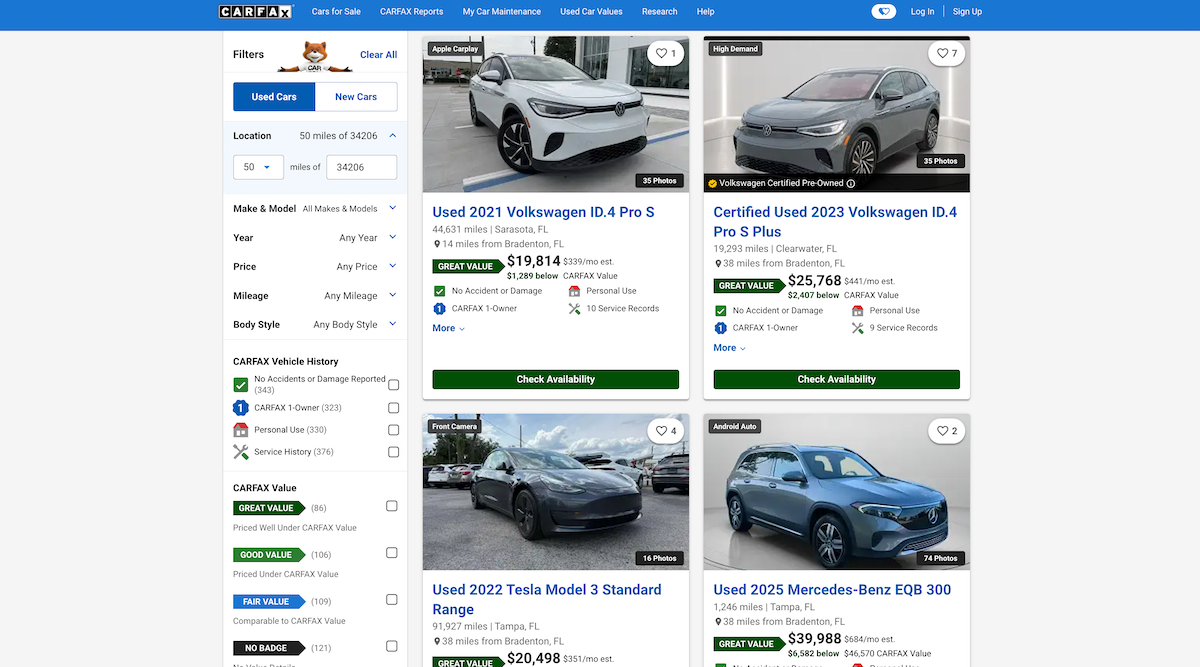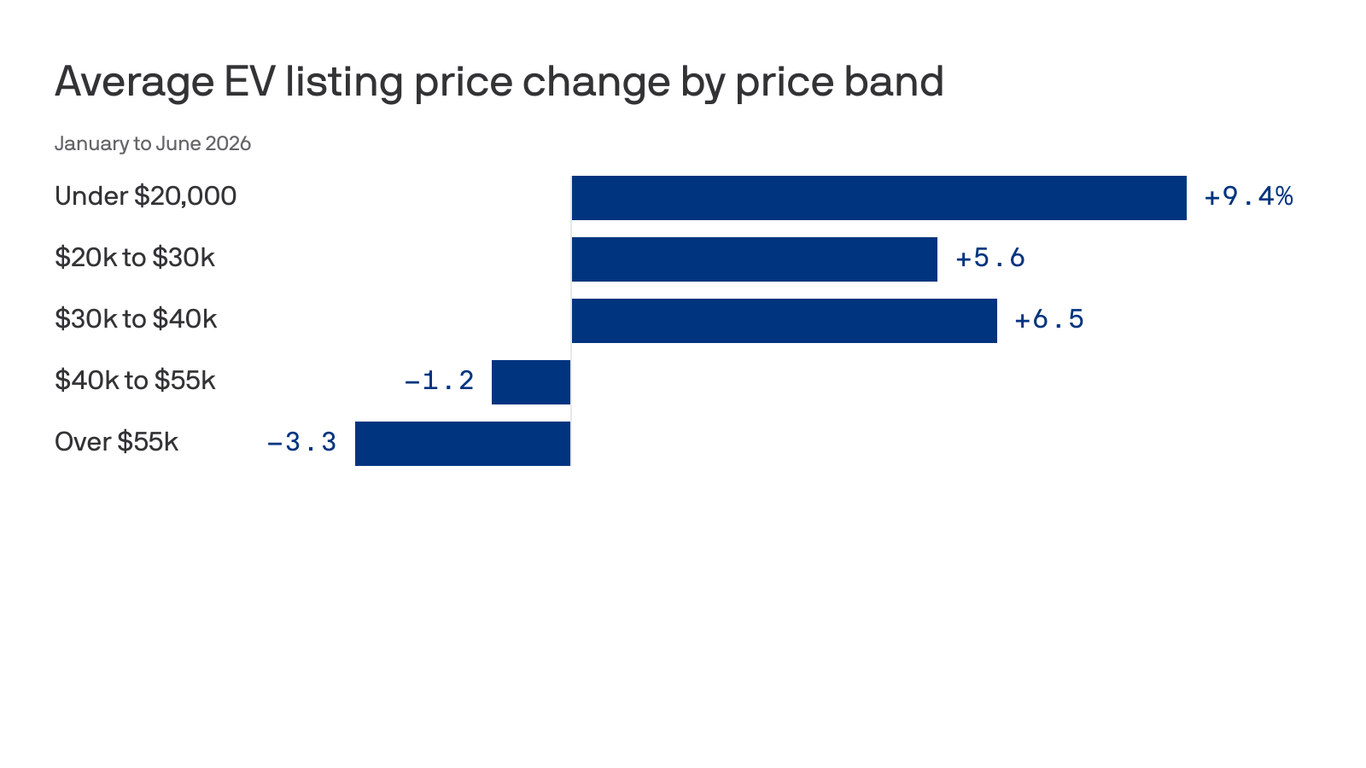
Buying used makes particular financial sense in the electric vehicle segment. New EVs carry premium prices that reflect both the technology cost and the novelty premium of early adoption, and many depreciate quickly enough that a two- or three-year-old model can be had for substantially less than its original purchase price without meaningful loss of utility. The underlying technology — battery chemistry, motor efficiency, software — has not advanced so dramatically that a 2021 or 2022 EV represents an inferior product for most buyers’ needs. A used EV buyer captures the value the first owner absorbed on the way down and, in many cases, gets a vehicle that still outperforms new gasoline alternatives on operating costs.
The range of options in the used EV market has expanded rapidly as the original generation of mass-market electric vehicles approaches ages 3 to 5 years. Buyers can now choose from full-size electric pickups, performance-oriented electric sedans, compact crossovers, and midsize SUVs with three-row seating, formats that simply did not exist in the used EV market five years ago. The brands represented include startups that designed their vehicles as electric from the ground up alongside legacy automakers that converted or adapted existing platforms for electrification, and the two approaches produce meaningfully different ownership experiences.