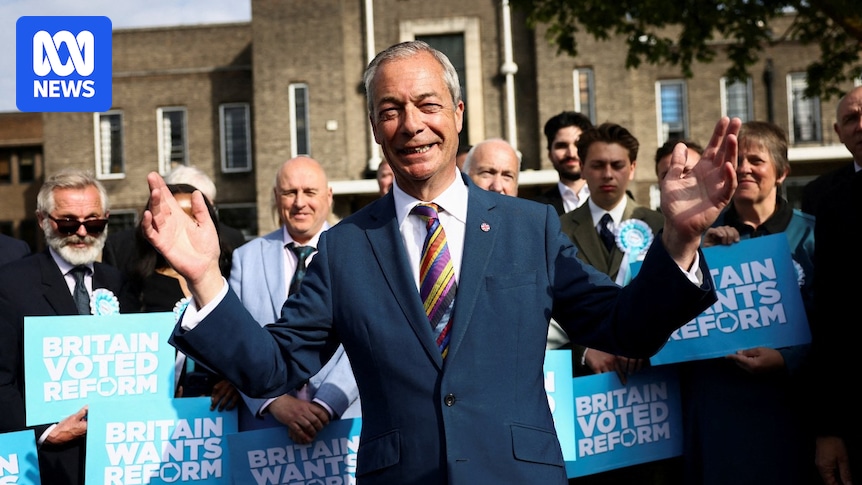
In Focus delivers deeper coverage of the political, cultural, and ideological issues shaping America. Published daily by senior writers and experts, these in-depth pieces go beyond the headlines to give readers the full picture. You can find our full list of In Focus pieces here.Americans watching Reform UK’s rise across the Atlantic are understandably intrigued. Nigel Farage’s insurgent party has broken through a two-party political system that, for generations, looked locked in place. It took councils from Cornwall to County Durham and climbed to the top of national polling, with some projections suggesting Farage could enter Downing Street with a governing majority.Commentators on both the Left and Right have rushed to present Reform as a road map for frustrated U.S. voters. Before anyone starts treating Britain as a blueprint, though, it is worth understanding why the conditions behind Reform’s success could be much harder to replicate in the United States.
Start with the mechanics. Britain uses First Past the Post voting, the same basic electoral system the U.S. uses. One constituency, one winner, no majority required. In a stable two-party race, the arrangement works well enough. But once four or five serious parties compete for the role, the system behaves differently.