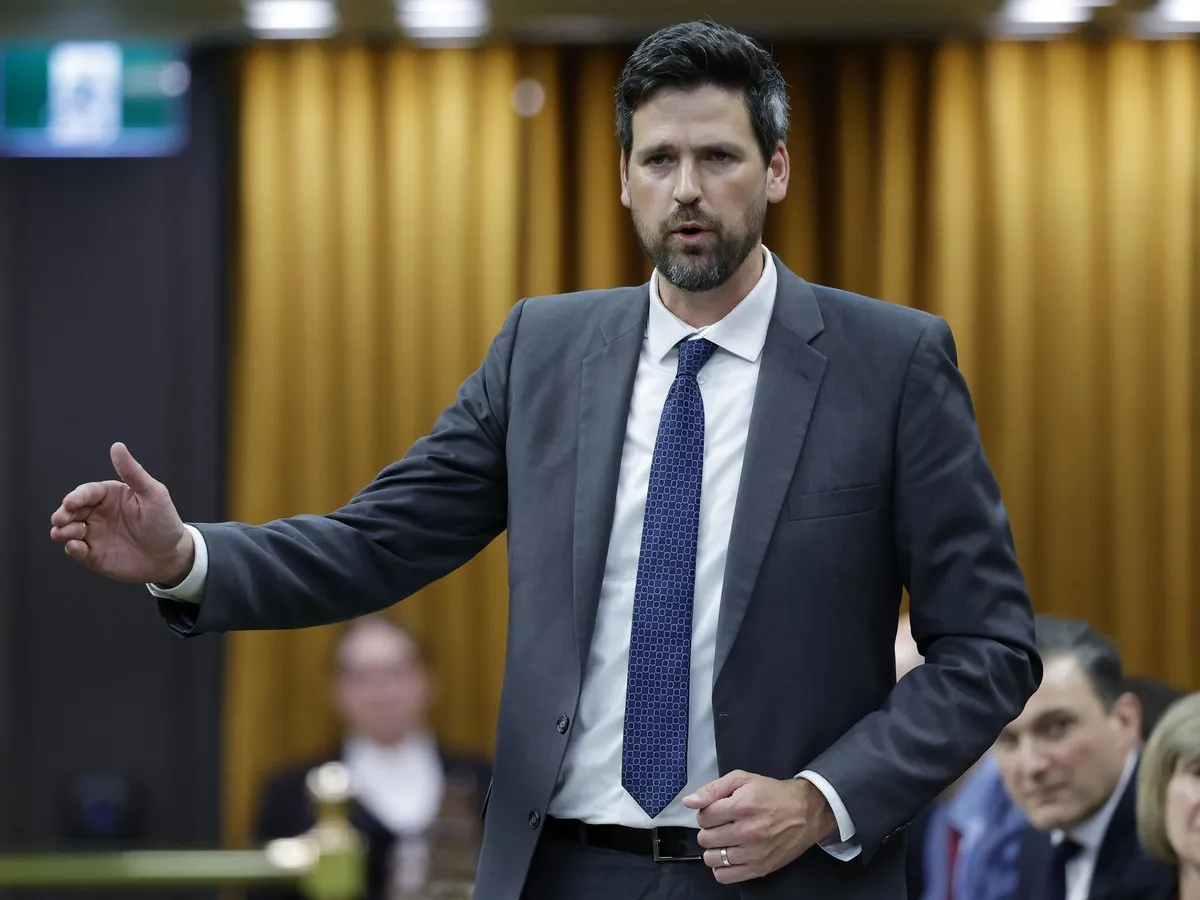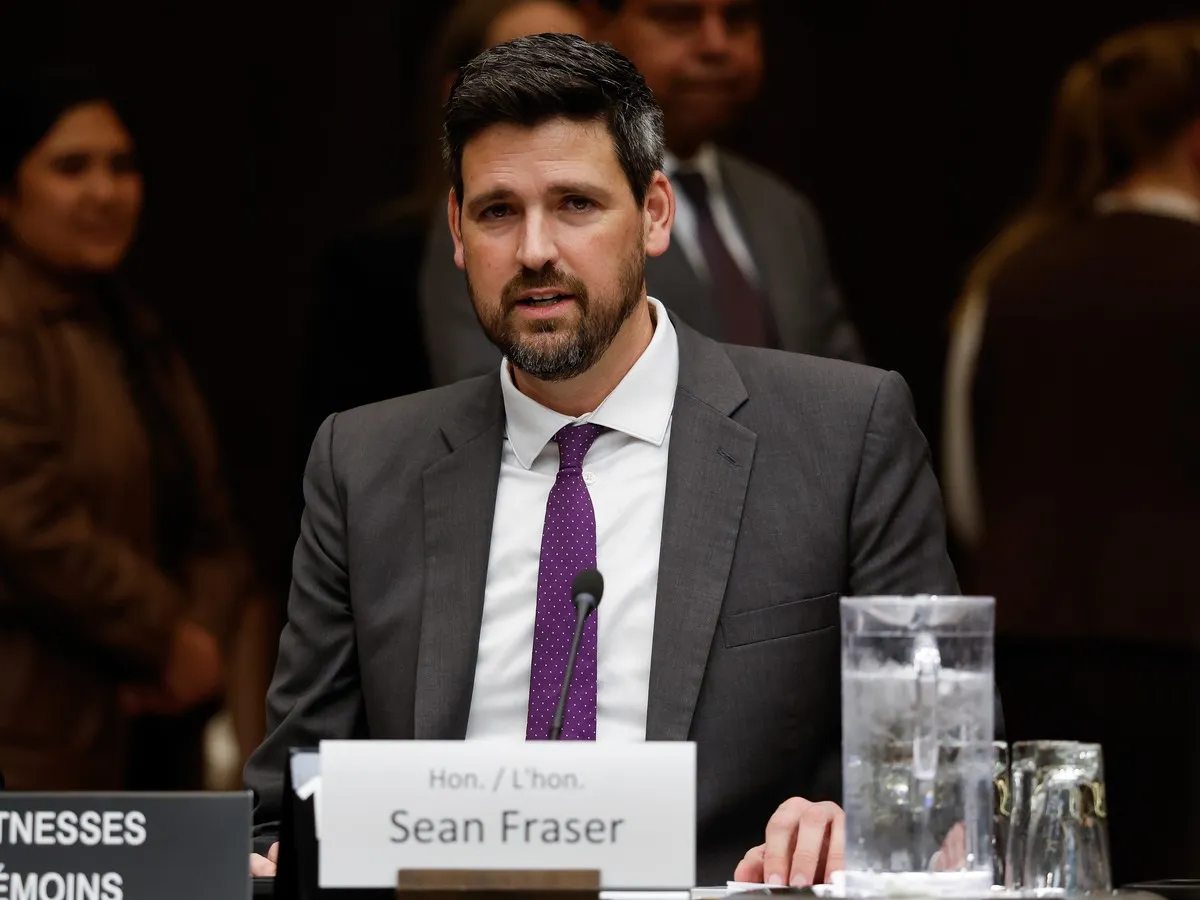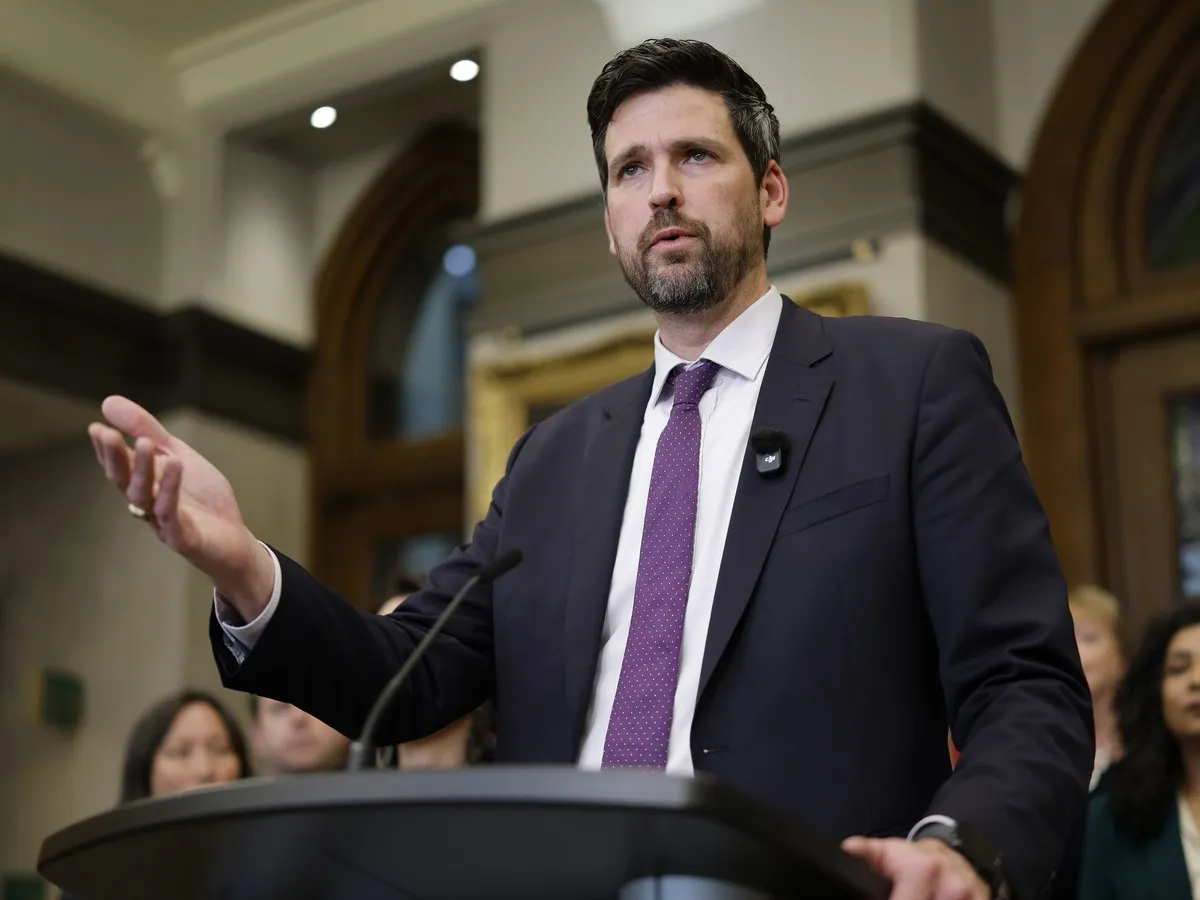
Skip to Content Subscribe Our Offers My Account Manage My Subscriptions FAQ Newsletters Canada Canadian True Crime Canadian Politics Health World Israel & Middle East Financial Post NP Comment Longreads Puzzmo Diversions Comics NP News Quiz New York Times Crossword Horoscopes Life Eating & Drinking Style Sponsored Play for Ontario Travel Travel Canada Travel USA Travel International Cruises Travel Essentials Culture Books Celebrity Movies Music Theatre Television Business Essentials Advice Lives Told Tails Told Shopping Buy Canadian Home Living Outdoor Living Tech Style & Beauty Kitchen & Dining Personal Care Entertainment & Hobbies Gift Guide Travel Guide Deals Savings National Post Store More Sports Hockey Baseball Basketball Football Soccer Golf Tennis Driving Vehicle Research Reviews News Gear Guide Obituaries Place an Obituary Place an In Memoriam Classifieds Place an Ad Celebrations Working Business Ads Archives Healthing Epaper Manage Print Subscription Profile Settings My Subscriptions Saved Articles My Offers Newsletters Customer Service FAQ Newsletters Canada World Financial Post NP Comment Longreads Puzzmo Diversions Life Shopping Epaper Manage Print Subscription HomeNewsCanadaCanadian PoliticsAnti-terror symbol bill not meant to target protests, justice minister saysFraser said the bill was written to maintain 'a very high threshold' for what constitutes as hateLast updated 2 days ago You can save this article by registering for free here. Or sign-in if you have an account.Minister of Justice and Attorney General of Canada Sean Fraser takes part in a press conference about stronger actions and new federal supports for victims and survivors of crime in the House of Commons foyer on Parliament Hill in Ottawa April 22, 2026. Photo by Blair Gable /PostmediaOTTAWA — Justice Minister Sean Fraser suggested Thursday that a bill targeting terror and hate symbols would not outright criminalize those displayed at protests.Enjoy the latest local, national and international news.Exclusive articles by Conrad Black, Barbara Kay and others. Plus, special edition NP Platformed and First Reading newsletters and virtual events.Unlimited online access to National Post.National Post ePaper, an electronic replica of the print edition to view on any device, share and comment on.Daily puzzles including the New York Times Crossword.Support local journalism.Enjoy the latest local, national and international news.Exclusive articles by Conrad Black, Barbara Kay and others. Plus, special edition NP Platformed and First Reading newsletters and virtual events.Unlimited online access to National Post.National Post ePaper, an electronic replica of the print edition to view on any device, share and comment on.Daily puzzles including the New York Times Crossword.Support local journalism.Create an account or sign in to continue with your reading experience.Access articles from across Canada with one account.Share your thoughts and join the conversation in the comments.Enjoy additional articles per month.Get email updates from your favourite authors.Create an account or sign in to continue with your reading experience.Access articles from across Canada with one accountShare your thoughts and join the conversation in the commentsEnjoy additional articles per monthGet email updates from your favourite authorsSign In or Create an AccountorFraser appeared before the Senate committee on human rights to testify about the government’s legislation known as C-9, which seeks to introduce new criminal penalties for those who impede or intimidate someone from being able to access buildings like places of worship.It also proposes to make it a crime to intentionally promote hate against an identifiable group “by displaying certain symbols in a public place.”“We could have decided to move forward with a version of the bill that simply criminalized the display of a symbol,” Fraser told committee members.“There would be obvious constitutional concerns, and we wanted to scope out protests, and in fact have included specific language in the bill to that effect.”He defended how the bill has been structured in such a way to guard against the possibility of future ministers deciding what new symbols could be banned, suggesting that power “could be abused.”Fraser said the bill was also written to maintain “a very high threshold” for what constitutes as hate.He said consideration would first have to be give to the crime of the “willful promotion of hatred before you engage in analysis as to whether the hate symbols piece would be engaged.”Senators cited concerns that had been raised from previous witnesses, including from community advocates, on how the measure would be enforced, training for police and the reality that terror symbols evolve.Some organizations, including the National Council of Canadian Muslims, have specifically flagged worries over how members of the Muslim community may be targeted by the proposed anti-terror symbols offence because terror groups may co-opt Islamic phrases such as the Shahada, which could lead to charges being laid by “over-zealous officers” against protesters rallying for “Palestinian solidarity.”Jewish advocacy groups have welcomed the government’s plan to target terror symbols, with the Centre for Israel and Jewish Affairs outlining in its submission to the Senate committee that it would help prevent dangerous ideologies from spreading.“The glorification of listed terrorist entities should carry meaningful consequences,” it wrote. Canada, unlike other jurisdictions like the United Kingdom, does not have a standalone offence that targets activities that glorify or promote the actions of a terrorist group. Rather, its anti-terror laws target those who contribute financially or direct others to participate in a terrorist activity.Calls for police and the federal government to crack down on activities seen as glorifying terror have rung out since protests and antisemitic violence erupted in major Canadian cities in the wake of Israel’s war in Gaza, triggered after Hamas’ militants stormed southern Israel on Oct. 7, 2023, killing 1,200 people and taking hundreds hostage.The minister said on Thursday that when it came to terror symbols, the government wanted to establish “an objective process” for determining which symbols to target, which is why it looked to the list of designated terror entities.“There are groups that I have been thinking about that fall outside of that list,” Fraser said, citing the Klu Klux Klan as one example.“They are as tasteless and dangerous a group in my view that exists when it comes to promoting hate, but I also want to make sure that there are some objective mechanisms through which new organizations or new symbols can be added, not just based on the individual preference of the minister of the day.”Fraser expressed an openness to seeing Parliament take on the role of reviewing the terror symbols on the list, but cautioned against the outright creation of a new system as he underscored his hope of seeing the bill passed into law by the time the House of Commons breaks for summer in mid-June.“One of the things that I felt strongly about was that I want to protect against the potential harm that some future minister may be able to pick a group they don’t like and add them to a list,” he told senators.“You can imagine there will be a pro-development individual who wants to do harm to an environmental organization. There may be a person of a particular political philosophy who wishes to target opponents who support a different political philosophy, and those are dangerous conversations.”Since the bill was first introduced last September, civil liberties advocates have warned of its potential to target legitimate protests through overly broad language that creates new intimidation and obstruction offences around buildings where an identifiable group gathers, which includes places of worship and gay bars.Fraser defended the provisions by saying they seek to capture behaviour “that crosses the criminal threshold rather than criminalizing protests,” which he called “an essential part of this bill.”“If you are seeking to criminally intimidate or physically obstruct a person from entering their place of worship, that is a fundamentally different thing than showing up outside a particular building and saying I disagree with ‘X’ or I believe that you should know ‘Y.'”National PostOur website is the place for the latest breaking news, exclusive scoops, longreads and provocative commentary. Please bookmark nationalpost.com and sign up for our politics newsletter, First Reading, here. Join the Conversation This website uses cookies to personalize your content (including ads), and allows us to analyze our traffic. Read more about cookies here. By continuing to use our site, you agree to our Terms of Use and Privacy Policy.
Anti-terror symbol bill not meant to target protests, justice minister says
Fraser suggested Thursday that a bill targeting terror and hate symbols would not outright criminalize those displayed at protests.
1,347 words~6 min read