AI transformation demands enterprises operate at two different speeds — or risk stalling entirely
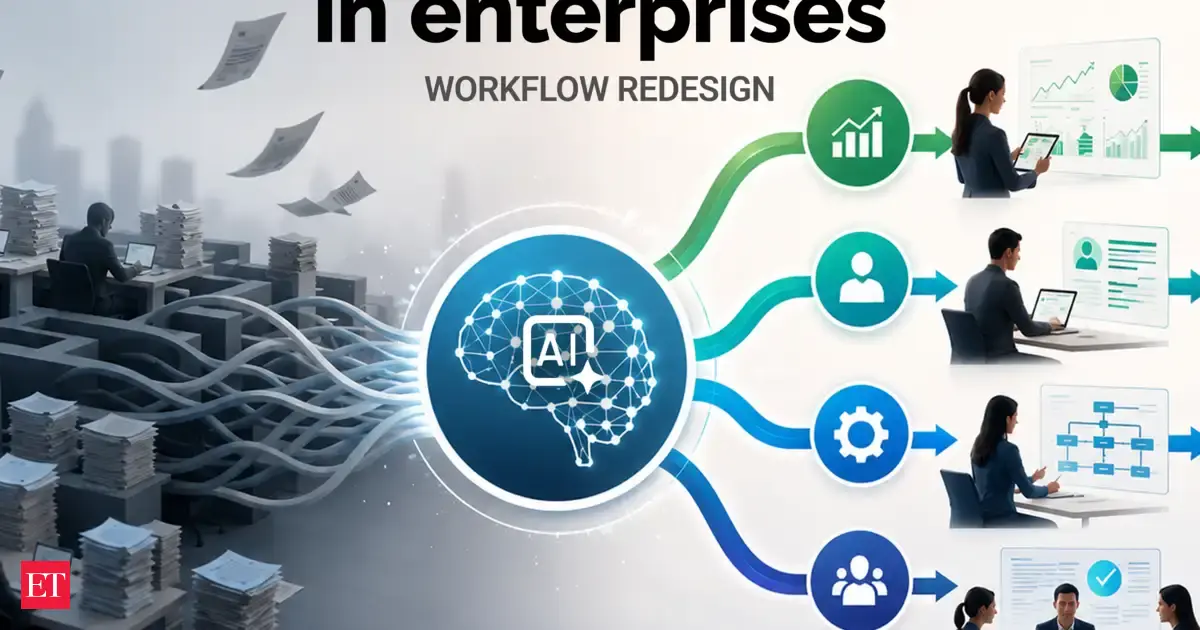
AI adoption is maturing past the pilot phase, but organizations that treat the transition as a single-gear shift risk stalling before they reach production. The real challenge is navigating multi-speed transformation — knowing which workflows demand a deliberate redesign and which need rapid, iterative experimentation to stay competitive.
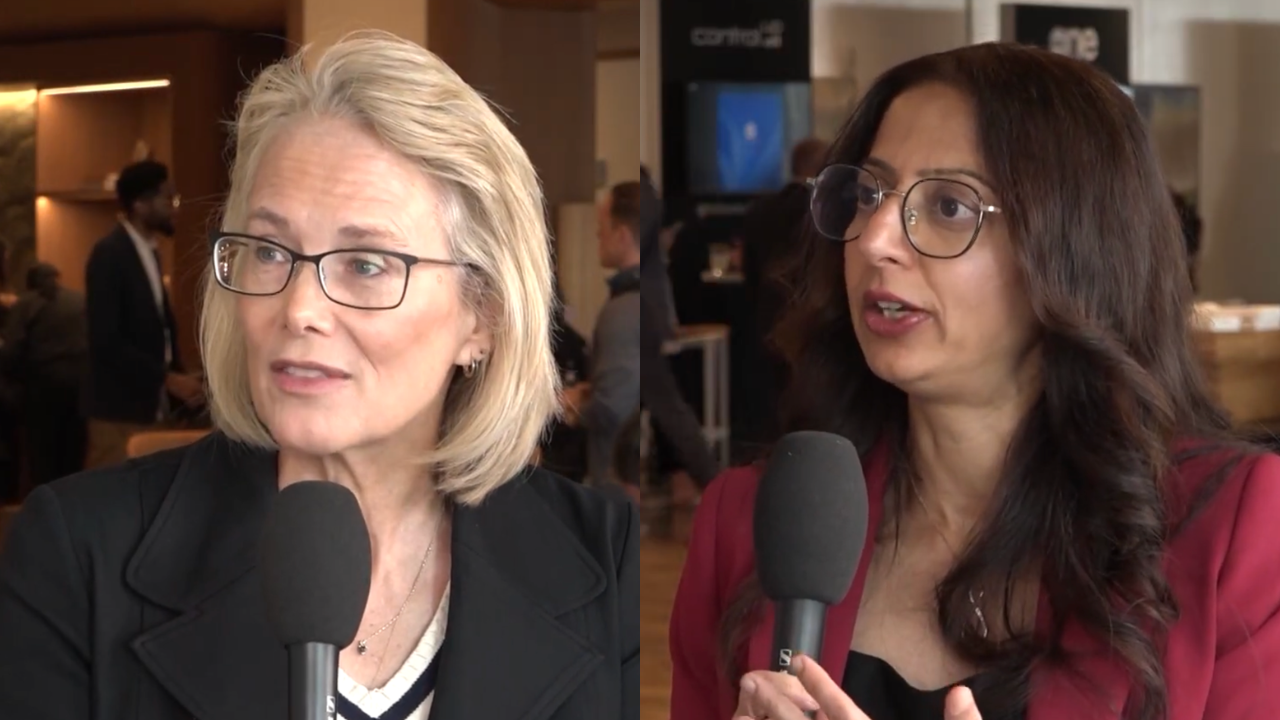
As service management platforms evolve beyond traditional IT frameworks, the growing consensus is that measuring success by ticket closure rates no longer reflects how AI-era employees actually experience support. As a consequence, organizations are rethinking the metrics — and the architecture — behind every service interaction, according to Kady Srinivasan (pictured, right), chief marketing officer of Freshworks Inc.
“A lot of the CIOs that I talk to have this lens of, ‘I’m not here to run IT software, I’m here to help become the engine of the company’s growth,'” Srinivasan said. “They really think of themselves as the backbone of how they can get their customers, their employees, back to doing the work that they’re supposed to be doing faster.”
Srinivasan and Julie Mohr (left), principal analyst at Forrester Research Inc., spoke with theCUBE’s Bob Laliberte at the Freshworks Refresh event, during an exclusive broadcast on theCUBE, SiliconANGLE Media’s livestreaming studio. They discussed multi-speed transformation, the shift from SLAs to experience level agreements and how agentic AI is reshaping knowledge management and employee experience. (* Disclosure below.)