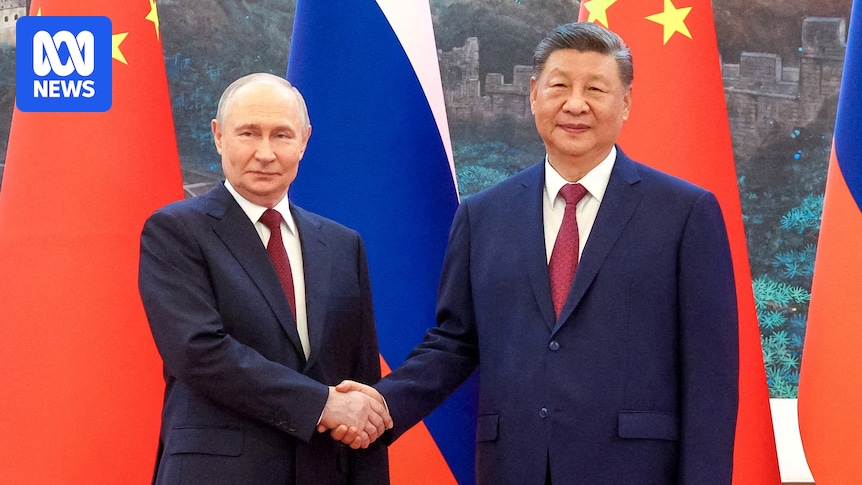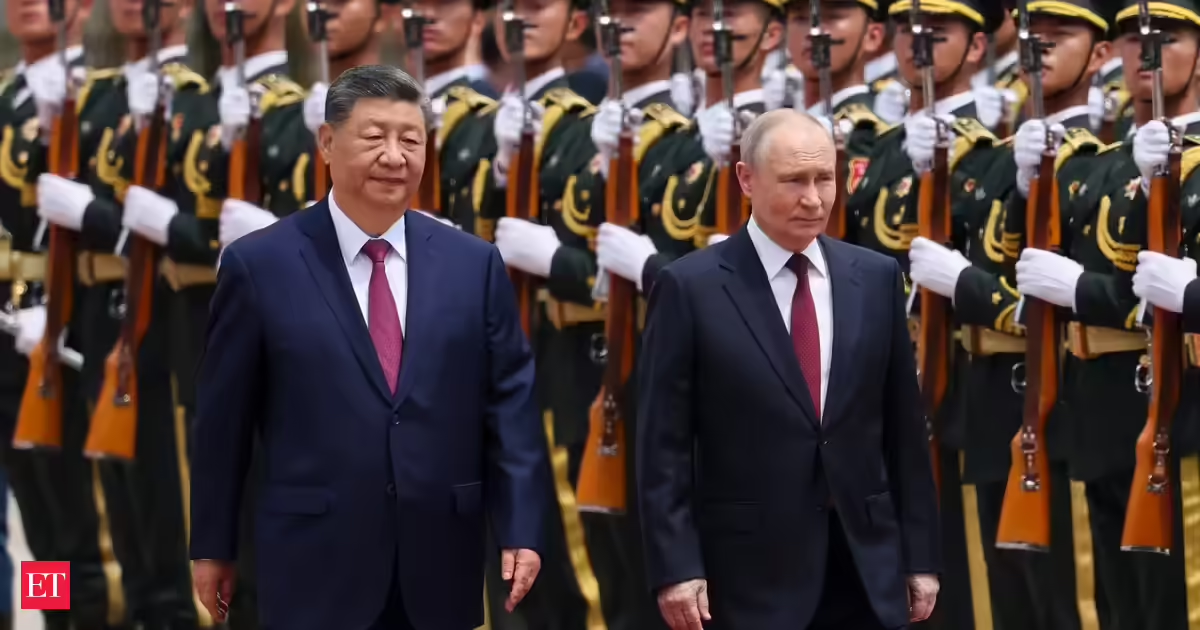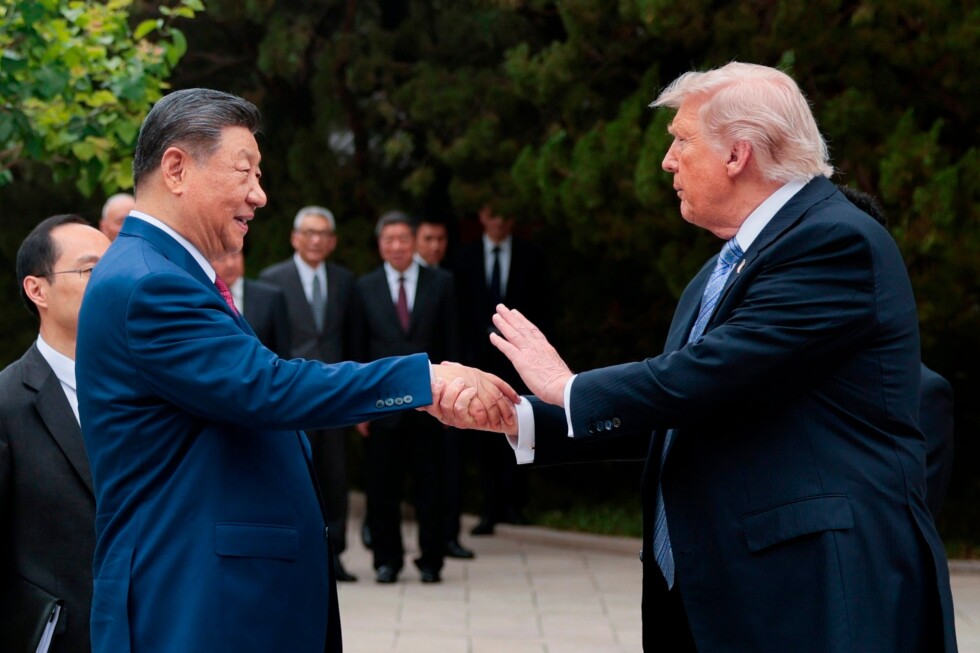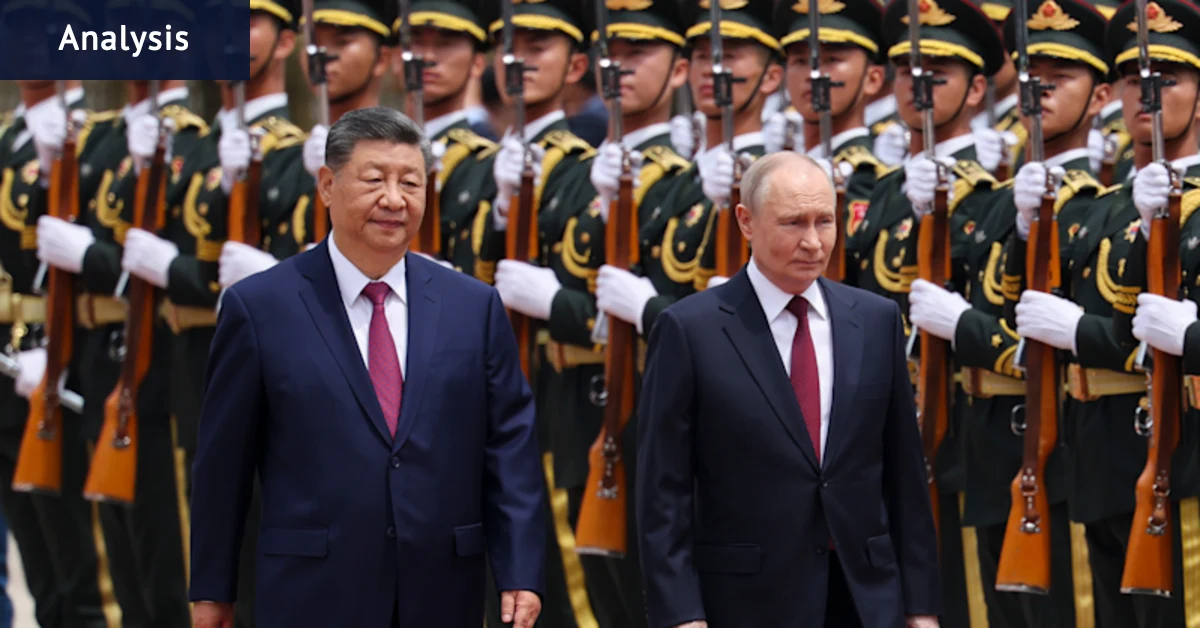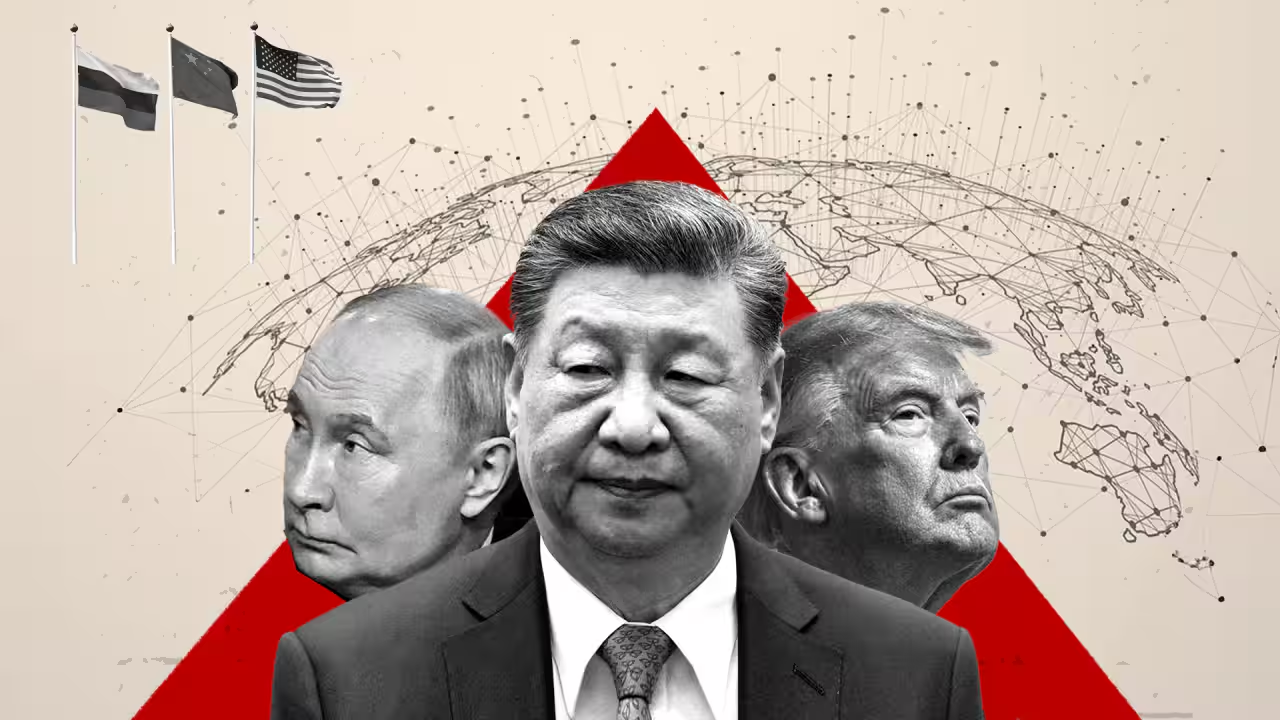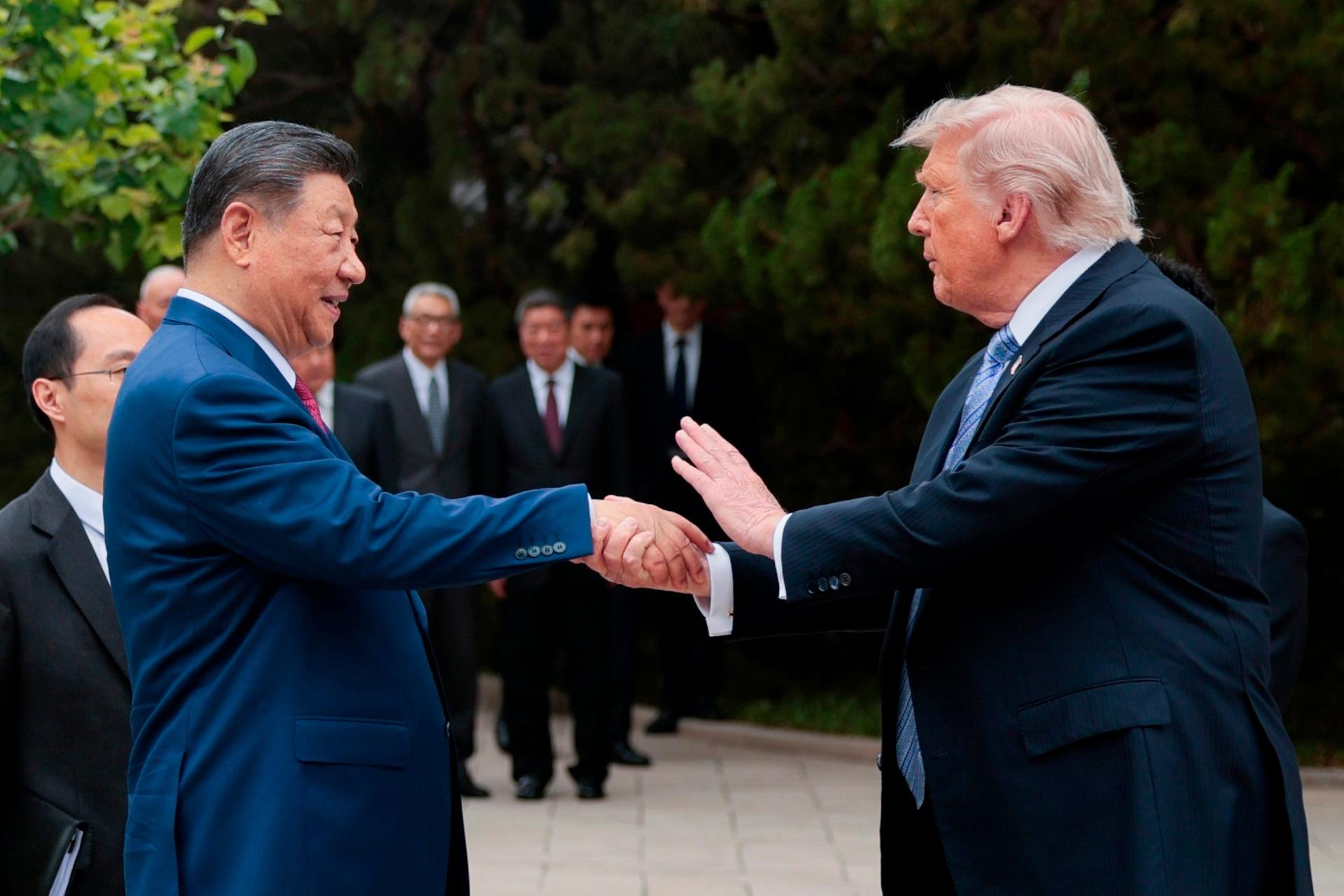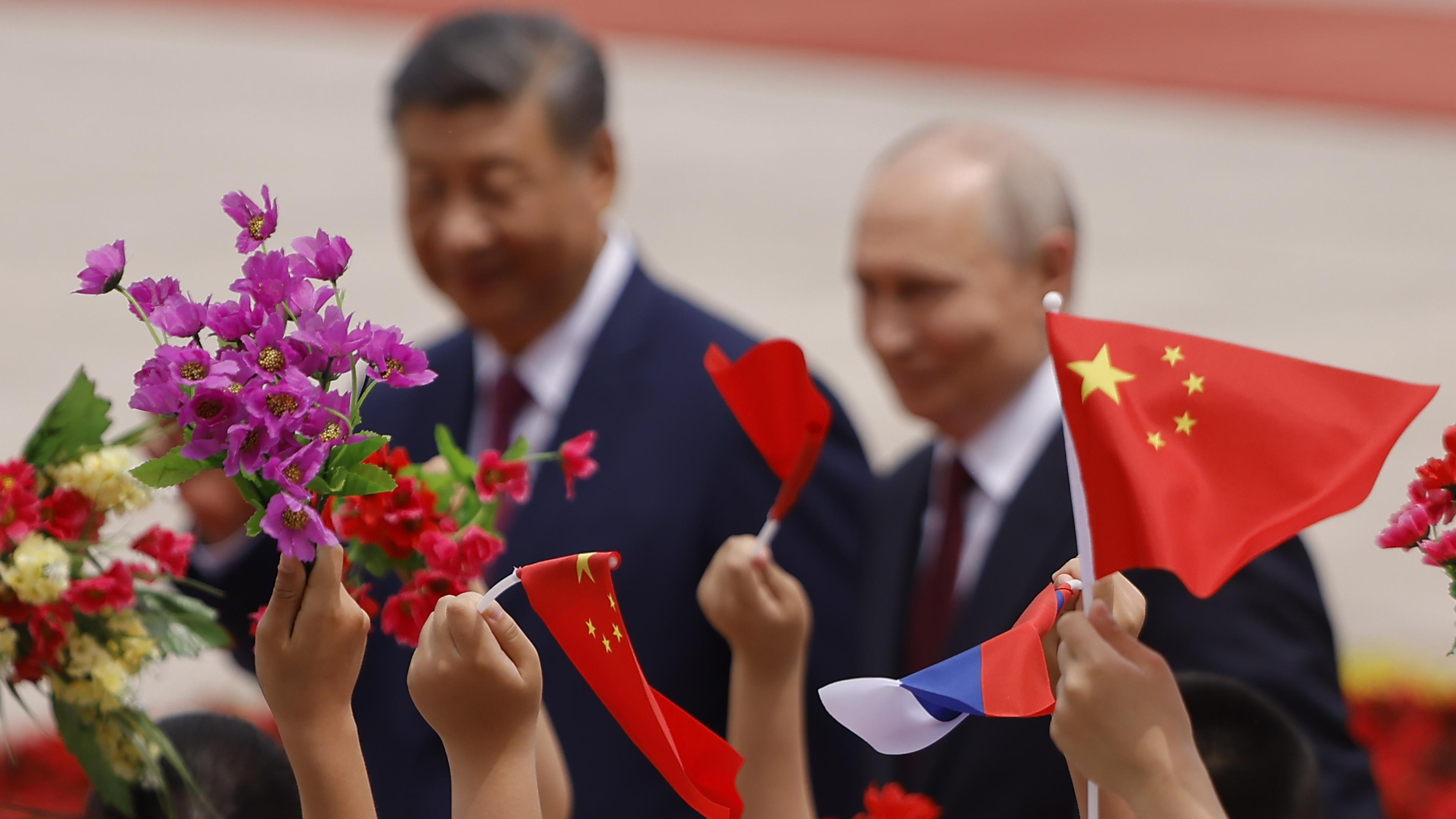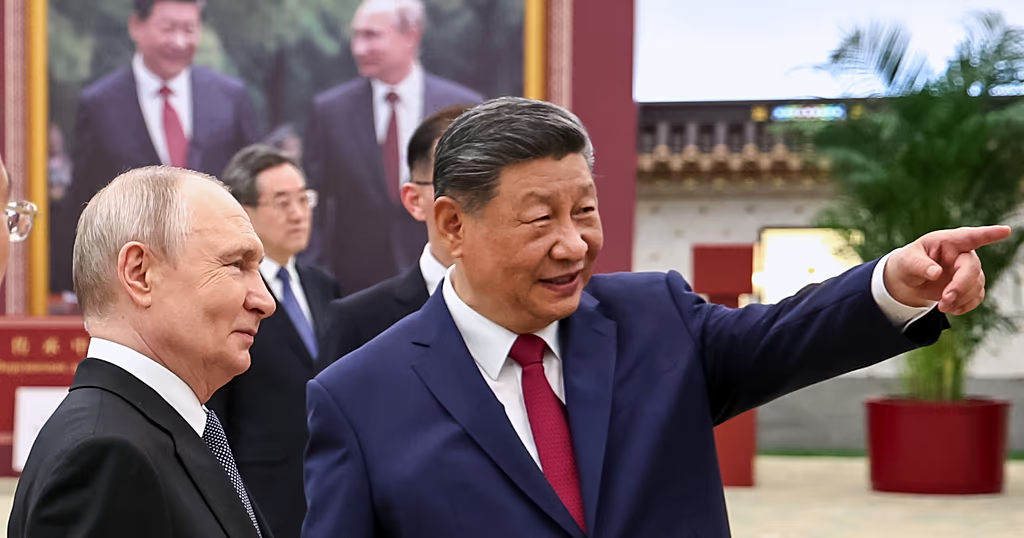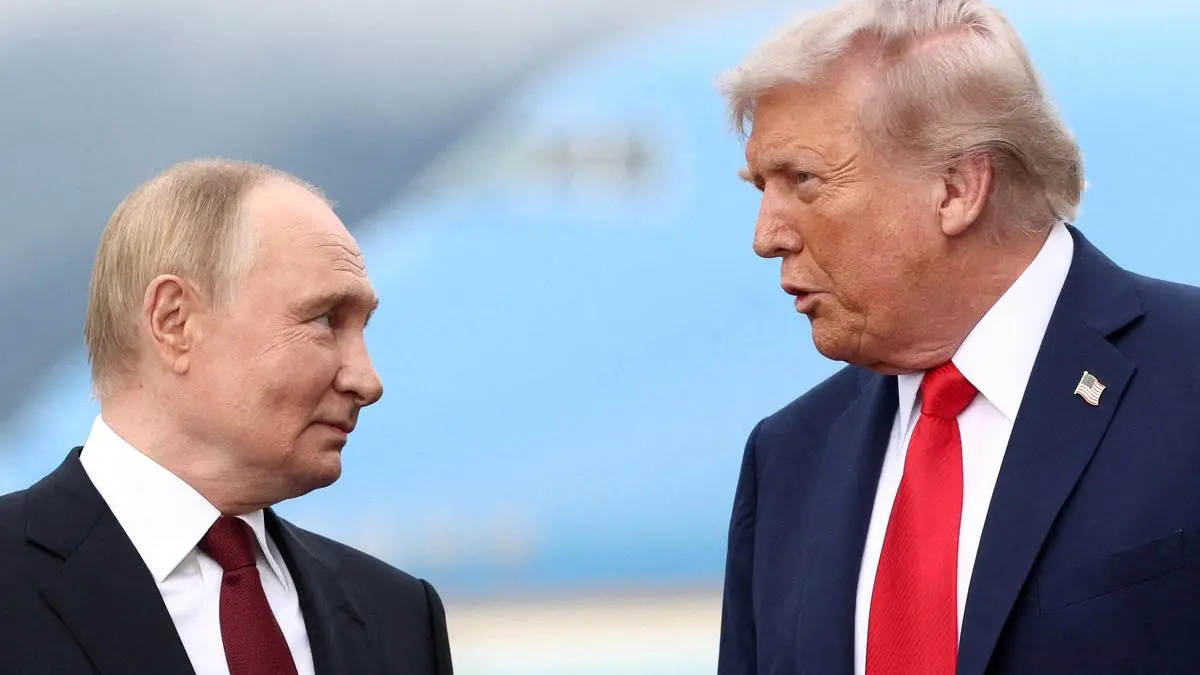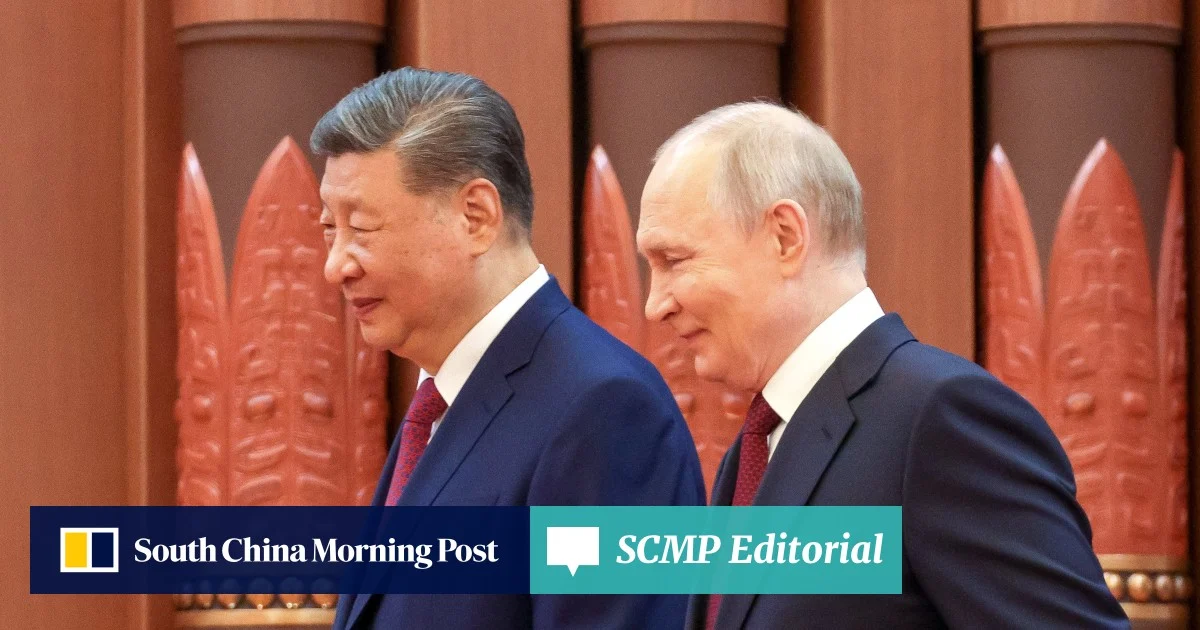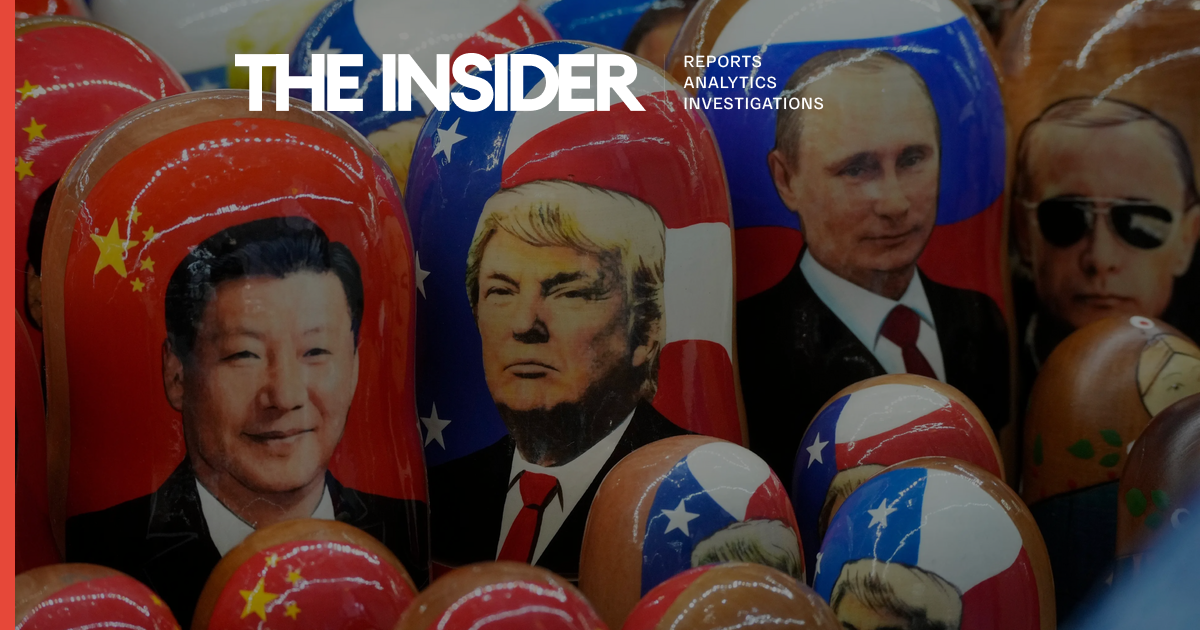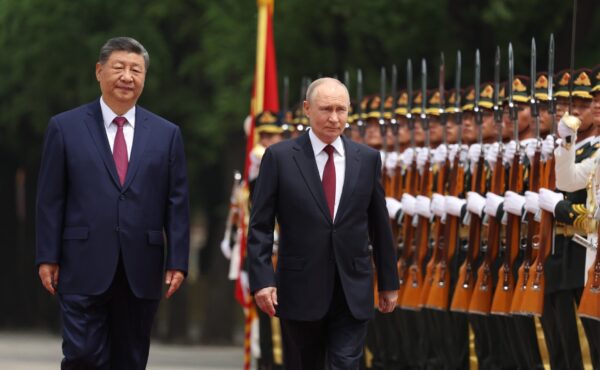
Less than a week after the closely watched summit between Presidents Xi Jinping and Donald Trump, Russian President Vladimir Putin was invited to China. For Beijing, which has always placed great weight on diplomatic protocol and is adept at using timing and ceremonial detail to send policy signals, the scheduling is hard to dismiss as coincidence. It looked more like a political message: after the Trump-Xi meeting, two like-minded partners moved quickly to compare notes, coordinate positions, and assess the direction of U.S. policy and the changing international landscape.
The symbolism was especially striking because Beijing arranged the Putin-Xi talks for May 20, a date that carries the homophonic meaning of “I love you” in Chinese. That choice was bound to be read as a gesture in its own right. The depth of the Beijing-Moscow relationship, and the strength of the personal political trust between Xi Jinping and Vladimir Putin, now appear to stand in sharp contrast to the Trump-Xi summit held only days earlier. The message from the Putin-Xi meeting may force Washington to confront an uncomfortable reality: the idea of making friends with both China and Russia is likely little more than wishful thinking.