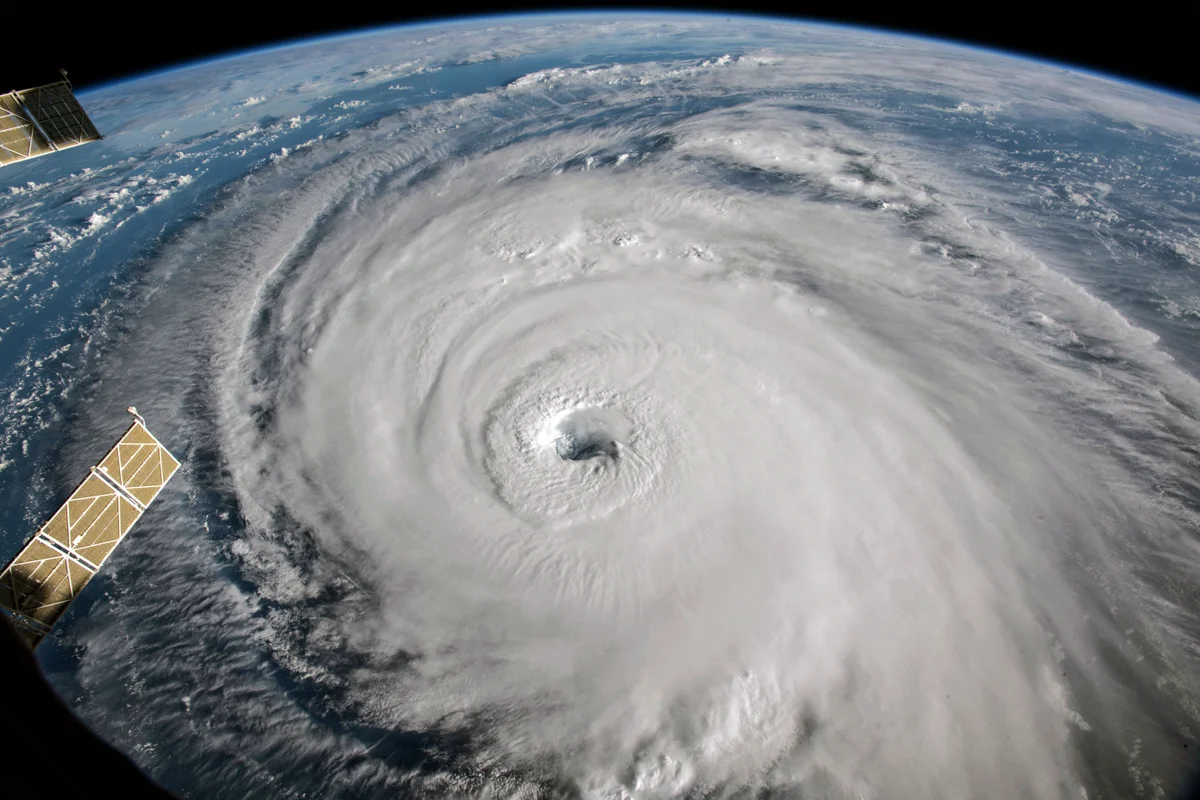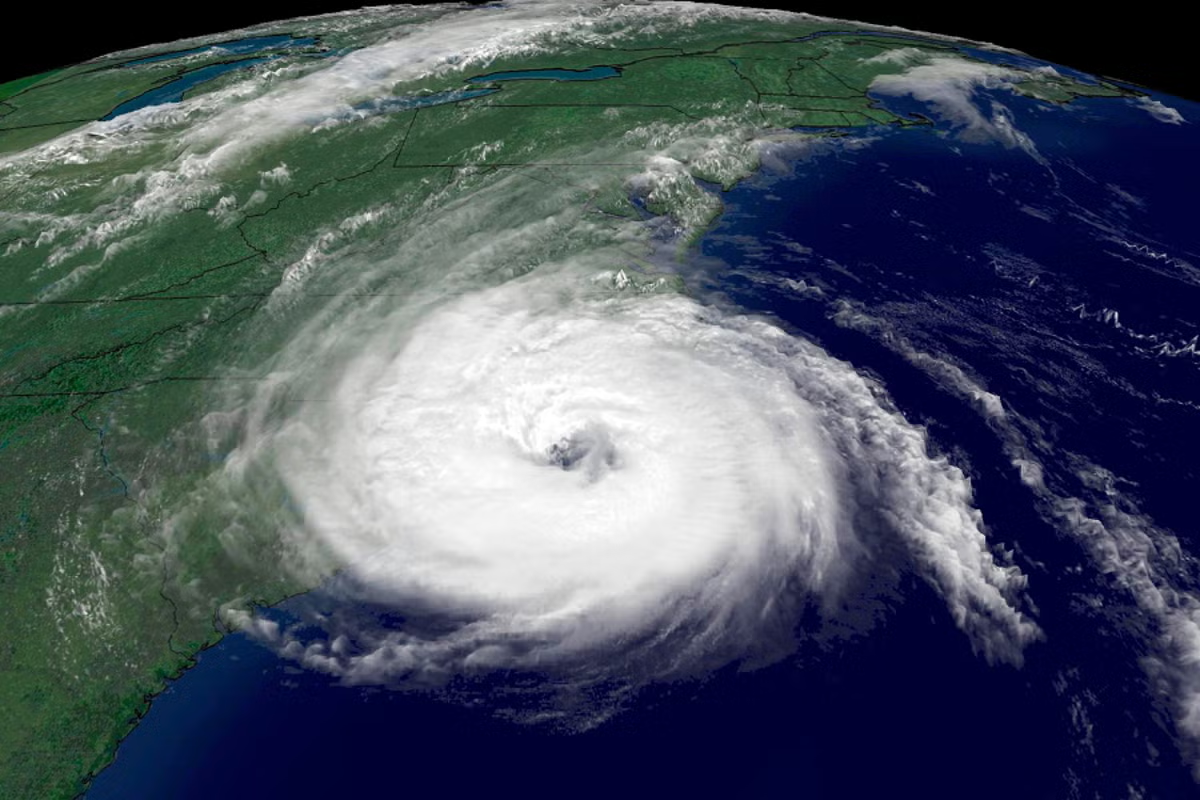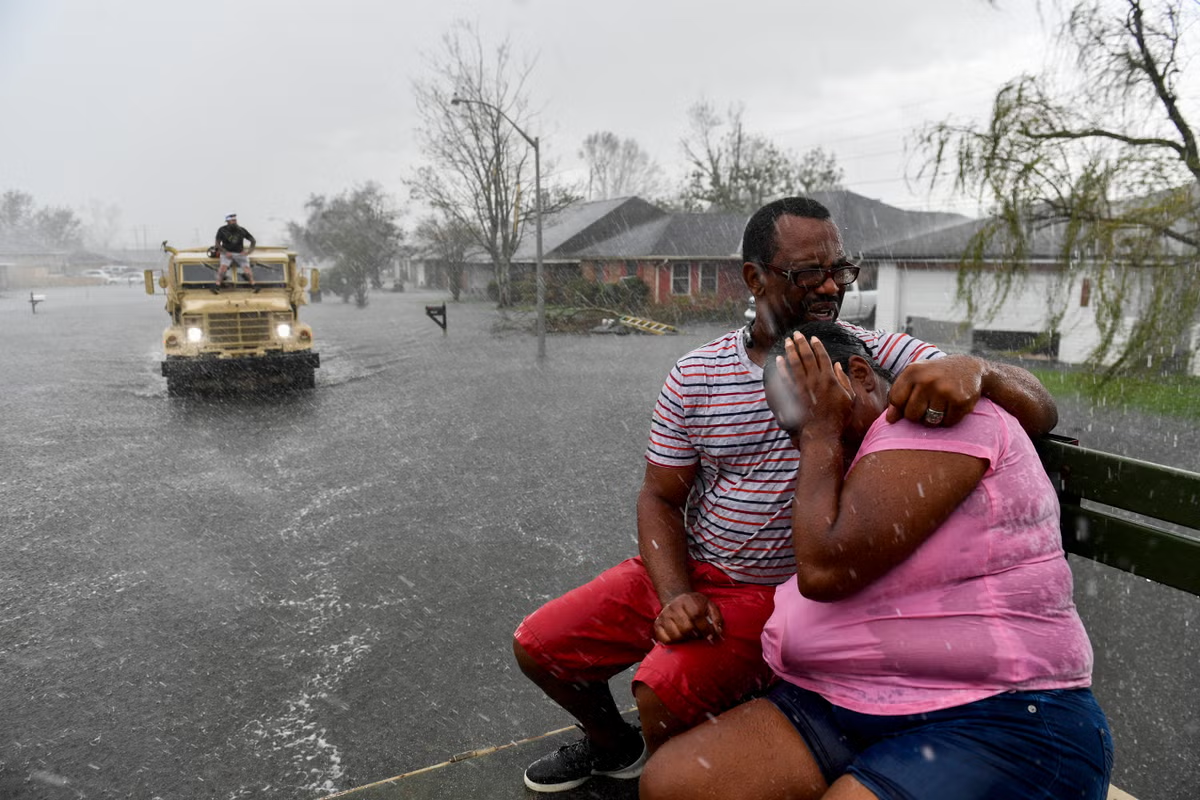
The twist: Experts say people in hurricane-prone areas should essentially ignore 2026 hurricane season forecasts and prepare for a dangerous season.Show Caption
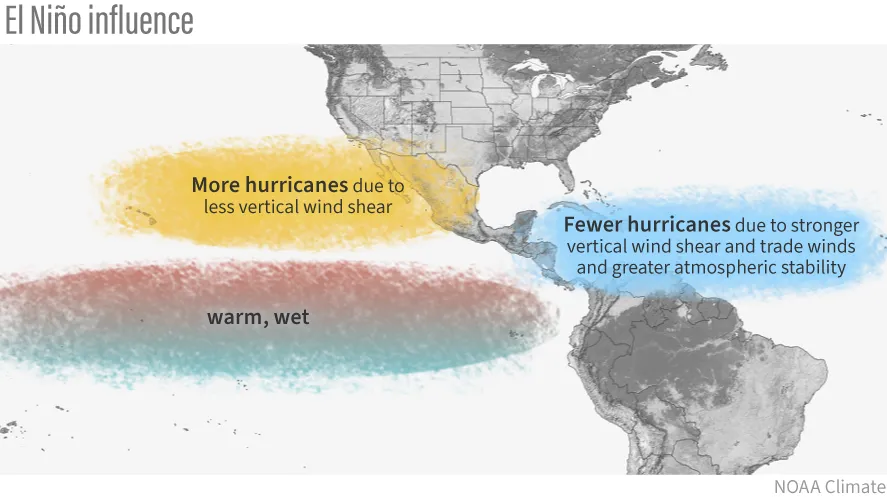
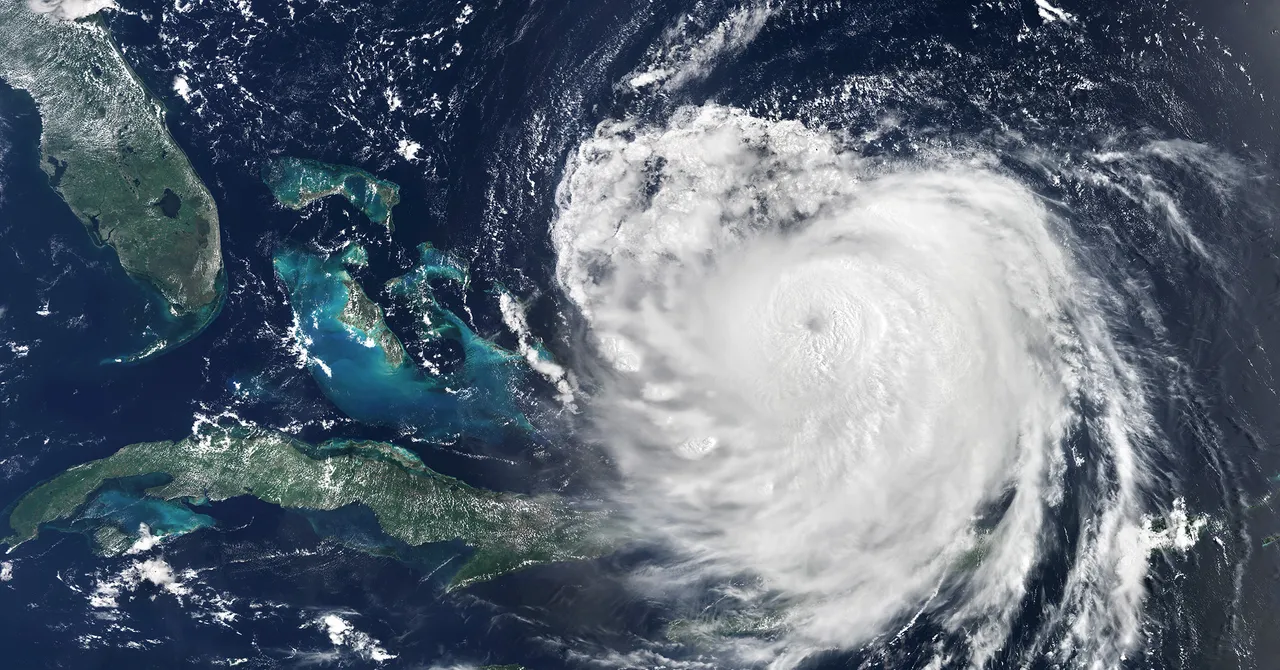
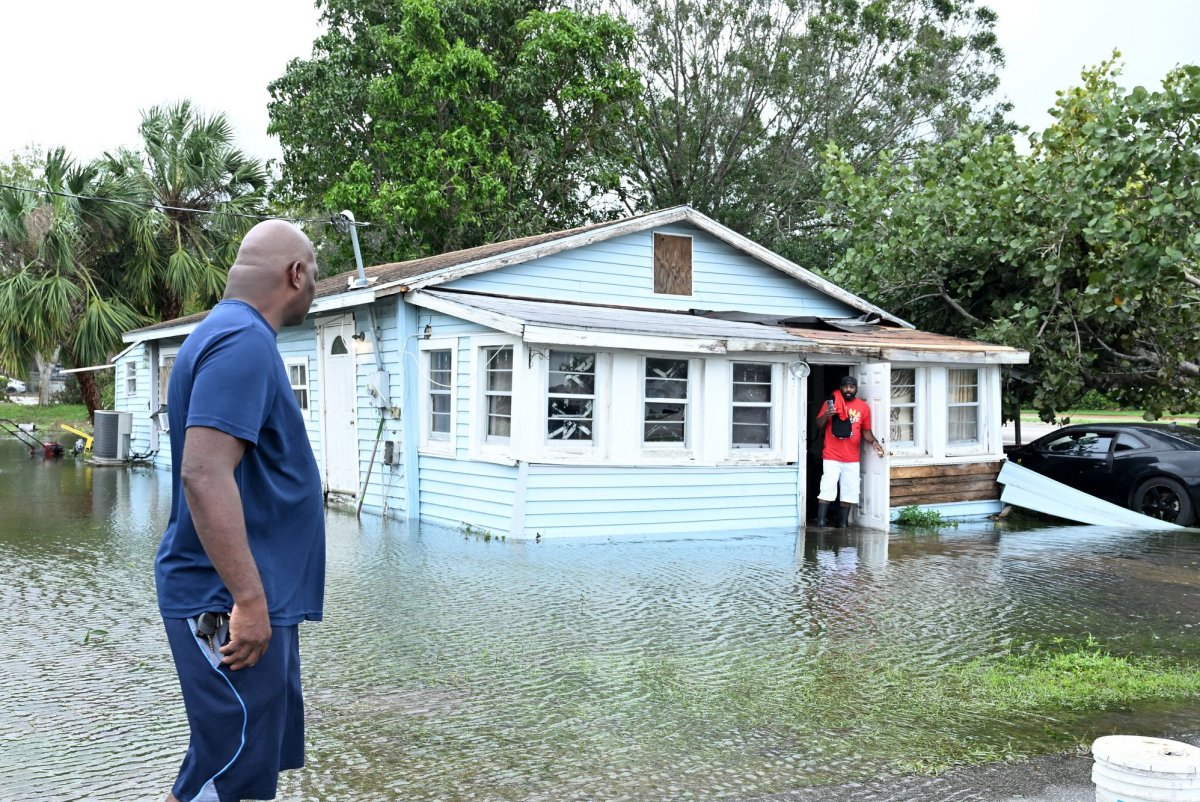
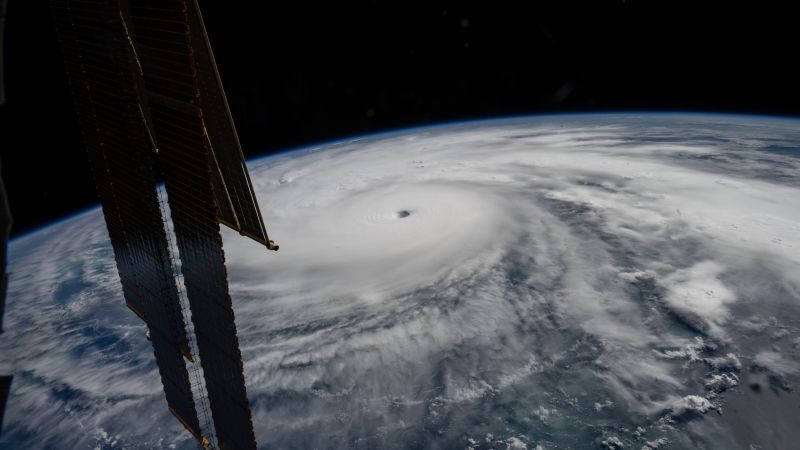
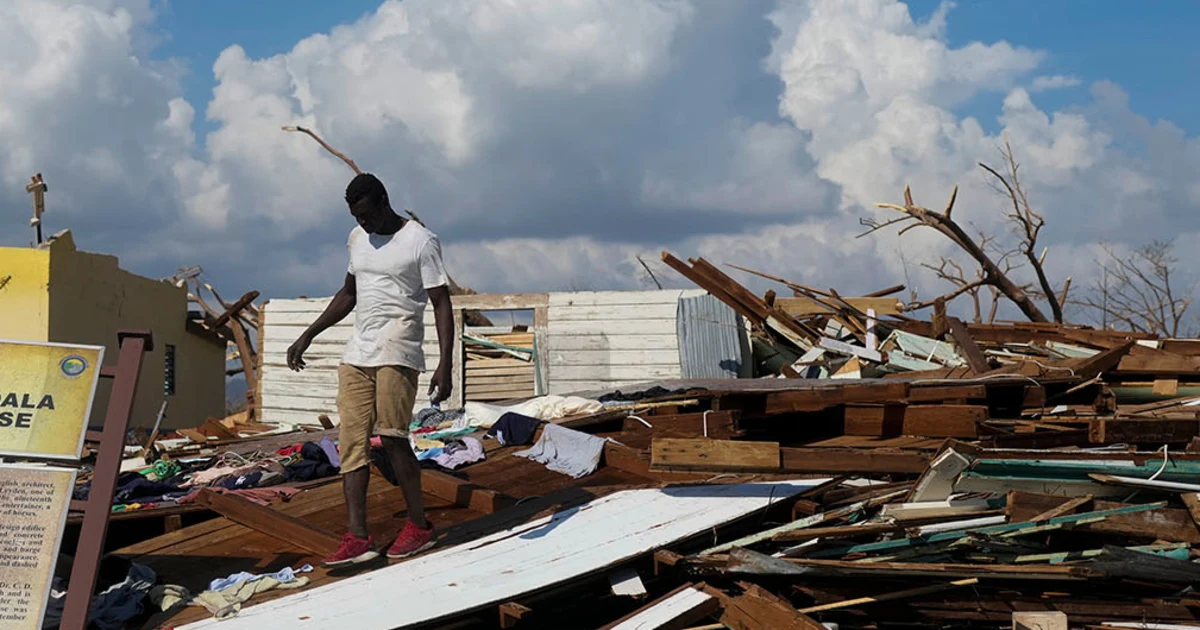
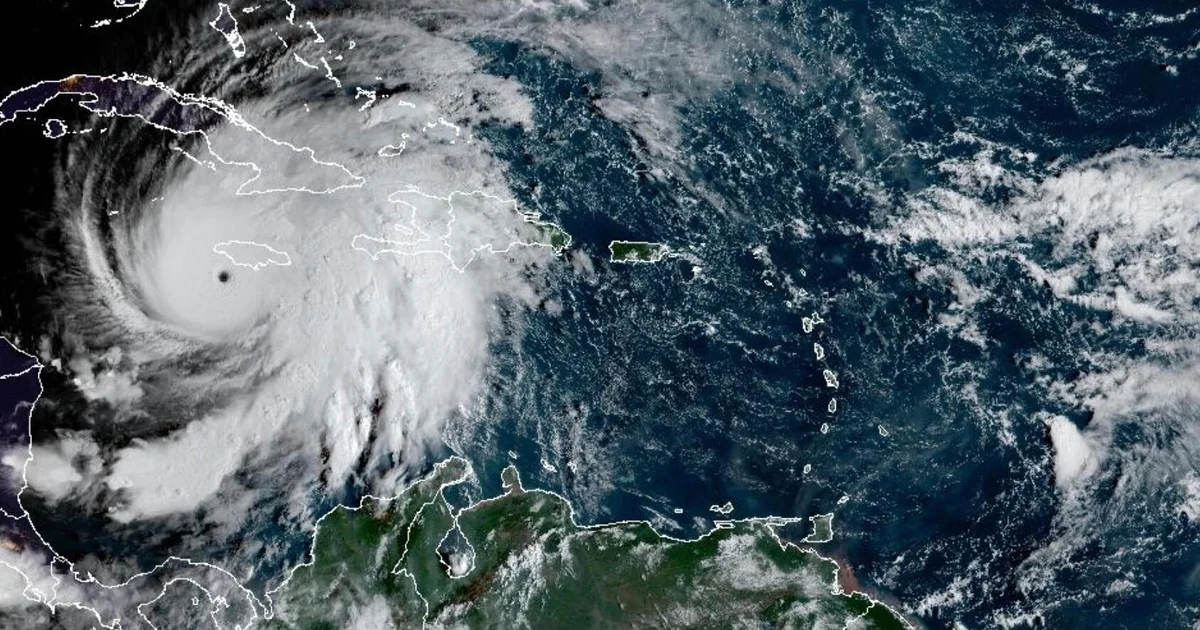
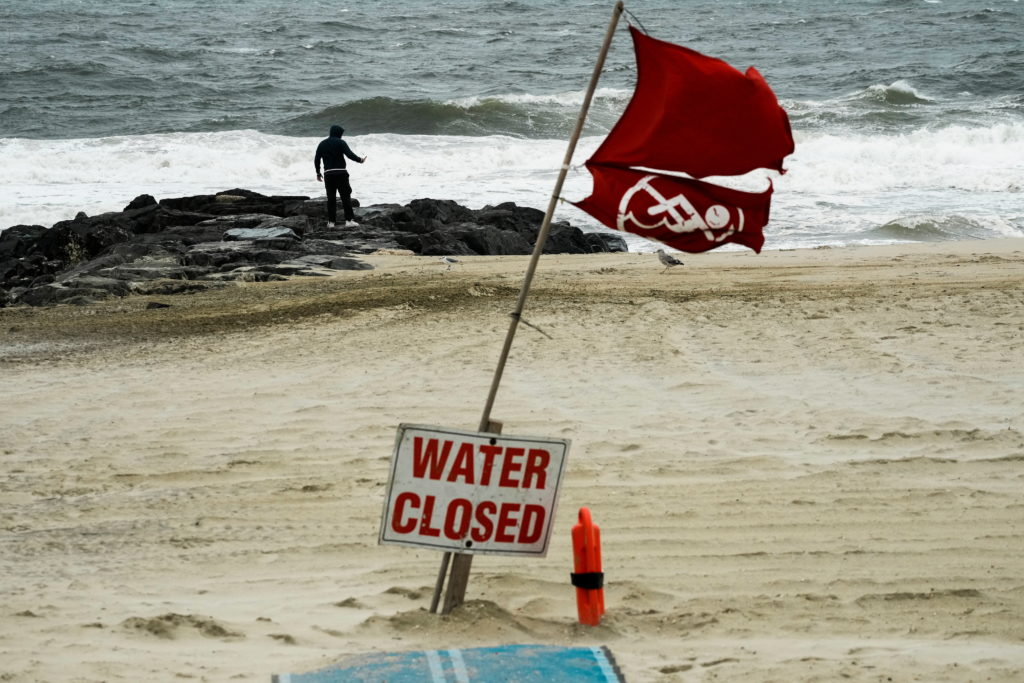
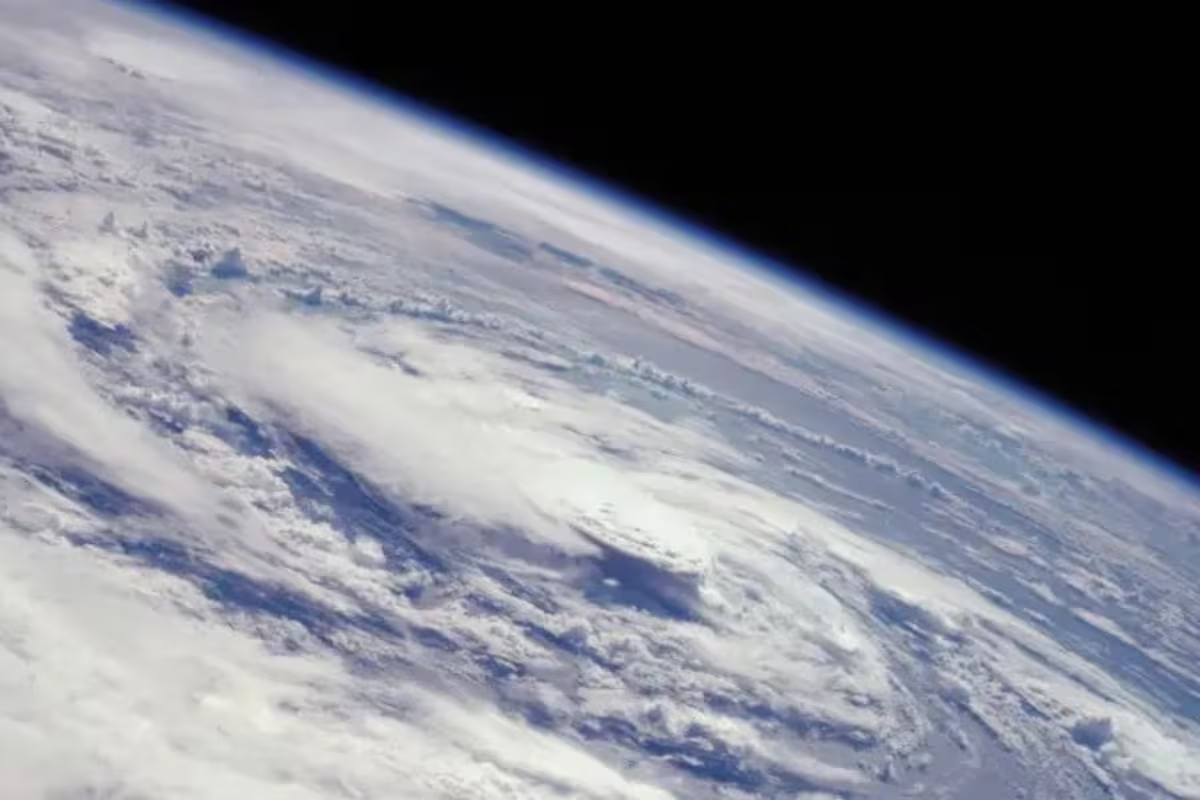
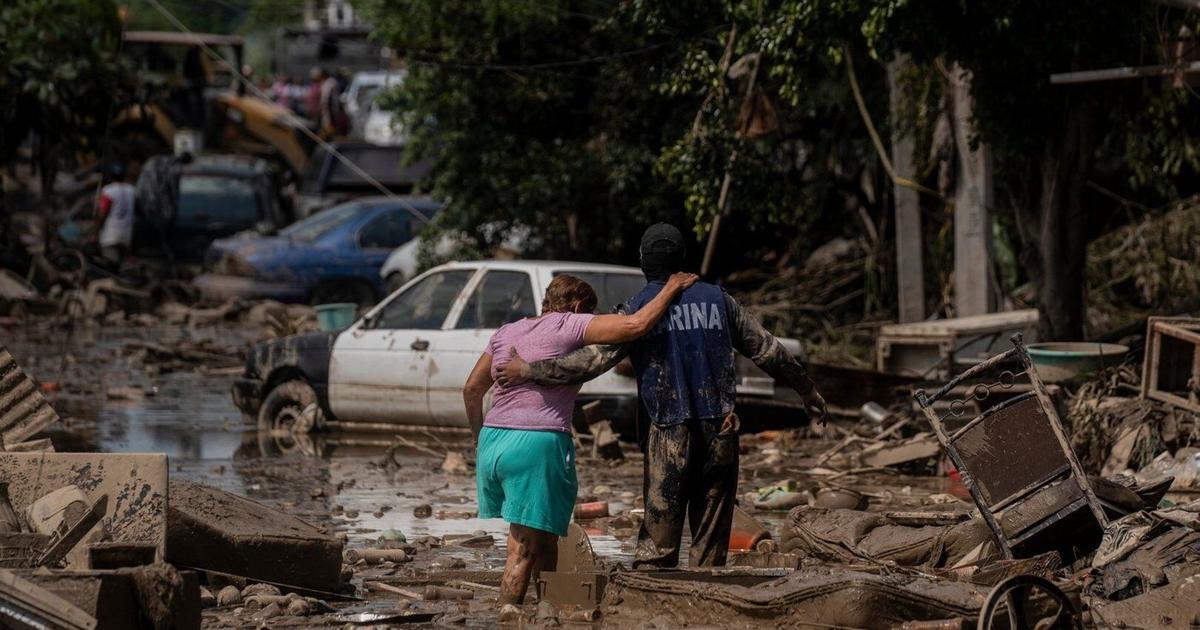
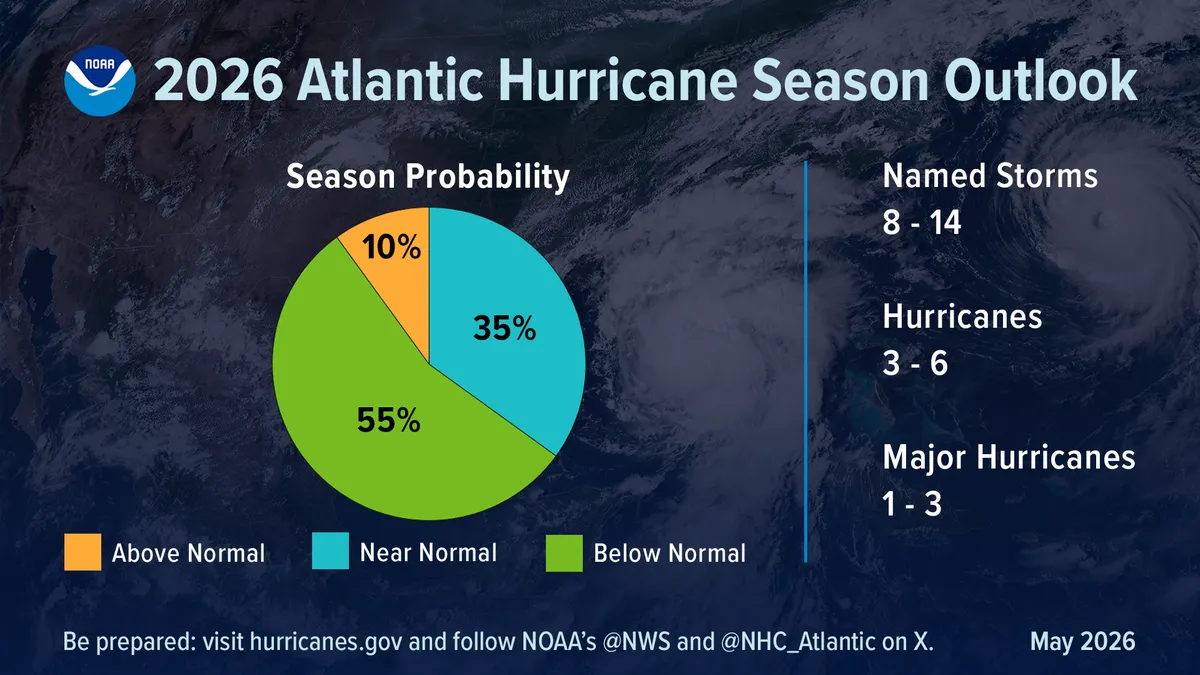
LAKELAND, FL – Federal forecasters have released their outlook for the hurricane season, but such predictions have proven to be a tricky business in 2026.Thanks primarily to El Niño, a "below-normal season" is predicted for 2026 in the Atlantic Ocean basin. Expect to see between eight and 14 named tropical storms this season, the National Oceanic and Atmospheric Administration's new seasonal outlook predicts. That includes three to six hurricanes, one to three of which could be major storms.A typical year averages about 14 tropical storms, seven of which spin into hurricanes, based on weather records from 1991 to 2020.“Although El Niño’s impact in the Atlantic Basin can often suppress hurricane development, there is still uncertainty in how each season will unfold,” said NOAA’s National Weather Service Director Ken Graham, in a statement. “That is why it’s essential to review your hurricane preparedness plan now. It only takes one storm to make for a very bad season.”"Don't let the 'below-average' forecast change your preparations," he said.In the Eastern Pacific hurricane region, the forecast is for a busier-than-normal season, thanks to El Niño’s influence. NOAA is predicting a 70% chance of an above normal season, said Administrator Neil Jacobs."In the Eastern Pacific, we're expecting 15 to 22 named storms, nine to 14 hurricanes and five to nine major hurricanes," Jacobs said. In the Central Pacific, five to 13 tropical cyclones are expected.Ignore the forecasts?People living in the potential path of hurricanes might be surprised to hear that Graham said they should essentially ignore the seasonal forecasts and prepare for a dangerous season regardless.Previous early forecasts from other organizations also generally suggested a slightly below-average Atlantic season, while noting high levels of uncertainty in the forecast. But even a less active hurricane season can still be deadly.“Don’t let all those words change the way you prepare,” Graham said. He listed several bad storms that took place in the past during El Niño years, such as Hurricane Betsy in September 1965, which people in Louisiana still talk about.While El Niño is expected to suppress some hurricane activity, it's not a guarantee of a mild season.During a strong El Niño in 2023, the Atlantic basin saw its fourth busiest season on record, including Hurricane Idalia, according to NOAA's post-season analysis. Overall, that season produced 20 named storms, seven hurricanes and three major hurricanes. Idalia made landfall near Keaton Beach on Florida's west coast and caused widespread flooding.The first storm of 2026 will be named Arthur.Prepare early for potential stormsGraham urged the public to begin preparing now for the season, while "the sun is shining." And when a storm is looming, he said the public needs to remember to pay attention to every storm and its potential impacts."There will never be a hurricane Just-a,” Graham said. “There’s no such thing as “just a Cat One, just a tropical storm, just a Cat Two.”“We’ve got to make sure the public pays attention to every single one of these systems and the actual impacts, not the category, not the name, but the actual impacts associated with that storm,” he said. That includes the potential tornadoes, heavy rains, damaging winds, high surf, rip currents and storm surge.Given the seasonal outlook, it's also important for those who live in the Hawaiian Islands, along the California coast and in the desert Southwest to be prepared, Graham said. It’s not just a direct landfall that’s a concern. Arizona and New Mexico can also receive rain from Pacific storms and their remnants.“Even a glancing blow can bring dangerous flash flooding to the desert," he said.What is El Niño's influence on hurricane season?Historically El Niño tends to reduce hurricane activity in the Atlantic basin and increase activity in the Pacific, thanks to the way it influences global wind patterns.As El Niño strengthens, weakened trade winds and warming ocean temperatures are expected near and to the east of Hawaii, which increases the risk of a hurricane hitting the islands, said Malte Stuecker, director of the University of Hawai'i at Manoa's International Pacific Research Center.The reverse can be true in the Atlantic, where a shift in the winds created by the activity in the El Niño region can bring in wind shear that creates a hostile environment for hurricanes to form and strengthen. The strongest influence is over the Caribbean and western Atlantic hurricane development region, according to NOAA, while unfortunately for residents along the U.S. Gulf coast, activity during El Niño can be more of a wild card.Even a less busy hurricane season can have impacts, particularly when the Atlantic is in an active cycle or ocean temperatures are especially warm.Warming climate adds to concernsGiven that the El Niño will be adding additional heat to oceans where temperatures are already above normal, there are "lots of reasons to be concerned” about the season, said Monica Medina, co-chair of the climate advocacy group Climate Power and a former principal deputy undersecretary of NOAA.The contribution of climate change to the effects of potential storms and hurricanes isn't getting enough attention, Medina told USA TODAY.“These storms, even if it’s just one, could be devastating in a way that we haven’t seen before,” Medina said. “It could linger, it could be wetter, it could be farther inland."Contributing: Jennifer Borresen, a USA TODAY visual journalist.Doyle Rice and Dinah Voyles Pulver are national correspondents for USA TODAY who cover weather and climate. Reach them at drice@usatoday.com and dpulver@usatoday.com.