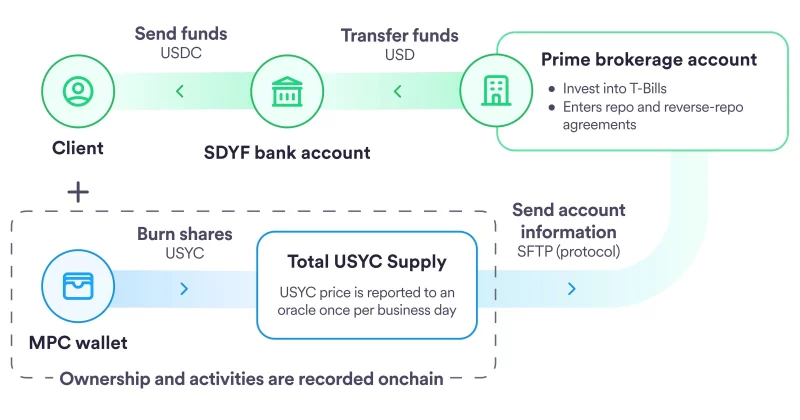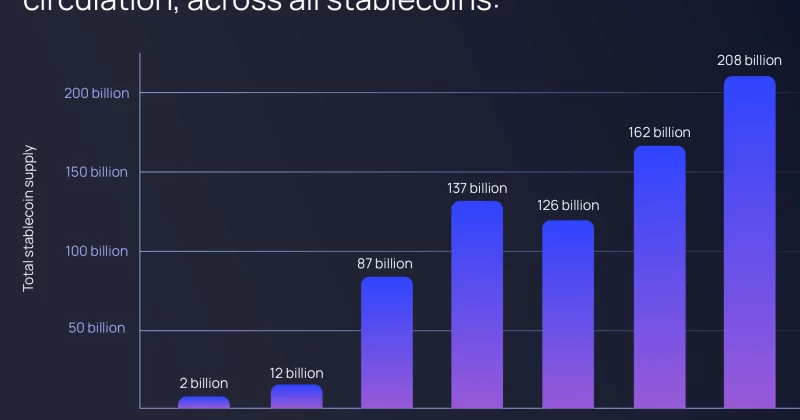
Tokenized money market funds are likely to continue growing, but they are unlikely to capture more than 10% to 15% of the stablecoin market without regulatory changes, according to JPMorgan analysts.
Despite offering investors yield, tokenized money market funds currently account for only around 5% of the stablecoin universe or market cap, the JPMorgan analysts led by managing director Nikolaos Panigirtzoglou said in a report.
The analysts said stablecoins continue to dominate because they have become the crypto ecosystem's preferred cash instrument. Stablecoins are widely used for collateral management, trading, settlement, cross-border payments, and day-to-day liquidity management across centralized exchanges and decentralized finance protocols.
Tokenized money market funds, by contrast, face what the analysts described as a "structural regulatory disadvantage."
Unlike stablecoins, tokenized money market funds are generally classified as securities. As a result, they are subject to securities law requirements such as registration, disclosure, reporting obligations, and transfer restrictions. According to the analysts, these requirements make it harder to circulate onchain funds freely across the crypto ecosystem.