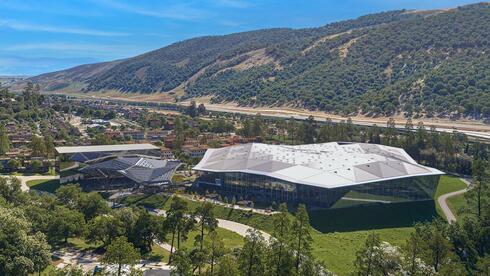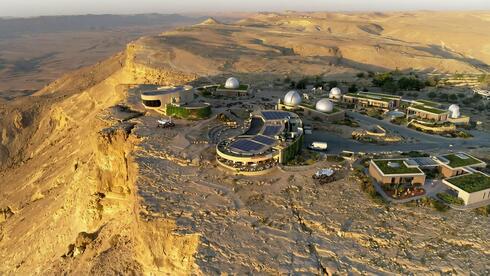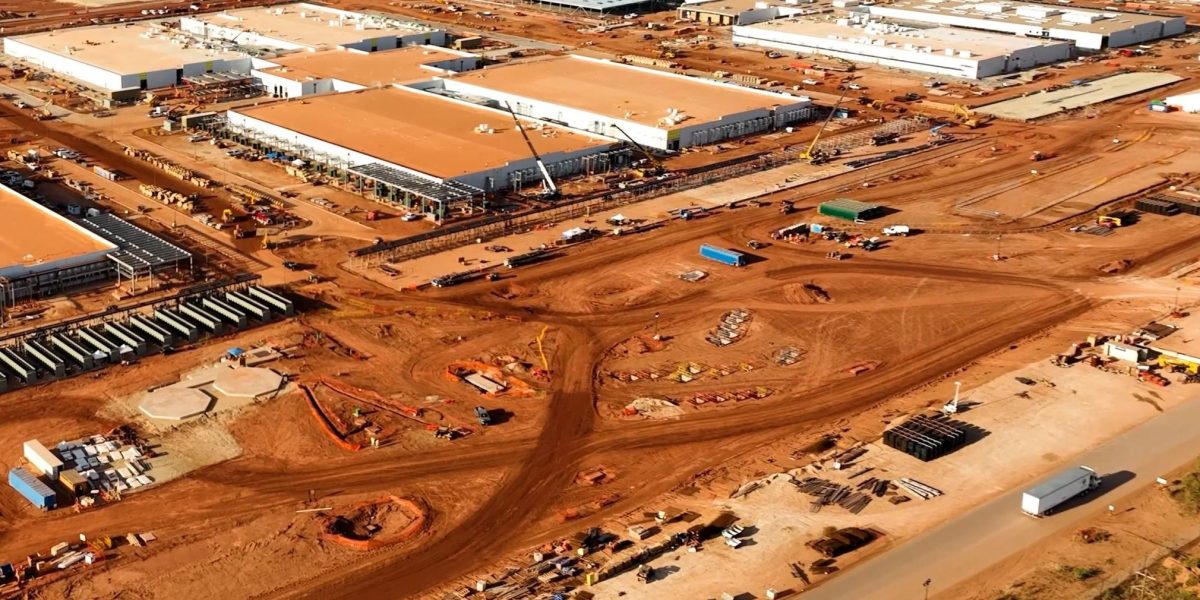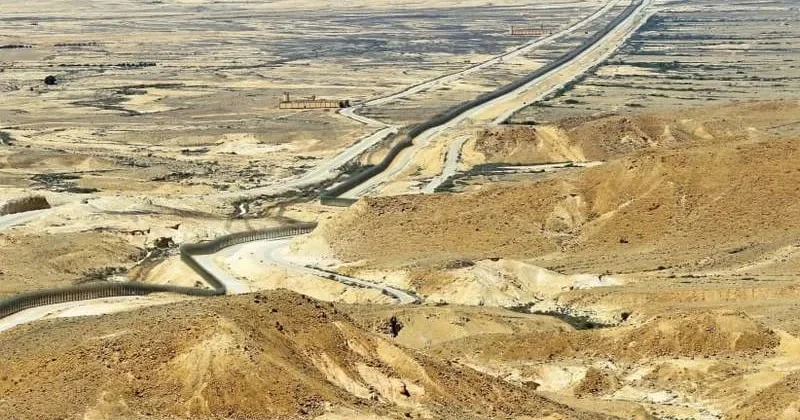
The US is exploring a plan to build a fortified artificial intelligence research base in Israel’s western Negev desert, a project known as Spire. The facility would serve as the inaugural node in what’s envisioned as a worldwide network of hardened AI operational centers, where American companies and allied researchers could work inside secure perimeters governed by strict US standards.
Why the Negev, why now
The driving force behind Project Spire is the accelerating AI arms race between the US and China. Washington has grown increasingly vocal about state-backed technology theft by Chinese firms, and the strategic calculus is straightforward: if AI is the next great power multiplier, the hardware and research that fuel it need physical protection.
Israel checks several boxes as a host. The country has deep intelligence-sharing ties with the US and a tech startup ecosystem that routinely punches well above its weight class. Israeli officials have leaned into branding the nation as an AI “superpower,” and the existing bilateral security infrastructure makes it a natural partner for a project of this sensitivity.
A significant share of the world’s most advanced semiconductors are manufactured in Taiwan, an island that sits at the center of one of the planet’s most volatile geopolitical flashpoints. Diversifying chip production away from that single point of failure has become a recurring theme in US industrial policy, from the CHIPS Act domestically to initiatives like Spire abroad.