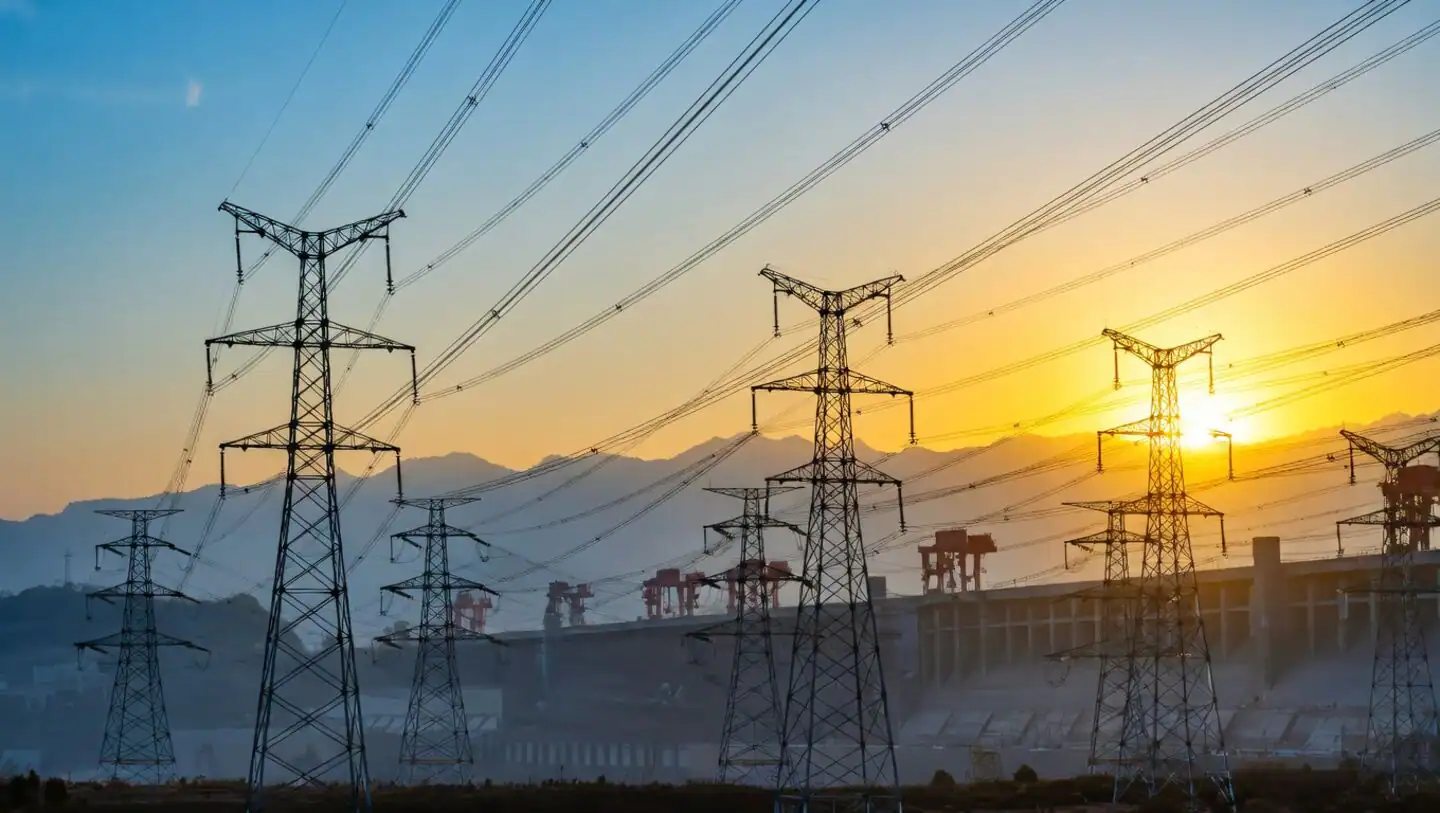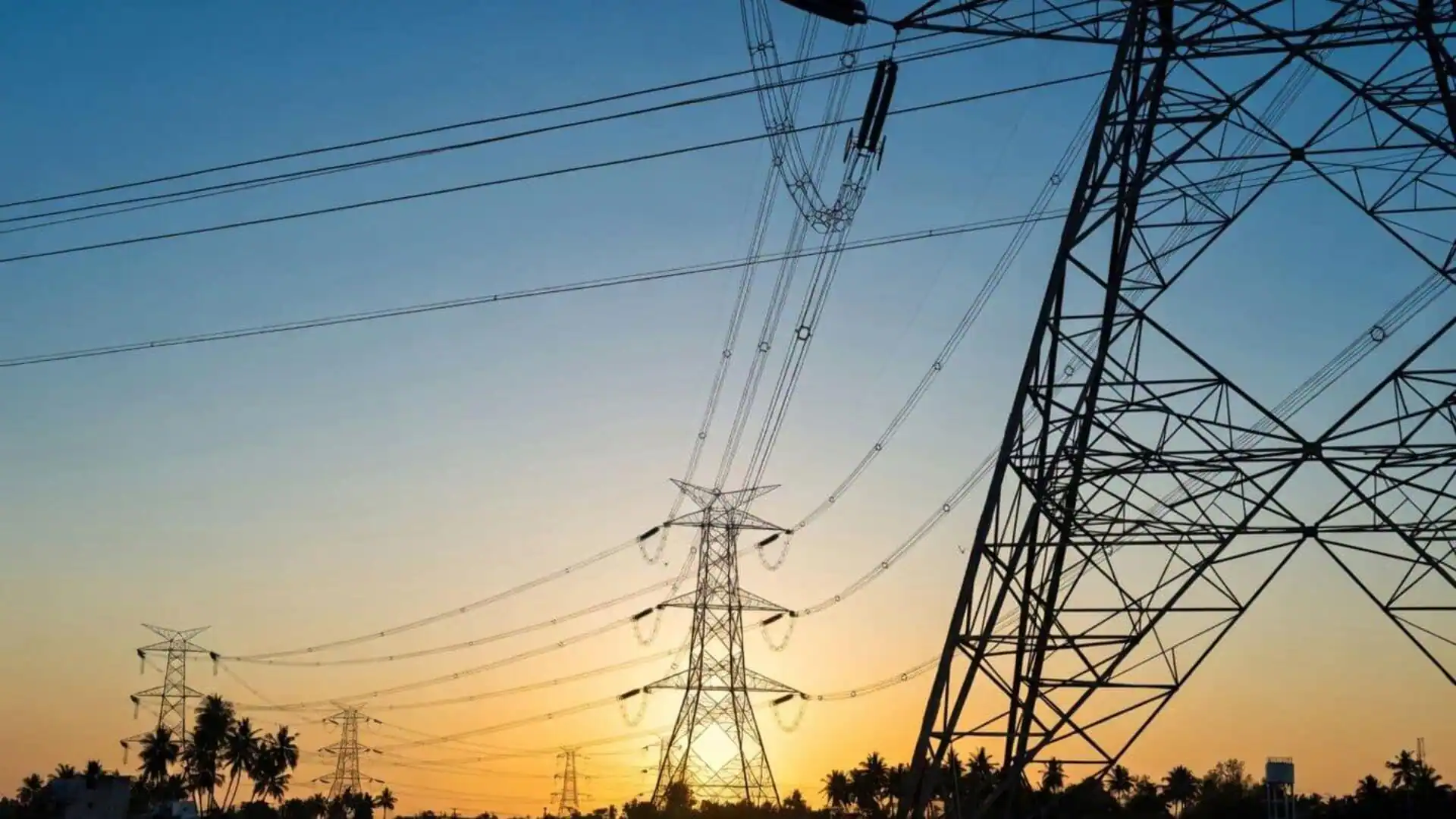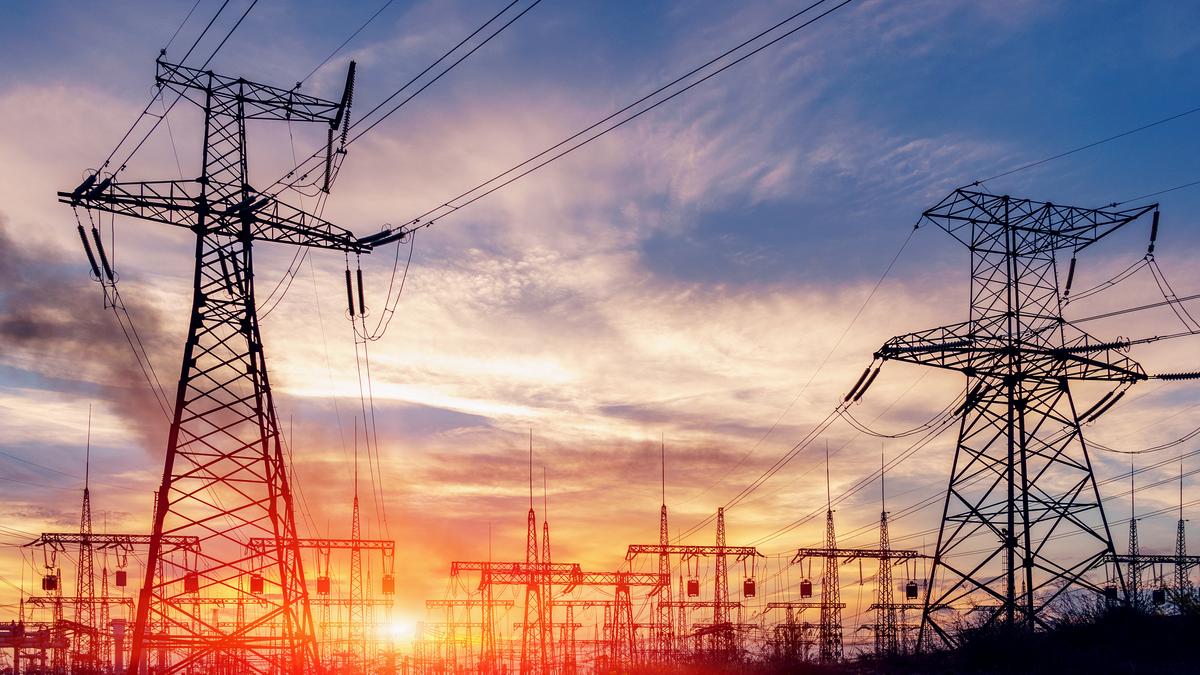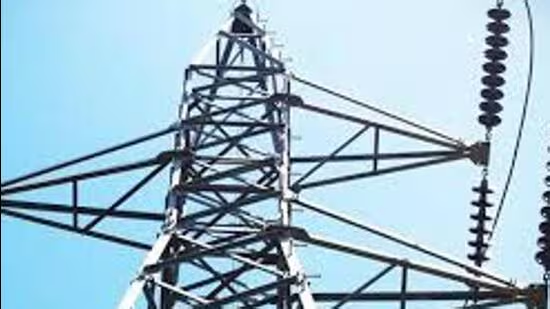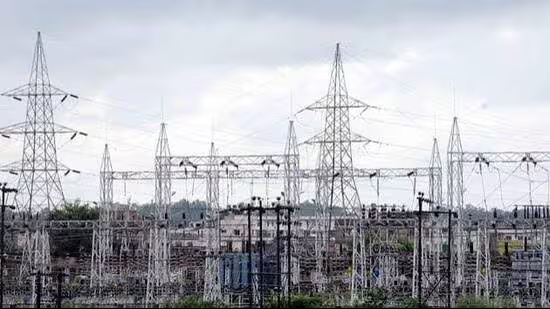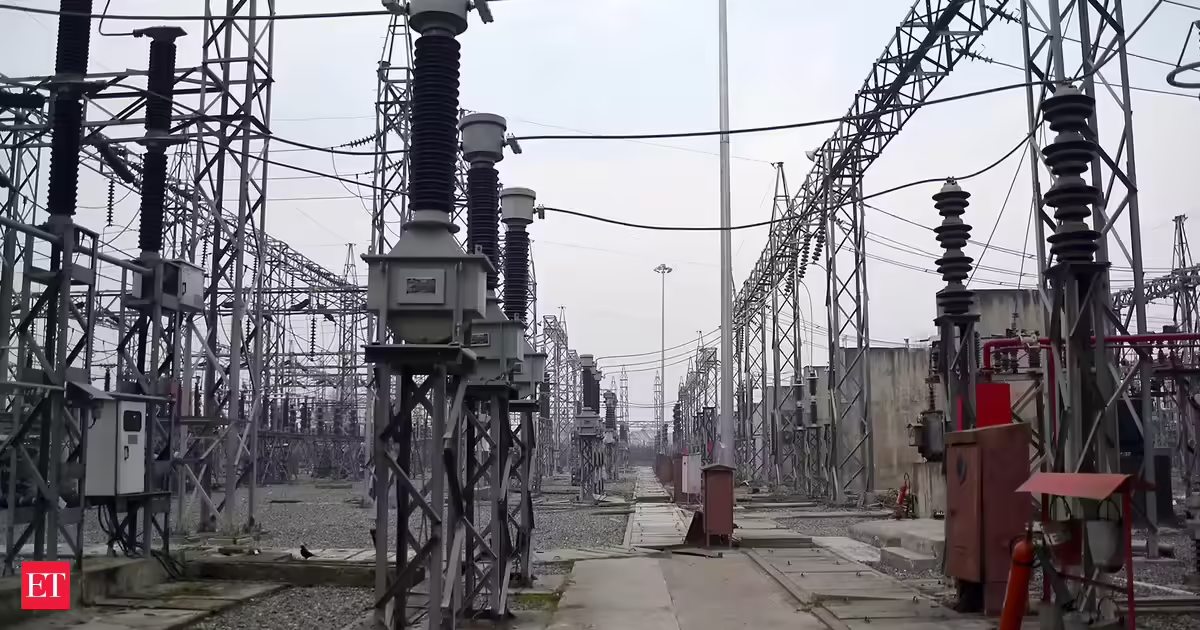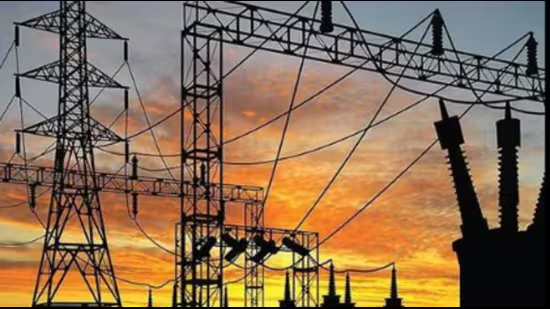
LUCKNOW As mercury levels continue their relentless upward trajectory, Lucknow’s appetite for electricity has shattered previous records, pushing the city’s power infrastructure to its limits and keeping energy officials on high alert.The state capital recorded a peak power demand of 2,137 MVA on Wednesday, marking a sharp escalation from 2,059 MVA on Tuesday, 1,959 MVA on Monday and 1,946 MVA on Sunday. (Pic for representation)The state capital recorded a peak power demand of 2,137 MVA on Wednesday, marking a sharp escalation from 2,059 MVA on Tuesday, 1,959 MVA on Monday and 1,946 MVA on Sunday.The rapid daily jump in consumption has caught the attention of officials, especially when compared to the same period last year when demand hovered around just 1,880 MVA.With temperatures climbing steadily and air-conditioners, coolers and fans running almost non-stop, Lucknow has comfortably crossed the 2,000 MVA mark. Officials warn that if the intense heatwave continues, the city’s power demand could breach 2,200 MVA within the next three days. LESA engineers said the demand may cross 3000 MVA this year, if this trend continues.The sudden spike in power usage is also attributed to EV charging points and more use of induction cook tops by citizens, which is beginning to test the resilience of the city’s power network. Residents in almost every area have complained of low voltage, transformer breakdowns and intermittent outages, especially during peak evening hours when consumption reaches its highest point.Chief engineer (Amausi area) Ram Kumar said transformers and feeders are operating under heavy stress. “The effect of high temperature and humidity has led to massive stress on the city’s power infrastructure. The load on the system has increased significantly due to continuous use of cooling appliances. Our teams are monitoring the network round the clock to prevent major breakdowns,” he added.Despite the mounting pressure, officials insist that preparations were made well in advance for the summer season. Maintenance of substations and feeders was carried out before the onset of extreme heat, while additional transformers were installed in vulnerable localities to handle excess load, said an office-bearer of UP Rajya Vidyut Upbhokta Parishad.The chief engineer appealed to residents to use electricity responsibly, particularly during peak evening hours, to help reduce pressure on the infrastructure.Energy expert Shailendra Dubey, chairman of All India Power Engineers’ Federation, said the current surge is a clear indication of Lucknow’s growing urban expansion and rising dependence on electrical appliances. The trend also highlights the urgent need for long-term investment in strengthening the power infrastructure to keep pace with rising demand in the years ahead.
Lucknow’s peak power demand surges past 2100 mva
The sudden spike in power usage is also attributed to EV charging points and more use of induction cook tops by citizens, which is beginning to test the resilience of the city’s power network
423 words~2 min read