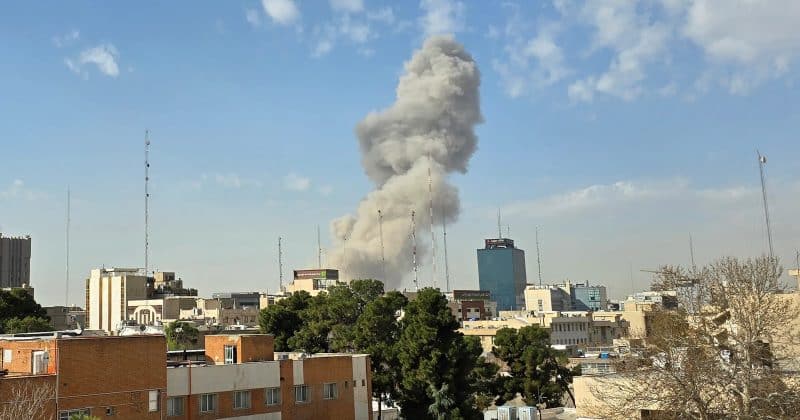
Oil prices are doing that thing they do when the Middle East gets tense: surging. Brent crude futures are testing the mid-$80s per barrel while WTI hovers near $80, with intraday gains running between 3% and 7%. The catalyst this time is renewed fears that Iranian supply disruptions could choke off crude flows through one of the world’s most important shipping lanes.
US stock index futures are pointing to a weaker open as a result. S&P 500 futures slipped as traders recalibrated their risk appetite, with tech and semiconductor stocks leading the pullback. For crypto investors, this is the kind of macro event that tends to ripple through every asset class, whether you’re holding oil futures or Bitcoin.
The Strait of Hormuz problem
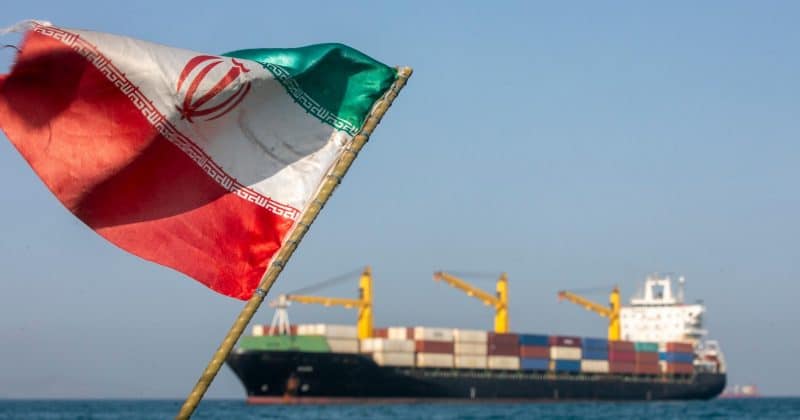
Here’s the thing about oil markets: they don’t need an actual supply disruption to spike. They just need the possibility of one. And the Strait of Hormuz, the narrow waterway between Iran and the Arabian Peninsula, represents one of the most significant bottlenecks in global energy logistics. Roughly a fifth of the world’s oil supply passes through it daily.
Tensions with Iran have escalated enough that China, one of Iran’s biggest crude customers, has reportedly been seeking assurances from Tehran about the stability of flows. When Beijing feels the need to make phone calls about shipping lanes, markets notice.