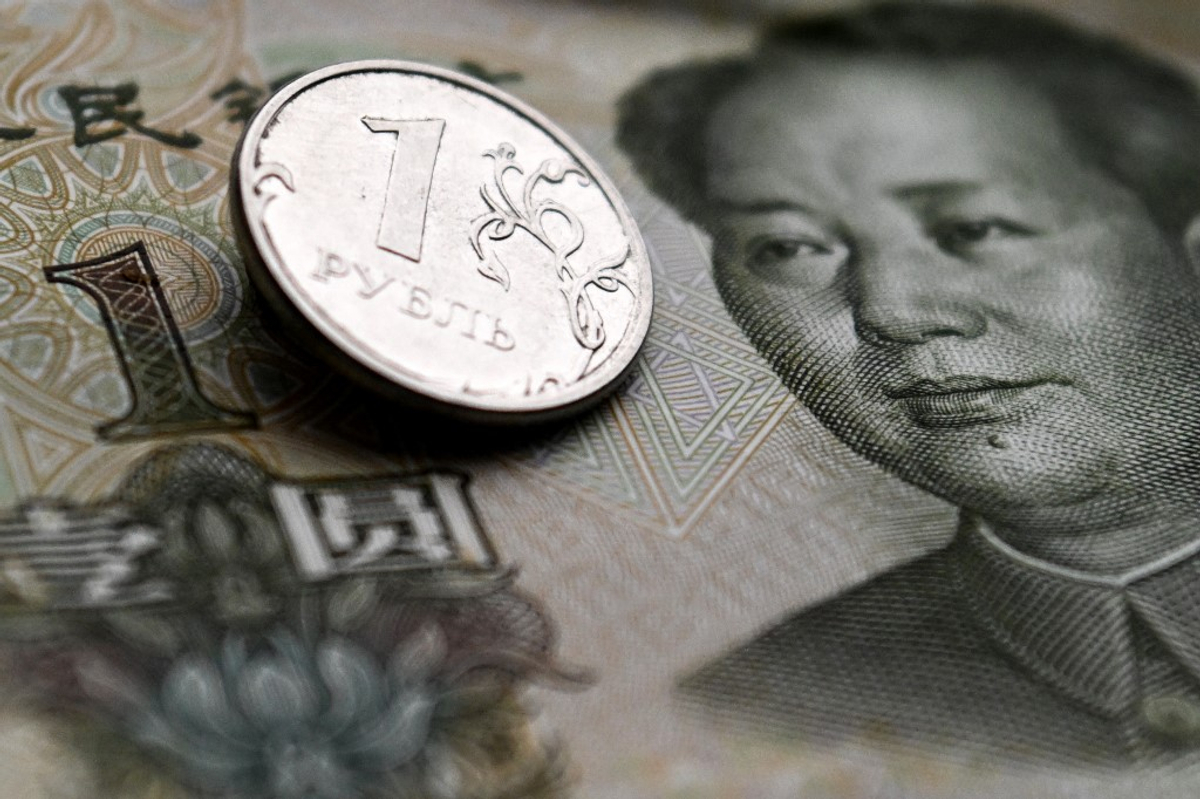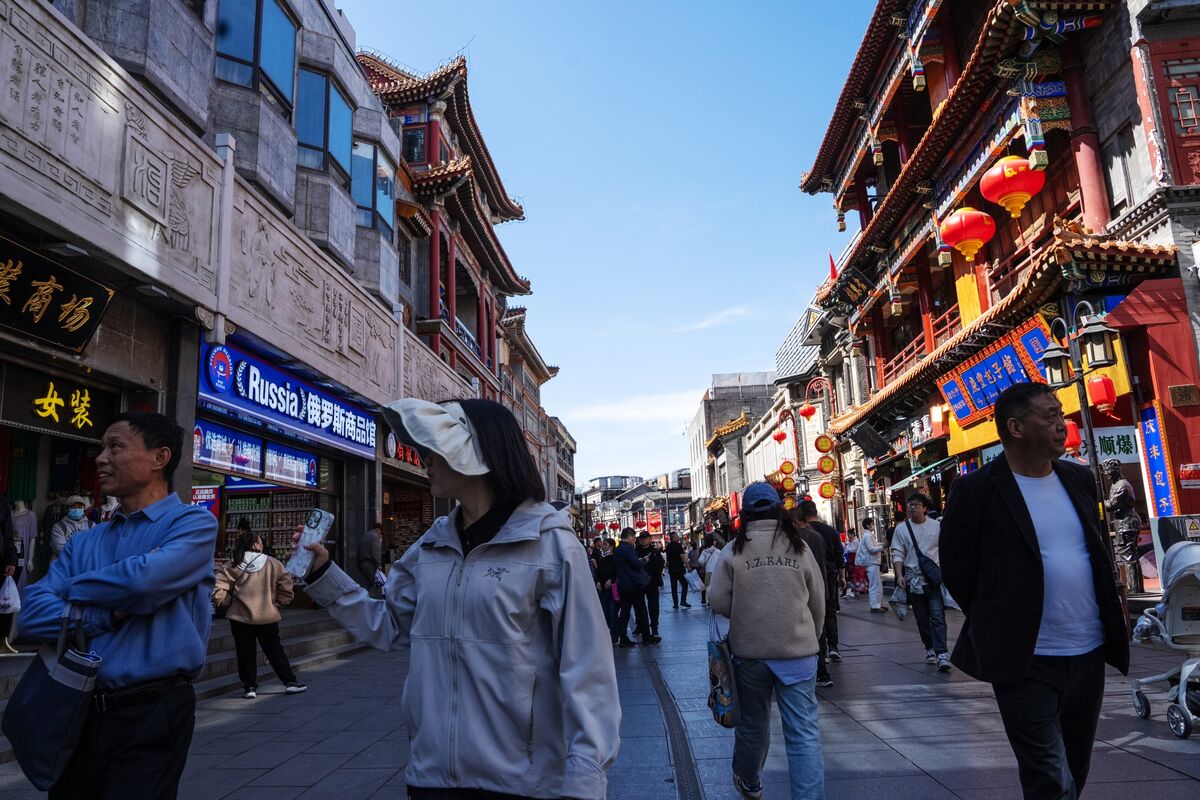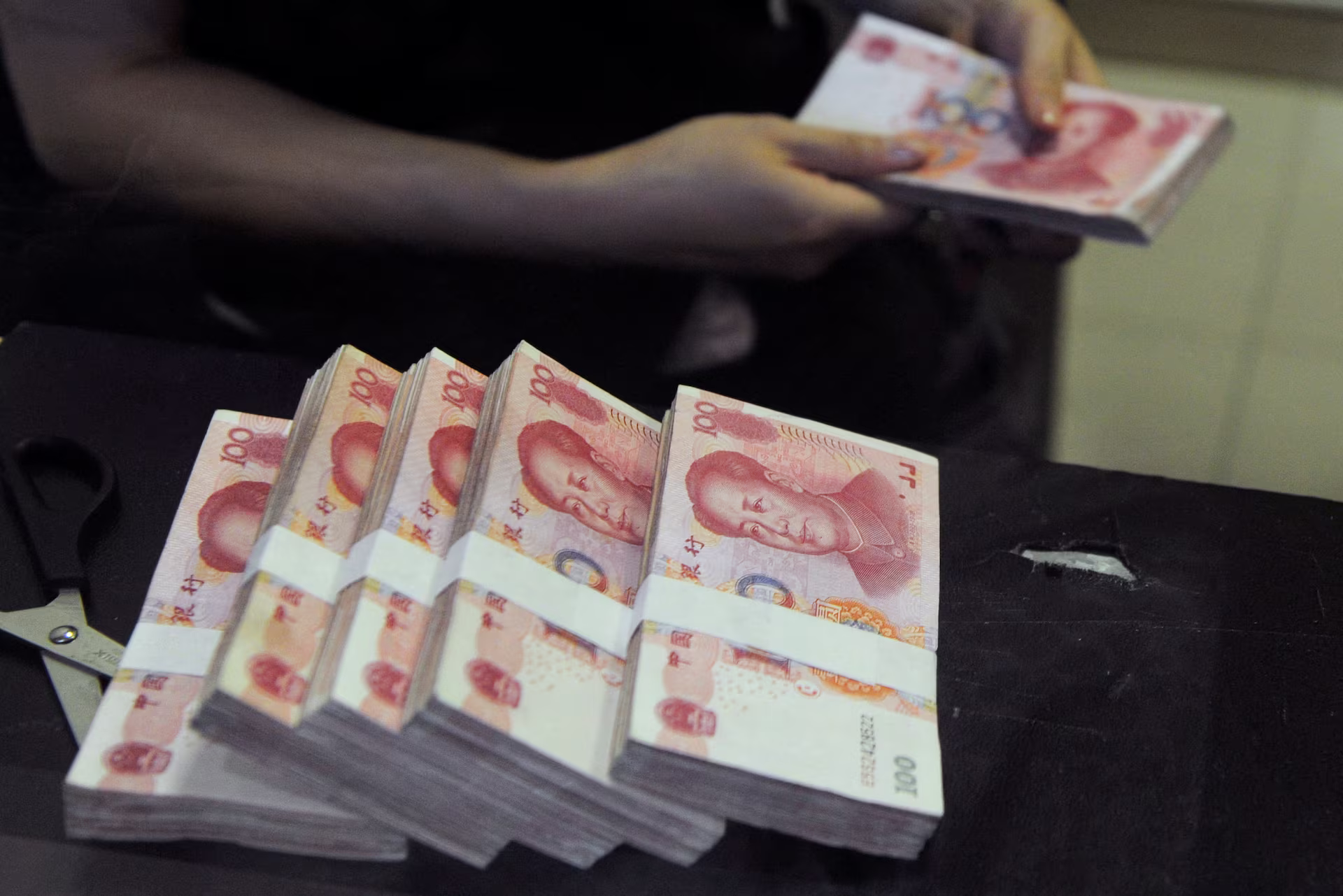
Russia is preparing to sell 10-year government bonds denominated in Chinese yuan for the second time, deepening a financial partnership with Beijing that has become essential to Moscow’s ability to fund itself under Western sanctions.
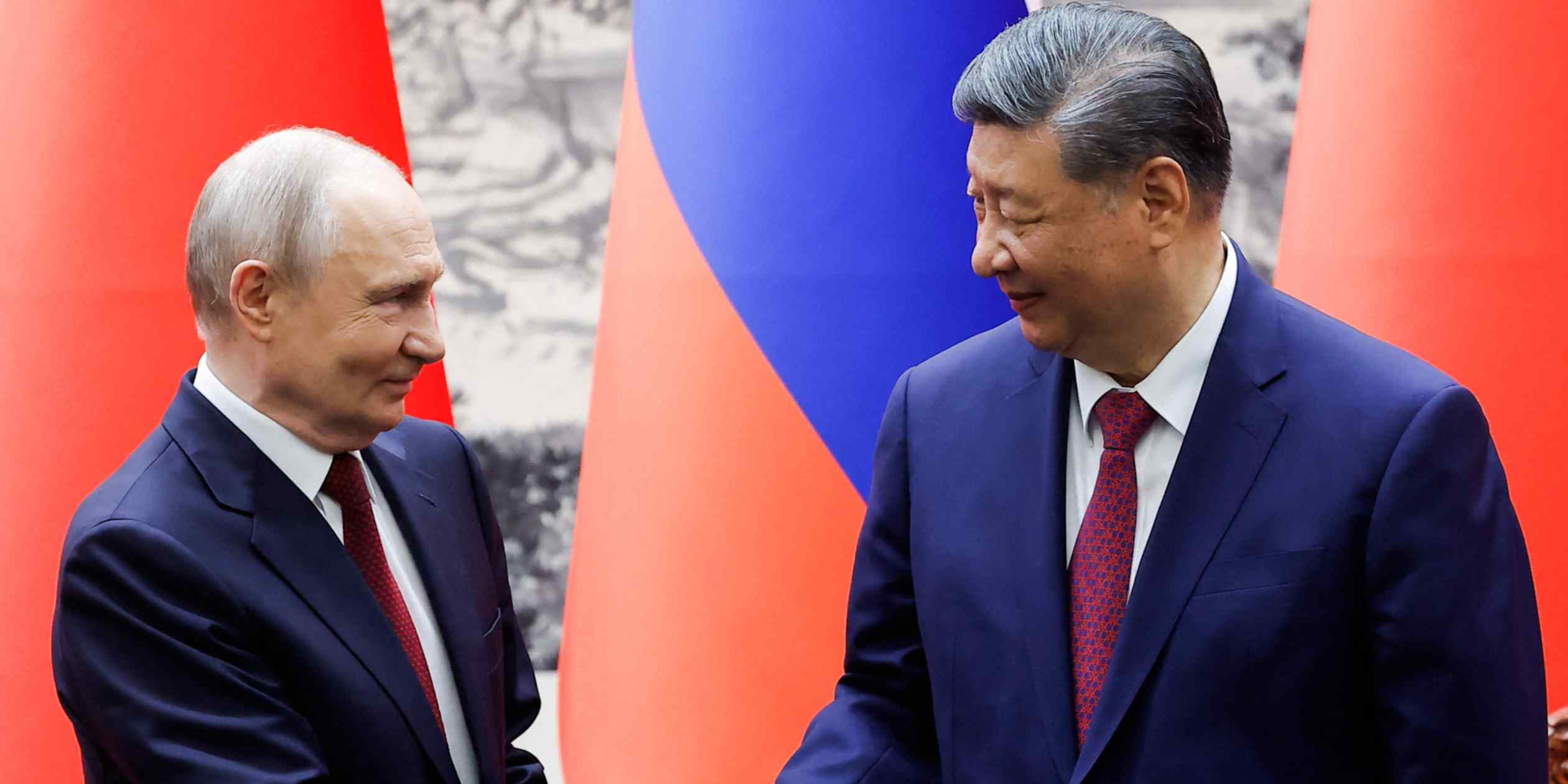
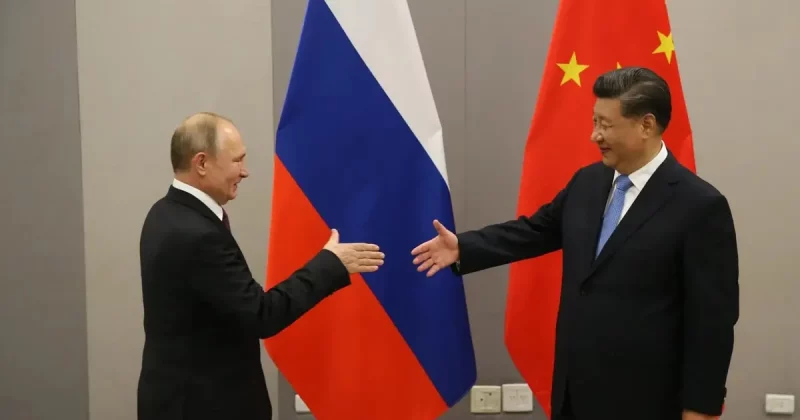
The planned issuance follows President Vladimir Putin’s recent state visit to China and builds on an inaugural yuan bond sale conducted in December. That first offering totaled approximately CNY 20 billion, roughly $2.8B to $3B, with maturities ranging from 3 to 7 years.
This time, Moscow is going longer on the maturity curve. The focus on 10-year bonds signals that Russia isn’t just dabbling in yuan-denominated debt. It’s trying to make it a permanent fixture of its sovereign funding strategy.
Why yuan, and why now
The short answer: Russia doesn’t have many other options. Western sanctions have effectively locked Moscow out of dollar and euro bond markets, the two currencies that historically dominated global sovereign debt issuance. When your usual doors are welded shut, you find new ones.