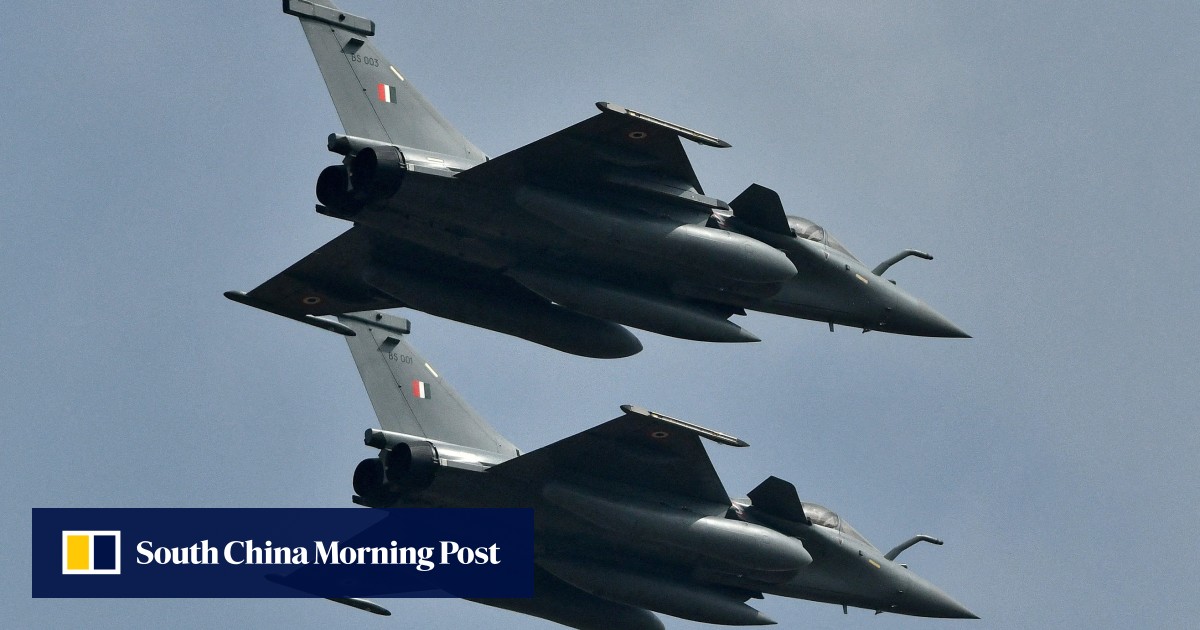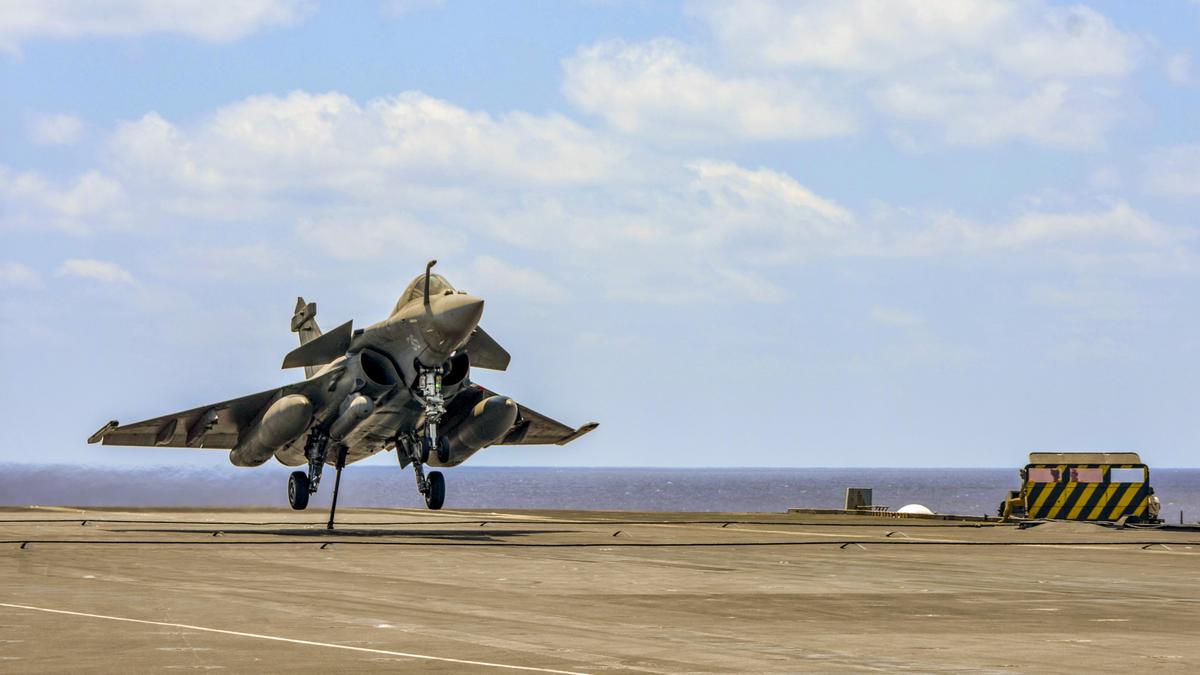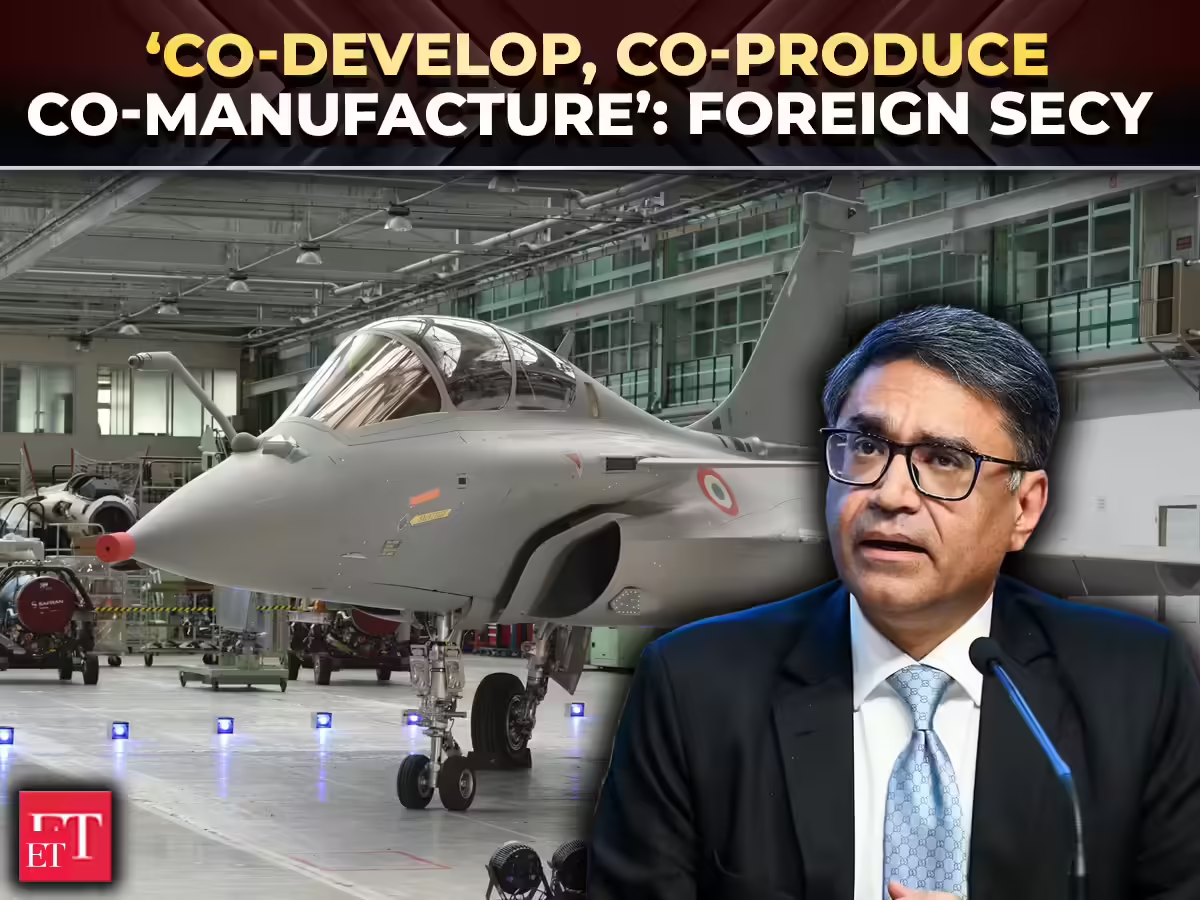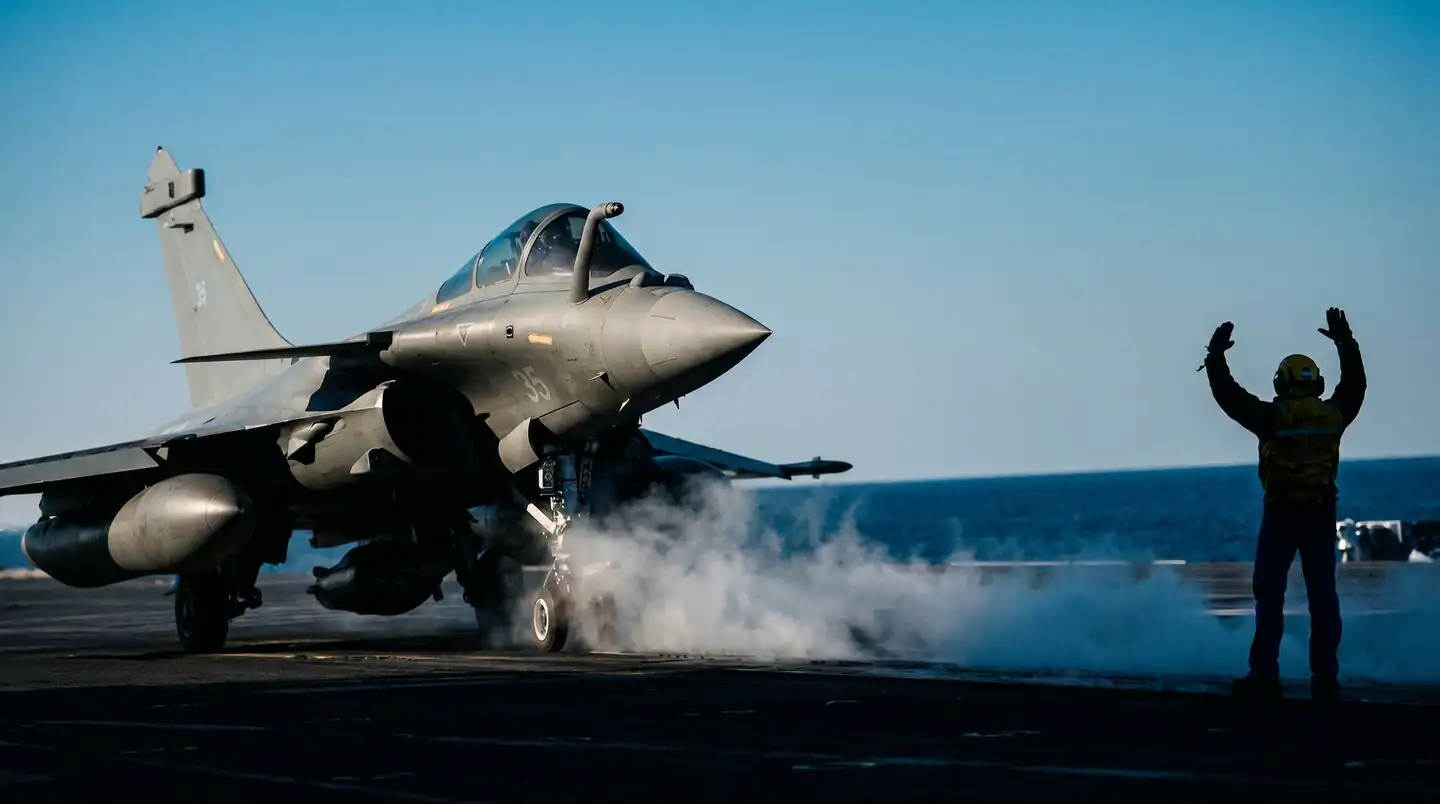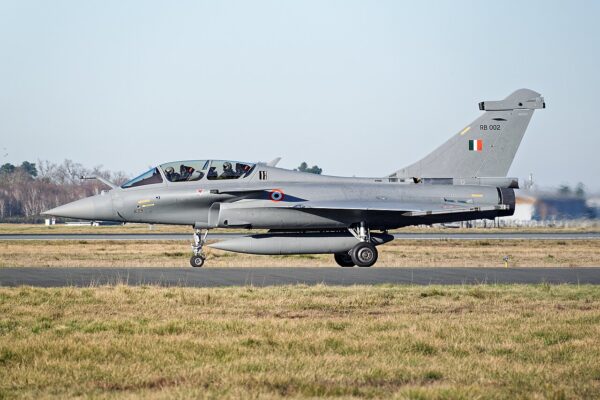
India’s ambitious push toward technical sovereignty in defense production is increasingly facing roadblocks with the limits of Transfer of Technology (ToT) agreements, as supplier states are reluctant to negotiate sensitive technologies. Recently, despite the proposed acquisition plans for 114 multirole fighter aircraft for the Indian Air Force and another purchase order of 26 Dassault Rafale Marine Jets for the Indian Navy in 2025, France has reportedly refused to grant access to the critical Interface Control Document (ICD) for the Rafale jets, citing security concerns. The issue has escalated to the point that India has indicated to walk away from the proposed $43 billion deal.
The ICD is considered indispensable to operating an aircraft, as the interface controls communication and data exchange between radars, sensors, avionics, and mission systems. Without access to the ICD, India’s ability to tailor and integrate electronic warfare (EW) systems, indigenous weapons, and mission-specific upgrades remain constrained, limiting its ability to operate the aircraft only within original equipment manufacturer (OEM), approved parameters.
India has relied on ToT agreements to boost its defense production capabilities since the 1960s and 1970s. New Delhi is aware of the inherently restrictive nature of such agreements. They typically are accompanied by constraints on the type and duration of use, and on research and development (R&D), often obligating the buyer to procure materials and parts exclusively from the seller, and sometimes imposing price controls.