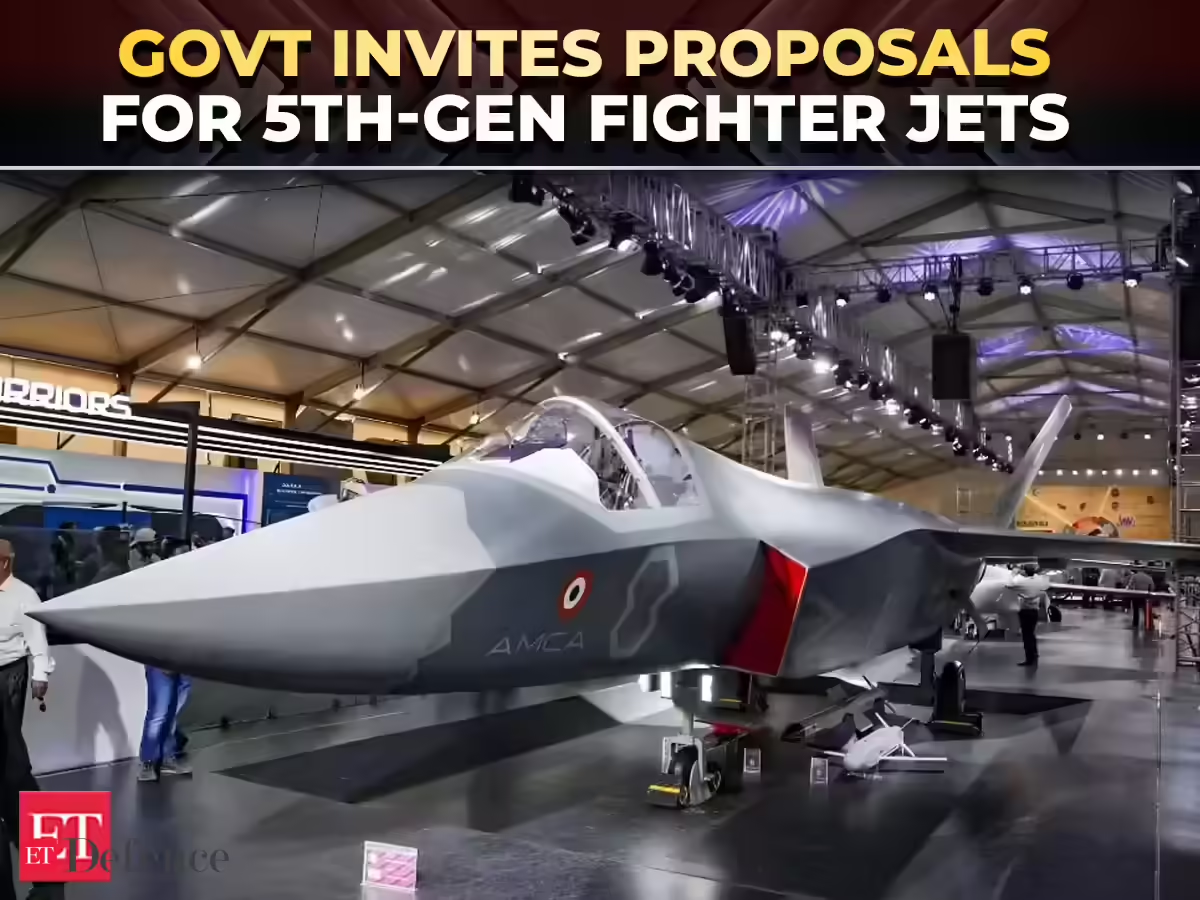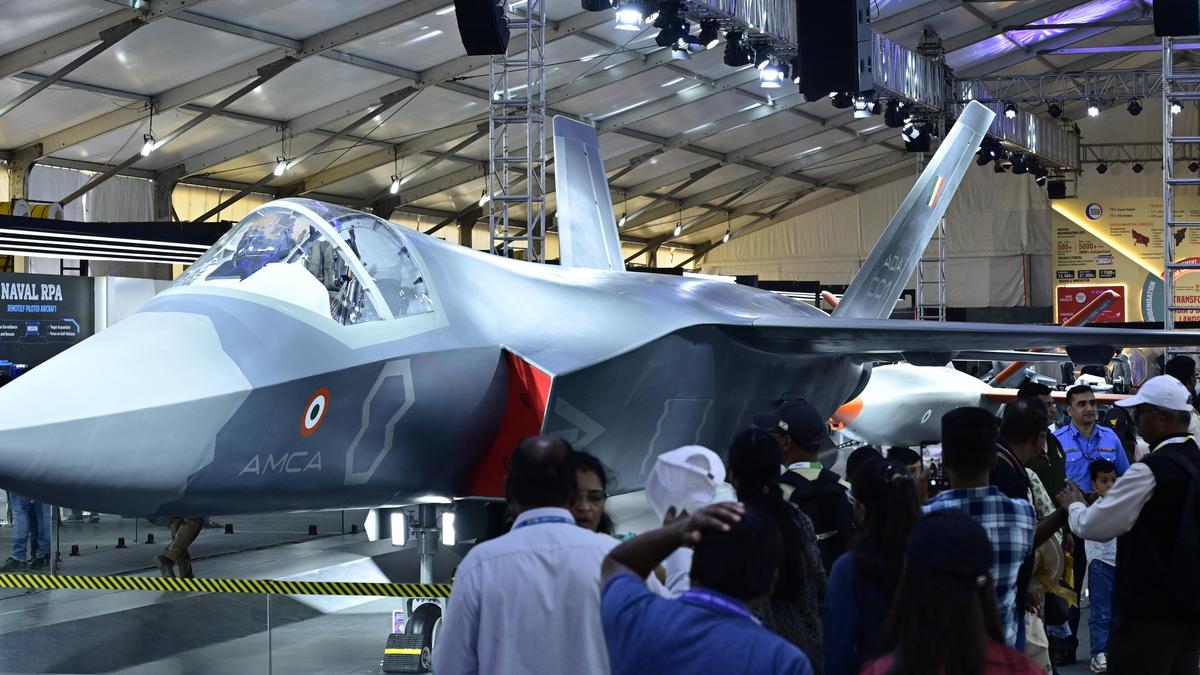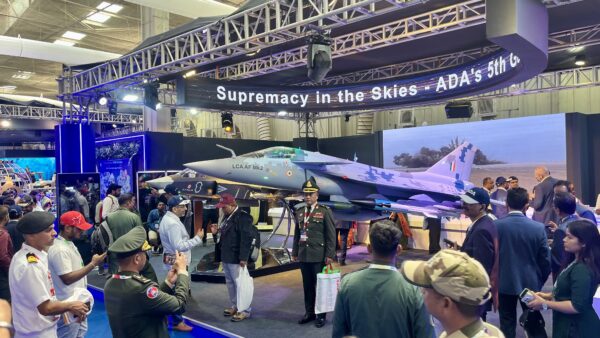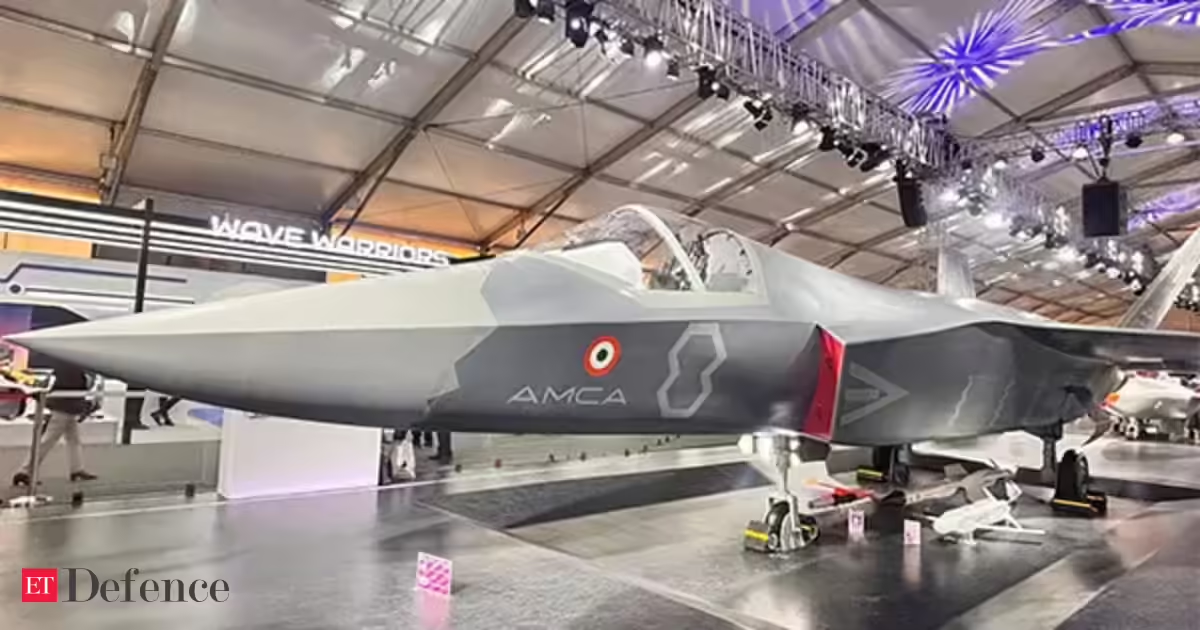
The story so far: There has been growing excitement in military and industrial circles over the fast-tracked indigenous fifth generation stealth Advanced Medium Combat Aircraft (AMCA). Touted as a multi-role fighter with super-cruise capability, internal weapons bays, advanced avionics, and diverter-less supersonic intakes enhancing stealth and reliability, the AMCA is being hailed as a milestone in Indian aerospace history. However, a dose of historical realism is warranted particularly since India has a persistent propulsion gap, and is overly reliant on imported engines. Nearly seven decades of fighter development reveal cautionary lessons, starting with India’s first indigenously designed fighter jet, the HF-24 Marut (Spirit of the Tempest).
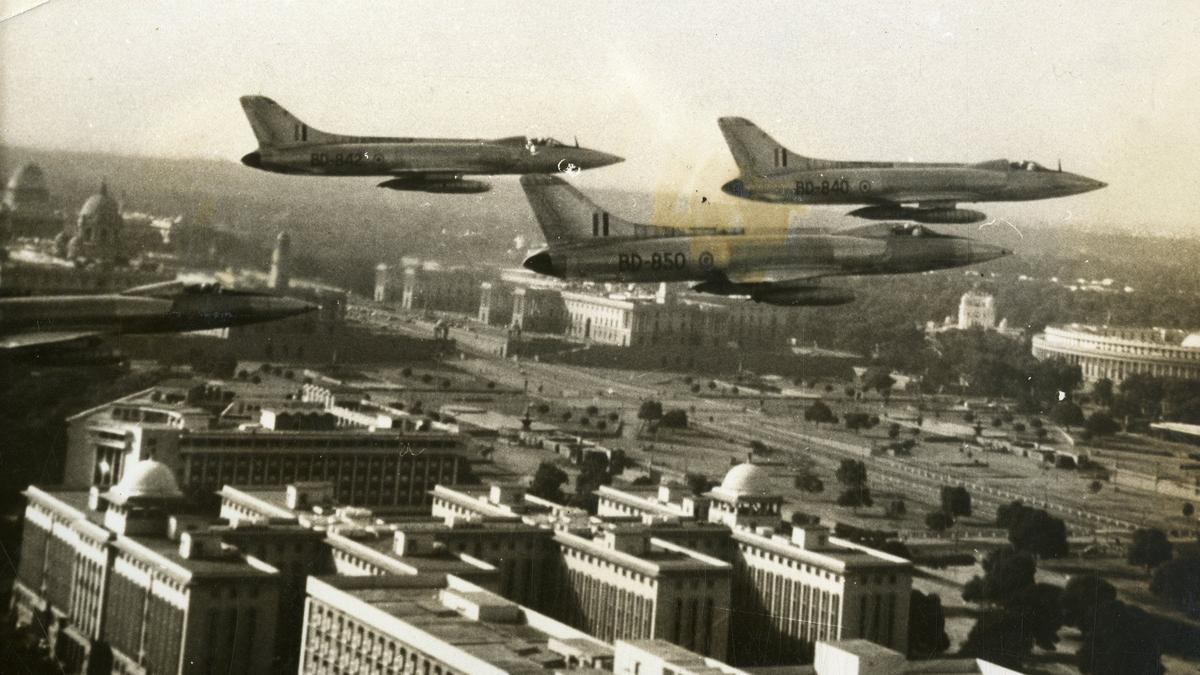
Launched in the 1950s by Hindustan Aeronautics Limited (HAL) under famed German engineer Kurt Tank — designer of several WWII Luftwaffe fighters — the twin-engine, swept-wing Marut was, like the AMCA, an ambitious project of its time. Sleek and capable of transonic speeds, it embodied post-colonial India’s drive for self-reliance and entered service amid high hopes in the late 1960s.