See more Daily Mail on Google - save us as a Preferred SourceBy DAVID WILCOCK, DEPUTY POLITICAL EDITOR Published: 10:05 BST, 21 May 2026 | Updated: 11:33 BST, 21 May 2026
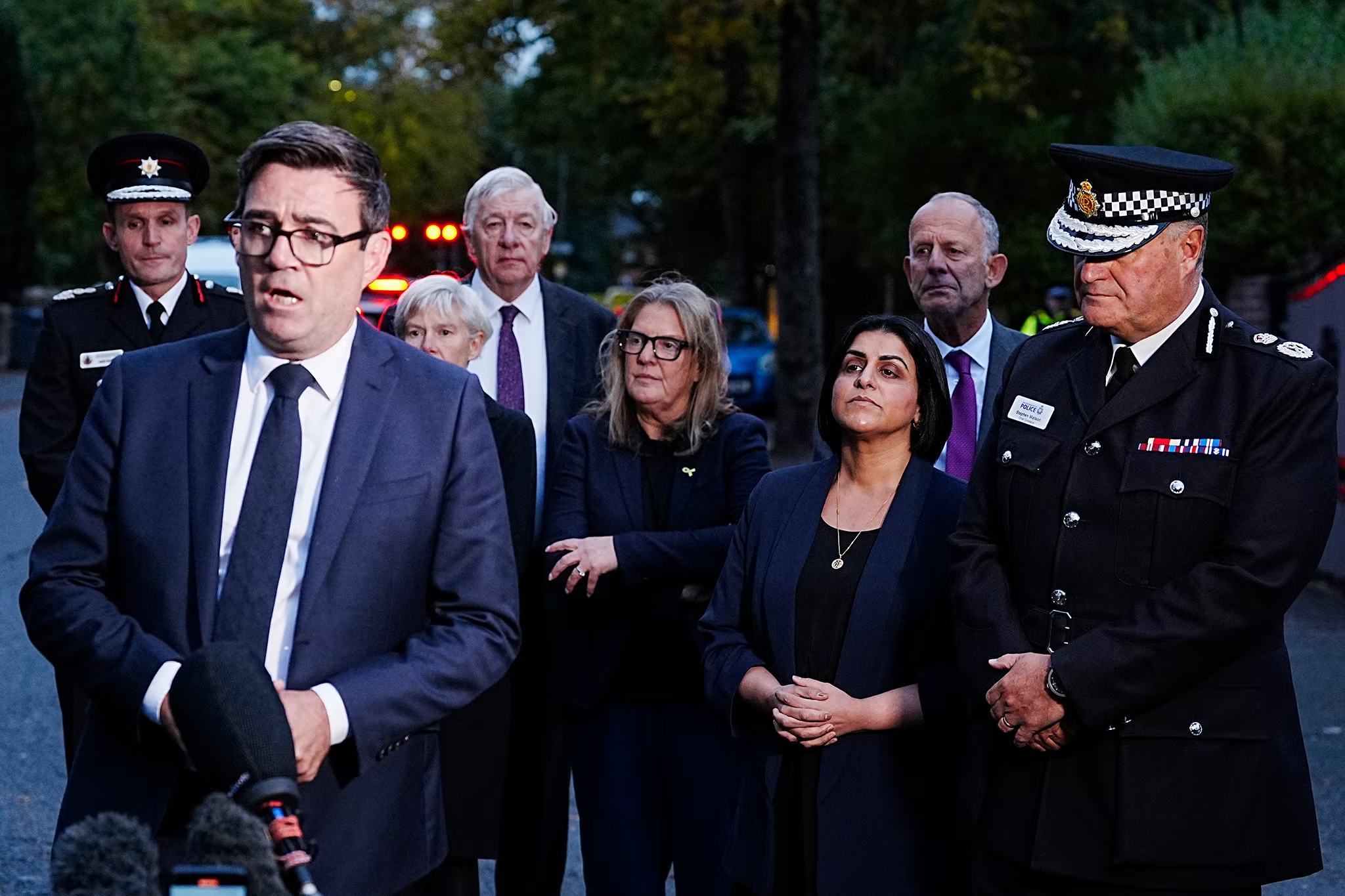
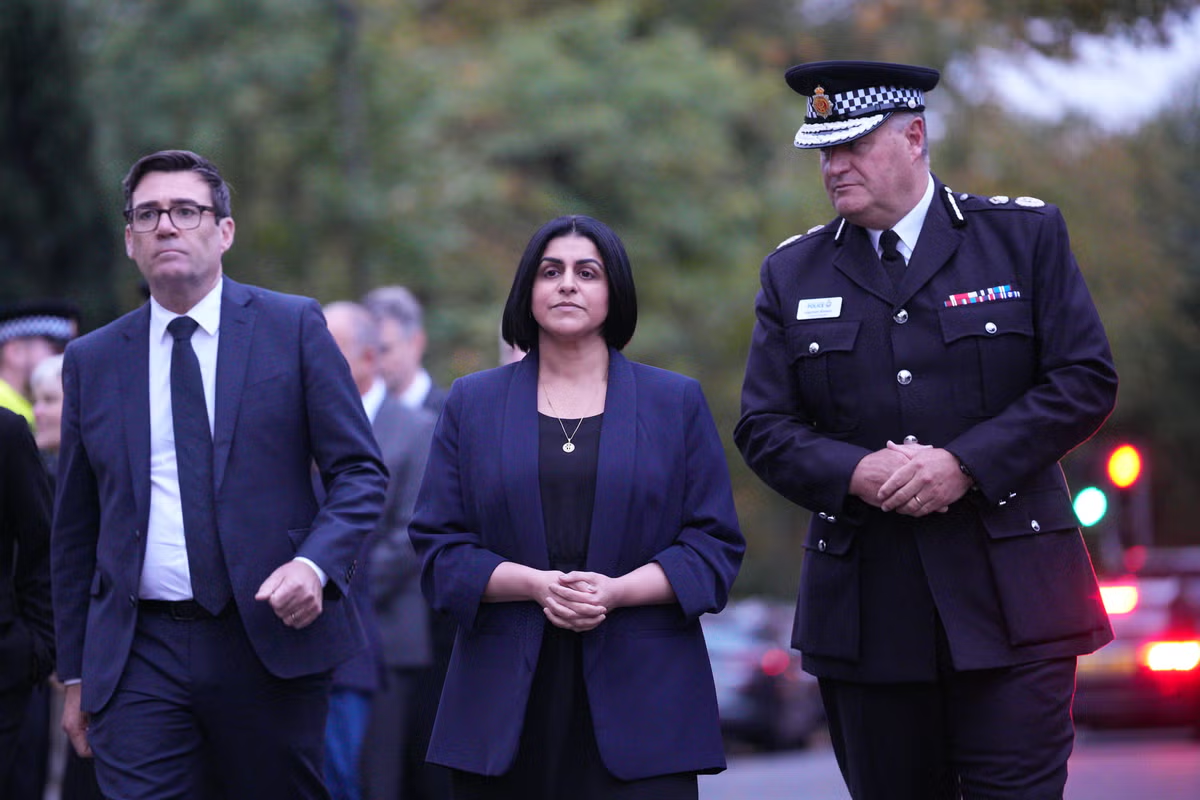
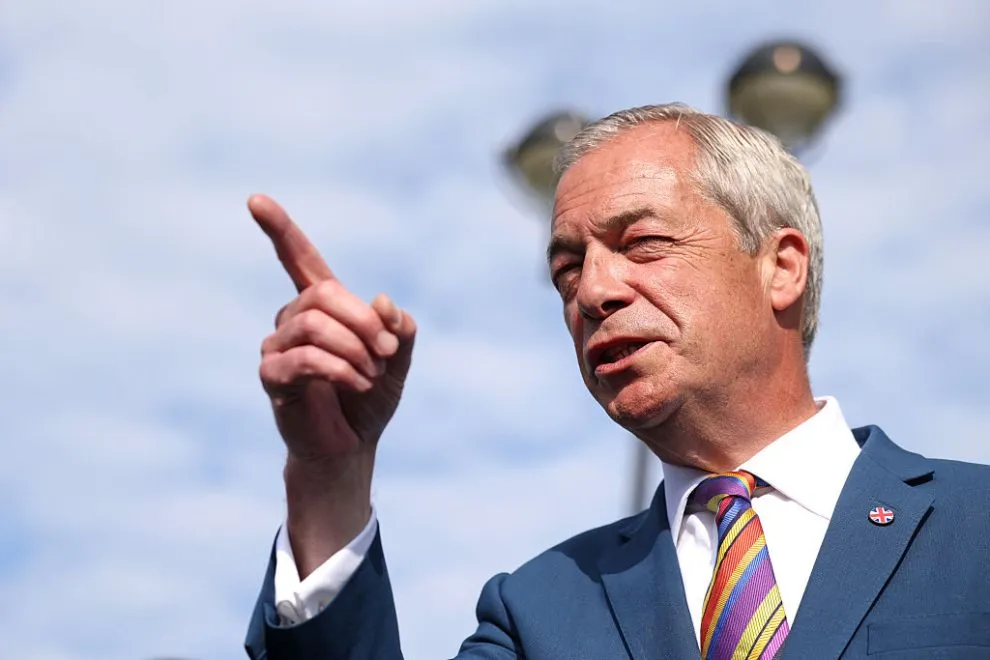
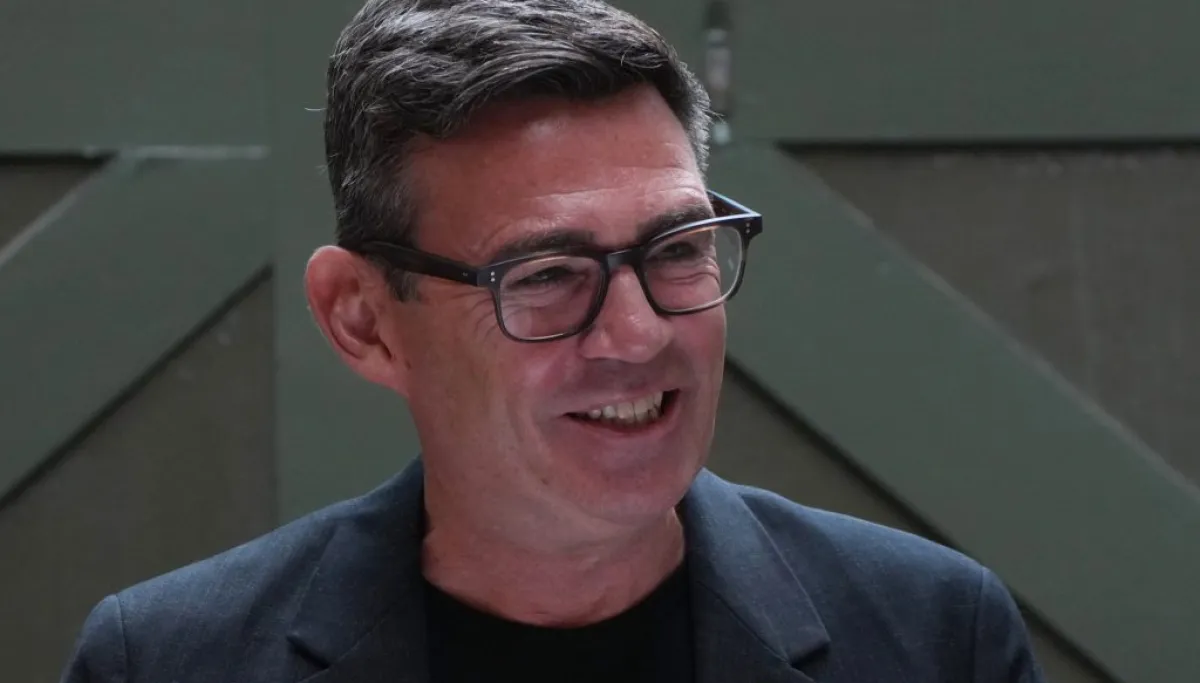
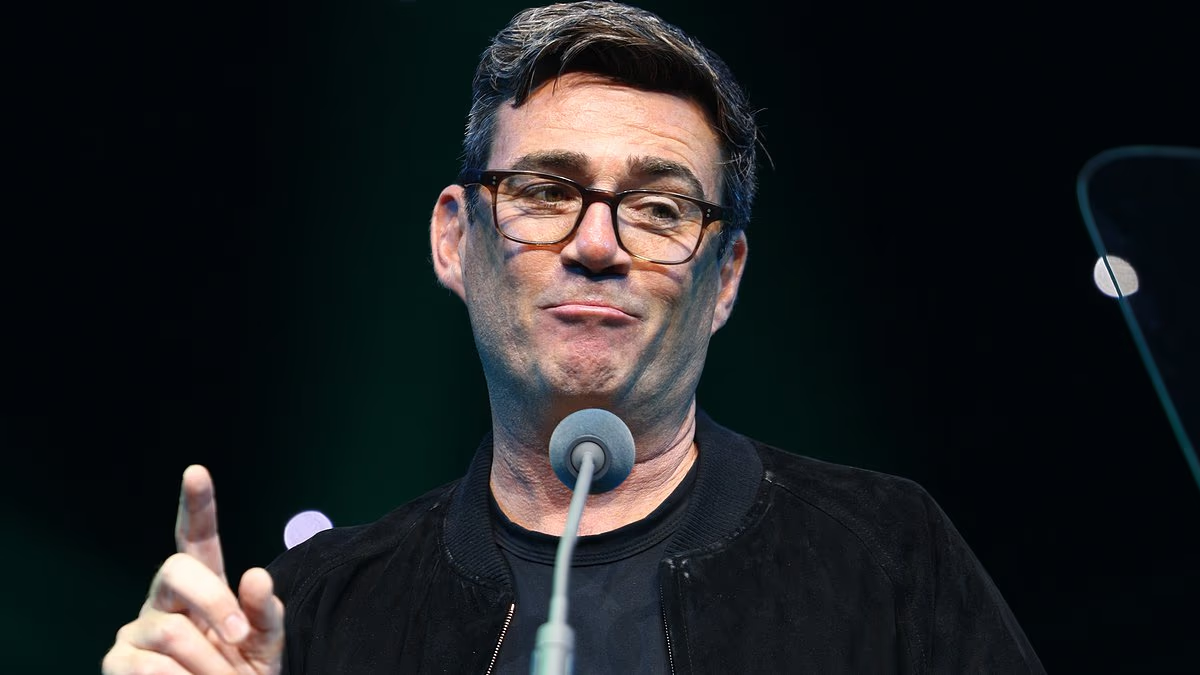
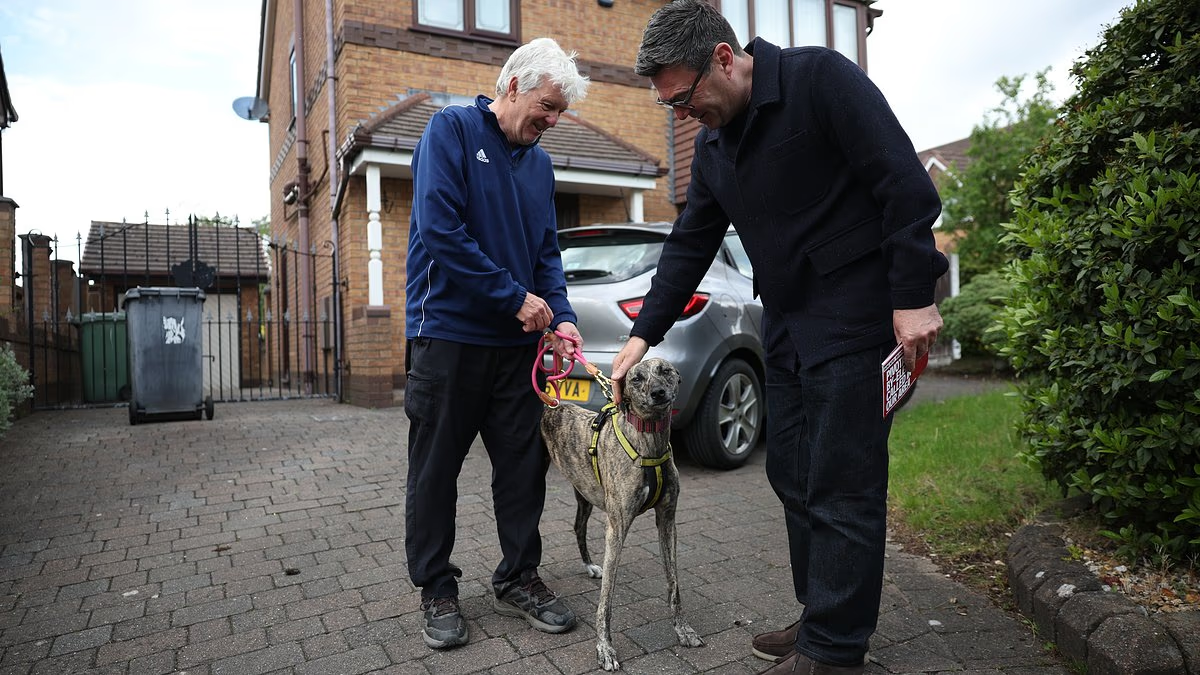
Andy Burnham is backing a hardline immigration clampdown that has been criticised as 'un-British' by Labour MPs.The Greater Manchester mayor, who is fighting Reform to win the Makerfield by-election, is said to be behind a toughening of rules pushed by Home Secretary Shabana Mahmood.She wants to double the time it will take legal immigrants to qualify for indefinite leave to remain (ILR), from five to 10 years.But in a more controversial move she is consulting on the change applying retrospectively to migrants already in Britain.It would affect around 2.2 million people who have arrived since 2021 and was criticised by MPs including Angela Rayner.A source told the Guardian: 'For Andy, migration is a moral issue as much as anything, showing people who've lost faith in politics that we do have control and we can do good.'We need to tell a positive story about the contribution of migration to our country, but we cannot do that unless people trust that the people they vote for have control over our borders.' Polls suggest Makerfield, which will choose its new MP on June 18, is a two-way fight with Reform, which has also branded the Labour candidate 'open borders Burnham'. The Greater Manchester mayor, who is fighting Reform to win the Makerfield by-election, is said to be behind a toughening of rules pushed by Home Secretary Shabana Mahmood Ms Mahmood wants to double the time it will take legal immigrants to qualify for indefinite leave to remain (ILR), from five to 10 years, applying retrospectively to those already hereSupport for the move might also put Mr Burnham, seen as the left's candidate to replace Sir Keir Starmer, to the right of the prime minister he wants to replace on immigration. The proposal was left out of the King's Speech list of legislation last week, amid suggestions Sir Keir has cooled his support, although allies of Ms Mahmood said it was still going to go ahead.But at the same time it may make him vulnerable to attacks from the left.New data from YouGov today showed that Labour lost four times as many voters to the Greens as to Reform in the disastrous local elections earlier this month that kicked off efforts to replace Sir Keir.Just 46 per cent of those who voted Labour in the 2024 general election backed them two years later, with 22 per cent going Green and 6 per cent to Reform. The Green Party today unveiled its Makerfield candidate, local nurse Chris Kennedy, vowing to fight Reform but also hold Mr Burnham's feet to the fire.Leader Zack Polanski said the 'greatest threat' was Nigel Farage's Reform UK, but added that his party would use the by-election to 'press Andy Burnham on what kind of MP and Prime Minister he would be, given his mixed track record, and interviews this week suggesting he isn't committed to fair voting, public ownership and a genuinely new economic settlement'.In March, when the plan was first announced, Ms Rayner said it amounted to 'moving the goalposts', saying it 'undermines our sense of fair play. It's un-British'. New data from YouGov today showed that Labour lost four times as many voters to the Greens as to Reform in the disastrous local elections earlier this monthIt came as new figures revealed UK net migration dropped to an estimated 171,000 last year, the lowest level since the start of the coronavirus pandemic.The figures for the 12 months to December are down 48 per cent compared to the previous year (331,000), according to the Office for National Statistics (ONS). It is the first time the estimate – which is the difference between the number of people moving to the UK and the number of people leaving the country – has fallen below 200,000 since the start of the Covid-19 outbreak.In the year to March 2021 it stood at 132,000, at a time when travel restrictions were still in place to contain the virus and the post-Brexit immigration system had been introduced.The continued fall in net migration is being driven by fewer people from outside the EU arriving in the UK for work, the ONS said.