Over the past year, the artificial intelligence sector has become more divided.
On one hand, the cost of using large model technology has fallen sharply. As China’s preference for domestic computing architecture has strengthened and algorithmic efficiency has improved, token prices have dropped. The race to build ever larger models has also entered a stage of diminishing marginal returns.
On the other side, after three years of rapid technological development, a basic question remains unresolved: As AI becomes more widely used, how should we measure the amount of work it actually helps complete?
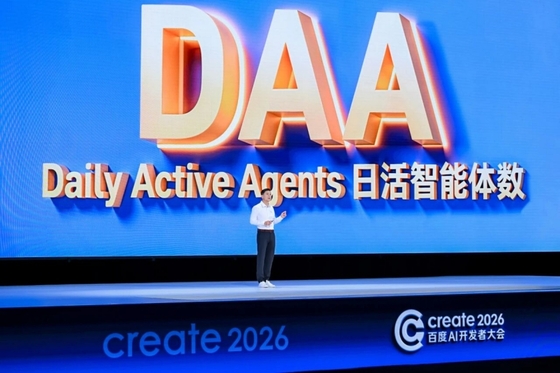
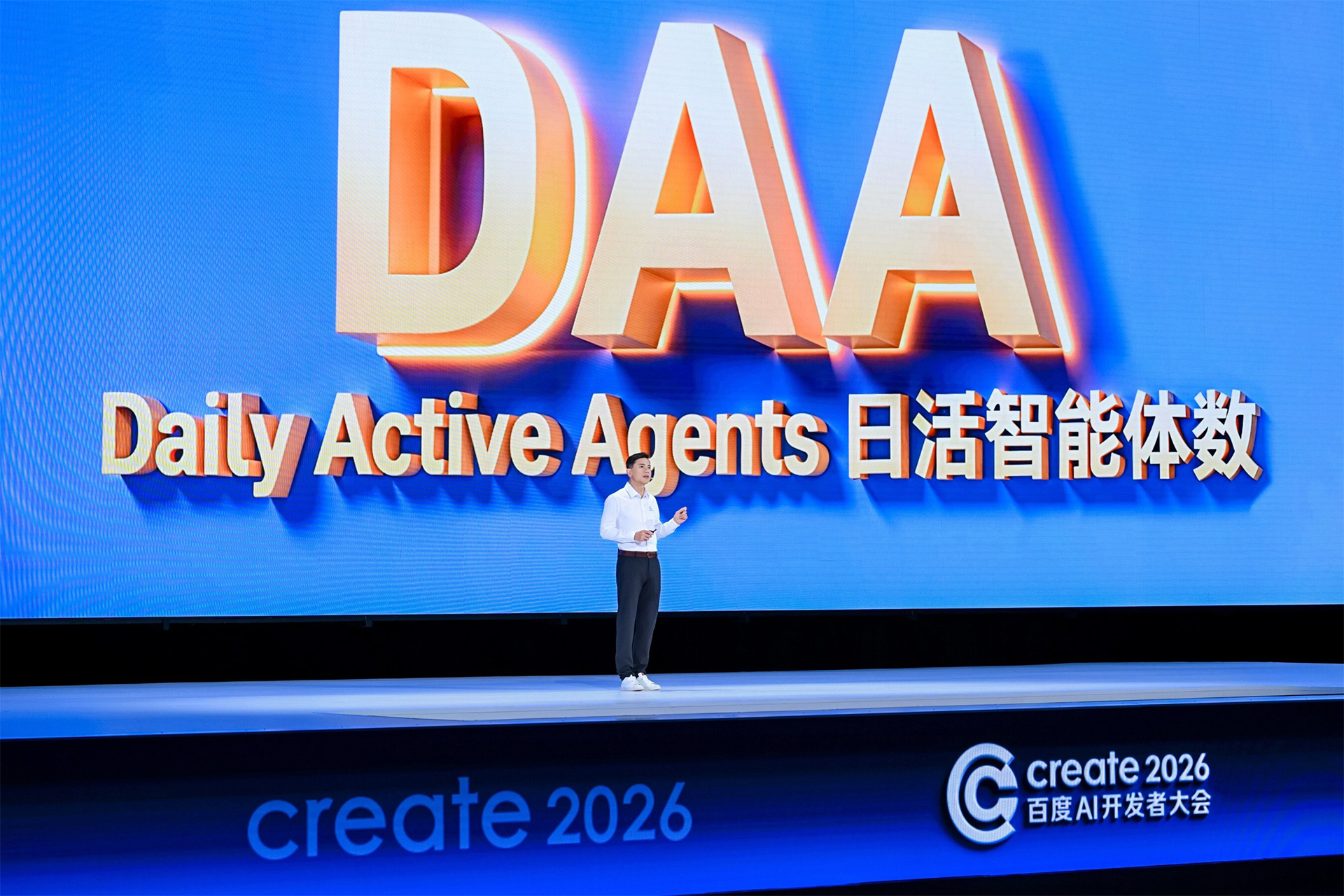
The confusion stems partly from a mismatch in metrics. In the mobile internet era, many companies focused on DAU, or daily active users, because it reflected the capture and redistribution of attention.
In the agent era, the relationship between humans and AI requires a different measure. One term is appearing more often: “collaboration.” A user who spends an hour listening to an AI chatbot may create less value than an agent that works independently for five minutes and delivers a complex business outcome.