Most developers treat expense tracking as a simple CRUD operation—a user uploads a receipt, adds a dollar amount, and hits save. Then, reality hits in the form of month-end reconciliation, missing audit trails, and the inevitable "why is this category wrong?" Slack message from the finance team.
After building and maintaining business-facing accounting tools, I’ve learned that the complexity isn't in the database schema; it’s in the messy, high-friction handoff between the point of purchase and the general ledger. When we look at standard expense management workflows, we often ignore the operational debt that accumulates when a system doesn't enforce context at the moment of capture.
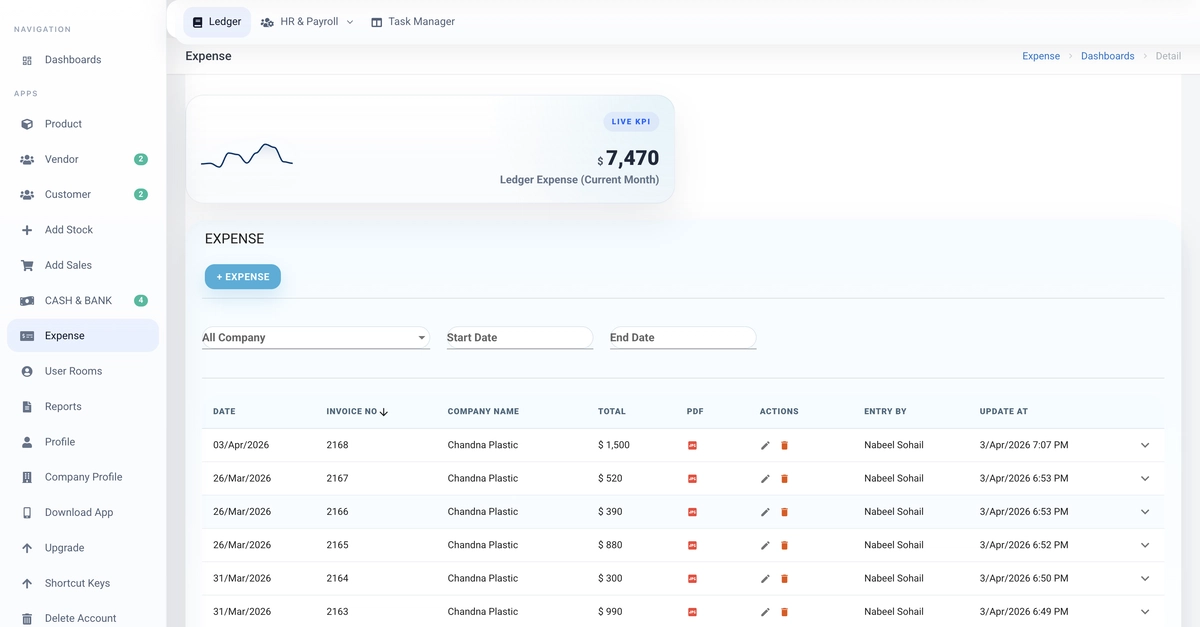
Workflow screenshots
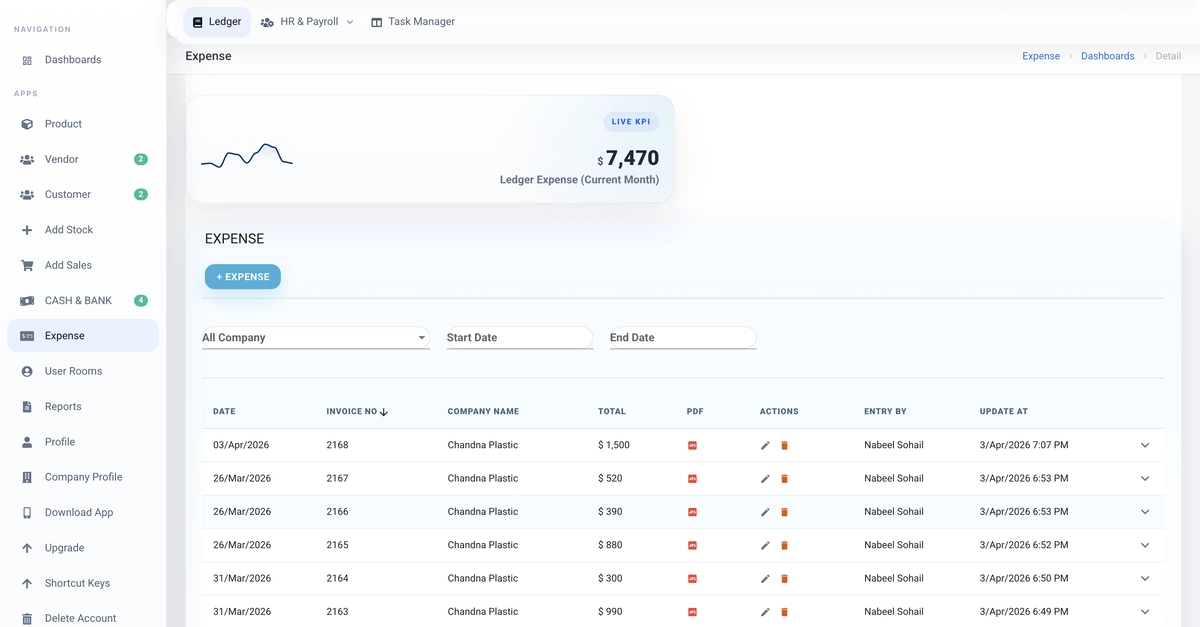
These screenshots are useful here because they hint at where Expense either stays grounded in the user's real task or becomes another detached admin screen.
The Anatomy of Expense Friction