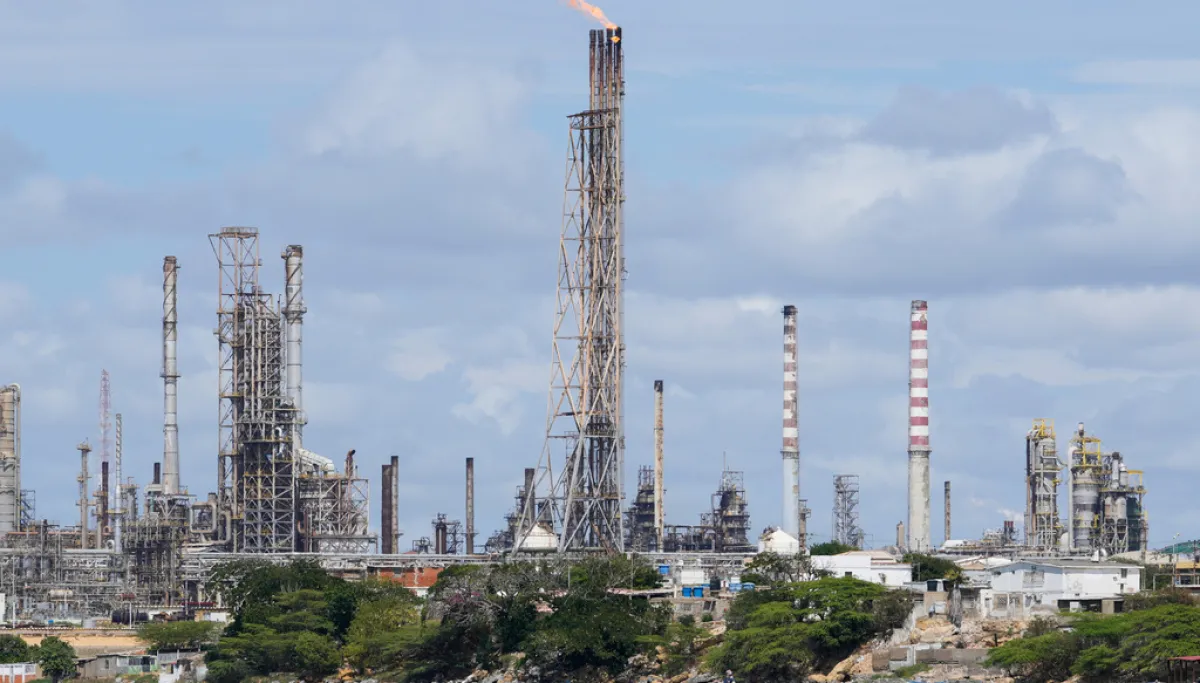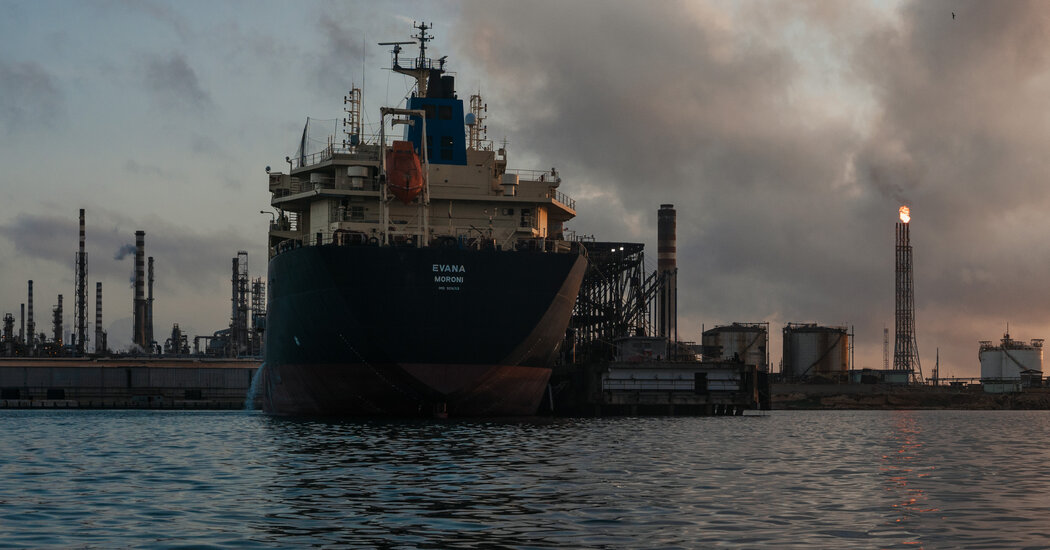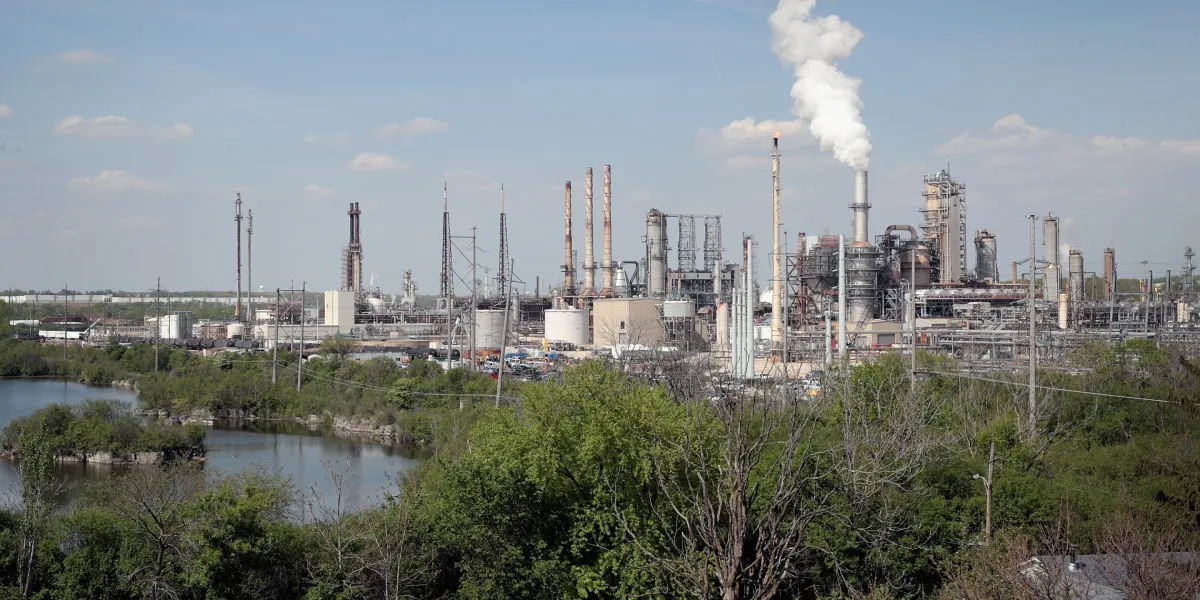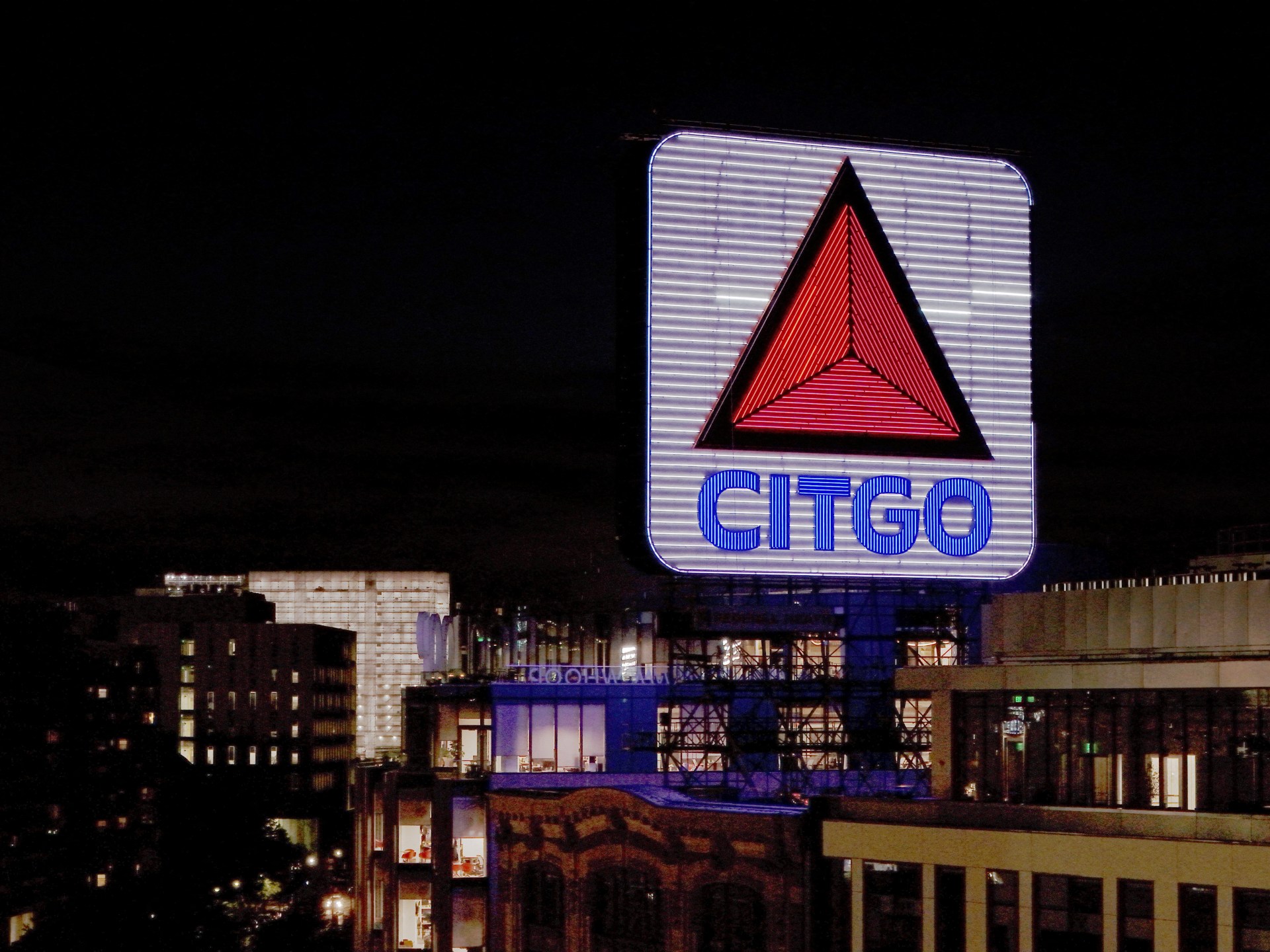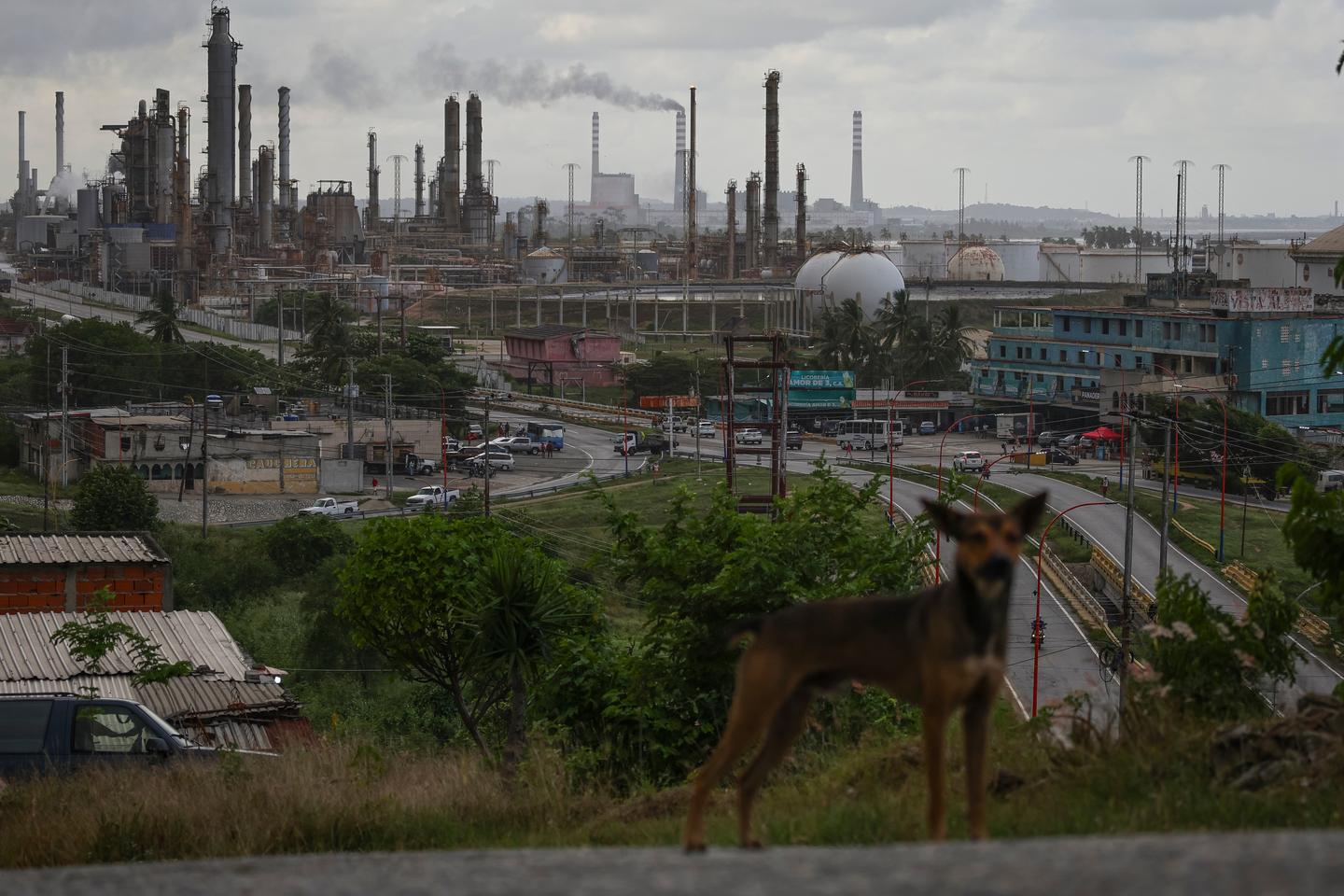
Reading Time: 4 minutesThe legal battle over Citgo Petroleum Corporation, the U.S.’s fifth-largest independent oil refiner, is often framed as a straightforward matter of creditor compensation and sanctions policy. But treating Citgo, a subsidiary of Petroleos de Venezuela (PDVSA) acquired in two stages in 1986 and 1989, solely as a commercial asset overlooks the broader strategic implications for the United States and the Western Hemisphere.
Last November, a federal judge in Delaware approved the sale of Citgo to Amber Energy, an affiliate of New York-based Elliott Investment Management, regarded as one of the world’s most feared hedge-fund activists. As part of the legal agreement, District Judge Leonard P. Stark accepted a $5.9 billion bid in a court-run auction designed to pay at least 15 external creditors of the Venezuelan state. Amber Energy’s offer includes an agreement to pay $2.1 billion to holders of the still-unpaid PDVSA 2020 bonds.
However, that approval did not constitute a closing, which is the prerogative of the Office of Foreign Assets Control (OFAC), an agency of the U.S. Treasury, as Venezuela’s state-owned companies, alter-ego entities, and officials have been the subject of more than 185 sanctions in recent years. Under pressure from the State Department, OFAC is withholding final approval for the company’s sale—it has been reported that some senior U.S. officials see the whole deal as grossly undervaluing the asset.